





Stanley Hand Tools
Stanley hand tools are the sort of kit you keep close because the simple jobs still need doing right, day in, day out, without fuss.
From marking out timber and trimming sheet to driving fixings, checking level and pulling apart stubborn fittings, the Stanley hand tool range covers the everyday graft on site and in the van. If you're building a solid grab-and-go set, start with the Stanley tools you reach for every single shift.
What Are Stanley Hand Tools Used For?
- Marking out studwork, sheet materials and first-fix runs is where a Stanley tape measure, Stanley spirit level and pencil-ready layout tools earn their keep, especially when you need quick, repeatable measurements without second guessing.
- Cutting plasterboard, trimming membranes, opening packs and scoring flooring is exactly the sort of daily site work a Stanley knife gets used for, because it is faster than dragging out a power tool for every little cut.
- Driving screws, knocking fixings home and adjusting brackets on snagging jobs is proper bread-and-butter work for a Stanley screwdriver or Stanley hammer, whether you are on second fix or sorting bits in the workshop.
- Cleaning up housings, paring timber and tidying awkward joints suits a Stanley chisel and Stanley saw, especially when joiners and fitters need control that machines cannot always give in tight spaces.
- Gripping, twisting and pulling cable clips, clips, pins and light fixings free is where Stanley pliers come into their own, particularly for maintenance work and small repair jobs that keep the day moving.
Choosing the Right Stanley Hand Tools
Sorting the right one is simple: buy for the jobs you do every week, not the odd task you might do once a year.
1. Start with the daily-use basics
If you are building up your kit from scratch, start with a Stanley knife, Stanley tape measure, Stanley screwdriver set and Stanley hammer. Those are the tools that save the most walking back to the van and get used from first thing to last knock.
2. Match the tool to the material
If you are mostly on timber, trim and sheet work, put more into chisels, saws and marking tools. If your day is more fixings, brackets and services, go heavier on screwdrivers, pliers and striking tools.
3. Standard Stanley or FatMax
If the tools are for occasional use or a light van kit, the standard Stanley hand tool range will cover a lot. If you are on site five days a week and the kit gets thrown about, Stanley FatMax is usually the better shout for grip, durability and harder daily use.
4. Buy singles or a kit
If you already know what wears out fastest, buy single replacements and keep your favourites. If you are fitting out a new apprentice or setting up a fresh van, a Stanley tool kit is the easiest way to cover the essentials in one hit.
Who Uses These on Site?
- Chippies rely on Stanley hand tools for first-fix and second-fix work, from marking out carcassing to trimming doors and cleaning up joints with a Stanley chisel or Stanley saw.
- Sparkies keep Stanley tools in the bag for the constant little jobs, such as measuring runs, trimming trunking lids, opening boxes and levelling accessories before final fix.
- Plumbers and heating engineers use hand tools Stanley kit for everyday fitting work, especially when a Stanley knife, screwdriver or pliers is quicker than reaching for powered gear in tight cupboards and service voids.
- General builders, snagging teams and maintenance lads swear by a Stanley tool kit because it covers the simple fixes, adjustments and checks that crop up on every job, every day.
Hand Tool Extras That Save Time on Site
A few sensible extras keep your hand tools working properly and stop small jobs turning into a faff.
1. Spare Knife Blades
A Stanley knife is only useful if it is actually sharp. Keep spare blades in the van so you are not tearing plasterboard faces, ragging insulation or forcing dull blades through packaging and membranes.
2. Tool Storage and Cases
Good storage stops your Stanley tools ending up loose in the van, buried under fixings or damaged by heavier kit. It also means the right screwdriver, pliers or chisel is where it should be when the job is moving quickly.
3. Blade Sharpening and Honing Gear
If you use a Stanley chisel properly, keep a honing stone or sharpening setup with it. A blunt edge makes a mess of timber, needs more force and is far more likely to slip when you are working one-handed in a tight spot.
Choose the Right Stanley Hand Tools for the Job
Use this as a quick guide when you are building a working kit.
| Your Job | Category or Type | Key Features |
|---|---|---|
| General first-fix and site setup | Stanley tape measure and Stanley spirit level | Easy-read markings, solid casing, reliable lock and accuracy you can trust for repeated set-out work |
| Daily trimming, scoring and opening materials | Stanley knife | Quick blade changes, comfortable grip and a body tough enough for pockets, pouches and site abuse |
| Timber clean-up and joinery adjustments | Stanley chisel and Stanley saw | Sharp cutting edges, decent control and the right size for finishing work without dragging out bigger kit |
| Fixing, tightening and snagging | Stanley screwdriver and Stanley pliers | Comfortable handles, good tip fit and enough grip for awkward fasteners and small site repairs |
| Heavy everyday van or site use | Stanley FatMax hand tools | Tougher build, improved grip and better durability if the tools get used hard every shift |
Common Buying and Usage Mistakes
- Buying a big mixed set for the sake of it often leaves you with tools you never touch and still missing the few you use daily. Start with the core Stanley hand tools you genuinely reach for, then build out from there.
- Using a blunt Stanley knife blade for too long slows everything down and wrecks cut quality. Change blades early and you will work cleaner, faster and with less force.
- Choosing light-use tools for full-time site graft usually ends with cracked handles, worn tips or poor accuracy. If the kit lives in the van and gets used hard, step up to the tougher end of the range.
- Treating chisels and saws as rough pry bars ruins the cutting edge and shortens their life. Use them for the job they are made for and keep a separate beater tool for abuse.
- Letting hand tools roll loose around the van means bent blades, damaged handles and wasted time hunting for them. A basic case or organiser saves more grief than most lads expect.
Standard Stanley vs Stanley FatMax vs Tool Kits
Standard Stanley
Good for everyday trade use, home fit-out work and general van stock where you want dependable hand tools without overcomplicating it. A sensible choice if you need proven basics like knives, tapes, screwdrivers and hammers.
Stanley FatMax
Better suited to harder daily site use where grip, toughness and comfort matter more. If your tools spend all week on active jobs, in damp conditions or getting thrown in and out the van, this is usually the stronger option.
Stanley Tool Kits
Best for covering a lot of jobs in one purchase, especially for apprentices, maintenance teams or a fresh van setup. Handy value, but seasoned trades often top them up with individual favourites once they know what gets hammered most.
Maintenance and Care
Clean Off Dust and Moisture
Wipe tools down after use, especially after plaster, wet timber, adhesive or outdoor work. Leaving grime and damp on steel parts is asking for rust and sticky moving sections.
Change Blades Before They Fight Back
Do not try to squeeze extra life out of a spent knife blade. Fresh blades cut cleaner, need less force and are far less likely to slip when you are working quickly.
Keep Cutting Edges Sharp
If you use Stanley chisels or saws regularly, keep on top of the edge rather than waiting until they are properly gone. A quick sharpen little and often is easier than trying to rescue a wrecked edge.
Store Them Properly
A dry toolbox, organiser or roll keeps tools from knocking together and cuts down on lost bits. It also stops measuring and cutting tools getting battered out of shape by heavier gear.
Replace Worn Tips and Split Handles
Once screwdriver tips round off or a hammer handle starts to loosen, do not keep pushing it. Worn hand tools waste time and can damage fixings, materials or your knuckles.
Why Shop for Stanley Hand Tools at ITS?
Whether you need a single Stanley knife, a new Stanley tape measure, replacement chisels or a full Stanley hand tool range for the van, we have the lot. ITS stocks a serious spread of Stanley tools UK trades actually use, all held in our own warehouse and ready for next day delivery.
Stanley Hand Tools FAQs
What hand tools does Stanley make?
Stanley makes the everyday hand tools most trades use all week, including Stanley knife models, hammers, screwdrivers, tape measures, chisels, pliers, saws and spirit levels, plus mixed tool kits and storage. It is the sort of range built around measuring, cutting, striking, fixing and snagging rather than specialist one-off jobs.
Are Stanley hand tools covered by a lifetime warranty?
Some Stanley hand tools are covered by a lifetime warranty, but not every item is handled the same way, so it is worth checking the product details first. In plain terms, warranty cover is usually there for faults in materials or manufacture, not for normal wear, abuse or using the tool for a job it was never meant to do.
What is the difference between Stanley and Stanley FatMax hand tools?
Standard Stanley tools cover the core jobs well and suit general trade use. Stanley FatMax hand tools are usually aimed at heavier daily site work, with tougher construction, improved grip and features that hold up better when the tools are used hard and chucked in and out of the van all week.
Are Stanley hand tools suitable for professional trade use?
Yes, plenty of Stanley hand tools are absolutely suitable for professional trade use, especially the core measuring, cutting and fixing kit that sees constant site work. The main thing is buying the right level for the workload, because an occasional-use tool and a full-time site tool do not get treated the same.
Who owns Stanley tools?
Stanley tools sit under Stanley Black and Decker, the wider group behind Stanley and other recognised trade brands. For the buyer, what matters more is that Stanley remains one of the established names for core hand tools used across site, workshop and maintenance work.
Is a Stanley tool kit worth it, or am I better off buying singles?
If you are starting from scratch, kitting out an apprentice or setting up a spare van set, a Stanley tool kit makes sense because it gets the basics covered quickly. If you already know exactly which tools you wear out most, buying singles is usually the smarter move.
Do Stanley tape measures and spirit levels hold up to site knocks?
Yes, they are built for trade use, but be sensible with them. A Stanley tape measure and Stanley spirit level will handle normal van life and day-to-day knocks, but if they are dropped repeatedly, crushed under heavier kit or left rattling loose, accuracy and lifespan will suffer.
-
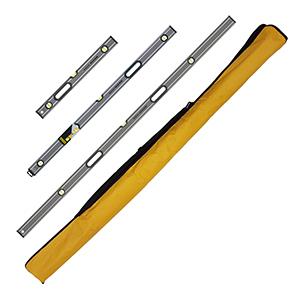
Stanley Guides and Measures
-
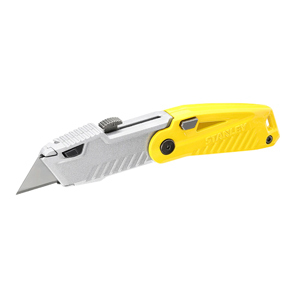
Stanley Cutting Tools
-
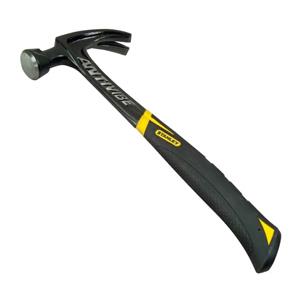
Stanley Demolition and Construction Tools
-
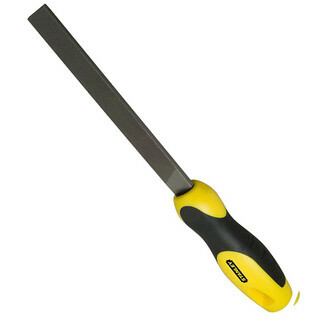
Stanley Sanding and Finishing Tools
-
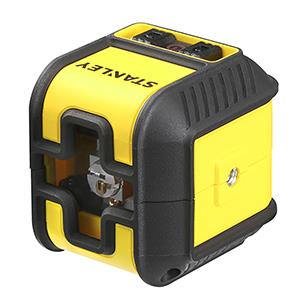
Stanley Lasers, Detectors & Digital Measures
-
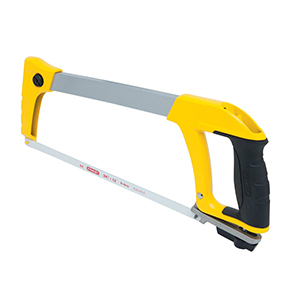
Stanley More Hand Tools
-
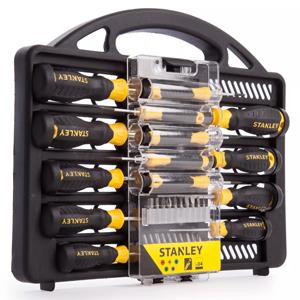
Stanley Fastening Tools
-
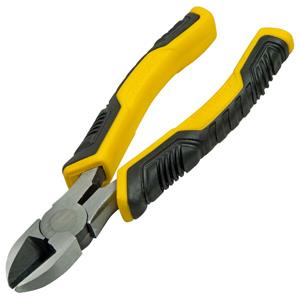
Stanley Pliers & Cutters
-
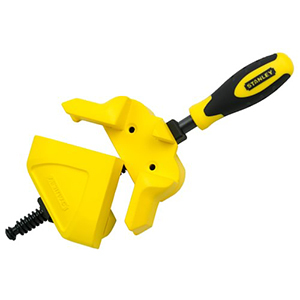
Stanley Clamps
-
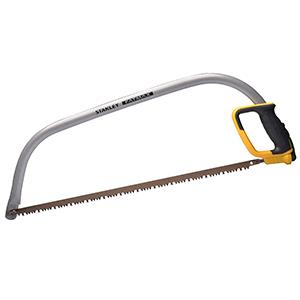
Stanley Saws
-
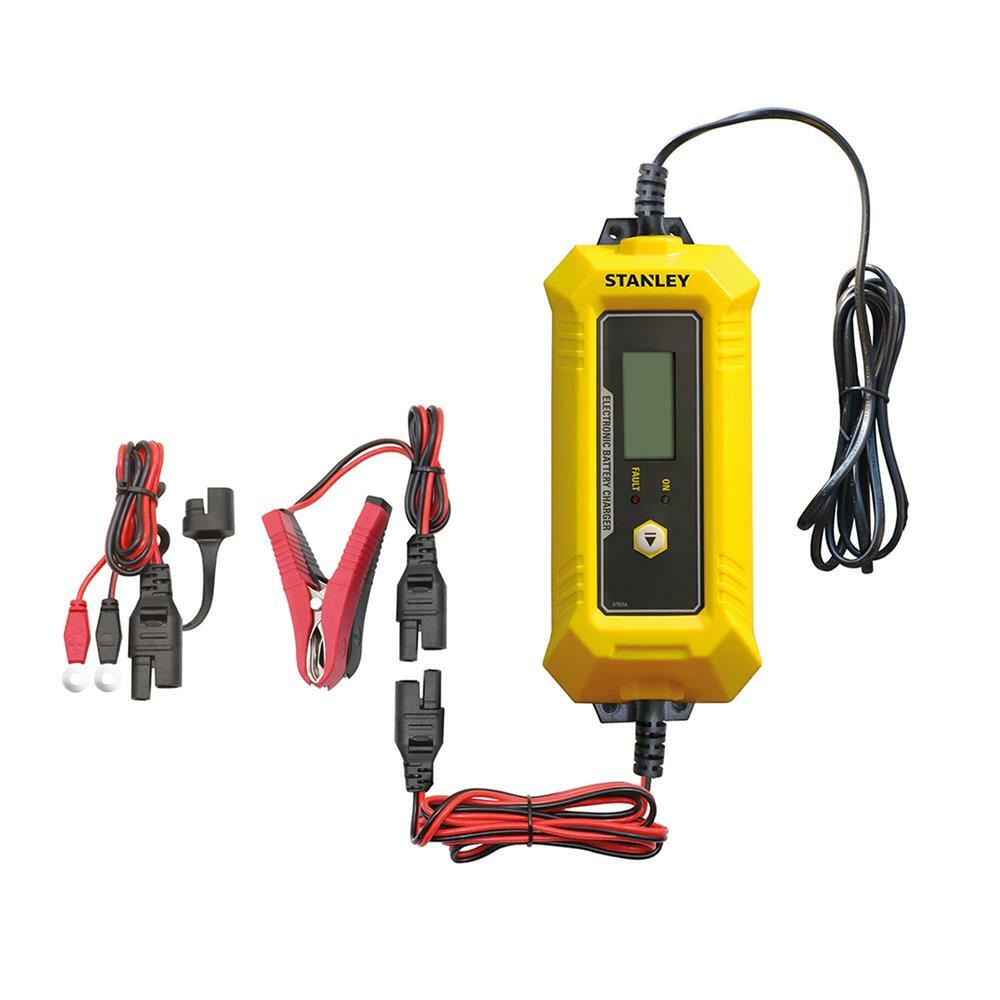
Stanley Trade and Job Specific Tools
-
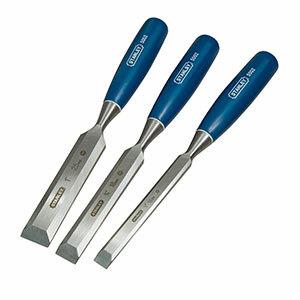
Stanley Wood Chisels
-
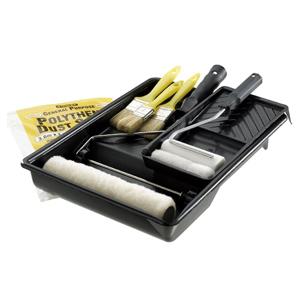
Stanley Decorating
-
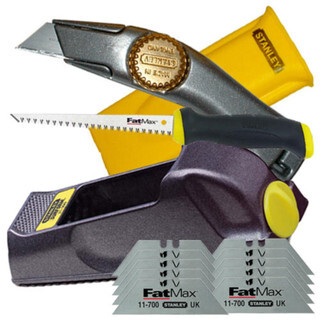
Stanley Hand Tool Kits



