Stanley Pliers & Cutters
Stanley pliers give you proper grip, cutting control and everyday site reliability for wiring, fixings, pipework and general snagging jobs.
When you're pulling cable, trimming ties, gripping awkward fixings or nipping through soft wire, decent hand tools save time and your knuckles. This Stanley pliers range covers the site staples, from Stanley combination pliers and long nose pliers to Stanley cutters, side cutters and water pump pliers that stand up to daily van and toolbox abuse.
What Are Stanley Pliers Used For?
- Pulling and twisting cable, bending conductors into terminals, and gripping small fittings in consumer units or first fix runs is where Stanley combination pliers earn their keep.
- Working behind back boxes, inside trunking, or under sinks is easier with Stanley long nose pliers, where reach and control matter more than outright grip.
- Snipping soft wire, cable ties, and light fixings during install work or final snagging is what Stanley side cutters and diagonal cutters are there for.
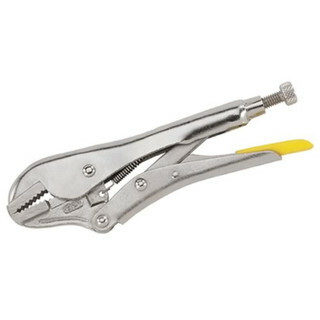
- Grabbing rounded pipe fittings, locknuts, and awkward threaded parts during plumbing repairs or maintenance work is a proper job for Stanley water pump pliers.
- Handling mixed site jobs where sizes vary all day suits Stanley slip joint pliers, especially when you need one pair that adjusts quickly without going back to the van.
Choosing the Right Stanley Pliers
Sort the right pair by the job in front of you. One pattern will not cover everything well, no matter what anyone tells you.
1. Combination or Long Nose
If you need one everyday pair for gripping, bending, and light cutting, go with Stanley combination pliers. If the work is tight, delicate, or buried in a box, trunking run, or behind pipework, Stanley long nose pliers are the better shout.
2. Side Cutters for Clean Cutting
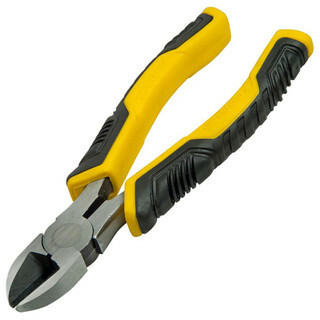
Do not use general pliers when the real job is cutting all day. If you are trimming cable ties, soft wire, or small pins repeatedly, Stanley side cutters or diagonal cutters will cut cleaner and save your hands.
3. Adjustable Grip for Mixed Fittings
If the size of what you are gripping changes constantly, Stanley slip joint pliers or water pump pliers make more sense than a fixed jaw pattern. They are the sensible pick for maintenance, plumbing, and awkward repair work.
4. Buy a Set or Buy Singles
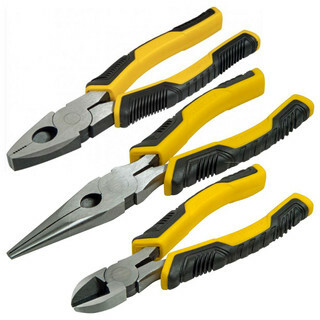
If you are starting a kit from scratch, a Stanley plier set usually covers the obvious site basics in one hit. If you already know what job you do most, buy the single pattern you will actually use rather than filling the drawer for no reason.
Who Uses These on Site?
- Sparkies keep Stanley pliers and Stanley cutters close for stripping back general site tasks, twisting conductors, trimming ties, and reaching into tight boxes where fingers will not do it cleanly.
- Plumbers and heating engineers swear by water pump and slip joint pliers for holding valves, gripping olives, and turning stubborn fittings in cramped cupboards and service voids.
- Maintenance teams use combination pliers, long nose pliers, and side cutters because breakdown work rarely gives you much room and usually means grabbing, holding, cutting, and adjusting in one visit.
- Joiners, fitters, and general builders keep a Stanley plier set in the van for everything from pulling pins and bending clips to quick fix jobs that do not justify dragging out power tools.
Choose the Right Stanley Pliers for the Job
Use this quick guide to match the plier type to the work.
| Your Job | Category or Type | Key Features |
|---|---|---|
| General gripping, bending and light cutting on site | Stanley combination pliers | All round jaws, cutter section, solid everyday carry option |
| Reaching into back boxes, terminals and tight voids | Stanley long nose pliers | Slender jaws, better control, easier access in confined spaces |
| Cutting wire, ties and small fixings cleanly | Stanley side cutters | Dedicated cutting edges, cleaner snips, less hand strain |
| Holding pipe fittings and larger awkward shapes | Stanley water pump pliers | Adjustable jaw capacity, stronger bite, better on rounded parts |
| Mixed repair work where sizes change constantly | Stanley slip joint pliers | Quick adjustment, simple setup, handy van and maintenance tool |
Common Buying and Usage Mistakes
- Buying one general pair and expecting it to cover every task usually means poor access, rough cuts, and more effort than needed. Match the plier pattern to the actual job instead.
- Using combination pliers as dedicated cutters all day wears the edges faster and gives untidy results. If the task is mainly cutting, use Stanley side cutters or diagonal cutters.
- Picking long nose pliers for heavy gripping work is a common one. They are built for access and control, not the same clamping force as combination or water pump pliers.
- Using the wrong pliers on live electrical work is asking for trouble. Check whether the tool is actually suitable and rated for electrical tasks before it goes anywhere near conductors.
- Leaving pliers wet, dusty, or buried loose with sharp fixings in the van shortens their life. Wipe them down, keep the joint clean, and store them where the jaws and cutters are not getting battered.
Combination Pliers vs Long Nose Pliers vs Side Cutters
Combination Pliers
These are the everyday all rounders. Best when you need grip, a bit of bending, and occasional cutting in one tool. They are less precise in tight spaces than long nose pliers and not as clean on repeat cuts as side cutters.
Long Nose Pliers
These come into their own where access is tight and control matters. They are the better choice for terminals, clips, and cramped voids, but they are not what you want for heavy twisting or gripping larger fittings all day.
Side Cutters
If the main task is cutting wire, cable ties, and small pins, side cutters are the proper tool. They cut cleaner and quicker than combination pliers, but they do not replace them for gripping or adjustment work.
Maintenance and Care
Wipe Them Down After Dusty Jobs
Brick dust, plaster, and general site grime work their way into the joint and make pliers feel rough. A quick wipe after use stops grit grinding away at the moving parts.
Keep the Joint Moving
If the pivot starts getting stiff, clean it out and add a small drop of light oil. That keeps the action smooth and stops you fighting the tool on fiddly work.
Use the Cutters on the Right Material
Do not start chewing through material the cutters were never meant for, or you will mark the edge and lose clean performance. Use the right pattern for the wire or fixing in front of you.
Store Them Properly
Loose in the bottom of a wet van box is how handles get damaged and joints start to rust. Keep them dry and where other tools are not smashing into the jaws all day.
Replace Worn Cutters Before They Cost You Time
If the jaws no longer meet right or the cutters are leaving ragged ends, stop forcing them. A worn pair slows every job down and usually slips at the worst moment.
Why Shop for Stanley Pliers at ITS?
Whether you need Stanley combination pliers, long nose pliers, side cutters, diagonal cutters, water pump pliers or a Stanley plier set, we stock the full range for proper trade use. It is all held in our own warehouse, ready for fast next day delivery, so you can get the right pair on site without hanging about.
Stanley Pliers FAQs
What is a Stanley 6 in slip joint pliers?
It is a compact adjustable pair of pliers with a pivot that shifts between jaw positions, so you can grip different sizes without carrying a bigger tool. A 6 inch version is the handy one for van kits, maintenance calls, small fittings, and general snagging where space is tight.
What are the most expensive pliers?
Usually the most expensive pliers are specialist patterns or insulated, trade rated models built for a specific task rather than general use. Price tends to go up with certification, cutting performance, materials, and job specific design, but for most site work you are better off buying the right pattern for the task than just the priciest pair on the page.
What is the difference between combination pliers and long nose pliers?
Combination pliers are the all rounders for gripping, bending, and light cutting, with broader jaws and more bite. Long nose pliers trade some gripping force for access, so they are the better option when you are working inside boxes, behind fittings, or on smaller parts where control matters.
Are Stanley pliers induction hardened at the cutting edge?
Many Stanley cutters and pliers are made with hardened cutting edges, but it is worth checking the individual product spec rather than assuming every pair is identical. If cutting performance matters to your work, look at the product details for the exact jaw and edge treatment before you buy.
Which pliers are best for electrical work?
For general electrical work, most sparks carry both combination pliers and long nose pliers because they do different jobs. Combination pliers are better for gripping and twisting conductors, while long nose pliers help with tighter terminal work. For any live or potentially live work, make sure the pliers are actually insulated and rated for it.