Stanley Clamps
Stanley clamps hold work dead steady for cutting, gluing, drilling and assembly, whether you need Stanley G clamps, quick grips or corner clamps on site.
If you're trying to keep timber, sheet or frames from shifting while you work, this is the sort of kit that saves redoing the job. Stanley clamps are built for proper bench work, first fix prep and site assembly, with options for squeeze-and-release speed, heavier screw pressure and awkward corner work. Buy the clamp that matches the job and throat depth, and you'll get cleaner joins with less messing about.
What Are Stanley Clamps Used For?
- Holding timber tight during glue-ups keeps boards from creeping while you cramp up doors, carcasses or worktops in the workshop or on a fit-out.
- Securing material on the bench makes sawing, drilling and routing safer when you need both hands on the tool and do not want the work shifting mid-cut.
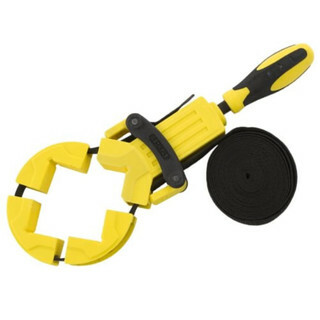
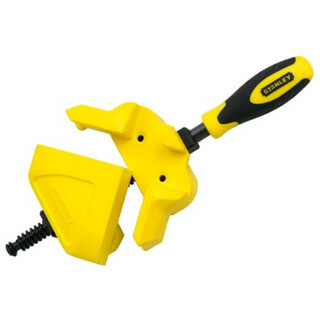
- Pulling mitres and frames into line with a Stanley corner clamp or band clamp helps when assembling boxes, frames and light furniture without fighting awkward angles.
- Clamping sheet, batten or trim in place before fixing is handy on second fix jobs where you need a temporary extra pair of hands to keep everything lined up.
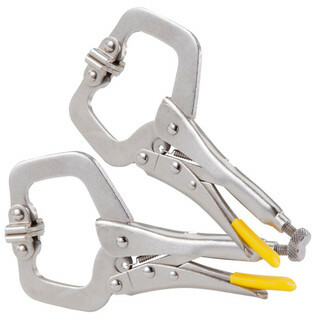
- Gripping metal, pipe or stubborn parts with a Stanley locking clamp gives you solid hold for maintenance, repair and workshop jobs where hand pressure is not enough.
Choosing the Right Stanley Clamps
Sorting the right clamp is simple: match the pressure, reach and speed to the job, not just the badge on it.
1. G Clamp or F Clamp
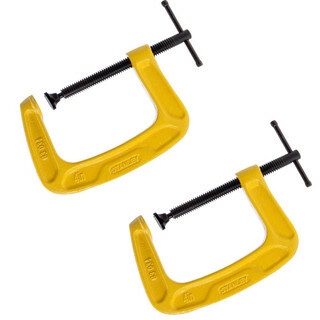
If you need concentrated pressure on a smaller area, a Stanley G clamp or Stanley C clamp is the one. If you are spanning wider boards, carcasses or bench work, an F clamp gives you more reach without the bulk.
2. Quick Jobs or Long Glue Ups
For quick holding during cutting, trimming or dry fitting, go with a fast-action Stanley clamp that you can work one-handed. For glue-ups and anything that needs steady pressure left on for a while, a screw clamp is usually the better shout.
3. Check Capacity and Throat Depth
Do not just look at clamp length. If the throat depth is too shallow, you will not reach far enough onto the workpiece to hold it where it needs holding, especially on wider panels and framed work.
4. Buy More Than You Think
One clamp never does the whole job. If you are gluing up timber or assembling frames, buy a Stanley clamp set or a few matching sizes so you can spread pressure evenly instead of twisting the job out of square.
Who Uses These on Site?
- Chippies use Stanley woodworking clamps for glue-ups, first-fix prep and holding skirting, linings or trims steady before pinning and fixing off.
- Joiners keep Stanley G clamps and F clamps on the bench for doors, frames and cabinet work where straight pressure matters more than brute force.
- Kitchen fitters swear by corner clamps and quick clamps when pulling units, fillers and panels into line without needing someone else to hold the far end.
- Fabricators and maintenance teams reach for locking clamps when they need a firm grip on metal parts, brackets or rounded sections during repair work.
- DIYers doing proper woodworking jobs usually start with a Stanley clamp set so they have a few sizes ready instead of trying to force one clamp to do every job.
Clamp Extras That Make the Job Easier
A couple of simple extras stop damage, speed up set-up and make your clamps far more useful on finished work.
1. Soft Jaw Pads
These stop you leaving clamp marks in painted timber, veneered boards or finished edges. If you are working on visible joinery, they save that sickening moment when you take the clamp off and find dents in the face.
2. Bench Dogs or Work Supports
Supporting the work properly means the clamp is holding it, not dragging it out of line. They are well worth having when you are working solo on longer boards, doors or sheet material.
3. Corner Blocks
Use these with standard clamps on frames and boxes to spread pressure across the joint and keep corners square. Much better than winding straight onto the edge and hoping it stays put.
Choose the Right Stanley Clamps for the Job
If you are not sure where to start, match the clamp style to the way you actually work.
| Your Job | Clamp Type | Key Features |
|---|---|---|
| Glueing up narrow timber sections and joinery | Stanley G Clamp | High screw pressure, solid frame, good control on smaller workpieces |
| Holding boards, panels or carcasses on the bench | Stanley F Clamp | Longer reach, sliding bar design, better for wider material |
| Quick trimming, drilling or dry fitting on site | Stanley Quick Clamp | Fast one handed use, easy repositioning, handy when working alone |
| Assembling frames, boxes or mitred work | Stanley Corner Clamp or Band Clamp | Keeps awkward angles under control, helps pull joints square |
| Gripping metal parts for repair or maintenance | Stanley Locking Clamp | Strong hold, stays clamped without hand pressure, useful on awkward shapes |
Common Buying and Usage Mistakes
- Buying too few clamps is the classic mistake. One or two might hold it, but they will not spread pressure properly, so glue-ups can bow, twist or open at the joint.
- Choosing a clamp by length alone catches people out. If the throat depth is too shallow, you cannot reach the part of the workpiece that actually needs holding.
- Over-tightening on softwood or finished timber leaves marks and can pull joints out of square. Use pads or blocks and tighten only as much as the job needs.
- Using a quick clamp where a screw clamp is needed often means not enough pressure for a proper glue bond. Fine for holding, not always right for cramping up load-bearing joints.
- Clamping unsupported material is asking for movement. Support the work first, then clamp it, otherwise the piece can sag or shift while you are trying to line it up.
G Clamps vs F Clamps vs Quick Clamps
Stanley G Clamps
These are for concentrated pressure and solid hold on smaller sections. Best on bench jobs, glue joints and metalwork, but not the handiest when you need speed or wider reach.
Stanley F Clamps
F clamps are the better all-rounder for woodworking and panel work. They span wider material than G clamps and are usually the smarter buy for joiners and fitters doing regular assembly.
Stanley Quick Clamps
Quick clamps win on speed and one-handed use, especially when you are cutting or fitting on your own. They are not always the first pick for heavy cramping pressure, but they save loads of time on site.
Corner and Band Clamps
These are more specialist. Use them when standard clamps start fighting the shape of the job, especially boxes, frames, mitres and awkward assemblies that need pulling in evenly.
Maintenance and Care
Clean Glue and Dust Off After Use
Wipe off wet glue before it sets on the bar, screw or pads. Once it hardens, the clamp stops moving cleanly and you end up fighting it on the next job.
Keep Threads and Sliding Bars Moving
A light oil on screw threads and sliding parts helps stop binding and rust, especially if the clamps live in the van or get used on damp sites.
Check Pads and Faces
If the pads are split, missing or packed with grit, they will mark the work. Replace damaged pads and keep the clamping faces clean before using them on finished material.
Store Them Dry and Off the Floor
Do not leave clamps rattling around in wet corners of the van or workshop. Hang them up or box them properly so frames stay straight and threads do not corrode.
Replace Bent or Cracked Clamps
If the frame is bent or the screw runs rough even after cleaning, stop using it for accurate work. A damaged clamp can throw a glue-up out or let go when you least need it.
Why Shop for Stanley Clamps at ITS?
Whether you need a single Stanley G clamp for bench work, a quick clamp for site fitting, or a full Stanley clamp set for joinery jobs, we stock the range in proper working sizes and types. It is all held in our own warehouse, ready for next day delivery, so you can get the right clamps on the bench without hanging about.
Stanley Clamps FAQs
What types of clamp does Stanley make?
Stanley makes a proper spread of clamp types for different jobs, including Stanley G clamps, F clamps, quick clamps, corner clamps, band clamps and locking clamps. The trick is not treating them all the same. G and F clamps are your usual woodworking and bench options, corner and band clamps help with frames and boxes, and locking clamps are better when you need to grip metal or awkward shapes.
What is the difference between a G clamp and an F clamp?
A G clamp gives you strong, direct pressure in a compact frame, so it is spot on for smaller joints and heavier cramping on the bench. An F clamp has a long bar and sliding jaw, so it reaches across wider boards and assemblies more easily. If you are doing cabinet sides, worktops or bigger glue-ups, an F clamp is usually the more useful shape.
How do you stop a clamp marking the workpiece?
Use soft jaw pads, scrap timber blocks or purpose-made corner blocks between the clamp and the job. That spreads the load and stops the clamp face digging in. Also be honest about pressure. Most marks come from winding a clamp far tighter than the joint actually needs.
What clamp size do I need for general woodworking?
For general woodworking, most people want a mix rather than one magic size. A few medium F clamps cover boards, panels and carcasses, while smaller G clamps are handy for tighter joints and bench tasks. If you only buy one size, you will quickly find a job where it is either too short or not deep enough.
Are Stanley clamps cast iron or steel?
It depends on the clamp type. Some Stanley clamps use cast frames for strength and rigidity, while others use steel bars, pressed parts or mixed construction depending on whether they are made for screw pressure, quick action or locking grip. Best thing is to check the product spec for the exact model rather than assuming they are all built the same.
Are Stanley clamps good enough for site use, or are they more for the workshop?
They are fine for both, as long as you pick the right style. Quick clamps and lighter F clamps are handy on site for holding and fitting, while heavier screw clamps are better back at the bench for glue pressure and more accurate assembly. Like any clamp, throw them loose in the van and never clean them, and they will feel rough before long.