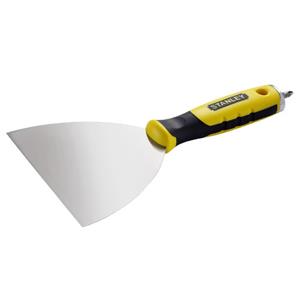
Stanley Trade and Job Specific Tools
Stanley trade tools are built for the jobs a standard kit never quite covers, from dry lining and plastering to flooring, trimming and site finishing work.
When the rough work is done, this is the kit that helps you finish it properly. Stanley job specific tools are the bits dry liners, plasterers, fitters and snag teams reach for when a general hand tool will slow you down, mark the work or just make a mess. From specialist blades and taping tools to trimming, scraping and finishing gear, these are Stanley trade specific tools made for cleaner results and less fighting the job. Have a proper look through the range and get the right tool for the trade you're actually doing.
What Are Stanley Trade Tools Used For?
- Finishing dry lining work calls for Stanley specialist trade tools that cut board cleanly, trim edges properly and help keep jointing and taping work tidy.
- Working through plastering and prep jobs, Stanley plastering tools help with scraping back, smoothing areas off and dealing with snagging before final decoration.
- Fitting out rooms on second fix, these Stanley job specific tools are useful where standard hand tools are too clumsy for neat trimming, marking or controlled removal.
- Handling flooring, vinyl, carpet and sheet material jobs, trade tools Stanley users rely on give better control when cutting, lifting, scraping or cleaning up edges.
- Sorting punch lists and handover work, Stanley professional tools help maintenance teams and fitters put right small faults without dragging out bigger kit than the job needs.
Choosing the Right Stanley Trade Tools
Match the tool to the trade task first. If it saves rework, it is the right bit of kit.
1. Buy for the Material You Actually Work On
If you are mainly on plasterboard, lining systems and partition work, start with Stanley dry lining tools built for scoring, trimming and finishing board cleanly. If you are on plaster, fillers or surface prep, go straight to Stanley plastering tools that scrape, smooth and tidy without gouging the background.
2. Think About Finish Quality, Not Just Cutting Ability
If the work will be seen at handover, choose Stanley job specific tools that give proper control. A rough all-purpose tool might get through the job, but it can tear edges, mark finished surfaces and leave you doing the same task twice.
3. Pick Specialist Tools for Repetitive Work
If you only need it once in a blue moon, a basic hand tool may do. If you are trimming board, scraping back, marking out or finishing surfaces every day, Stanley trade tools made for that exact task will be quicker in the hand and less tiring over a full shift.
4. Do Not Overlook Replacement Blades and Wear Parts
A lot of Stanley professional tools are only as good as the edge on them. If the job depends on a clean cut or a tidy finish, keep fresh blades and the right consumables with the tool or you will end up fighting worn gear by lunchtime.
Who Uses These Stanley Trade Tools?
- Dry liners use Stanley dry lining tools for board trimming, taping prep and clean finishing work where a rough cut will only come back to bite you later.
- Plasterers keep Stanley plastering tools close for scraping back high spots, tidying edges and sorting awkward repair work before the skim goes on.
- Floor layers and fitters reach for Stanley job specific tools when cutting floor coverings, trimming detail sections and lifting old material without wrecking the surface underneath.
- Joiners, kitchen fitters and second fix teams use Stanley trade specific tools for controlled trimming and neat finishing where visible work needs to stay clean.
- Maintenance crews and snagging teams swear by Stanley trade tools for all the awkward little jobs that need precision by hand rather than brute force.
Useful Extras to Keep Stanley Trade Tools Working
The right add-ons save wasted time, cleaner-up later and trips back to the van for something you should have had with you.
1. Replacement Blades
Fresh blades are a no-brainer for trimming board, flooring or sheet material. Once the edge starts dragging, you get torn cuts, extra force through the handle and a finish that needs tidying up after.
2. Blade Storage and Dispensers
Loose blades rolling around in the tool bag are asking for trouble. A proper dispenser keeps sharp and used blades separate, speeds up changeovers and stops you rummaging about with dusty hands.
3. Holsters and Belt Carriers
If the tool is in and out of your hand all day, a holster makes sense. It keeps your Stanley trade specific tools where you need them instead of getting buried under offcuts or left on the hop-up.
4. Spare Scrapers or Replacement Edges
For prep and finishing tools, worn scraping edges just smear mess about and slow the job down. Keeping a spare means you can carry on instead of bodging through the last room with a blunt edge.
Choose the Right Stanley Trade Tools for the Job
Use this quick guide to sort the right specialist tool for the work in front of you.
| Your Job | Category or Type | Key Features |
|---|---|---|
| Scoring and trimming plasterboard | Stanley dry lining tools | Clean board cutting, good control, easy blade changes and less tearing on visible edges. |
| Scraping back filler, plaster or old residue | Stanley plastering tools | Rigid scraping edge, comfortable grip and enough stiffness to shift material without flexing all over the place. |
| Second fix trimming and snagging | Stanley job specific tools | Compact size, precise handling and cleaner contact on finished surfaces. |
| Flooring and covering prep work | Stanley specialist trade tools | Sharp cutting edges, scraper options and tools that work tight to edges and corners. |
| Daily repetitive finishing work | Stanley professional tools | Durable build, replaceable wear parts and handles that stay comfortable through a full shift. |
Common Buying and Usage Mistakes
- Buying a general hand tool instead of a specialist one usually means rougher results and slower work. If you are regularly doing dry lining, plaster prep or finish trimming, buy the tool made for that task.
- Running worn blades far too long is a classic false economy. The cut quality drops off, the tool needs more force and you are more likely to slip or damage the material.
- Using the wrong scraper or cutter on finished surfaces can leave marks that are harder to fix than the original snag. Match the edge and shape to the material before you start leaning on it.
- Ignoring handle comfort on repetitive jobs catches plenty of lads out. If the tool is in your hand all day, poor grip and awkward shape soon turn into slower work and sore wrists.
- Leaving specialist tools dirty or loose in the van shortens their life for no reason. Clean them off, store them properly and keep the working edges protected so they are ready next shift.
Dry Lining Tools vs Plastering Tools vs General Hand Tools
Stanley Dry Lining Tools
Best for plasterboard work, taping prep and board trimming where neatness matters. They are quicker and cleaner on sheet material, but they are not the first pick for heavy scraping or rough demolition.
Stanley Plastering Tools
These suit surface prep, scraping back and smoothing jobs where you need broad contact and control. Better for tidying walls and patch work than cutting tasks, especially when you are dealing with filler, residue or high spots.
General Hand Tools
Fine for occasional use or rough work, but they are usually slower and less accurate on trade-specific tasks. If you are repeating the same job across rooms or plots, general tools soon show their limits.
Maintenance and Care
Clean Off Dust and Wet Material
Plaster dust, filler and adhesive residue soon build up on edges and moving parts. Wipe tools down after use so blades, scrapers and sliders keep working properly.
Change Blades Early
Do not wait until the blade is dragging through the material. Fresh blades protect the finish, make the tool safer to use and stop you forcing the cut.
Store Edges Properly
Keep sharp or precision-edged tools covered or in a proper holder. Knocking about in the van blunts edges, damages handles and gives you a nasty surprise next time you reach in the bag.
Check for Loose or Bent Working Parts
If a scraper edge is bent or a sliding knife is loosening off, sort it before it spoils the work. Minor wear is normal, but once control goes, the tool is costing you time.
Replace Worn Tools Before a Finish Job
A tired tool might still do for rough prep, but not for visible finishing work. If it starts marking surfaces or tearing cuts, retire it from final fit duties.
Why Shop for Stanley Trade Tools at ITS?
Whether you need Stanley trade tools for dry lining, plastering, flooring or general finishing work, we stock the full range of the specialist bits that actually earn space in the tool bag. From replacement essentials to harder-to-find Stanley job specific tools, it is all in our own warehouse, in stock and ready for next day delivery.
Stanley Trade Tools FAQs
What trade-specific tools does Stanley make?
Stanley makes a broad mix of trade-specific tools covering jobs like dry lining, plaster prep, trimming, scraping, flooring work and finishing tasks. It is the sort of range you buy when a standard knife, scraper or hand tool is not giving you the control or finish the job needs.
Which Stanley tools are aimed at dry liners?
Stanley dry lining tools are aimed at scoring, trimming and finishing plasterboard work cleanly. Dry liners usually want tools that cut straight, change blades quickly and do not chew the face of the board up when the pace picks up.
Are Stanley trade tools covered by a professional warranty?
Many Stanley trade tools are supplied with manufacturer warranty cover, but it does vary by product type. Best advice is check the individual listing before you buy, especially on specialist or consumable-led items where wear parts and blades are treated differently.
Which trades does the Stanley range cover?
The range covers plenty of site roles, including dry liners, plasterers, floor layers, decorators, fitters, joiners and maintenance teams. In simple terms, if your work involves cutting, trimming, scraping, prepping or finishing by hand, there is usually a Stanley tool aimed at that job.
Are trade tools different from the standard Stanley range?
Yes, that is the whole point of them. Stanley trade specific tools are built around particular tasks, so you get shapes, edges, grips or formats that suit one trade job properly rather than trying to make a general tool do everything badly.