Stanley Saws
Stanley saws are built for the cuts you make day in, day out, from rough timber trimming to neat joinery, plasterboard cut-outs and quick site snagging.
When you're cutting stud, sheet, skirting or flooring, a decent saw saves time and leaves less mess to sort after. The Stanley saw range covers proper site staples like the stanley hand saw, stanley tenon saw, stanley jab saw and stanley hacksaw, with tooth patterns and blade lengths that suit rough first fix through to cleaner finishing work. If you want saws that cut straight, feel right in hand and stand up to van life, start here and pick the one that matches the job.
What Are Stanley Saws Used For?
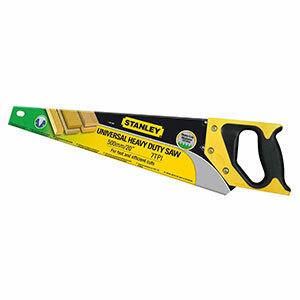
- Cutting stud timber, battens and sheet material on first fix is where a stanley hand saw earns its keep, especially when you need quick straight cuts without dragging a power tool across site.
- Trimming skirting, architrave and smaller joinery sections is better suited to a stanley tenon saw, where the stiffer blade helps keep cuts neater for fitting work.
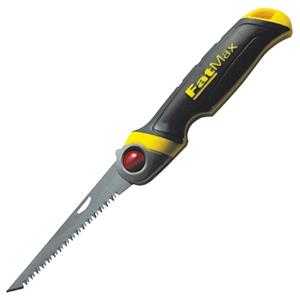
- Working through plasterboard for back boxes, access points and awkward openings is exactly what a stanley jab saw is for, as it starts easily and gets into tight spots cleanly.
- Cutting threaded rod, conduit, metal trunking and small section steel is a solid job for a stanley hacksaw, especially on refurbs where you need control and less spark than a grinder.
- Shaping trim, thin sections and fiddly curves is where a stanley coping saw comes into its own, particularly for second fix and flooring detail work.
Choosing the Right Stanley Saws
Sorting the right one is simple: match the saw to the material and finish you need, not just whatever is nearest in the van.
1. Timber Cutting vs Finish Work
If you are cutting stud, fencing or general carcassing, go for a stanley hand saw or stanley wood saw with an aggressive tooth pattern that clears waste quickly. If you are working on skirting, trim or smaller joinery, a stanley tenon saw gives you more control and a tidier edge.
2. Fine Teeth vs Fast Teeth
Lower TPI cuts quicker and suits rough timber where speed matters more than finish. Higher TPI is slower but cleaner, so if the cut will be seen or needs to fit straight away, do not buy a coarse blade and expect neat results.
3. Straight Cuts vs Tight Access
For long straight cuts in boards and timber, use a panel or hand saw with enough blade length to track properly. If you are cutting openings in plasterboard or working in awkward corners, a stanley jab saw is the better shout because it starts inside the board without a full run-up.
4. Wood vs Metal
Do not try and make one saw do both. If you are on conduit, threaded rod or light steel, get a stanley hacksaw with the right blade for metal. Save the wood saws for timber, sheet and trim or you will just blunt them and waste your time.
Who Uses These on Site?
- Chippies use Stanley saws for everything from roughing out stud and sheet to trimming mouldings, and most keep a stanley hand saw and stanley tenon saw close by for first and second fix.
- Sparkies reach for a stanley jab saw when cutting plasterboard for boxes and access points, because it starts fast and gives better control than trying to force a larger blade into a finished wall.
- Plumbers and heating fitters keep a stanley hacksaw in the bag for conduit, brackets, plastic pipe and threaded bar, especially on snagging and small alteration work.
- Floor layers and fitters use stanley panel saw and tenon-style blades for laminate, trims and edging work, where a clean line matters and overcutting looks poor straight away.
- General builders and maintenance teams swear by a few different saws Stanley make because site jobs change fast and it is easier to grab the right blade than fight through with the wrong one.
Saw Accessories That Keep the Job Moving
A few simple add-ons make Stanley saws easier to live with on site and save wasted cuts.
1. Replacement Hacksaw Blades
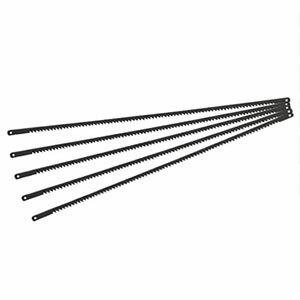
Keep spare metal cutting blades in the van. Once a hacksaw blade dulls or loses teeth, it stops cutting cleanly and turns a two minute trim into a proper nuisance.
2. Mitre Boxes
A mitre box helps when you need repeatable angle cuts in trim, moulding or small timber without dragging out bigger kit. It is a simple fix for wonky hand-cut corners.
3. Tool Pouches or Blade Guards
Chuck an unprotected saw in the van and the teeth soon get knocked about. Basic storage or a guard helps stop blades catching other tools and keeps the cut cleaner for longer.
Choose the Right Stanley Saws for the Job
Use this quick guide to sort the right saw before you start cutting.
| Your Job | Category or Type | Key Features |
|---|---|---|
| Cutting stud timber, battens and general wood on first fix | Stanley hand saw | Long blade, fast-cutting tooth pattern, good for straight rough site cuts |
| Trimming skirting, architrave and small joinery sections | Stanley tenon saw | Stiffer blade, finer teeth, better control for cleaner finishing cuts |
| Cutting plasterboard openings and awkward internal access points | Stanley jab saw | Pointed blade, easy plunge start, works well in tight spaces |
| Cutting threaded rod, conduit and light metal sections | Stanley hacksaw | Metal cutting blade, controlled strokes, suited to snagging and refit work |
| Shaping trim and coping internal moulded joints | Stanley coping saw | Narrow blade, turns easily, better for detail and curved work |
Common Buying and Usage Mistakes
- Buying one saw and expecting it to cover timber, trim and metal usually ends in rough cuts and blunt teeth. Match the saw type to the material so it cuts properly and lasts.
- Picking very coarse teeth for visible finish work saves a few seconds but leaves torn edges and more snagging. For laminate, trim and joinery, go finer and keep the cut clean.
- Using a wood saw on screws, brackets or hidden fixings wrecks the teeth fast. Check the cut line first and swap to a hacksaw if there is any chance of hitting metal.
- Letting saws bounce loose around the van knocks teeth out of line and dulls the blade before the next job. Store them properly or at least keep the teeth protected.
- Forcing the cut instead of letting the teeth do the work makes the saw wander and tires you out quicker. Start steady, keep the line visible and use full controlled strokes.
Hand Saws vs Tenon Saws vs Jab Saws
Stanley Hand Saw
This is the site all-rounder for timber, sheet and rough cut work. It is quicker over long cuts than smaller saws, but it is not the best choice where you need a really neat finish or tight access.
Stanley Tenon Saw
A tenon saw is better for controlled, accurate cuts in trim and joinery because the rigid back helps it track straight. It is not the one for deep cuts in thick timber, where a full hand saw will get through faster.
Stanley Jab Saw
Use a jab saw for plasterboard, cut-outs and awkward spots where a normal blade cannot start cleanly. It is handy, but it is a specialist tool, not a replacement for a proper wood saw on longer cuts.
Stanley Hacksaw
When the job is metal, this is the right answer. It handles conduit, bolts and threaded bar far better than any wood saw, but it is pointless for timber where the cut will be slow and cloggy.
Maintenance and Care
Keep Teeth Clean
Wipe off resin, plaster dust and damp site muck after use. A dirty blade drags more through the cut and can start rusting if it goes back in the van wet.
Store Them Properly
Do not leave saws loose under bags of fixings and other tools. Protect the teeth and keep blades flat so they are ready to cut straight next time.
Replace Worn Hacksaw Blades Early
A worn metal blade wastes time and slips more easily. If it is skating over the work or snagging badly, swap it out instead of fighting it.
Watch for Rust
If your saw lives in a damp van or lockup, give the blade a quick dry-down before storage. Light surface rust soon turns a decent cutter into a rough one.
Replace Hardpoint Saws When Dull
Most hardpoint blades are made to hold an edge well but not to be sharpened again. Once they stop cutting cleanly, replacing the saw is usually the sensible move.
Why Shop for Stanley Saws at ITS?
Whether you need a stanley hand saw for rough timber work, a stanley hacksaw for metal, or a stanley tenon saw for neater cuts, we stock the full Stanley saw range in one place. That means the blade types, tooth patterns and saw styles trades actually use, all held in our own warehouse and ready for next day delivery.
Stanley Saws FAQs
What saws does Stanley make?
Stanley makes the core hand saws most trades still use regularly, including general purpose hand saws, panel saws, tenon saws, jab saws, hacksaws and coping saws. The right one depends on whether you are cutting timber, trim, plasterboard or metal, so it is worth buying by job rather than just grabbing the cheapest blade.
What TPI hand saw should I use for cutting timber?
For rough timber cutting, lower TPI is usually the better bet because it cuts faster and clears waste better. If you are working on finer joinery, trim or laminate where the edge matters, go for a higher TPI stanley hand saw or tenon saw for a cleaner finish. Fast and neat are rarely the same thing, so pick what the job actually needs.
What is the difference between a rip saw and a crosscut saw?
A rip saw is meant for cutting along the grain of the timber, where the teeth act more like tiny chisels removing material as you go. A crosscut saw is designed for cutting across the grain, giving a cleaner finish on general timber cuts. If you mostly do mixed site work, a general purpose crosscut style is often the more useful everyday choice.
Can Stanley hardpoint saws be resharpened?
No, not in the normal practical site sense. Hardpoint teeth are hardened to stay sharp longer, but once they are spent, the usual answer is replacement rather than sharpening. That is fine for most trades because they hold up well, but do not buy one expecting to keep filing it back for years.
Which saw is best for cutting laminate flooring?
For laminate, you want a finer-toothed saw that gives you more control and less breakout on the face. A stanley tenon saw is often the safer hand-tool option for short, accurate cuts, while a coarse stanley hand saw can leave the edge rough and need more tidying than you want on fitting day.
Will a Stanley hacksaw do proper site work or is it just for light jobs?
It will handle normal site cutting jobs like threaded rod, conduit, brackets and light metal sections perfectly well, as long as the blade is fresh and suited to the material. It is not a replacement for bigger cutting kit on heavy steel, but for snagging, installs and refurbs it is a proper everyday tool.