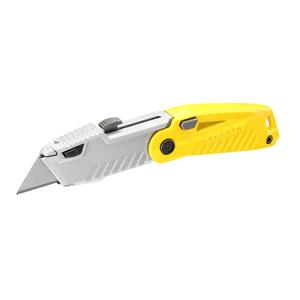
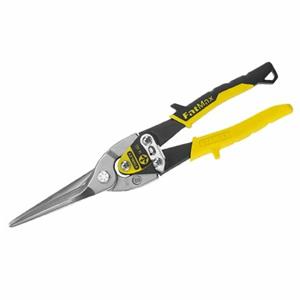
Stanley Cutting Tools
Stanley cutting tools are built for site trimming, slicing and snipping, from utility knives and blades to shears, snips and pliers that earn their keep.
When you're opening packs, trimming sheet, scoring board or cutting out awkward bits on the hop, this is the kit you reach for day in, day out. Stanley cutting tools are proper van staples because the knives lock up well, the blades are easy to swap, and the snips and shears stand up to regular site abuse. If you use a stanley knife more than once a day, buy the right one for the job and keep spare stanley blades handy.
What Are Stanley Cutting Tools Used For?
- Cutting plasterboard, insulation, roofing felt and packaging on first fix is where Stanley knives earn their keep, especially when you need a clean cut without dragging half the material with it.
- Snipping thin sheet metal, trunking edges and mesh on install and maintenance jobs is easier with Stanley snips that give you better control than trying to force a knife through it.
- Scoring laminate, vinyl, plaster skim edges and board faces before snapping saves time on fit-out work and helps keep cuts straighter with less breakout.
- Trimming sealants, tapes, membranes and awkward site materials during snagging and handover is quicker with a Stanley utility knife that opens fast and rides in the pocket all day.
- Gripping, pulling and cutting wire, ties and small fixings around the van, workshop or plant room is where Stanley pliers and cutters stop you reaching for the wrong tool.
Choosing the Right Stanley Cutting Tools
Sorting the right one is simple. Match it to the material and how often it lives in your hand.
1. Fixed Blade vs Retractable Knife
If you are doing heavier cutting through board, insulation or tougher site materials, a fixed blade stanley knife usually feels more solid. If it is in and out of your pocket all day for general trimming, a retractable blade knife is safer and quicker to live with.
2. Blade Type Matters More Than Most Think
Do not just buy any stanley blades and hope for the best. Straight blades suit general site trimming, while hook or specialist blades are better when you need controlled cuts in roofing felt, sheet or wrap without digging into what is underneath.
3. Snips Are Not All the Same
If you are cutting thin sheet metal regularly, buy proper Stanley snips rather than forcing a knife through it. For light trim and soft materials, shears are often quicker, but for sheet and mesh you want the right jaw style and enough leverage.
4. Buy for Daily Use, Not Just Price
If the tool only comes out now and then, a basic cutter will do. If you use a stanley utility knife every day, pay attention to handle grip, blade change speed and onboard blade storage because that is what makes the difference by Friday afternoon.
Who Uses These on Site?
- Sparkies keep a stanley knife and compact cutters close by for stripping back packaging, trimming insulation and sorting cable accessories during first and second fix.
- Dryliners and chippies swear by Stanley cutting tools for scoring board, trimming sheet material and making fast, tidy cuts without hauling out a bigger saw for every little job.
- Roofers and landscapers use Stanley knives and shears for cutting membranes, weed control fabric, felt and other roll materials that need controlling properly in the wind.
- HVAC fitters, plumbers and maintenance teams reach for Stanley snips and pliers when working with light sheet, clips, tapes and stubborn bits in tight cupboards and plant spaces.
Stanley Knife Accessories That Keep You Working
A decent knife is only half the story. These are the extras that stop wasted trips back to the van and blunt-cut misery.
1. Spare Stanley Blades
This is the obvious one, but lads still get caught out. A fresh blade cuts cleaner, slips less and saves you hacking at plasterboard, wrap or insulation with something that should have been changed hours ago.
2. Blade Dispensers and Storage
Keep spare blades dry, tidy and where you can find them. A proper dispenser stops loose blades ending up in the bottom of the bag or rolling round the van waiting to slice a hand.
3. Holsters and Pouches
If your stanley knife is always in use, a belt pouch stops the usual pocket shuffle and means the tool goes back to the same place every time, especially handy up steps or moving room to room.
Choose the Right Stanley Cutting Tools for the Job
Use this quick guide to sort the right cutter before you waste time with the wrong one.
| Your Job | Category or Type | Key Features |
|---|---|---|
| Daily trimming of plasterboard, insulation and packaging | Retractable Stanley knife | Fast one handed use, safer pocket carry, quick blade access |
| Heavier scoring and tougher material cutting | Fixed blade Stanley knife | More rigid feel, stronger under pressure, better control on hard pulls |
| Cutting sheet metal, mesh and light trims | Stanley snips | Proper metal cutting jaws, leverage, cleaner cuts than a knife |
| Cutting membranes, felt, wrap and softer roll materials | Stanley shears or specialist blade knife | Controlled cut, less snagging, easier handling on flexible material |
| Pulling, gripping and cutting wire or small fixings | Stanley pliers and cutters | Better grip, cleaner nips, more control in tight working areas |
Common Buying and Usage Mistakes
- Buying a basic stanley knife for constant heavy cutting usually ends in flex, rough cuts and tired hands. If it is a daily tool, choose a stronger handle and quicker blade change setup.
- Using blunt stanley blades far too long is one of the biggest site mistakes because you end up forcing the cut and increasing the chance of slips. Change the blade early and the tool works properly again.
- Trying to cut sheet metal with a utility knife instead of Stanley snips ruins blades and gives poor control. Use the proper snips for metal and keep the knife for scoring and trimming jobs.
- Assuming all blades fit all knives catches plenty of buyers out. Check the blade pattern and knife design first, especially if you are topping up blades for older tools already in the van.
- Chuck used blades loose in a pocket, bucket or van tray and you will regret it sooner or later. Store them safely and dispose of them in a proper sharps or sealed blade container.
Fixed Blade Knives vs Retractable Knives vs Snips
Fixed Blade Knives
Best when you need a stronger, steadier cut through tougher material like dense insulation, plasterboard and heavier site wrap. They feel more planted in the hand, but they are less convenient for quick pocket-safe carry.
Retractable Knives
These are the everyday all-rounders for opening, trimming, scoring and general snagging work. They are quicker and safer to carry about site, but they can feel less rigid than fixed blade models when you really lean on them.
Snips
If the job involves thin sheet metal, mesh or metal trim, buy snips and be done with it. They give cleaner cuts and far better control than any stanley knife, though they are no use for board scoring or general slicing work.
Maintenance and Care
Change Blades Before They Fight Back
If a stanley knife starts dragging, tearing or slipping, the blade is done. Swap it out straight away rather than forcing cuts and risking damage to the material or your hand.
Keep Hinges and Slides Clean
Dust, adhesive and plaster muck build up quickly around moving knife parts and snip pivots. Wipe them down after use so locks, sliders and jaws keep working smoothly.
Store Blades Properly
Keep spare stanley blades in a dispenser or case, not loose in the toolbox. It stops rust, stops lost blades, and stops you grabbing one the wrong way when you are in a rush.
Check Snips and Pliers for Damage
If the jaws are chipped, loose or misaligned, the tool will start folding material instead of cutting it cleanly. Tighten, clean or replace as needed rather than making every cut harder work.
Dry Them Off Before They Go Back in the Van
Wet blades and metal tools left in a cold van soon pick up rust and grime. Give them a quick wipe before storage, especially after outside work in rain or damp conditions.
Why Shop for Stanley Cutting Tools at ITS?
Whether you need a simple stanley knife, spare stanley blades, site snips, shears or pliers, we stock the full Stanley cutting tool range in one place. It is all held in our own warehouse, ready for fast next day delivery, so you can get the right kit ordered today and on site tomorrow.
Stanley Cutting Tools FAQs
What cutting tools does Stanley make?
Stanley makes a broad mix of site cutting kit including stanley knives, stanley blades, utility knives, cutters, snips, shears and pliers. In plain terms, that covers everything from opening packs and scoring board to trimming sheet and cutting lighter metal materials on site.
Are Stanley blades interchangeable between knife models?
Some are, some are not, so do not assume. A lot of Stanley knives take standard utility blades, but certain models use specific blade shapes or loading systems, so always check the knife details before topping up or replacing blades.
What is the difference between a fixed and retractable blade knife?
A fixed blade knife is usually stronger and feels more solid for heavier cutting and hard scoring. A retractable blade knife is better for general day to day use because it is quicker to pocket, safer when moving round site, and easier for fast repeat cuts.
How should used Stanley blades be disposed of?
Do not leave used blades loose in the van, bin or tool bag. The right way is to store them in a proper blade disposal container or another sealed sharps-safe holder before putting them into the correct waste stream for your site or workshop.
Are Stanley snips suitable for cutting sheet metal?
Yes, for thin sheet metal and similar lighter gauge materials they are exactly what you want. Just match the snip type to the thickness and style of cut, because trying to push beyond that will make the job harder and wear the tool out faster.
Will a stanley knife hold up to daily site use?
Yes, if you buy the right model for the workload. Stanley knives are proper trade staples, but like any cutting tool they last longer when the blade is changed regularly and the handle is not being used as a pry bar.