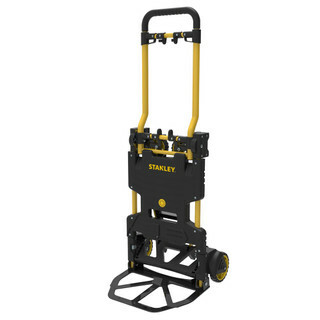
Stanley More Hand Tools
Stanley specialist hand tools cover the odd jobs standard kit does not sort, from fixing trim and setting nails to scraping back surfaces and quick site repairs.
When you're snagging, fitting off, or dealing with the fiddly jobs that slow a day down, Stanley trade hand tools are the bits worth having to hand. This part of the Stanley hand tools range covers riveters, nail punches, sharpening tools, staple guns, scrapers and other workshop and site essentials that earn their keep on refurbs, fit-outs and van stock-up jobs. If you need practical kit for the awkward jobs, start here and pick the tools you'll actually use.
What Are Stanley Specialist Hand Tools Used For?
- Setting lost-head nails below the timber face with a Stanley nail punch makes filling and finishing easier on second fix joinery, skirting and trim work.
- Scraping back old paint, sealant, adhesive and site mess with a Stanley scraper saves time on refurbs, window prep and cleaning surfaces before redecoration.
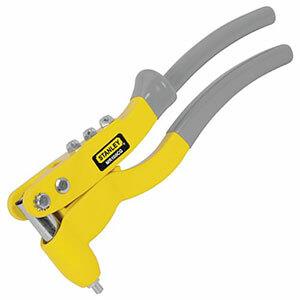
- Fixing thin sheet material, brackets and repair plates with a Stanley riveter gives you a solid mechanical fixing where screws are no good or access is tight.
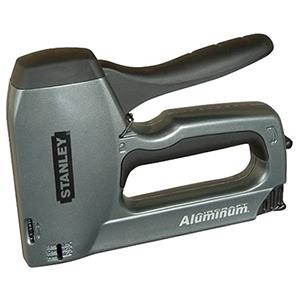
- Stapling membrane, insulation, fabric and light sheet materials with a Stanley staple gun speeds up repetitive fixing jobs in roofing, upholstery and general fit-out work.
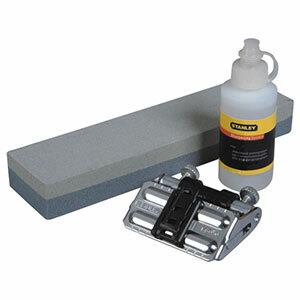
- Touching up edges on blades and cutting tools with Stanley sharpening tools helps keep site kit working properly instead of tearing material or dragging through cuts.
Choosing the Right Stanley Specialist Hand Tools
Sorting the right one is simple: buy for the actual job in front of you, not just because it might come in handy one day.
1. Match the Tool to the Fixing or Finish
If you are setting nails for filling and paint, get a proper Stanley nail punch. If you are fastening thin metal or sheet where a screw head will foul, go with a Stanley riveter. Using the wrong bit of kit usually means marked surfaces, weak fixings or wasted time.
2. Think About How Often It Will Be Used
If it is for occasional snagging, a simple hand tool will do the job fine. If you are stapling, scraping or riveting day in day out, buy the tougher Stanley trade hand tools with a shape and build that will not punish your hand by mid-afternoon.
3. Check the Material You Are Working On
Scrapers, staple guns and sharpening tools all behave differently depending on whether you are working on timber, soft sheet, painted surfaces or metal edges. If the surface marks easily, choose a tool that gives you more control rather than just more force.
4. Do Not Ignore Refill and Accessory Needs
Before you buy a staple gun, riveter or scraper, check the Stanley hand tool accessories you will need alongside it. There is no point turning up with the tool and then finding you have no staples, rivets or replacement blades to finish the job.
Who Uses These on Site?
- Chippies keep Stanley specialist hand tools in the bag for second fix and snagging, especially nail punches and scrapers when trims need finishing properly.
- Roofers and insulation fitters reach for Stanley staple guns when they need to fix felt, membrane or sheet material quickly without messing about.
- Decorators and maintenance teams use Stanley scrapers and sharpening tools to prep tired surfaces, clean back old filler or keep blades cutting clean through the day.
- Metalworkers, shopfitters and van fit-out teams rely on a Stanley riveter for fastening panels, brackets and light gauge materials where the back of the fixing is hard to reach.
- General builders and site maintenance crews rate Stanley trade hand tools because these are the bits that sort the smaller awkward jobs without a trip back to the van.
Stanley Hand Tool Accessories That Keep the Job Moving
A few sensible extras stop downtime and save you trying to stretch one tool further than it should go.
1. Staples and Rivets
If you are running a Stanley staple gun or Stanley riveter, keep the right consumables in the van. It saves the usual headache of getting halfway through felt, trim or panel work and then having to stop because you are out of the one size that fits.
2. Replacement Scraper Blades
A fresh blade makes a big difference when you are stripping paint, adhesive or sealant. Carry spares so you are not forcing a blunt edge and gouging the surface you are meant to be cleaning up.
3. Sharpening Stones and Files
If you are already using Stanley sharpening tools, proper stones or files help keep knives, chisels and cutters working as they should instead of tearing through material and making more work for yourself.
Choose the Right Stanley Specialist Hand Tools for the Job
Use this quick guide to sort the right tool before you load the van.
| Your Job | Stanley Tool Type | Key Features |
|---|---|---|
| Setting nail heads below the surface on trim or skirting | Nail Punch | Controlled striking, clean countersinking, less damage to finished timber |
| Removing old paint, filler, adhesive or sealant | Scraper | Replaceable blades, comfortable grip, better control on surface prep |
| Fastening sheet material or light metal where screws are awkward | Riveter | Strong blind fixing, good for tight access, handy for repair and fit-out work |
| Fixing membrane, felt, insulation or fabric quickly | Staple Gun | Fast repeat fixing, suits light sheet materials, less faff than pins or tacks |
| Keeping blades and cutters working cleanly on site | Sharpening Tools | Restores edges, extends tool life, helps avoid ragged cuts and extra force |
Common Buying and Usage Mistakes
- Buying a general scraper for fine finish work can leave gouges and extra making-good. Match the blade and scraper style to the surface if you want a tidy result.
- Using a nail punch that is too large for the fixing marks the timber around the head. Pick the right size so the punch drives the nail cleanly without bruising the face.
- Forgetting consumables is the classic one with staple guns and riveters. Check staple sizes, rivet sizes and stock levels before the job so the tool is not dead weight in the bag.
- Trying to work with blunt scraper blades or neglected sharpening gear just slows everything down. Change blades or dress the edge properly instead of forcing it.
- Assuming all misc hand tools will handle full-time site use can be a false economy. If the tool is for daily trade work, choose Stanley trade hand tools built for regular graft rather than light occasional use.
Nail Punch vs Scraper vs Staple Gun
Nail Punch
Best for second fix timber work where nail heads need sinking cleanly for filler and paint. It does one job, but it does it properly. If you are fitting skirting, architrave or trims, this is the right bit of kit.
Scraper
Best for prep and clean-up jobs on refurbs, decorating and maintenance. It removes old material quickly, but blade choice matters if you do not want to mark the surface underneath.
Staple Gun
Best where speed matters and the material is light enough to staple securely. Good for membranes, felt and fabric, but it is not a substitute for proper mechanical fixings on structural jobs.
Riveter
Best for fixing thin sheet and light metal components when you cannot get behind the work. Slower than stapling, but gives a far stronger fixing where screws are awkward or likely to work loose.
Maintenance and Care
Clean Off Site Dirt After Use
Wipe down Stanley hand tools after dusty, wet or adhesive-heavy jobs. Leaving muck on moving parts or edges only shortens tool life and makes the next job harder than it needs to be.
Replace Blades Before They Start Tearing
Scrapers work best with a sharp edge. If the blade is dragging, skipping or marking the surface, swap it out straight away rather than trying to squeeze another hour from it.
Keep Moving Parts Lightly Lubricated
On riveters and staple guns, a small amount of suitable lubricant on moving joints helps keep the action smooth. Do not overdo it or you will only attract more grit.
Store Small Tools Together
Nail punches, scraper blades and sharpening bits are easy to lose at the bottom of the box. Keep them in a dedicated pouch or organiser so they are there when the snagging starts.
Replace Bent or Worn Consumable Parts
Do not keep fighting with worn staples, damaged rivet noses or chipped scraper blades. If the working end is past it, replace the part and save yourself poor results and unnecessary strain.
Why Shop for Stanley Specialist Hand Tools at ITS?
Whether you need a Stanley riveter, Stanley nail punch, Stanley scraper, Stanley staple gun or other Stanley specialist hand tools for snagging, fitting and site repairs, we stock the range in depth. That means the Stanley trade hand tools and accessories trades actually use, all held in our own warehouse and ready for next day delivery.
Stanley Specialist Hand Tools FAQs
What other hand tools does Stanley make?
Stanley makes a broad range of hand tools beyond the standard hammers and tape measures. In this part of the range you are looking at specialist bits like riveters, nail punches, sharpening tools, staple guns, scrapers and other job-specific tools that deal with fiddly site work, repairs and finishing jobs.
Are Stanley hand tools guaranteed for life?
Some Stanley hand tools are covered by a lifetime guarantee, but it is not a blanket rule for every product in every category. Always check the individual product details before you buy, especially on tools with moving parts, consumables or wear items, as the cover can differ.
What is a nail punch used for?
A nail punch is used to drive the head of a nail just below the timber surface without smashing the surrounding face with your hammer. It is standard kit for second fix work like skirting, architrave and trim, where you want a neat finish ready for filler and paint.
Which Stanley hand tools are most popular with tradespeople?
It depends on the trade, but scrapers, staple guns, nail punches and riveters are the usual favourites in the specialist range. Chippies lean towards nail punches and scrapers, while roofers, fitters and maintenance teams get plenty of use from staple guns and riveters.
Are Stanley hand tools suitable for daily professional use?
Yes, plenty of Stanley trade tools are built for proper day-to-day use and have been standard van stock for years. Just be honest about the workload. If the tool is going to be used constantly on site, choose the model designed for regular trade use and keep on top of blades, staples or other wearing parts.