Stanley Load Carrying & Weight Bearing
Stanley load carrying equipment helps shift heavy boards, doors, plasterboard and site gear with less strain and better control on the job.
When you're moving awkward sheet material or lifting doors to hang them square, the right bit of Stanley material handling kit saves your back and speeds the job up. This range covers Stanley hand truck, panel carrier, door lifter and other Stanley lifting tools built for refurbs, fit-outs and daily site graft. Pick the right load carrying equipment for the weight, shape and access, then get stuck in.
What Is Stanley Load Carrying Equipment Used For?
- Shifting plasterboard, sheet timber and large panels from the van to the work area is far easier with Stanley material handling kit that gives you a safer grip and better balance.
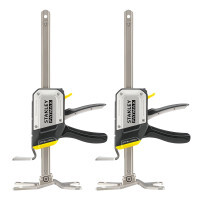
- Lifting and tweaking internal doors during fitting is exactly where a Stanley door lifter earns its keep, especially when you need both hands free to line up hinges and clear floor coverings.
- Moving toolboxes, materials and heavy site supplies across workshops, stores and refurbs is what a Stanley hand truck or Stanley sack truck is built for, without dragging loads and wrecking your back.
- Carrying wide boards, worktops or sheet goods through tight hallways and stairwells is more manageable with a Stanley panel carrier or Stanley board carrier that keeps the load under control.
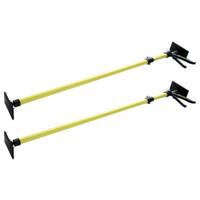
- Handling plasterboard on ceilings and partition jobs is where a Stanley drywall lift helps, taking the dead weight while you fix off cleanly and work more accurately.
Choosing the Right Stanley Load Carrying Equipment
Match it to the load first. If the weight, shape or route is wrong for the tool, you will know about it halfway through the job.
1. Hand Truck or Sack Truck for Bulk Moves
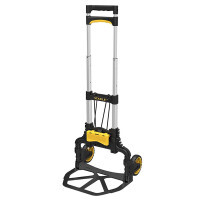
If you are moving stacked boxes, site gear or bagged materials over distance, go for a Stanley hand truck or Stanley sack truck with the capacity to spare. Do not buy right on the limit, because rough ground, kerbs and repeated runs soon show up a light-duty trolley.
2. Panel Carrier for Awkward Sheets
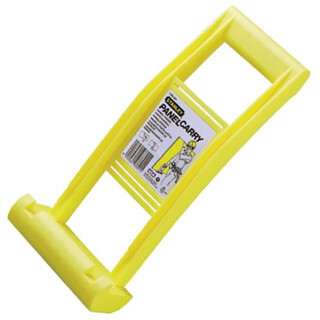
If the job is plasterboard, ply, MDF or worktop panels, a Stanley panel carrier or Stanley board carrier is the better shout than trying to hug the sheet and shuffle sideways. It gives you a proper grip lower down and takes strain off your hands and forearms.
3. Door Lifter for Fitting Work
If you are hanging doors, use a Stanley door lifter rather than packing offcuts underneath and hoping for the best. You get finer height adjustment, less chance of marking finished floors, and far less faff when working on your own.
4. Drywall Lift for Repetitive Board Fixing
If you are boarding ceilings or doing full drylining runs, a Stanley drywall lift makes more sense than relying on extra hands all day. For one patch repair, fair enough, but for repeated full sheets overhead, get the lift and save time and shoulders.
Who Uses These on Site?
- Chippies use this sort of kit when hanging doors, moving sheets and carrying boards into plots, because it cuts the wrestling and helps keep finishes clean.
- Dryliners and partitioning crews swear by Stanley lifting tools for getting plasterboard into position without wasting time or burning through the lads before lunch.
- Builders and labourers reach for Stanley hand truck and Stanley sack truck options when materials need moving from delivery point to work area without endless hand-balling.
- Kitchen fitters and shopfitters use panel carriers and door lifters to handle awkward boards, end panels and doors in tight finished spaces where knocks cost money.
- Maintenance teams and caretakers keep this type of load carrying equipment handy for routine moves, deliveries and one-off lifting jobs that do not justify larger plant.
The Basics: Understanding Load Carrying Equipment
This kit is not all doing the same job. The main thing is whether you are wheeling a load, gripping a sheet, or lifting it into position for fixing.
1. Trucks Move Weight Across Site
A Stanley hand truck or sack truck takes the load onto wheels so you are pushing or pulling rather than carrying. That matters when the route is long, the load is dense, or you are doing repeated runs from van to job.
2. Carriers Help You Grip Awkward Materials
A Stanley panel carrier or board carrier does not lift for you, it gives you a safer, lower grip on sheet material so the board balances better and is less likely to swing into walls, frames or your knees.
3. Lifters Hold the Load in Working Position
A Stanley door lifter or drywall lift is there to raise the material into place and hold it while you line up, pack, fix or adjust. That means less guesswork, less strain and cleaner fitting when accuracy matters.
Choose the Right Stanley Load Carrying Equipment for the Job
Use this quick guide to match the tool to the load and the job in front of you.
| Your Job | Category or Type | Key Features |
|---|---|---|
| Moving boxes, site kit and dense materials from van to work area | Stanley hand truck | Wheeled transport, rated load capacity, stable base plate, easier long runs |
| Shifting loads around stores, yards and refurbs with repeated trips | Stanley sack truck | Good manoeuvrability, stronger frame, built for regular handling work |
| Carrying plasterboard, ply, MDF and sheet material by hand | Stanley panel carrier | Secure grip, better balance, less hand strain, safer through tight access |
| Hanging internal doors and adjusting height during fitting | Stanley door lifter | Controlled lift, hands free alignment, reduced floor marking, better accuracy |
| Boarding ceilings or positioning full plasterboard sheets | Stanley drywall lift | Supports full sheet weight, overhead positioning, steadier fixing, less fatigue |
Common Buying and Usage Mistakes
- Buying purely on stated capacity and ignoring the shape of the load causes grief fast. A hand truck that copes with boxed goods may be the wrong answer for wide sheet material, so match the tool to both weight and format.
- Using a panel carrier for damaged or badly unbalanced sheets can lead to slips and knocked finishes. Check the board condition and centre of weight before committing to the lift.
- Trying to hang doors with wedges and scraps instead of a proper door lifter wastes time and often scuffs the bottom edge or floor. Use the right lifting tool if you want cleaner fitting and easier adjustments.
- Forgetting about the route is a classic error. Stairs, thresholds, gravel and tight turns can make a perfectly suitable trolley a pain to use, so think through access before ordering.
- Running lifting kit right at its limit all the time shortens its life and makes the job less safe. Leave yourself a margin, especially on repeated site use and awkward lifts.
Hand Trucks vs Panel Carriers vs Door Lifters
Stanley Hand Truck
Best when the main problem is weight over distance. If you are moving stacked gear, boxes or supplies across site, this is the one. It falls short on wide sheet material where grip and balance matter more than wheels.
Stanley Panel Carrier
Best for one or two people moving plasterboard, ply or MDF through buildings without smashing corners and knuckles. It is not for long wheeled transport or for holding material in place while you fix it.
Stanley Door Lifter
Best for door hanging and fine adjustment at floor level. It gives controlled lift where you need accuracy. It will not replace a trolley for moving stock around site or a carrier for long boards.
Stanley Drywall Lift
Best for getting full plasterboard sheets up overhead and holding them there while you fix off. It takes the strain out of repetitive boarding, but it is more specialist and takes up more room than simpler carrying kit.
Maintenance and Care
Clean Off Dust and Grit
Wipe down frames, contact faces and moving parts after use, especially after plasterboard and site dust. Grit in pivots, wheels or clamps soon makes the tool rougher and harder to control.
Check Wheels and Moving Parts
On Stanley hand truck and sack truck models, keep an eye on wheel wear, axle condition and any looseness in folding sections. A wobbly wheel is not just annoying, it makes loaded moves less safe.
Store It Dry
Do not leave load carrying equipment buried in the back of a wet van for weeks. Dry storage helps stop corrosion on metal parts and keeps handles, grips and pads in better nick.
Inspect Contact Points
Check any surface that touches finished doors, boards or plasterboard. Worn pads, sharp burrs or bent edges can mark materials and turn a simple carry into a snagging job.
Replace When It Stops Holding True
If a carrier no longer grips properly, a lifter will not adjust cleanly, or a truck frame has taken a knock and no longer tracks straight, retire it. These are control tools as much as lifting tools.
Why Shop for Stanley Load Carrying Equipment at ITS?
Whether you need a Stanley hand truck for daily material moves, a panel carrier for sheet goods, or a door lifter for fitting work, we stock the proper range in one place. It is all held in our own warehouse, ready for fast next day delivery, so you can get the right Stanley material handling kit on site without hanging about.
Stanley Load Carrying Equipment FAQs
What load carrying equipment does Stanley make?
Stanley makes a practical spread of load carrying and lifting gear for site and workshop use, including hand trucks, sack trucks, panel carriers, board carriers, door lifters and drywall lifts. The point of it is simple. Move awkward or heavy materials with more control and less strain.
What weight can a Stanley hand truck carry?
It depends on the exact model, so always check the rated capacity on the product you are buying. Be honest about the real job as well, because a trolley that is fine on flat concrete with boxed stock can feel very different on thresholds, ramps or rough ground.
What is a door lifter used for?
A door lifter is used to raise and hold a door at the right height while you line it up, pack it, and fix hinges. It saves the usual messing about with wedges and offcuts and makes it much easier to work accurately, especially on your own.
Is a panel carrier a one-person tool?
Often, yes, for manageable sheet sizes and weights. A panel carrier gives one person a far better grip on boards like ply, MDF or plasterboard, but the material still has to be handled safely. On larger, heavier or more awkward sheets, two people is still the sensible call.
Do drywall lifts need two people to operate?
Not always. A drywall lift is designed to let one person raise and hold plasterboard for fixing, which is the whole point of it. That said, on busy sites or with awkward access, a second pair of hands still helps when loading large sheets onto the lift safely.
Is Stanley load carrying equipment just for building sites?
No. It is just as useful in workshops, stores, schools, maintenance departments and delivery areas. Anywhere you are regularly moving doors, boards, stock or bulky kit, proper Stanley material handling gear saves effort and cuts the chance of damaging what you are carrying.