Stanley Lasers, Detectors & Digital Measures
Stanley laser levels and detectors help you set out straight, find hidden services, and measure up fast without second-guessing walls, floors, or fixings.
When you're marking out kitchens, dotting sockets, checking levels or hunting studs before you drill, this is the kit that saves rework. A Stanley laser level gives you clean reference lines, while Stanley detectors, stud finders and laser measures help you work quicker and avoid nasty surprises. If you're sorting first fix, fit-out or snagging, pick the right Stanley laser tools and get on with the job.
What Are Stanley Laser Levels and Detectors Used For?
- Setting out kitchen units, dado rails, trunking and shelving is quicker with a Stanley laser level because you get a clear line across the wall instead of measuring off the floor every time.
- Checking stud walls and solid backgrounds before drilling helps avoid wasted fixings, and a Stanley detector or Stanley stud finder is the bit of kit you want when you need to know what is behind the board.
- Measuring room sizes, floor areas and long runs for first fix is far faster with a Stanley laser measure or Stanley digital measure than dragging a tape across empty plots or occupied rooms.
- Levelling out pipe clips, cable runs and partition lines during fit-out is easier with Stanley laser tools because they give repeatable reference points when more than one trade is working in the same space.
- Snagging doors, floors, frames and installed units at the end of a job is simpler when a Stanley laser distance measurer lets you check dimensions and clearances without guessing or remeasuring by hand.
Choosing the Right Stanley Laser Levels and Detectors
Sorting the right one is simple. Match it to the job in front of you, not the fanciest spec on the box.
1. Laser Level or Laser Measure
If you need a straight reference line across a wall, floor or room, buy a Stanley laser level. If you need to price jobs, check room sizes or measure long distances on your own, go for a Stanley laser measure or Stanley digital measure instead. They do different jobs, so do not mix them up.
2. Crossline for Indoors, Bigger Coverage for Larger Set Outs
If you are fitting kitchens, setting sockets or levelling battens in rooms, a Stanley crossline laser is usually the sensible choice. If you are working across bigger spaces or need wider coverage, look for models designed to throw lines clearly over longer distances.
3. Basic Detector or Multi Detector
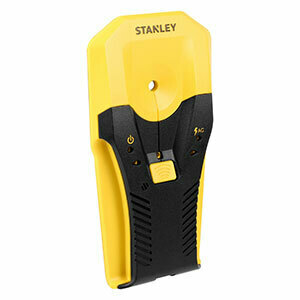
If you only need to find timber studs behind plasterboard now and then, a Stanley stud finder will do the job. If you are drilling into mixed walls on refurbs and need to check for metal or live cable as well, a Stanley multi detector makes far more sense.
4. Think About the Working Environment
If the tool is living in the van and coming out daily, buy for clear controls, quick setup and a case if included. For occasional snagging and measure-up work, a simpler Stanley detector or Stanley laser distance measurer is often enough without overbuying.
Who Uses These on Site?
- Sparkies use a Stanley laser level for setting socket lines, trunking and conduit runs, and keep a Stanley detector handy before chasing or drilling into walls they did not build.
- Kitchen fitters and chippies rely on Stanley crossline laser models when lining up units, worktops, battens and shelves where a few millimetres out at the start turns into a headache by the last cabinet.
- Plumbers and heating engineers use Stanley laser tools to keep clip runs, radiators and pipe centres neat, especially on refurbs where floors and walls are rarely as straight as they should be.
- Dryliners, decorators and maintenance teams reach for Stanley laser measures and digital measures when pricing, cutting in, planning repairs or checking room sizes without wrestling with a long tape on their own.
- General builders and snagging teams use a Stanley multi detector before drilling and fixing because it is quicker to check once than patch a cable strike or damaged pipe later.
The Basics: Understanding Stanley Laser Levels and Detectors
These tools do different jobs on site. One gives you a straight reference to work from, the other tells you what is behind the surface or how far a space really is.
1. Laser Levels Give You a Working Line
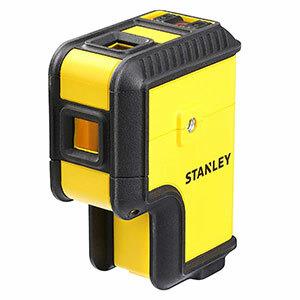
A Stanley laser level projects a level line across the area you are working on. That means less marking out by hand and fewer errors when fitting units, running cable, fixing brackets or setting out partitions.
2. Laser Measures Replace Long Tape Runs
A Stanley laser measure or Stanley laser distance measurer fires a point to a target and calculates the distance back. It is ideal for room sizes, ceiling heights and long internal runs where a tape bends, snags or needs a second pair of hands.
3. Detectors Help You Drill with Less Risk
A Stanley detector scans the wall to pick up studs, metal or, on suitable models, live cable. On site, that means fewer bad holes, less patching and a much better chance of avoiding hidden services before the drill goes in.
Accessories That Make Stanley Laser Tools More Useful
A few sensible add-ons make setup quicker, measurements cleaner and the kit less of a faff to use day to day.
1. Tripods
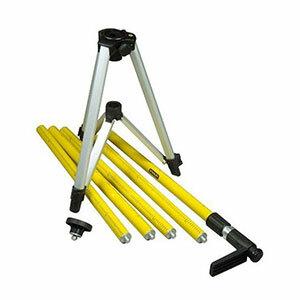
A tripod saves you balancing a laser on paint tins, offcuts or whatever is lying about. You get a steadier setup, easier height adjustment and fewer knocked lines halfway through setting out.
2. Laser Target Plates
A target plate helps you pick up the beam more clearly, especially across brighter rooms or longer distances. Handy when the line is there, but your eye is struggling to catch it cleanly.
3. Spare Batteries
Spare batteries are a no-brainer if the laser or detector is used regularly. You do not want the tool dying mid set-out or halfway through a measure-up when the room is already full of other trades.
4. Protective Cases and Pouches
Keep the lenses, screens and sensors protected in the van. These tools stay accurate longer if they are not bouncing around loose with drill bits, screws and the rest of the daily mess.
Choose the Right Stanley Laser Levels and Detectors for the Job
Use this quick guide to narrow down the type you actually need.
| Your Job | Category or Type | Key Features |
|---|---|---|
| Setting out sockets, shelves, battens or kitchen units indoors | Stanley crossline laser | Level horizontal and vertical lines, quick room setup, clear wall reference |
| Measuring room sizes, floor area or long internal distances on your own | Stanley laser measure | Fast distance readings, one person use, easier than pulling a tape end to end |
| Checking plasterboard walls before fixing into them | Stanley stud finder | Locates studs behind board, helps place fixings properly, reduces wasted holes |
| Working on refurbs where you need to check for more than timber | Stanley multi detector | Scans for studs, metal and live cable on suitable models, better for mixed backgrounds |
| Snagging, pricing and checking fitted dimensions | Stanley digital measure | Quick readouts, tidy repeat measurements, useful for short lists and final checks |
Common Buying and Usage Mistakes
- Buying a Stanley laser measure when you actually need a Stanley laser level is a common one. A measure gives distance, not a line to work from, so make sure you are buying for set-out or measuring, not both by accident.
- Using a basic stud finder on a wall where you also need to check for cable or metal can catch you out. If you are drilling into refurb walls, choose a Stanley multi detector and check the wall properly before you commit.
- Assuming every wall or floor is true and trusting the surface instead of the tool wastes time. Set the laser correctly, confirm your reference, and do not build your whole line off one wonky corner.
- Throwing laser tools loose in the van shortens their life fast. Lenses get scratched, screens get knocked and accuracy can suffer, so keep them cased and stored properly between jobs.
- Ignoring battery life until the middle of the task is asking for grief. Keep spare batteries in the bag, especially if the Stanley detector or laser level is part of your daily setup work.
Laser Levels vs Laser Measures vs Detectors
Stanley Laser Level
Best when you need a straight, level reference across a wall, room or work area. Buy this for fitting, lining through and setting out. It will not replace a detector, and it is not the quickest way to take room dimensions.
Stanley Laser Measure
Best for fast distance readings, measure-up work and pricing jobs on your own. It is quicker than a tape for long runs, but it does not project a line to work from when fitting units or marking level points.
Stanley Stud Finder or Detector
Best for checking what is behind the wall before drilling or fixing. This is the safe choice for locating studs, metal or live cable on suitable models, but it is not a layout tool and it will not measure a room for you.
Maintenance and Care
Keep the Lens and Screen Clean
Dust and fingerprints make beams harder to see and screens harder to read. Wipe lenses and displays with a soft cloth after use, especially after dusty first fix or sanding work nearby.
Store Them in a Case
Laser levels, detectors and digital measures do not enjoy being buried under hand tools in the van. Keep them cased so sensors, housings and buttons are not taking pointless knocks all week.
Check Accuracy Regularly
If a laser has had a drop or a hard knock, check it before trusting it on a full install. A quick test against a known line or level point is far better than finding out after the units are on the wall.
Look After Batteries
Remove old batteries if the tool is sitting unused for a while, and keep fresh ones ready for working days. Weak batteries can mean dim beams, patchy readings or wasted time fault finding a tool that just needs power.
Replace Worn Kit Before It Costs You Time
If buttons stop responding, screens are unreadable or the detector gives inconsistent scans, do not keep fighting it. Measuring and set-out tools need to be trustworthy, otherwise they cost more in errors than replacement ever will.
Why Shop for Stanley Laser Levels and Detectors at ITS?
Whether you need a Stanley laser level for setting out, a Stanley detector for safer drilling, or a Stanley laser measure for quick room dimensions, we stock the full range in one place. From crossline lasers and stud finders to digital measures and multi detectors, it is all in our own warehouse and ready for next day delivery.
Stanley Laser Levels and Detectors FAQs
What is the difference between a laser level and a laser measure?
A laser level throws a straight level or plumb line for setting out work like units, sockets, rails or partitions. A laser measure gives you distance readings between two points. In simple terms, one helps you line things up, the other helps you size things up.
How accurate are Stanley laser levels?
They are built for proper site and fit-out work, with accuracy depending on the model and working distance. For normal indoor set-out, a Stanley laser level is more than accurate enough for kitchens, first fix, shelves and general install work, provided it is set up right and has not been knocked about.
Can a Stanley stud detector find live cables?
Some Stanley detector models can pick up live AC cables, but not every stud finder does the same job. Check the product spec before you buy. If you are working on refurb walls and want more than basic stud location, go for a Stanley multi detector rather than the simplest model.
Do Stanley lasers need calibrating?
They do not need constant faff, but they do need checking if they have been dropped, knocked hard or used heavily over time. A quick accuracy check before an important set-out is common sense. If readings or lines look off, stop and sort it before you build bad work from a bad reference.
Which laser class are Stanley laser levels?
Most Stanley laser levels for site and interior layout work fall into the common visible laser classes used on trade tools, but you should always check the exact model listing for the class rating. That is the right place to confirm safety information, output details and any handling guidance.
Are Stanley laser measures any good for quoting and snagging work?
Yes, that is one of the main reasons lads buy them. A Stanley laser distance measurer is ideal for quick room sizes, ceiling heights, repeat dimensions and final checks when you are working alone and do not want to keep dragging out a long tape.
Will a Stanley detector work through plasterboard and skim?
Yes, that is standard use for this sort of kit, though depth and material type matter. On straightforward plasterboard walls, a Stanley stud finder should help locate studs cleanly. On older walls or mixed backgrounds, readings can vary, so scan slowly and confirm before drilling.