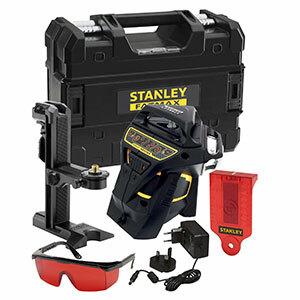
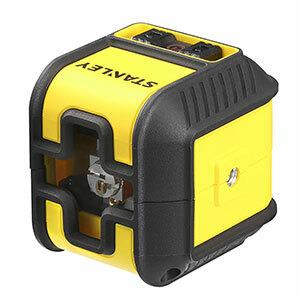
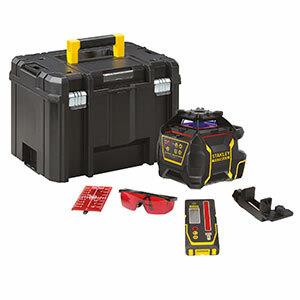
Stanley Laser Levels
Stanley laser level kit saves time on set-out, keeping lines true for studwork, kitchens, ceilings and first fix without constant marking, checking and rechecking.
When you're lining up battens, sockets, cabinets or ceiling runs, a decent stanley laser level stops the usual faff of pencil marks drifting out. Stanley and stanley fatmax laser level models are built for real site use, with self levelling options, clear beam choices and kits that make set-out quicker. Pick the right laser level stanley setup here and get the job moving.
What Are Stanley Laser Levels Used For?
- Setting out stud walls, door linings and first fix runs is far quicker with a stanley crossline laser projecting clean level and plumb lines across the room.
- Fitting kitchens, worktops and wall units goes smoother when a stanley laser level keeps every bracket and cabinet on the same line without constant tape checks.
- Installing suspended ceilings, dado rails and long trim runs is where a stanley 360 laser level earns its keep, especially when you need one reference line right round the space.
- Working on extensions, landscaping and external levels often calls for a stanley rotary laser with detector support so you can hold a level over longer distances outdoors.
- Tiling bathrooms, lining up back boxes and marking repeated fixing points is easier with a stanley self levelling laser because you spend less time correcting marks that have crept out.
Choosing the Right Stanley Laser Level
Sorting the right one is simple. Match the beam pattern and range to the job, not the other way round.
1. Cross Line or 360 Line
If you are doing general indoor set-out like sockets, battens, shelves and kitchen units, a stanley crossline laser is usually enough and keeps cost down. If you are working across whole rooms on ceiling lines, partitions or repeated fixing heights, a stanley 360 laser level saves a lot of repositioning.
2. Red Beam or Green Beam
If most of your work is indoors in normal light, red is often fine. If you are in bright rooms, long corridors or spaces with plenty of daylight, a stanley green beam laser is easier to pick up and causes less squinting by the end of the day.
3. Compact Site Jobs or Long Range External Work
A stanley cubix laser suits smaller inside jobs where you want something quick to throw in the tool bag. For bigger plots, landscaping or slab work outside, look at a stanley rotary laser and make sure detector use is covered, because beam visibility alone will not carry the job.
4. Bare Unit or Full Kit
If you already have a tripod, staff and storage sorted, a basic unit may do. If this is your first one or it will live in the van, a stanley laser level kit is the safer buy because you are less likely to lose time chasing the extras you should have bought at the start.
Who Uses These on Site?
- Sparkies use a stanley laser level for lining up socket rows, tray runs and lighting positions, especially on first fix where one bad line can throw the whole wall out.
- Chippies and kitchen fitters swear by them for cabinets, rails, stud partitions and finish work where everything needs to stay straight over a full run.
- Dryliners and ceiling fixers reach for a stanley 360 laser level when setting ceiling lines and partition tracks because it gives a constant reference without moving the tool every few minutes.
- Groundworkers, landscapers and brickies are more likely to go for a stanley rotary laser on bigger outside jobs where distance, levels and detector compatibility matter more than compact size.
- Maintenance teams and snagging crews keep a stanley cubix laser or small stanley laser level kit handy for quick internal set-out, repairs and repeat fixings across occupied buildings.
The Basics: Understanding Stanley Laser Levels
These save time by throwing out a true reference line you can work from straight away. The main thing is knowing which laser type suits your kind of job.
1. Cross Line Lasers
This is the standard indoor option. A stanley crossline laser projects horizontal and vertical lines for setting out walls, sockets, cabinets, tile runs and fixings without snapping chalk lines all day.
2. 360 Degree Lasers
A stanley 360 laser level throws one continuous line around the room. That makes it far better for ceiling heights, perimeter setting out and any job where you need the same level mark on all four walls.
3. Rotary Lasers
A stanley rotary laser is the one for longer distances and outside work. Used with a detector, it lets you hold levels across gardens, plots and larger work areas where a visible line on its own would get lost.
Stanley Laser Level Accessories That Save Time on Site
The right extras stop bad readings, awkward set-up and wasted walks back to the van.
1. Tripods
A proper tripod saves you balancing the laser on paint tubs, offcuts or window boards and wondering why your line is out. If you move between rooms a lot, this is one accessory that pays for itself straight away.
2. Laser Detectors
For outside work, a detector is what stops the job grinding to a halt once the beam disappears in daylight. If you are using a stanley rotary laser or stretching distance outdoors, do not skip it.
3. Target Plates and Wall Mounts
These help when the room is awkward and there is nowhere decent to place the unit. A wall mount or target plate makes fine positioning easier and cuts the usual nudging about to get your line spot on.
4. Spare Batteries or Chargers
Dead batteries halfway through setting out are a pain, especially once the room is marked and you need to keep the same reference. Keep spares in the case and you will not be starting the set-out twice.
Choose the Right Stanley Laser Level for the Job
Use this quick guide to sort the type that actually suits the work in front of you.
| Your Job | Stanley Laser Level Type | Key Features |
|---|---|---|
| Socket rows, shelving, battens and general indoor set-out | Stanley crossline laser | Horizontal and vertical lines, compact size, quick self levelling set-up |
| Kitchens, ceiling lines and full room perimeter marking | Stanley 360 laser level | Continuous room line, less repositioning, better for repeated height work |
| Bright internal spaces and daylight-heavy refurb jobs | Stanley green beam laser | Improved beam visibility, easier line pickup, less strain when marking out |
| Landscaping, slab levels and long distance external work | Stanley rotary laser | Long range use, detector compatibility, suited to open site conditions |
| Snagging, maintenance and small repeat jobs | Stanley Cubix laser | Portable size, simple controls, easy to keep in the van or tool bag |
Common Buying and Usage Mistakes
- Buying a basic indoor cross line for outside groundwork usually ends in frustration because the beam gets washed out. If the job is outdoors or over distance, go rotary and make sure detector use is covered.
- Assuming all beams look the same in bright rooms is a mistake. In strong daylight or larger spaces, a green beam laser is often easier to work from and saves time hunting for the line.
- Setting the laser on whatever is nearest instead of using a proper mount or tripod can throw your line out with one knock. Stable set-up matters as much as the laser itself.
- Ignoring the working range leads to wasted money or poor performance. A compact stanley cubix laser is handy, but it is not the right pick for long hallway runs or large external layouts.
- Forgetting about batteries and kit contents catches plenty of lads out. Check whether you are buying a full stanley laser level kit or just the main unit before the job starts.
Cross Line vs 360 Laser vs Rotary Laser
Cross Line
Best for everyday internal set-out like sockets, rails, studwork and cabinets. It is usually the most straightforward and affordable option, but you will need to move it more often on bigger room layouts.
360 Laser
Best when you need one level line around the full room for ceilings, partitions or repeated fixing heights. It saves time over a standard cross line, but it is still mainly an indoor choice unless conditions are right.
Rotary Laser
Best for long range levelling, outside work and bigger site layouts. It is the right tool for groundwork and landscaping, but it is more than most indoor fit-out jobs need.
Red Beam vs Green Beam
Red beam models are fine for a lot of standard inside work and usually cost less. Green beam models are easier to see in brighter spaces, so they suit larger rooms, daylight-heavy refurbs and anyone marking out all day.
Maintenance and Care
Keep the Lens Clean
Dust on the lens dulls the beam and makes line pickup harder, especially on red models. Wipe it down with a soft cloth after site use rather than leaving plaster dust to cake on.
Store It in the Case
Chuck a laser loose in the van and it will get knocked about. Keeping your stanley laser level in its case helps protect the pendulum, lens and controls between jobs.
Check Accuracy After a Knock
If it has taken a drop or a hard bang, do a quick accuracy check before trusting it on finish work. It is better to lose five minutes checking than fit a full run out of level.
Look After Batteries
Do not leave flat batteries sitting in the unit for weeks in the van. Fresh batteries or a charged pack mean stronger beam performance and less chance of the laser dying mid set-out.
Replace Worn Mounts and Threads
If the mount starts slipping or the tripod thread is damaged, sort it before it becomes a site annoyance. A laser that will not hold position is no use however accurate the beam is.
Why Shop for Stanley Laser Levels at ITS?
Whether you need a compact Stanley Cubix laser, a stanley fatmax laser level for regular fit-out, or a stanley rotary laser for bigger outside work, we stock the full range. That means cross line, 360, green beam and laser level kit options all in one place, held in our own warehouse and ready for next day delivery.
Stanley Laser Level FAQs
Are Stanley laser levels any good?
Yes. Stanley laser levels are solid, practical site kit for general set-out, first fix and fit-out work. They are not pretending to be specialist survey gear, but for kitchens, studwork, ceilings, sockets and everyday levelling jobs, they do the work well and stand up to normal van and site use.
What is the difference between a crossline and a 360 degree laser?
A crossline laser gives you a horizontal line and a vertical line on one working face, which is ideal for most general indoor tasks. A 360 degree laser throws a continuous level line around the room, so it is better for ceilings, full-room set-out and repeated height marks where you do not want to keep moving the tool.
Is a green beam laser easier to see than red?
Yes, in most bright indoor conditions a green beam laser is easier to pick up than red. That matters in large rooms, near windows and on refurb jobs with plenty of daylight. It does not replace a detector outdoors, but it does make internal marking less of a strain.
Do Stanley laser levels self-level?
Many do, yes, but check the model details because not every unit is identical. A stanley self levelling laser will automatically level itself within its working range, which saves time and avoids dodgy manual set-up. If the surface is too far out, the tool will usually warn you rather than give a false line.
Do you need a detector to use a laser level outdoors?
For most proper outdoor work, yes. In daylight, even a decent beam becomes hard to see over distance, so a detector is the sensible way to work. If you are levelling paving, drainage runs or larger plots, a rotary laser with detector support is the safer bet.
Is a Stanley Cubix laser enough for site work?
For smaller inside jobs, yes. A Stanley Cubix laser is handy for quick room set-out, snagging, shelves, sockets and basic first fix. If you are laying out long runs, bright spaces or external work, you will likely want a larger cross line, 360 or rotary model instead.
Should I buy a laser on its own or a Stanley laser level kit?
If you have already got a decent tripod, storage and any brackets you need, a bare unit can make sense. If not, a stanley laser level kit is usually the better buy because it gets you working properly straight away instead of improvising the set-up.