Stanley Laser Accessories
Stanley laser accessories sort the awkward bits of set-out work, from fixing lasers in place to picking up lines outdoors where the beam disappears.
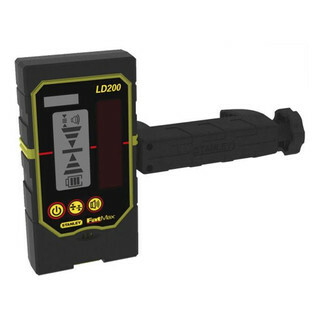
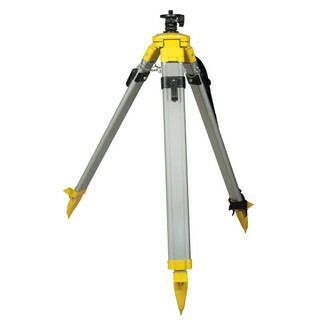
When the laser is fine but the job still fights you, this is the kit that gets it sorted. A Stanley laser tripod steadies your set-up on uneven floors, a Stanley laser wall mount helps with repeat heights, and a Stanley laser detector or Stanley laser receiver makes outdoor levelling possible when you cannot see the beam. Match the accessory to the way you actually work, then get the right bits ordered.
What Are Stanley Laser Accessories Used For?
- Setting out ceiling heights, kitchen runs, and first fix lines is easier with a Stanley laser tripod or Stanley laser bracket that keeps the unit steady instead of balancing it on offcuts.
- Working outside on drainage, fencing, slabs, or groundwork levels usually calls for a Stanley laser detector, because the beam can wash out in daylight even when the laser itself is spot on.
- Fixing laser lines at repeat heights across stud walls or masonry is what a Stanley laser wall mount is for, especially when you need both hands free for marking and drilling.
- Picking up vertical and horizontal reference points in brighter rooms or over longer runs is where a Stanley laser target helps, giving you a clearer point to mark to.
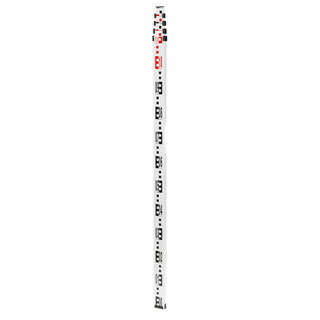
- Running internal fit-out work over different floor levels can need a Stanley laser staff pole, letting you raise the laser into the right position without building makeshift stands.
Choosing the Right Stanley Laser Accessories
Sorting the right accessory is simple. Buy for where the laser needs to sit and how you need to see it, not just what looks handy.
1. Indoor Set-Out or Outdoor Levelling
If you are mainly working indoors on kitchens, studwork, second fix, or ceilings, start with a Stanley laser tripod, wall mount, or bracket. If you are outside on patios, fencing, drainage, or site levels, a Stanley laser detector is usually the bit that actually makes the laser usable.
2. Check the Mounting Thread First
Do not assume every tripod or bracket fits every laser. Check the thread size on the laser and the accessory before you order. If the fixing does not match, the kit is useless no matter how good the laser is.
3. Pick Stable Support for Rough Site Floors
If you are working on uneven screed, external ground, or half-finished rooms, go for a proper Stanley laser tripod or staff pole rather than balancing the laser on stacks of timber. You will get cleaner lines and spend less time rechecking.
4. Targets and Receivers Do Different Jobs
A Stanley laser target helps you see and mark the beam more clearly. A Stanley laser receiver or detector is for actually picking up the beam when distance or daylight stops you seeing it. If you buy one expecting it to do the other job, you will only slow yourself down.
Who Uses These on Site?
- Sparkies use Stanley laser accessories for setting socket lines, tray runs, and lighting positions, especially when a wall mount or bracket saves them juggling the laser and the drill.
- Kitchen fitters and chippies rely on a Stanley laser tripod or target when they need cabinet lines, worktop heights, and stud marks staying true right across the room.
- Groundworkers and landscapers reach for a Stanley laser detector or Stanley laser receiver when they are checking falls, levels, and boundary set-out in full daylight.
- Dryliners and ceiling fixers use staff poles, brackets, and tripods to hold lasers at the right height for track lines, ceiling grids, and repeat marks over big internal areas.
- General builders and maintenance teams keep these in the van because the right accessory often saves more time than upgrading the laser itself.
The Basics: Understanding Stanley Laser Accessories
These accessories do not change the laser line itself. They make the laser easier to mount, easier to position, or easier to read on real jobs where conditions are not ideal.
1. Supports and Mounts
Tripods, staff poles, brackets, and wall mounts hold the laser at the right height and angle. That means faster set-out, fewer makeshift supports, and less chance of knocking the unit out mid-job.
2. Targets
A Stanley laser target gives you a clearer point to aim at or mark from, especially over longer internal runs or in brighter rooms where the beam starts to fade.
3. Detectors and Receivers
A Stanley laser detector or Stanley laser receiver picks up the beam electronically when your eye cannot. That is why they matter outdoors or across longer distances, where the line is there but hard to see.
Stanley Laser Accessories That Keep Set-Out Moving
The right add-ons stop wasted time on site and make your laser usable in more places.
1. Laser Tripods
A Stanley laser tripod saves you balancing the unit on buckets, steps, or offcuts when you need a level line to stay put. It is the simple fix for uneven floors, repeat heights, and cleaner setting out.
2. Laser Detectors and Receivers
If you work outside, this is the one that stops the usual problem of a beam vanishing in daylight. A Stanley laser detector or Stanley laser receiver lets you keep working instead of guessing your levels.
3. Wall Mounts and Brackets
These stop the faff of trying to hold a laser in the right spot while marking out. A Stanley laser wall mount or Stanley laser bracket is handy when you need fixed heights for stud, services, or ceiling work.
4. Target Plates
A Stanley laser target helps when the line is there but not easy to pick out, especially across bright rooms or longer runs. It gives you a cleaner mark and cuts down on squinting at faint beams.
Choose the Right Stanley Laser Accessories for the Job
Match the accessory to the way the laser is being used on site.
| Your Job | Stanley Laser Accessory | Key Features |
|---|---|---|
| Setting kitchen units, sockets, and internal levels | Stanley laser tripod | Stable base, repeat height setting, better accuracy than makeshift supports |
| Working outdoors on slabs, fencing, or drainage | Stanley laser detector | Picks up beams in daylight, useful over longer distances, speeds up external levelling |
| Fixing lines to walls for stud, track, or service runs | Stanley laser wall mount | Holds laser at fixed height, frees both hands, tidy for repeat marks |
| Mounting in awkward positions or confined areas | Stanley laser bracket | Flexible positioning, quicker set-up, useful where tripod legs get in the way |
| Seeing the beam more clearly indoors | Stanley laser target | Cleaner visual pick-up, easier marking, useful in brighter rooms or over long runs |
Common Buying and Usage Mistakes
- Buying a detector without checking laser compatibility is a common one. Some Stanley laser detector models suit specific lasers or beam types, so always check before you order.
- Ignoring thread size on a Stanley laser tripod or mount means the accessory can turn up and not fit your laser at all. Check the fixing first and save yourself a wasted trip.
- Using a target plate when you really need a receiver wastes time outdoors. A target helps you see the beam, but it will not replace a proper Stanley laser receiver in bright daylight.
- Balancing lasers on boxes or scrap timber instead of using a bracket, wall mount, or tripod nearly always leads to knocked settings and bad marks. Stable support is a cheap fix for expensive rework.
- Choosing accessories for convenience instead of the actual job can leave kit sitting in the van. If you work mostly on ceilings, walls, or outdoor levels, buy around that use first.
Tripods vs Wall Mounts vs Detectors
Stanley Laser Tripod
Best for general internal set-out where you need a stable platform and easy height changes. Good all-rounder for rooms, corridors, and refurb work, but not much use if the problem is beam visibility in daylight.
Stanley Laser Wall Mount
Better where floor space is tight or you need a fixed line on a wall for repeat marks. Handy for drylining, services, and ceiling heights, but you need a suitable fixing point and it is less flexible to move around than a tripod.
Stanley Laser Detector
This is the one for external levelling and long-distance work where the beam disappears to the eye. It solves a different problem to a mount or tripod, so buy it when visibility is the issue rather than positioning.
Stanley Laser Target
Useful for making the beam easier to see and mark to indoors, especially across bigger rooms. Cheaper and simpler than a detector, but it will not do the same job outside or over serious distances.
Maintenance and Care
Keep Threads Clean
Tripod and mount threads pick up grit fast on site. Wipe them down before fitting the laser so you do not cross-thread fixings or end up with sloppy mounting.
Store Mounts and Brackets Properly
Do not leave brackets and wall mounts loose in the van with fixings and blades. Bent fittings and damaged adjustment parts make accurate set-out harder than it needs to be.
Check Detector and Receiver Windows
Dust, plaster, and site grime on the sensor area can affect beam pick-up. Give the window a careful clean before outdoor or long-run work so you are not chasing false readings.
Replace Worn Parts Before They Cost You
If clamps stop gripping, locks start slipping, or tripod legs will not hold, sort it before the next job. A loose accessory can throw your set-out and waste more time than the replacement costs.
Keep It Dry After Wet Jobs
After external work, dry off tripods, poles, and metal brackets before they go back in the van. It helps stop rust, sticking adjusters, and seized joints later on.
Why Shop for Stanley Laser Accessories at ITS?
Whether you need a Stanley laser tripod, Stanley laser wall mount, Stanley laser target, or a Stanley laser detector for outdoor levelling, we stock the proper range for real set-out work. It is all held in our own warehouse, in stock, and ready for next day delivery so you can get the right accessory on site without hanging about.
Stanley Laser Accessories FAQs
What accessories are available for Stanley laser levels?
Common Stanley laser accessories include tripods, wall mounts, brackets, target plates, staff poles, detectors, and receivers. Each one does a different job, so it is worth buying for the way you actually work rather than just grabbing the cheapest add-on.
Do Stanley laser detectors work with all Stanley lasers?
No, not always. You need to check compatibility with the specific Stanley laser and beam type before buying. A Stanley laser detector only helps if it is designed to read that laser properly, so do not assume one receiver suits every unit in the range.
What thread size do Stanley laser tripods use?
Thread size varies by tripod and laser, so check the product spec before ordering. That is the bit that catches people out most often. Get the thread wrong and the tripod is no use to you on site.
Is a laser detector needed for outdoor use?
Most of the time, yes. In bright daylight the beam can be hard or impossible to see with the naked eye, even if the laser is working perfectly. A Stanley laser detector or Stanley laser receiver makes outdoor level work far more practical and accurate.
What is a laser target plate for?
A laser target plate gives you a clearer point to pick up and mark from, especially indoors over longer distances or in bright rooms. It will not replace a detector outside, but for internal set-out it can make line marking quicker and cleaner.