Stanley Sanding and Finishing Tools
Stanley sanding tools are for tidying edges, knocking back rough timber, and getting joinery, filler, and sheet material ready for a proper finish.
When you've got sharp arrises, proud filler or timber that needs cleaning up before paint or fit-out, this is the kit you reach for. Stanley finishing tools cover the honest graft hand power tools do not always suit, from a Stanley hand sander for flat prep to Stanley Surform, files, rasps and planes for controlled stock removal. Pick the tool for the material and you will get a cleaner finish with less wasted effort.
What Are Stanley Sanding Tools Used For?
- Flattening filler, timber edges, and patched areas before painting or second fix, where a Stanley hand sander gives you better feel and control than a powered sander in tight spots.
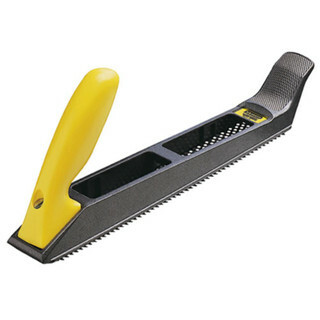
- Shaping plasterboard, softwood, and laminates on refurbs and fit-outs, where a Stanley Surform quickly knocks material back without clogging up as fast as ordinary abrasive sheets.
- Cleaning up rough cuts on skirting, architrave, and site-made joinery so parts fit properly before fixing, decorating, or handing over.
- Working on awkward corners, edges, and detail areas around doors, cabinets, and boxing-in where larger sanding gear is too clumsy or too aggressive.
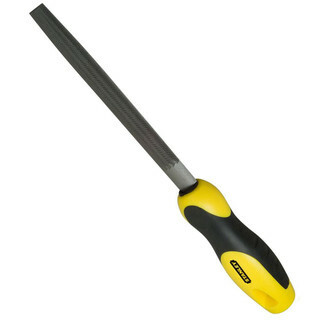
- Removing burrs and refining wood or metal components with Stanley files and Stanley rasps when you need controlled hand finishing instead of taking too much off in one go.
Choosing the Right Stanley Sanding Tools
Match the tool to the material and the amount you need to remove. That is the bit that saves time and stops you ruining the finish.
1. Sanding or Shaping
If you are just smoothing filler, paint prep, or cleaning up a face, go with a Stanley hand sander or Stanley sanding block. If you need to remove stock fast from plasterboard, softwood, or laminate edges, a Stanley Surform is the better shout.
2. File vs Rasp
If the job needs a finer, more controlled cut on metal or hardwood edges, pick Stanley files. If you are rough shaping timber quickly, Stanley rasps bite harder and clear waste faster, but they will leave a rougher finish to tidy afterwards.
3. Flat Faces or Tight Spots
For broad, flat areas, choose a wider sander that keeps the surface even. If you are working around stops, corners, cut-outs, or detail work, smaller sanding tools Stanley users keep in the pouch are easier to control.
4. Finish Standard
If it is hidden first fix work, fast removal matters more than a polished finish. If it is paint grade joinery, visible trim, or final snagging, choose the tool that leaves less marking and plan for a finer follow-up sand.
Who Uses These on Site?
- Chippies keep Stanley sanding tools in the van for easing doors, cleaning up scribes, and sorting first and second fix timber where a quick hand finish saves dragging out powered kit.
- Decorators use Stanley finishing tools for flattening filler, denibbing timber, and getting patched surfaces ready before undercoat and topcoat go on.
- Dryliners and fitters swear by a Stanley Surform for trimming plasterboard edges and tidying cut-outs so boards sit cleaner and joints are easier to finish.
- Maintenance teams and snagging crews reach for Stanley files, rasps, and sanding blocks when they need to sort small faults fast without making a mess in occupied buildings.
- Joiners and bench workers use a Stanley plane or hand sander for controlled material removal where fit matters and taking off too much means starting again.
Accessories That Keep Your Finishing Work Moving
A few simple extras stop hold-ups and help these tools do a cleaner job on site.
1. Abrasive Sheets
Keep a mix of grits in the van. There is no point flattening filler with the wrong sheet and either clogging it instantly or leaving scratches you then have to chase out before decorating.
2. Replacement Surform Blades
A worn Surform blade tears and snags instead of cutting cleanly. Swap it before a small trimming job turns into ragged plasterboard edges or rough timber that needs twice the finishing.
3. Sanding Blocks
A sanding block helps keep flat work flat. It saves you from finger marks and rounded edges when you are trying to prep filler, trim, or sheet material properly.
Choose the Right Stanley Sanding Tools for the Job
Use this quick guide to sort the right hand tool before you start taking material off.
| Your Job | Category or Type | Key Features |
|---|---|---|
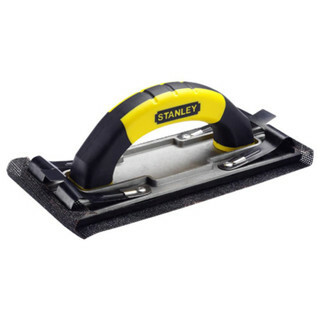
| Flattening filler and prepping painted surfaces | Stanley hand sander | Takes standard sheets, keeps pressure even, better for broad flat areas |
| Fast shaping of plasterboard or softwood | Stanley Surform | Aggressive cut, clears waste quickly, easier on rough stock removal |
| Cleaning up timber edges and rough joinery | Stanley rasp | Coarse teeth, quick bite, useful before finer finishing |
| Refining metal or hardwood edges | Stanley file | More controlled cut, cleaner finish, better for accurate hand work |
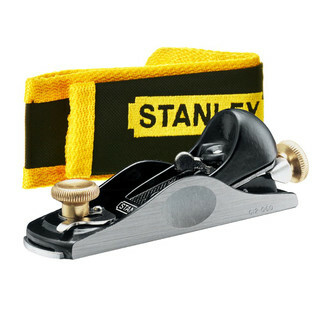
| Trimming and fitting timber with control | Stanley plane | Shaves material cleanly, good for easing doors and fine fitting |
Common Buying and Usage Mistakes
- Buying a rasp when you actually need a file is a common one. A rasp is quicker on wood, but it leaves a rougher surface, so use a file when the finish needs to be neater and more controlled.
- Using the wrong grit abrasive wastes time. Too coarse and you mark the work badly. Too fine and you will be there all day trying to flatten filler or clean up sawn timber.
- Sanding with your hand only on flat visible surfaces often rounds edges and leaves hollows. Use a proper Stanley sanding block or hand sander to keep faces level.
- Trying to make a worn Surform blade last too long gives you torn edges and more finishing afterwards. Replace the blade once it stops cutting cleanly.
- Taking too much off too early is where jobs go wrong. Start with the least aggressive Stanley finishing tool that will do the work, then step up only if the material is not moving fast enough.
Surform vs File vs Rasp
Stanley Surform
Best when you need to remove material quickly from plasterboard, softwood, filler, or laminates. It is a fast stock remover, but it is not the tool for fine finishing on visible work.
Stanley File
Better for controlled refinement and cleaner edges, especially on metal and harder materials. Slower than a rasp or Surform, but less likely to leave a rough surface that needs extra work.
Stanley Rasp
A good pick for rough shaping timber fast. It bites deeper than a file and clears waste well, but you will usually need to follow up with a finer tool if the finish will be seen.
Stanley Hand Sander
This is the one for surface prep rather than shaping. If the material is already close and you just need a flat, even finish before paint or fitting, the hand sander is the right tool.
Maintenance and Care
Clear Dust and Waste After Use
Brush out sanding dust, filler, and timber waste at the end of the job. Letting it sit in the tool makes sanding sheets slip and Surform teeth clog up faster.
Replace Worn Cutting Parts
If a blade or abrasive stops cutting cleanly, change it. Forcing a blunt finishing tool just tires your hands out and gives a rougher result.
Keep Metal Tools Dry
Files, rasps, and plane parts do not want to live wet in the bottom of the van. Wipe them down before storage to avoid rust and keep the cut consistent.
Store by Type, Not in a Heap
Throwing files and rasps loose together knocks teeth about and shortens their life. Keep them separated in a case, drawer, or wrap so they stay ready for clean work.
Repair Handle Issues Early
If a handle loosens or cracks, sort it before the next shift. A solid grip matters on hand finishing tools because poor control leads to slips, gouges, and wasted materials.
Why Shop for Stanley Sanding Tools at ITS?
Whether you need a Stanley hand sander, Stanley Surform, files, rasps, planes, or other Stanley finishing tools, we stock the range properly. That means the key types trades actually use, all held in our own warehouse and ready for next day delivery straight to site or the workshop.
Stanley Sanding Tools FAQs
What sanding and finishing tools does Stanley make?
Stanley makes a solid spread of hand finishing kit including hand sanders, sanding blocks, Surform tools, files, rasps, and planes. It is the sort of range you use for smoothing filler, trimming plasterboard, shaping timber, and cleaning up edges before paint or fitting.
What is a Surform used for?
A Surform is for quick material removal where sandpaper would be too slow or clog straight away. It is especially handy on plasterboard, softwood, filler, and laminates when you need to shape edges, tidy cut-outs, or knock high spots down fast.
What is the difference between a file and a rasp?
A file cuts finer and is better when you need control and a neater edge, often on metal or harder materials. A rasp has coarser teeth and removes wood faster, which is useful for rough shaping, but it leaves a rougher finish that usually needs further sanding or filing.
Should you sand with or across the grain?
On timber, finish by sanding with the grain if you want the cleanest result. Sanding across the grain can cut faster when flattening rough stock, but it leaves scratches that will show through stain, paint, or clear finish unless you work them out properly afterwards.
Are Stanley hand sanders suitable for use with standard sheets?
Yes, many Stanley hand sanders are made to work with standard abrasive sheets, which is exactly what most trades want on site. It means you are not tied to awkward consumables, but it is still worth checking the tool size before ordering so the sheets fit properly without waste.