Stanley Fastening Tools
Stanley fastening tools are the bits you reach for when fixings fight back, from terminal screws and cabinet hinges to nuts, bolts and set-up work on site.
If you're forever rounding screw heads with cheap drivers or scrabbling for the right spanner mid-job, this is the range to sort out first. Stanley fastening tools cover the everyday essentials like Stanley screwdrivers, Stanley spanners, Stanley hex keys, nut drivers and wrench options that earn their keep in tool bags, site boxes and vans. Match the tip, size and handle to the job, and you will work faster, slip less, and do less damage to fittings.
What Are Stanley Fastening Tools Used For?
- Tightening back boxes, faceplates, consumer units and control gear is where Stanley screwdrivers get used day in, day out, especially when you need a tip that seats properly and does not cam out under pressure.
- Assembling kitchen units, ironmongery, flat pack site furniture and access panels is easier with the right Stanley screwdriver set, because you can swap between common sizes without bodging the fixing.
- Holding and turning nuts, bolts and threaded fixings on plant guards, brackets, pipe clips and bench fittings is proper Stanley spanners territory, particularly where adjustables are too sloppy for the job.
- Working on grub screws, furniture fittings, bike racks, machine covers and small mechanical parts is exactly why trades keep Stanley hex keys and Stanley allen keys close by in the van.
- Driving hex head fixings into panels, terminals and light mechanical assemblies is where a Stanley nut driver saves your knuckles and gives you more control than forcing it with pliers.
Choosing the Right Stanley Fastening Tools
Sorting the right kit is simple: match the fixing head and the working space to the tool, not the other way around.
1. Buy the Tip That Fits Properly
If you are mostly on electrical or general second fix, make sure you have the common slotted, Phillips and Pozi sizes covered first. A loose fitting tip will chew screws and slow you down, no matter how good the handle feels in the hand.
2. Pick Sets for Van Work, Singles for Replacements
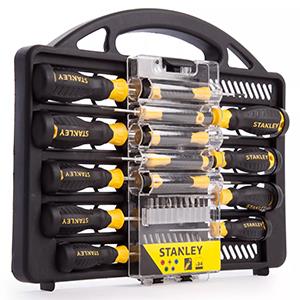
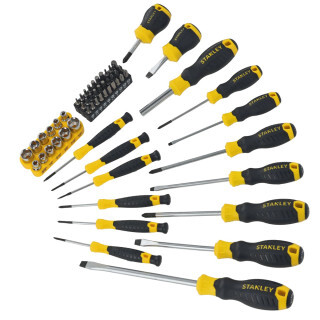
If you are building out a fresh tool bag, a Stanley screwdriver set makes more sense than buying odd pieces one by one. If you already know which sizes take the most abuse on your jobs, top up with single drivers and spanners where it counts.
3. Use Spanners for Grip, Adjustables for Convenience
If you know the fixing sizes you deal with every week, go with Stanley spanners because they grip better and slip less. A Stanley wrench is handy for mixed maintenance work, but it is not always the best answer for tight or stubborn fixings.
4. Do Not Overlook Hex Keys and Nut Drivers
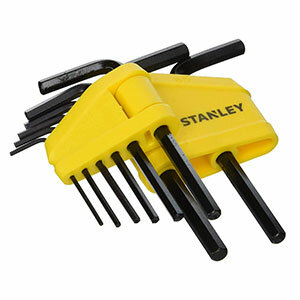
If you fit furniture, ironmongery, machine guards or access systems, keep Stanley hex keys and a Stanley nut driver in the kit. They save a lot of messing about when standard screwdrivers are the wrong tool entirely.
Who Uses These Fastening Tools?
- Sparkies rely on Stanley screwdrivers for terminals, accessories and boards, because a properly fitting driver makes cleaner work of repeated screw fixing and reduces chewed heads.
- Kitchen fitters, chippies and shopfitters use Stanley screwdriver sets and hex keys for hinges, runners, handles and flat-pack assembly, where fast switching between sizes saves time.
- Plumbers and heating engineers keep Stanley spanners and a Stanley wrench in the bag for valves, brackets and small plant fixings, especially during maintenance and snagging work.
- Maintenance teams and site managers reach for the full Stanley fastening range because it covers the everyday set-up, adjustment and repair jobs that always crop up round a building.
Choose the Right Stanley Fastening Tools for the Job
Use this quick guide to sort the basics before you buy.
| Your Job | Category or Type | Key Features |
|---|---|---|
| Wiring accessories, terminals and boards | Stanley screwdrivers | Correct slotted, Phillips and Pozi tips, good handle grip, tips that seat firmly in smaller screws |
| General van stock for mixed call-out work | Stanley screwdriver set | Range of common sizes, easy storage, quicker to grab the right driver without hunting through loose tools |
| Bolts on brackets, clips, plant covers and fittings | Stanley spanners | Fixed sizes for better grip, less slip on stubborn fixings, suited to repeat maintenance tasks |
| Unknown fixing sizes on snagging and repair work | Stanley wrench | Adjustable jaw, handy for mixed site tasks, useful when you cannot carry a full spanner roll |
| Grub screws, furniture fittings and small mechanical fixings | Stanley hex keys and nut driver | Compact access, control in tight spaces, better fit for internal hex and small hex head fixings |
Common Buying and Usage Mistakes
- Buying one cheap mixed driver and expecting it to cover everything usually ends in slipped tips and damaged screws. Get the actual head types and sizes you use most, especially Pozi and slotted for UK site work.
- Using an adjustable wrench on every nut and bolt is a fast way to mark fixings and lose grip. If the size is known, a proper Stanley spanner is the cleaner and safer option.
- Ignoring hex keys until the job starts wastes time when you hit furniture bolts or grub screws. Keep Stanley allen keys in the van instead of trying to force the job with the wrong bit of kit.
- Picking tools on handle shape alone misses the point if the tip or jaw is wrong for the fixing. Fit matters first, then comfort, especially when you are repeating the same task all day.
- Letting fastening tools rattle loose in the bottom of a box shortens their life and slows you down. Store sets properly so you can see missing sizes before they catch you out on site.
Screwdrivers vs Spanners vs Hex Keys
Stanley Screwdrivers
Best for slotted, Phillips and Pozi screws in electrical, joinery and general fixing work. They give better control than bits in a drill when you need feel, but they are no use once the job turns into nuts and bolts.
Stanley Spanners
Best for repeated work on known nut and bolt sizes where grip matters. They are neater and less likely to slip than an adjustable, but you need the right sizes in the roll to make them worthwhile.
Stanley Hex Keys
Best for internal hex fixings like grub screws, furniture bolts and machine covers. They get into places bulkier tools will not, but only if you have the exact size and do not round the socket by guessing.
Stanley Wrench and Nut Driver
These suit mixed maintenance and lighter assembly work where convenience matters. A wrench covers changing sizes quickly, while a nut driver gives cleaner control on small hex fixings, but neither replaces a full dedicated set for heavy daily use.
Maintenance and Care
Wipe Down After Dusty Work
Plaster dust, brick dust and site muck hold moisture and wear surfaces down over time. Give Stanley fastening tools a quick wipe before they go back in the bag, especially around tips, jaws and moving parts.
Check Tips and Jaws for Wear
Rounded screwdriver tips and burred spanner jaws are what damage fixings and skin knuckles. If the business end is worn off, retire it before it costs you more in stripped screws and slipped bolts.
Keep Sets Complete
A missing mid-size driver or hex key is always the one the job needs. Store sets in their holders or rolls so you can spot gaps quickly and replace them before the next call-out.
Store Dry, Not Loose
Leaving tools wet in the van or loose with other steel gear is asking for corrosion and chipped edges. Dry them off and keep them organised so they are ready to work, not buried at the bottom of the box.
Why Shop for Stanley Fastening Tools at ITS?
Whether you need a single replacement Stanley screwdriver, a full Stanley screwdriver set, Stanley spanners, Stanley hex keys or a Stanley nut driver, we stock the fastening range trades actually use. It is all in our own warehouse, ready for next day delivery, so you can get the right sizes on site without hanging about.
Stanley Fastening Tools FAQs
What fastening tools does Stanley make?
Stanley makes the everyday fastening kit most trades actually use, including Stanley screwdrivers, screwdriver sets, Stanley spanners, Stanley hex keys, Stanley allen keys, nut drivers and wrench options. It is the sort of range built for regular assembly, adjustment, maintenance and fixing work rather than specialist one-off jobs.
Are Stanley screwdriver tips magnetic?
Some are, some are not, so it is worth checking the individual spec rather than assuming. A magnetic tip is handy for starting screws one-handed in awkward spots, but the main thing is still tip fit and strength because that is what stops slipping and damaged heads.
What is the difference between a spanner and a wrench?
In day-to-day UK trade use, a spanner is usually a fixed-size tool for a specific nut or bolt, while a wrench often means an adjustable tool that covers different sizes. Fixed Stanley spanners generally give a tighter fit and less slip, while a Stanley wrench is more convenient for mixed snagging and maintenance work.
Do Stanley fastening tools carry a lifetime guarantee?
Many Stanley hand tools are sold with a lifetime guarantee, but it is not something to guess at because cover can vary by product. Check the listing details on the exact tool you are buying so you know where you stand on normal use, wear and genuine faults.
Which screwdriver types are used most in UK trades?
Pozi and slotted are still the bread and butter on plenty of UK jobs, with Phillips also common depending on the fixing and product being installed. If you are buying a Stanley screwdriver set for general site use, cover the common Pozi, Phillips and slotted sizes first before worrying about the less-used oddments.
Are Stanley hex keys worth keeping in the van if I do not use them every day?
Yes, because the day you need them you usually need them right then. Furniture bolts, machine covers, grub screws and some ironmongery fixings will stop a job dead if you have not got the right hex key to hand.