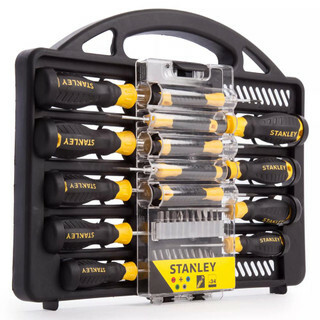
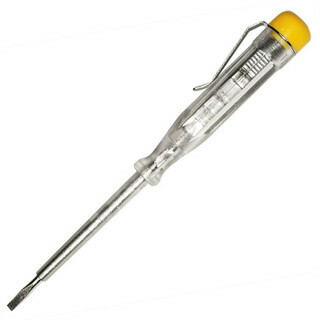
Stanley Screwdrivers
Stanley screwdrivers are built for daily fixing, fitting and snagging, from back boxes and hinges to sockets, panels and general site maintenance.
If you're forever tightening terminals, fitting ironmongery or sorting out the little jobs that hold a build up, a proper Stanley screwdriver saves time and chewed fixings. You'll find stanley screwdrivers here in Phillips, Pozidriv, flat head, precision and ratchet patterns, with grips that stay planted and tips that hold up to real site use. Pick the right profile and size for the screws you use most, and get a set that earns its place in the bag.
What Are Stanley Screwdrivers Used For?
- Fitting sockets, switches and faceplates goes cleaner when you have the right stanley screwdriver tip that sits properly in the fixing instead of slipping and marking the plate.
- Hanging doors, adjusting hinges and fixing latch plates is easier with Stanley screwdrivers that give you decent grip and control when you are working one handed on awkward frames.
- Building flat-pack units, site cupboards and meter-box panels is quicker with a stanley screwdriver set covering Phillips, Pozidriv and slotted sizes you actually reach for every day.
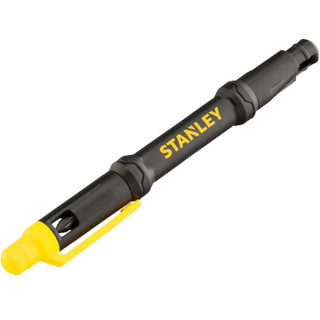
- Working on small terminal screws, control panels and delicate fittings calls for a stanley precision screwdriver that lets you turn fasteners without rounding them off.
- Sorting maintenance jobs in plant rooms, vans and snagging lists is where a stanley ratchet screwdriver comes into its own, especially when space is tight and you cannot keep repositioning your hand.
Choosing the Right Stanley Screwdriver
Sorting the right one is simple: match the tip, size and handle to the screws in front of you, not whatever happens to be nearest in the van.
1. Tip Type Comes First
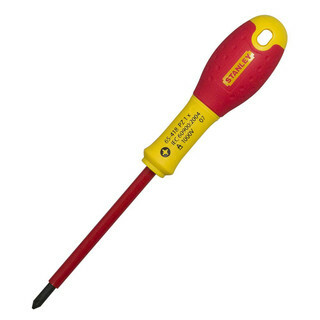
If the screw is Pozidriv, use a stanley pozidriv screwdriver. If it is Phillips, use a stanley phillips screwdriver. Mixing them is how you cam out the head, burr the tip and turn a two minute job into a fight.
2. Buy a Set if You See Mixed Fixings
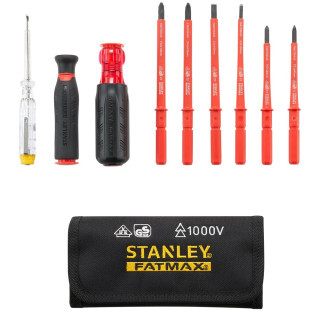
If you are doing general site work, a stanley screwdriver set makes more sense than buying one or two singles. You will cover the common PZ2, PH2 and flat head sizes without being caught short halfway through a snagging run.
3. Go Precision for Small Screws
If you are working on controls, small covers or fine electrical fittings, use a stanley precision screwdriver. A full-size driver is too clumsy and more likely to slip or damage the fixing.
4. Ratchet Helps in Tight Spots
If you are forever inside cabinets, behind boilers or in cramped service voids, a stanley ratchet screwdriver saves your wrist and speeds the job up. For open bench work, a standard fixed driver is usually simpler and tougher.
Who Uses These on Site?
- Sparkies use Stanley screwdrivers for terminals, accessories and consumer unit work, because the right tip fit matters when you are tightening down screws all day.
- Chippies keep a stanley phillips screwdriver and stanley pozidriv screwdriver close by for hinges, handles, kitchen fittings and first fix hardware where cordless is overkill.
- Maintenance teams swear by a stanley screwdriver set for day to day adjustments, access panels, plant covers and general repairs where you need the right driver there and then.
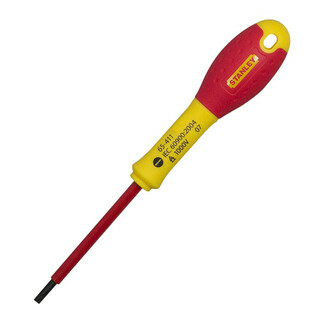
- Kitchen fitters, plumbers and bathroom installers use a stanley flat head screwdriver and slotted sizes for valves, clips, covers and trim pieces in tight, awkward spaces.
- Site managers and snagging teams often keep a ratchet or precision driver in the van for quick fixes before handover, rather than dragging out a full tool case for one loose fixing.
Useful Extras for Stanley Screwdrivers
A few sensible add-ons stop rounded screws, lost time and repeat walks back to the van.
1. Bit Sets
If you are using a ratchet driver, get a proper bit set with the common Phillips, Pozidriv and slotted sizes. It saves forcing the wrong bit into the screw and wrecking both the fixing and the job finish.
2. Tool Pouches or Roll Sets
A pouch or roll keeps your stanley screwdriver set together instead of spread across the van floor. You waste less time hunting for the one PZ2 you always need first.
3. Voltage Tester
For electrical work, a tester is a no-brainer alongside insulated drivers. It is the simple check that stops you trusting a dead circuit that is not actually dead.
Choose the Right Stanley Screwdriver for the Job
Use this quick guide to sort the driver type before you start chewing screw heads.
| Your Job | Category or Type | Key Features |
|---|---|---|
| General site fixing and daily snagging | Stanley screwdriver set | Mixed Phillips, Pozidriv and flat head sizes for the screws you meet across first fix and second fix work |
| Electrical accessories and terminal screws | VDE insulated screwdriver | Insulated shaft and handle for rated electrical work, with tip sizes that suit common accessory screws |
| Cabinets, service voids and awkward access | Stanley ratchet screwdriver | Fast turning in tight spaces without constantly lifting and resetting your hand |
| Small fittings, control gear and delicate screws | Stanley precision screwdriver | Fine tips and better fingertip control for smaller fixings that are easy to strip |
| Door hardware, hinges and timber fixings | Stanley Pozidriv or Phillips screwdriver | Correct tip profile and a comfortable handle for steady torque without cam out |
Common Buying and Usage Mistakes
- Using Phillips on Pozidriv screws is the classic mistake. It might look close enough, but it slips under load and ruins the screw head, so always match the driver profile properly.
- Buying one driver for every job usually ends in frustration. A proper stanley screwdriver set covers the sizes and tip types you actually meet on site and saves bodging with the wrong one.
- Using a worn tip too long costs you more than replacing it. Once the edges are rounded, the driver will start slipping and marking fixings, especially on tighter screws.
- Assuming any insulated-looking screwdriver is suitable for live electrical environments is risky. Check it is genuinely VDE rated before you use it for electrical work.
- Reaching for a full-size driver on tiny screws is how small fixings get stripped. Use a stanley precision screwdriver where control matters more than brute force.
Pozidriv vs Phillips vs Slotted
Pozidriv
Usually the better choice for modern UK site fixings, especially timber screws and general construction screws. It grips harder than Phillips and is less likely to cam out when you lean on it.
Phillips
Still common in fittings, appliances and assorted hardware. Fine when the screw is actually Phillips, but not the one to force into Pozidriv heads just because it nearly fits.
Slotted
Handy for older fittings, terminals and adjustment screws, but easier to slip if you rush it. Best where the fixing calls for it, not as a catch-all substitute for cross-head screws.
Maintenance and Care
Wipe Tips Clean
Dust, paint, filler and grease on the tip stop it seating properly in the screw. Give the blade a quick wipe after use so it still bites cleanly next time.
Check for Tip Wear
If the tip is rounded, chipped or polished smooth, retire it from critical work. A worn driver will damage fixings long before it fully gives up.
Store Them Together
Keep Stanley screwdrivers in a roll, drawer or pouch instead of loose in the van. It stops damaged handles, lost sizes and the usual rummaging about before a simple job.
Keep Insulated Drivers Separate
If you use VDE screwdrivers, do not let the insulation get nicked or cooked against sharp tools. Inspect them regularly and replace any that show cuts, burns or splits.
Replace Before They Cost You Time
A driver does not need to snap to be finished. If it starts slipping, twisting awkwardly or chewing heads, bin it and swap it out before it slows the whole job down.
Why Shop for Stanley Screwdrivers at ITS?
Whether you need a single stanley screwdriver for a quick replacement or a full stanley screwdriver set for everyday site work, we stock the range in the sizes and tip types trades actually use. From Phillips and Pozidriv to flat head, precision and ratchet options, it is all in our own warehouse and ready for next day delivery.
Stanley Screwdriver FAQs
Are Stanley screwdriver tips magnetic?
Some are and some are not, so do not assume every Stanley screwdriver has a magnetic tip. On ratchet drivers and certain sets you will often get magnetised bit holding, which helps when you are starting screws one handed. On standard fixed screwdrivers, check the product spec if that matters for the job.
What is the difference between Phillips and Pozidriv?
Pozidriv has extra ribs between the main cross slots and usually gives a firmer drive on common UK wood and construction screws. Phillips is a simpler cross head used on plenty of fittings and hardware. They are not interchangeable in the real world, even if they look close at a glance.
Which screwdriver sizes are used most often?
For most site work, PZ2 and PH2 are the big hitters, along with a couple of useful slotted sizes for terminals and older fixings. A smaller PH1 or PZ1 also earns its keep on fittings and lighter hardware. If you are only buying one set, make sure those sizes are covered first.
Are Stanley screwdrivers VDE insulated?
Some Stanley screwdrivers are VDE insulated, but plenty are standard drivers for general fixing work. If you are doing electrical work, check for the proper VDE rating and insulation marking on that exact model. A red and yellow handle alone is not enough if the spec does not back it up.
Do Stanley screwdrivers have a lifetime guarantee?
Many Stanley hand tools are covered by a lifetime guarantee against manufacturing defects, but it is not a free pass for worn tips, abuse or using the wrong driver on the wrong screw. Check the product details for the exact cover. Fair wear from years of site use is a different thing from a genuine fault.