




Garden & Outdoor
Garden outdoor tools are built for site clearance, property maintenance, and proper tidy up work where domestic kit usually gives up too soon.
When the plot's overgrown, the handover's looming, or the car park edges have gone wild, these are the garden tools you reach for. Proper outdoor tools for cutting back scrub, shifting leaves, trimming hedges, and keeping access routes tidy. If you already run cordless kit on site, matching your garden maintenance tools to the same battery platform saves time, money, and space in the van.
What Are Garden Outdoor Tools Used For?
- Clearing long grass, nettles, and scrub around plots, compounds, and fence lines keeps access safe and stops a quick tidy up turning into a full day on the tools.
- Blowing down paths, driveways, patios, and site entrances helps handover teams get external areas presentable without dragging out brooms and wasting labour.
- Trimming hedges, shrubs, and boundary growth on property maintenance jobs keeps gardens, communal spaces, and managed grounds under control before complaints start.
- Cutting back rough edges around kerbs, walls, and outbuildings lets site clearance tools reach the spots mowers and larger kit simply cannot get into cleanly.
- Maintaining show homes, rental properties, and finished landscaping with garden tidy up tools keeps outside areas looking looked-after between visits and after bad weather.
Who Uses These Garden Outdoor Tools?
- Groundworkers and site teams use these for site clearance tools work around plot boundaries, access routes, and compounds where overgrowth gets in the way of safe movement.
- Property maintenance teams swear by them for cutting back, blowing down, and tidying communal areas, rental gardens, and managed blocks without bringing in separate contractors.
- Landscapers and gardeners reach for professional garden tools when they need cleaner hedge lines, faster grass trimming, and reliable all-day use across multiple jobs.
- Builders, chippies, and snagging crews keep cordless garden tools handy for final garden tidy up tools work before handover, especially where the outside needs sorting as well as the build.
- Facilities and estate teams use outdoor tools to keep paths, entrances, bin stores, and perimeter edges under control so small maintenance jobs do not become bigger clearance jobs later on.
Choosing the Right Garden Outdoor Tools
Match the tool to the growth and the size of the area. Do not expect one bit of kit to do the whole job properly.
1. Strimmer or Brushcutter
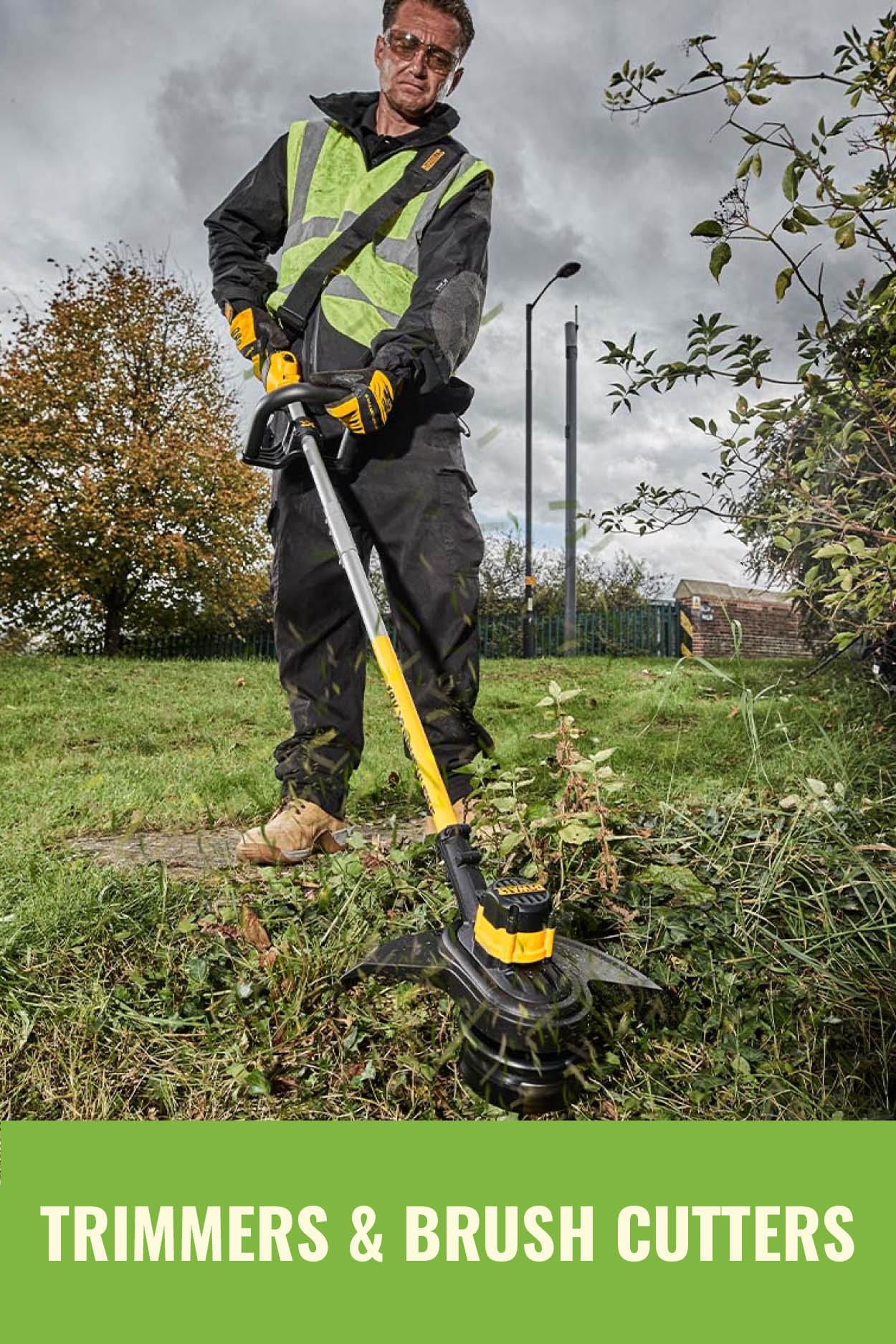
If you are just knocking back grass edges and light weeds, a strimmer is usually enough and easier to control round walls, posts, and parked vehicles. If you are dealing with thicker stalks, rough scrub, or neglected ground, go brushcutter and save yourself fighting underpowered line all morning.
2. Blower Size Matters
For small paths, patios, and quick van-to-door tidy ups, a compact blower does the job. If you are clearing wet leaves, bigger car parks, or handover areas after bad weather, pick a higher output blower or you will spend twice as long chasing the same mess about.
3. Hedge Trimmer Blade Length
Shorter blades suit tighter work, smaller shrubs, and cleaner control on domestic property maintenance tools jobs. Longer blades speed up straight runs on larger hedges, but only buy one if you are regularly maintaining boundaries and bigger garden lines.
4. Cordless Platform or Standalone Kit
If you already run cordless tools on site, staying on the same battery platform makes the most sense for storage, charging, and spare packs. If these tools will live mainly with a grounds or maintenance team, choose runtime and balance first, because all-day comfort matters more than saving one charger.
Garden Outdoor Tool Accessories That Save Time on Site
A few sensible spares stop the job grinding to a halt when line snaps, blades dull off, or batteries run flat halfway through a clearance.
1. Spare Cutting Line and Replacement Heads
Keep both in the van. There is nothing worse than hitting rough edging, burning through line, then finishing the last hour with blunt hand tools because you did not pack a refill or a fresh head.
2. Spare Batteries and Fast Chargers
A spare battery is a no-brainer on cordless garden tools. Do not get stuck at the far end of a property or compound waiting for charge when the handover clean is still not done.
3. Replacement Blades
Fresh hedge trimmer or brushcutter blades keep cuts cleaner and the motor under less strain. If the tool starts tearing or dragging, sort the blade before you blame the machine.
4. Harnesses and Guards
For longer clearance jobs, a proper harness takes the weight off your shoulders and back. Guards matter too, especially when you are working near cars, windows, or finished surfaces that do not want stones fired at them.
Choose the Right Garden Outdoor Tools for the Job
Use this quick guide to match the tool to the work in front of you.
| Your Job | Garden Outdoor Tool | Key Features |
|---|---|---|
| Trimming grass edges round kerbs, fences, and buildings | Strimmer | Lightweight build, easy line feed, good balance for stop start work |
| Cutting thick weeds, nettles, and rough scrub on neglected plots | Brushcutter | More torque, tougher cutting setup, better for heavy growth and longer runs |
| Clearing leaves, dust, and light debris before handover | Blower | Good air volume, comfortable one handed use, fast tidy up on hard surfaces |
| Keeping boundary hedges and shrubs under control | Hedge Trimmer | Blade length to suit hedge size, clean cut, manageable weight at reach |
| General property maintenance across mixed outdoor areas | Cordless Garden Tool Kit | Shared batteries, less van clutter, quicker swaps between tasks |
Common Buying and Usage Mistakes
- Buying light garden tidy up tools for heavy scrub work usually ends in slow progress, burnt line, and a tool that feels useless. If the growth is thick and woody, start with a brushcutter not a basic strimmer.
- Ignoring battery runtime on cordless garden tools catches plenty of teams out. One battery might be fine for a quick edge trim, but not for clearing a full property or multiple plots in one shift.
- Using a blower for wet, compacted debris wastes time because it just shifts the top layer about. For soaked leaves and heavy muck, clear the worst by hand first and use the blower to finish properly.
- Choosing the longest hedge trimmer blade without thinking about access can make awkward work even worse. Tight side passages, steps, and shaped shrubs usually need control more than outright reach.
- Running worn line, dull blades, or missing guards leads to rough results and more strain on the tool. Keep spares in the van and replace parts before performance drops off a cliff.
Strimmer vs Brushcutter vs Blower
Strimmer
Best for grass edges, light weeds, and routine tidy work around buildings, paths, and fence lines. It is easier to handle than a brushcutter, but once the growth turns dense or woody, progress slows right down.
Brushcutter
This is the one for rougher site clearance tools work where standard line trimmers start struggling. Heavier and less nimble than a strimmer, but much better where there is thick grass, nettles, brambles, and scrub to get through.
Blower
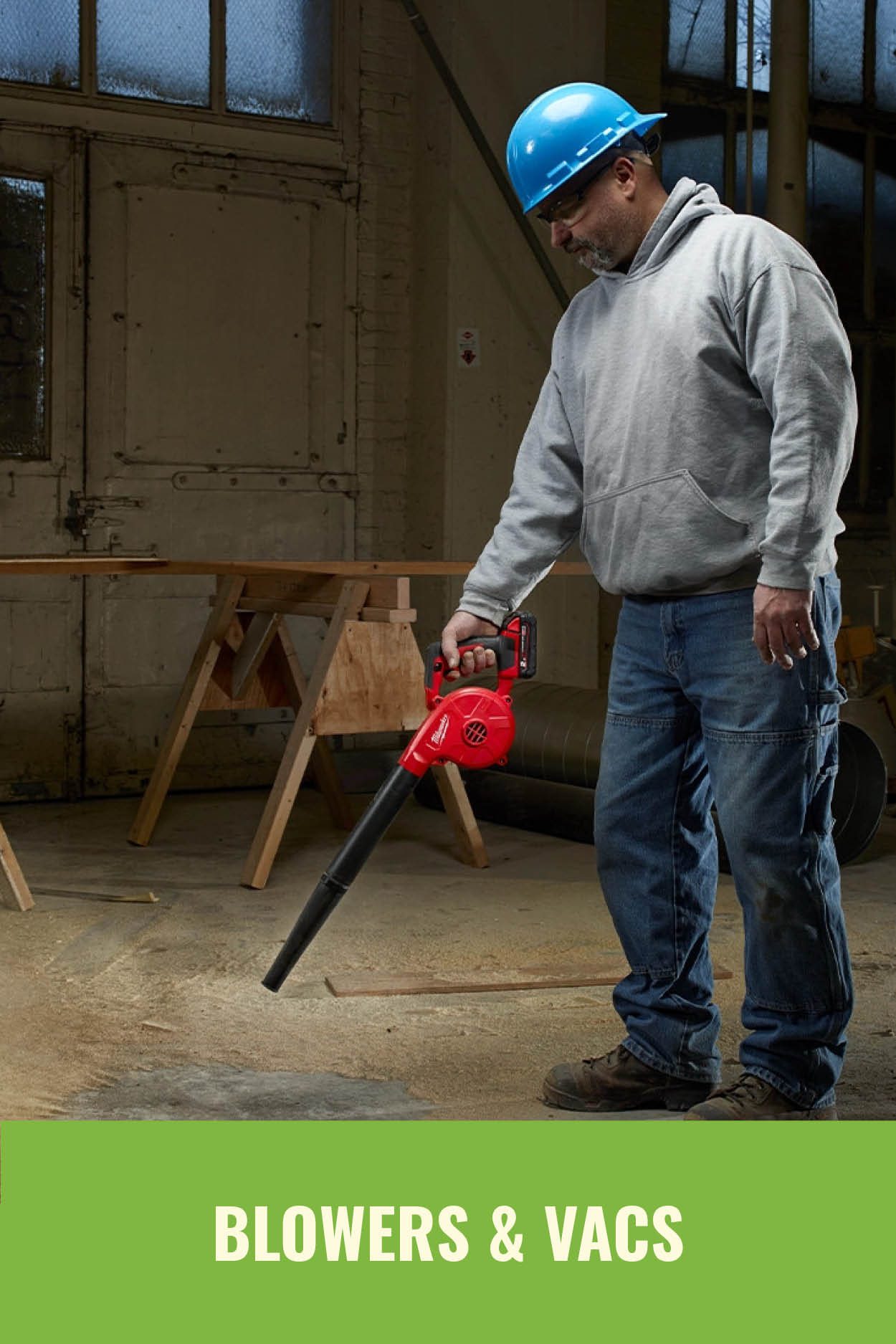
A blower is not for cutting anything back. It comes into its own after the cutting is done, shifting leaves, dust, clippings, and loose site debris quickly off hard surfaces for a cleaner finish.
Hedge Trimmer
Choose this when the job is shaping and reducing hedge growth rather than clearing ground cover. It gives a much neater finish on boundaries and shrubs, but it is the wrong tool for long grass or heavy undergrowth at ground level.
Maintenance and Care
Clean Off After Use
Grass sap, wet leaves, and fine dust soon build up round guards, vents, and cutting heads. Brush the tool down after each job so it does not clog up or start running hot.
Check Cutting Parts Regularly
Worn line, chipped blades, and loose heads make the tool work harder and give a rougher finish. Swap them out early rather than pushing on and risking damage to the drive system.
Look After Batteries Properly
Do not leave batteries flat in the van for weeks or cooking in direct sun. Charge them sensibly, store them dry, and rotate packs if you use your cordless garden tools hard through the week.
Store Them Dry and Protected
Outdoor tools are built for rough use, but they still last longer if they are not left rattling around wet in the back of the van. Use guards, cases, or racking where you can.
Repair or Replace at the Right Time
A fresh blade, new spool, or replacement guard is worth doing. If the shaft is bent, the motor is struggling, or vibration has got excessive, stop patching it and replace the tool before it costs you more in lost time.
Why Shop for Garden Outdoor Tools at ITS?
Whether you need garden tools for quick property maintenance, outdoor tools for regular grounds work, or site clearance tools for rougher jobs, we stock the full range. From strimmers and blowers to hedge trimmers and cordless garden tools, it is all in our own warehouse and ready for next day delivery across the UK.
Garden Outdoor Tools FAQs
What are garden outdoor tools used for?
They are used for cutting back growth, clearing leaves and debris, trimming hedges, and keeping outside areas under control on real jobs. Think site clearance, property maintenance, handover tidy ups, plot prep, and regular grounds work where basic domestic kit would slow you down.
Which garden outdoor tools do I need for site clearance and tidy up jobs?
For most site clearance and tidy up work, start with a strimmer or brushcutter for overgrowth and a blower for the finish. Add a hedge trimmer if boundaries or shrubs need sorting too. That covers the bulk of clearance, edging, and handover work without filling the van with kit you will not use.
Are cordless garden outdoor tools powerful enough for professional use?
Yes, the better cordless garden outdoor tools are more than capable for professional use, especially for routine property maintenance, site tidy ups, and regular grounds work. The main thing is matching the tool to the task and carrying enough battery capacity for the shift. For constant heavy scrub all day, you need a properly specced machine, not the cheapest body on the shelf.
What is the best garden outdoor tool for cutting thick grass, weeds, and scrub?
A brushcutter is usually the better shout for thick grass, weeds, and scrub. A standard strimmer is fine for light edging and routine trimming, but once growth gets dense, fibrous, or neglected, a brushcutter gets through it faster and with less fighting from the operator.
Which garden outdoor tools are best for property maintenance and handover work?
For property maintenance and handover work, the usual winners are blowers, strimmers, and hedge trimmers. They let you tidy edges, clear hard surfaces, and smarten boundaries quickly, which is exactly what most external snagging and presentation jobs need.
How do I choose between a strimmer, brushcutter, blower, and hedge trimmer?
Pick by task, not by what looks closest. A strimmer is for edges and lighter growth, a brushcutter is for rougher and thicker ground cover, a blower is for clearing loose debris, and a hedge trimmer is for boundary shaping and shrub maintenance. If you are doing mixed external work, most teams end up needing at least two of those.
What accessories and spares should I keep for garden outdoor tools?
Keep spare line, replacement heads, fresh blades, charged batteries, and the right charger close by. If you run brushcutters or heavier site clearance tools, a harness and spare guard are worth having too. These are the bits that stop a simple job turning into wasted time and another trip back to the yard.
Are professional garden outdoor tools suitable for all-day use on site?
Yes, provided you buy proper professional garden tools with the runtime, balance, and build for it. The truth is all-day use comes down to comfort, battery planning, and using the right tool for the growth in front of you. Buy too light for the job and you will feel it in your back, shoulders, and lost time by mid afternoon.










-
Garden Power Tools
-
Garden Tool Accessories
-
Outdoor Decorating
-
Garden Hand Tools
-
Watering
-
Gazebos & Tents
-
Lawn & Paving Care
-
Buckets & Tubs
-
Wheelbarrows
-
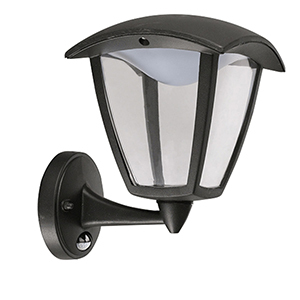
Garden & Outdoor Lights
-
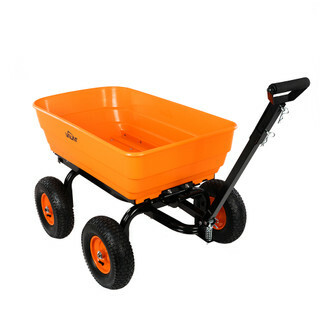
Garden Carts & Trolleys
-

Garden Lights & Electrical
-
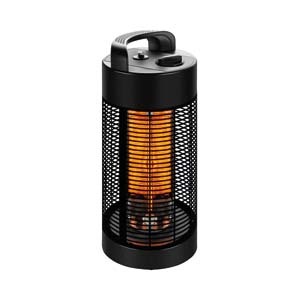
Patio Heaters
-
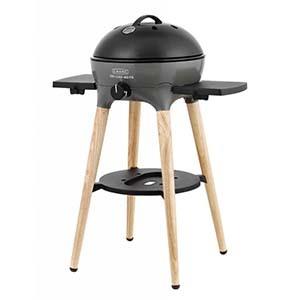
BBQs
-
Cement Mixers
-
Rubble & Bin Bags
-

Garden Furniture
-
Garden & Outdoor What's New



