Gazebos & Tents
When the weather turns and the job still has to crack on, a pop up gazebo gives you fast cover for cutting, setting out, mixing, or keeping kit dry on site.
A decent gazebo tent is not just for events or gardens. On site, a heavy duty pop up gazebo gives you quick shelter for snagging, prep work, outdoor installs, and jobs you cannot leave to the rain. If you need a waterproof gazebo for tools and materials, or a gazebo with sides to cut wind and keep the worst off, match the size and frame to the work. A 3x3 pop up gazebo suits most day-to-day setups, so pick the right one and get covered properly.
What Are Pop Up Gazebos Used For?
- Setting up a dry working area for marking out, cutting, drilling, or assembling parts when the weather turns and the job cannot stop.
- Covering tools, boxes, adhesives, and materials on outdoor jobs so rain does not get into the kit and slow the whole day down.
- Using a gazebo with sides as a pop up work shelter for decorating, sealing, or finishing work where wind and light rain would otherwise ruin the result.
- Giving maintenance teams, fitters, and installers a quick shelter over doors, gates, plant, or service points during repairs outside.
- Creating a clear handover, sign-in, or break area on site where a folding gazebo can go up fast and pack away without eating into van space.
Who Uses These on Site?
- Groundworkers and landscapers use a pop up gazebo to keep mixers, cutters, and materials covered when the rain starts halfway through the day.
- Decorators and repair teams swear by a gazebo with sides for outdoor prep and finishing work where wind, damp, and falling debris can spoil the job.
- Sparks and plumbers use them as a pop up work shelter when working on external power, plant, or service runs and need somewhere dry for tools and test gear.
- Site managers and handover teams keep a folding gazebo ready for sign-in points, paperwork, welfare overflow, or snagging stations that need to go up quickly.
- Event crews, schools, sports clubs, and anyone running outdoor setups also reach for a 3x3 pop up gazebo because it is a practical size that fits most jobs without taking over the space.
Choosing the Right Pop Up Gazebo
Match the shelter to the job and the weather, not just the footprint on the box.
1. Size First
If you just need cover for a bench, a couple of boxes, or one work area, a 3x3 pop up gazebo is usually the safe bet. If you are covering more than two people, stacked materials, or a wider setup, go bigger or you will end up working half in and half out of the rain.
2. Open Gazebo or Gazebo with Sides
If it is mainly for shade, quick cover, or fair weather jobs, an open gazebo tent is fine. If wind is pushing rain sideways or you need to protect finishes, tools, or stock, get a pop up gazebo with sides and save yourself the grief.
3. Frame Strength Matters
For occasional home use, a lighter folding gazebo may do the job. If it is going in and out of the van, getting set up on site, and seeing regular bad weather, buy a heavy duty pop up gazebo with a stronger frame and decent joints or it will soon get sloppy and twisted.
4. Check the Cover Spec
Do not assume every outdoor gazebo is a waterproof gazebo. If you need genuine wet weather cover, check the canopy material, seams, and side panels properly. Shower resistance is one thing. Standing up to a full day of rain is another.
The Basics: Understanding Pop Up Gazebos
The main difference is not complicated. You are choosing between how fast it goes up, how much weather it keeps out, and how much abuse the frame can take.
1. Pop Up Frame Design
A pop up gazebo uses a folding scissor frame that opens out fast, so one or two people can get cover up without a long build. That is what makes it useful for site work, callouts, and jobs where the weather changes in minutes.
2. Open Canopy vs Side Panels
An open canopy gives overhead cover from light rain and sun, which is fine for quick tasks and airflow. Add side panels and the gazebo with sides becomes a more practical pop up work shelter, cutting wind and keeping tools, materials, and paperwork better protected.
3. Light Duty vs Heavy Duty Frames
The heavier the frame and the better the joints, the more stable the gazebo tent tends to be in regular trade use. For occasional garden use, lighter kit may be enough. For site work and repeated setup, a heavy duty pop up gazebo is the one that usually lasts.
Pop Up Gazebo Accessories That Save Hassle on Site
A few simple extras make the shelter safer, steadier, and far more useful once the weather turns.
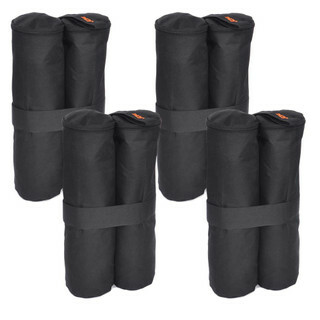
1. Leg Weights
If you are setting up on tarmac, paving, or concrete, leg weights stop the whole thing shifting about when the wind picks up. You will be glad of them when you cannot get pegs in and do not fancy chasing your gazebo across the car park.
2. Tie Down Kits
Straps, ropes, and pegs are basic but they matter. A proper tie down kit keeps the frame loaded correctly and stops the canopy flapping itself to death on exposed jobs.
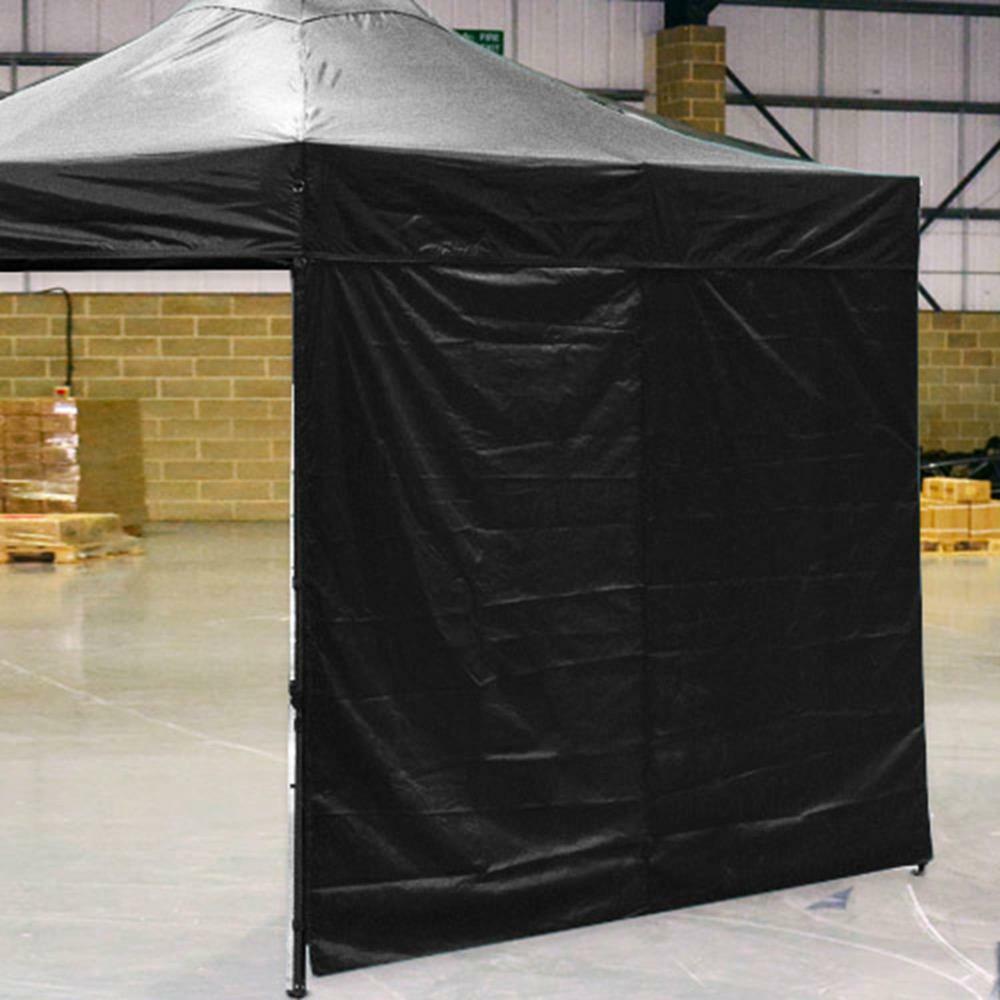
3. Side Panels
Adding sides turns an open shelter into a more useful gazebo with sides for wet or windy work. They are what stop rain blowing onto your bench, your gear, or the finish you are trying to protect.
4. Storage Bag or Wheeled Carry Bag
A proper bag keeps the frame together in the van and saves it getting bent, scratched, or clogged with loose site rubbish. If it is a larger heavy duty pop up gazebo, wheels are worth having for moving it from van to work area.
Choose the Right Pop Up Gazebo for the Job
Use this quick guide to sort the right shelter for how and where you work.
| Your Job | Category or Type | Key Features |
|---|---|---|
| Quick cover for cutting, setting out, or keeping tools dry | 3x3 pop up gazebo | Fast setup, practical footprint, fits most day-to-day site and garden jobs |
| Wet weather work where wind is driving rain into the work area | Pop up gazebo with sides | Side panels, better weather protection, more control over drafts and splash |
| Regular van use and repeated setup on trade jobs | Heavy duty pop up gazebo | Stronger frame, tougher joints, better stability, built to handle more abuse |
| General garden, event, or occasional home use | Standard folding gazebo | Lighter carry weight, simple setup, enough cover for less demanding use |
| Protecting materials, paperwork, or finishes in steady rain | Waterproof gazebo | Water resistant canopy, better seam protection, suited to longer wet weather use |
Common Buying and Usage Mistakes
- Buying by price alone and ending up with a light frame for hard site use. It might be fine in the garden, but constant setup, transport, and rough ground soon show where corners were cut.
- Assuming every canopy is fully waterproof. Some are only meant for light showers, so always check the cover spec if the shelter needs to stay up through proper rain.
- Choosing an open gazebo when the real problem is side wind and blown rain. If the weather is coming in sideways, a gazebo with sides is what actually fixes it.
- Setting up on hard ground without weights or tie downs. That is how frames get dragged, twisted, or lifted, even when the shelter looked steady five minutes earlier.
- Going too small for the job. A shelter that only covers half the bench or leaves materials sticking out soon becomes dead space rather than useful cover.
Open Gazebo vs Gazebo with Sides vs Heavy Duty Pop Up Gazebo
Open Gazebo
Best for quick overhead cover, shade, and fair weather jobs where airflow matters. It is the simplest option, but once wind pushes rain under the canopy, you will wish you had sides.
Gazebo with Sides
The better pick for wetter, colder, or messier jobs where tools, finishes, or stock need more protection. It gives you a more usable working space, though it can take a bit longer to set up and secure properly.
Heavy Duty Pop Up Gazebo
This is the one for frequent site use, transport in the van, and rougher conditions. It usually costs more and weighs more, but the stronger frame pays for itself if the shelter is going up week in, week out.
Maintenance and Care
Dry It Before Storage
Pack a wet canopy away and it will soon smell, stain, or start to break down. Let the fabric dry properly before it goes back in the bag, especially after a full day in the rain.
Clean the Frame Joints
Mud, grit, and site dust get into the folding joints and make setup harder over time. Brush them out and wipe the frame down so it opens and locks as it should.
Check for Bent Legs and Loose Fixings
A slightly bent leg or loose bolt soon turns into a twisted frame that never sits square again. Give it a quick once-over after each job, especially if it has been used on uneven ground or in wind.
Store It Properly in Transit
Do not let the gazebo roll around loose in the van under other gear. Keep it in its bag and laid where heavier kit will not crush the frame or tear the canopy.
Replace Worn Panels and Tie Downs Early
If side panels, straps, or pegs are looking tired, change them before the next bad weather job. These are the bits that keep the shelter usable when conditions turn against you.
Why Shop for Pop Up Gazebos at ITS?
Whether you need a 3x3 pop up gazebo for day-to-day cover, a gazebo with sides for rougher weather, or a heavy duty pop up gazebo for regular site use, we stock the range that trades actually need. It is all in our own warehouse, ready for next day delivery, so you can get the right shelter on site without hanging about.
Pop Up Gazebo FAQs
What is a pop up gazebo used for?
A pop up gazebo is used for quick overhead cover when you need to keep working outside. On site that usually means protecting tools, materials, benches, paperwork, or the work area itself from rain, strong sun, and general mess.
What size pop up gazebo do I need?
For most straightforward jobs, a 3x3 pop up gazebo is the one people start with because it gives decent cover without being awkward to transport or set up. If you are covering more people, wider benches, or stacked materials, step up in size or you will run out of sheltered space fast.
Should I choose a gazebo with sides or an open gazebo?
Choose an open gazebo if you just need top cover for shade or light showers. Choose a gazebo with sides if wind is pushing rain into the space or you need better protection for tools, finishes, or stock. For proper work shelter use, sides usually make the difference.
Are pop up gazebos waterproof?
Some are, some are only shower resistant, so do not assume. A proper waterproof gazebo will have a canopy and seams designed for wet weather use, but it still needs to be pitched correctly and secured well to shed water properly.
What makes a heavy duty pop up gazebo better for site use?
The frame is the main thing. A heavy duty pop up gazebo usually has stronger legs, better joints, and a sturdier overall structure, so it copes better with repeated setup, van transport, and rougher conditions. If it is being used regularly for work, that extra strength matters.
Can a pop up gazebo be used in windy weather?
Yes, but only within reason and only if it is secured properly. Use weights, pegs, and tie downs as needed, and be honest about the conditions. In stronger winds, even a good gazebo tent can become unsafe if it is left unchecked or poorly anchored.
How easy is a pop up gazebo to set up and pack away?
That is the whole point of a folding gazebo. Most go up far quicker than a traditional frame shelter, and one or two people can usually manage the job. Heavier models take a bit more handling, but they are still built for fast setup and quick pack-down.
What accessories do I need for a gazebo on hard ground?
On hard ground, leg weights are the big one because you cannot rely on pegs alone. After that, get proper tie downs, spare side panels if the weather is poor, and a decent carry bag to stop the frame getting knocked about in the van.