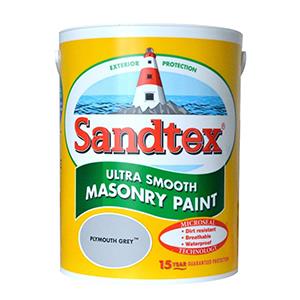
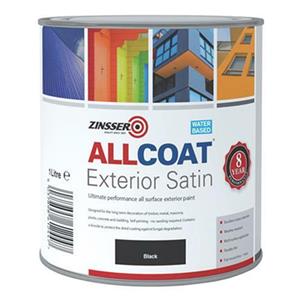
Exterior Paint

External paint is what you reach for when timber, masonry, and joinery outside need proper weather cover that lasts through rain, sun, and site abuse.

When you're finishing fascias, freshening up render, or protecting exterior wood before the weather turns, get the right external paint for the surface, not just the colour chart. Good outdoor coatings cover properly, hold their finish, and stand up to UV, damp, and temperature swings without peeling off after one bad winter. If you are sorting sheds, gates, walls, or trim, start with the job, match the paint to the material, and buy what will last.

What Is External Paint Used For?

  • Protecting exterior timber like sheds, gates, fencing, and cladding where rain gets in fast and cheaper coatings soon start flaking or going patchy.
  • Covering outside masonry, brick, and render on house fronts, garden walls, and outbuildings where you need a finish that copes with damp, sun, and general weathering.
  • Refreshing fascias, soffits, doors, and window frames during snagging or full redecoration so the finish looks clean and gives the surface another layer of defence.
  • Maintaining site cabins, workshops, and storage areas where exposed surfaces take constant punishment from mud, moisture, and changing temperatures.
  • Finishing external jobs before handover when tired paintwork makes the whole place look rough, even if the build work underneath is spot on.

Choosing the Right External Paint

Sorting the right one is simple. Match the paint to the surface and the weather it has to put up with.

1. Timber vs Masonry

If you are coating sheds, gates, cladding, or exterior joinery, use a paint made for timber movement and moisture. If you are doing brick, render, or concrete, go with masonry paint. Use the wrong type and it will fail early, no matter how carefully you put it on.

2. Coverage and Recoat Time

If you are working to a tight weather window, check drying and recoat times properly. Fast recoat products help when you need two coats in a day, but only if the conditions are right. Do not assume all external paint behaves the same once the temperature drops.

3. Finish Level

For walls and large outside areas, a lower sheen usually hides surface roughness better. For doors, trim, and detailed joinery, a smoother finish can look sharper, but it will also show poor prep more clearly. If the substrate is tired, spend more time on prep than chasing a fancy finish.

4. Exposure

If the surface gets full sun, driving rain, or sits damp under trees, buy for that exposure. South-facing walls, coastal jobs, and shaded timber all take punishment in different ways, so pick a coating built for the conditions rather than whatever is nearest in the van.

Who Uses External Paint?

  • Decorators use external paint for full outside repaints, touch-ins, and weatherproofing work on masonry, timber, and exterior trim where finish and durability both matter.
  • Property maintenance teams keep it on hand for regular upkeep on schools, offices, rentals, and public buildings where exposed paintwork soon shows wear.
  • Joiners and chippies reach for it after fitting exterior doors, frames, cladding, and timber details so the job is protected properly, not left bare to soak up water.
  • Landscapers and garden building installers use it on sheds, fencing, sleepers, and outbuildings, especially when clients want the timber protected as well as tidied up.

The Basics: Understanding External Paint

External paint is not just indoor paint in a different tin. It is made to cope with weather, movement, and moisture on outside surfaces. Here is the simple version.

1. It Seals and Protects

The main job is to form a protective layer that slows down water getting into timber, masonry, and exposed joinery. That means less swelling, less surface breakdown, and fewer call-backs when winter gets at it.

2. It Has to Flex Outdoors

Outside surfaces expand, shrink, and move with heat, cold, and damp. Good external paint is made to cope with that movement better than standard interior coatings, so it is less likely to crack or peel off around edges and joints.

3. Surface Type Matters

Masonry paint, wood paint, and fence treatments are all doing a similar job, but on very different materials. If you match the coating to the substrate, it covers better, lasts longer, and saves you repainting the same area far too soon.

External Paint Accessories That Make the Job Easier

The paint matters, but so does the gear you use to put it on and the prep behind it.

1. Exterior Brushes and Rollers

Use the right brush or sleeve for the surface or you will waste paint and fight the finish all day. Good gear from Purdy helps you cut in cleaner on trim and move quicker across rough masonry without leaving half the product in the roller.

2. Primer and Stabiliser

If the surface is chalky, bare, or patchy, do not skip the prep coat. A proper primer or stabiliser stops the top coat soaking in unevenly or lifting off weak substrate once the weather gets at it.

3. Filler and Caulk

Open joints, splits, and failed sealant lines will let water straight behind your finish. Fill and seal first or you will be back sorting cracks and peeled edges long before you should be.

4. Dust Sheets and Masking

On outside jobs, wind and overspray make a mess quickly. Proper masking and cover-up saves windows, paving, and finished trim from splashes that waste more time to clean off than the painting itself.

Choose the Right External Paint for the Job

Pick the coating by surface first, then by exposure and finish requirement.

Your Job External Paint Type Key Features
Painting render, brick, or pebbledash Masonry paint Built for porous surfaces, good coverage on rough walls, and weather resistance for exposed elevations.
Coating sheds, fencing, and garden timber Timber and fence paint Soaks and covers well on exterior wood, helps repel water, and suits large treated areas outside.
Refreshing fascias, soffits, and exterior joinery Exterior wood paint Better for smoother timber, cleaner finish on trim, and improved resistance to cracking and peeling.
Covering doors and window frames Exterior trim paint Made for detailed brush work, sharper finish, and better durability on high visibility joinery.
Quick tidy-up on weathered outbuildings Fast recoat exterior paint Useful when weather windows are tight and you need solid coverage without dragging the job into another day.

Common Buying and Usage Mistakes

  • Buying by colour only and ignoring the surface type. Timber, masonry, and exterior trim all need the right coating or the finish will fail early and cost you more in prep and repainting.
  • Painting over dirt, algae, chalky walls, or loose old coatings. The new paint only sticks as well as the surface under it, so poor prep usually means flaking, blistering, or patchy coverage.
  • Trying to rush the job in bad weather. If the wall is damp or rain is due too soon, even decent external paint can struggle to cure properly and you end up locking problems in.
  • Skipping primer on bare or repaired areas. That usually leaves flashing, uneven suction, and weak spots where the top coat wears through first.
  • Underestimating coverage on rough masonry or sawn timber. Textured surfaces drink paint, so check spread rates properly and buy enough to finish the job in consistent coats.

Masonry Paint vs Exterior Wood Paint vs Shed and Fence Paint

Masonry Paint

Best for brick, render, concrete, and rough outside walls. It is made to cover porous mineral surfaces and cope with exposed weathering, but it is not the right choice for moving timber.

Exterior Wood Paint

Use this on doors, frames, fascias, cladding, and other exterior joinery where finish quality matters. It is better suited to timber movement and gives a neater result than heavier wall coatings.

Shed and Fence Paint

This is the practical pick for large garden timber areas where speed and coverage matter more than a fine trim finish. For rough sawn panels and sheds, see Shed & Fence Paint.

Maintenance and Care

Seal Tins Properly

Wipe the rim clean and shut the lid down tight after use. Leave paint exposed to air and it skins over fast, especially if it has been opened and dragged round site all day.

Store It Frost Free

Do not leave external paint in a freezing van or damp lock-up. Temperature swings can ruin the consistency and make the next coat harder to apply evenly.

Clean Tools Straight Away

Wash brushes, rollers, and scuttles as soon as the coat is done or the paint starts setting in the fibres. Good application gear lasts far longer if you do not let it dry solid between jobs.

Check Leftover Paint Before Reuse

If it has separated badly, gone lumpy, or smells off, do not risk it on a visible wall or joinery run. Stir it properly and test a small area first rather than spoiling the finish halfway through.

Inspect Exterior Surfaces Yearly

Catch flaking edges, failed sealant, or small bare patches early and you can touch them in before water gets behind the full coating. That is far easier than stripping whole elevations later.

Why Shop for External Paint at ITS?

Whether you need masonry coatings, timber finishes, or paint for exterior joinery and garden jobs, we stock the full external paint range in one place. You can shop Exterior Paint options for all sorts of outdoor work, with stock held in our own warehouse and ready for next day delivery.

External Paint FAQs

What type of paint is best for exterior?

The best type depends on the surface. Masonry paint is right for brick, render, and concrete, while exterior wood paint is the one for doors, frames, cladding, and trim. For sheds and fencing, use a product made for rough exterior timber. Match the paint to the substrate first or it will not last as well as it should.

What is exterior paint?

Exterior paint is a coating made for outdoor surfaces that need protection from rain, sun, damp, and temperature changes. It is built to cope with movement and exposure better than interior paint, so it is the proper choice for outside walls, timber, and external joinery.

What is outdoor paint called?

Most people call it exterior paint or external paint. You will also see it sold by surface type, such as masonry paint, exterior wood paint, or shed and fence paint. The important bit is not the label on the front, but whether it is made for the material you are painting.

Can I use indoor paint outside if it is only a small job?

No, it is a false economy. Interior paint is not made to handle constant weather exposure, so even on a small patch it can break down quickly, lose adhesion, or start peeling once moisture gets behind it.

Does external paint need a primer first?

Often, yes. Bare timber, repaired patches, porous masonry, and chalky old surfaces usually need the right primer or stabiliser first. On sound previously painted areas you may get away without it, but only if the surface is clean, firm, and compatible with the top coat.

How long does external paint usually last outside?

If the prep is done properly and the right product goes on the right surface, you should get years out of it. South-facing walls, shaded damp areas, and exposed timber can all wear at different rates, so longevity comes down to preparation, product choice, and site conditions as much as the paint itself.
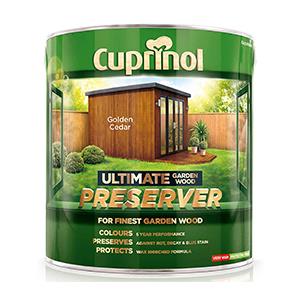
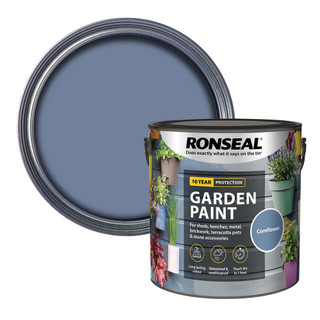
Read more

Exterior Paint

External paint is what you reach for when timber, masonry, and joinery outside need proper weather cover that lasts through rain, sun, and site abuse.

When you're finishing fascias, freshening up render, or protecting exterior wood before the weather turns, get the right external paint for the surface, not just the colour chart. Good outdoor coatings cover properly, hold their finish, and stand up to UV, damp, and temperature swings without peeling off after one bad winter. If you are sorting sheds, gates, walls, or trim, start with the job, match the paint to the material, and buy what will last.

What Is External Paint Used For?

  • Protecting exterior timber like sheds, gates, fencing, and cladding where rain gets in fast and cheaper coatings soon start flaking or going patchy.
  • Covering outside masonry, brick, and render on house fronts, garden walls, and outbuildings where you need a finish that copes with damp, sun, and general weathering.
  • Refreshing fascias, soffits, doors, and window frames during snagging or full redecoration so the finish looks clean and gives the surface another layer of defence.
  • Maintaining site cabins, workshops, and storage areas where exposed surfaces take constant punishment from mud, moisture, and changing temperatures.
  • Finishing external jobs before handover when tired paintwork makes the whole place look rough, even if the build work underneath is spot on.

Choosing the Right External Paint

Sorting the right one is simple. Match the paint to the surface and the weather it has to put up with.

1. Timber vs Masonry

If you are coating sheds, gates, cladding, or exterior joinery, use a paint made for timber movement and moisture. If you are doing brick, render, or concrete, go with masonry paint. Use the wrong type and it will fail early, no matter how carefully you put it on.

2. Coverage and Recoat Time

If you are working to a tight weather window, check drying and recoat times properly. Fast recoat products help when you need two coats in a day, but only if the conditions are right. Do not assume all external paint behaves the same once the temperature drops.

3. Finish Level

For walls and large outside areas, a lower sheen usually hides surface roughness better. For doors, trim, and detailed joinery, a smoother finish can look sharper, but it will also show poor prep more clearly. If the substrate is tired, spend more time on prep than chasing a fancy finish.

4. Exposure

If the surface gets full sun, driving rain, or sits damp under trees, buy for that exposure. South-facing walls, coastal jobs, and shaded timber all take punishment in different ways, so pick a coating built for the conditions rather than whatever is nearest in the van.

Who Uses External Paint?

  • Decorators use external paint for full outside repaints, touch-ins, and weatherproofing work on masonry, timber, and exterior trim where finish and durability both matter.
  • Property maintenance teams keep it on hand for regular upkeep on schools, offices, rentals, and public buildings where exposed paintwork soon shows wear.
  • Joiners and chippies reach for it after fitting exterior doors, frames, cladding, and timber details so the job is protected properly, not left bare to soak up water.
  • Landscapers and garden building installers use it on sheds, fencing, sleepers, and outbuildings, especially when clients want the timber protected as well as tidied up.

The Basics: Understanding External Paint

External paint is not just indoor paint in a different tin. It is made to cope with weather, movement, and moisture on outside surfaces. Here is the simple version.

1. It Seals and Protects

The main job is to form a protective layer that slows down water getting into timber, masonry, and exposed joinery. That means less swelling, less surface breakdown, and fewer call-backs when winter gets at it.

2. It Has to Flex Outdoors

Outside surfaces expand, shrink, and move with heat, cold, and damp. Good external paint is made to cope with that movement better than standard interior coatings, so it is less likely to crack or peel off around edges and joints.

3. Surface Type Matters

Masonry paint, wood paint, and fence treatments are all doing a similar job, but on very different materials. If you match the coating to the substrate, it covers better, lasts longer, and saves you repainting the same area far too soon.

External Paint Accessories That Make the Job Easier

The paint matters, but so does the gear you use to put it on and the prep behind it.

1. Exterior Brushes and Rollers

Use the right brush or sleeve for the surface or you will waste paint and fight the finish all day. Good gear from Purdy helps you cut in cleaner on trim and move quicker across rough masonry without leaving half the product in the roller.

2. Primer and Stabiliser

If the surface is chalky, bare, or patchy, do not skip the prep coat. A proper primer or stabiliser stops the top coat soaking in unevenly or lifting off weak substrate once the weather gets at it.

3. Filler and Caulk

Open joints, splits, and failed sealant lines will let water straight behind your finish. Fill and seal first or you will be back sorting cracks and peeled edges long before you should be.

4. Dust Sheets and Masking

On outside jobs, wind and overspray make a mess quickly. Proper masking and cover-up saves windows, paving, and finished trim from splashes that waste more time to clean off than the painting itself.

Choose the Right External Paint for the Job

Pick the coating by surface first, then by exposure and finish requirement.

Your Job External Paint Type Key Features
Painting render, brick, or pebbledash Masonry paint Built for porous surfaces, good coverage on rough walls, and weather resistance for exposed elevations.
Coating sheds, fencing, and garden timber Timber and fence paint Soaks and covers well on exterior wood, helps repel water, and suits large treated areas outside.
Refreshing fascias, soffits, and exterior joinery Exterior wood paint Better for smoother timber, cleaner finish on trim, and improved resistance to cracking and peeling.
Covering doors and window frames Exterior trim paint Made for detailed brush work, sharper finish, and better durability on high visibility joinery.
Quick tidy-up on weathered outbuildings Fast recoat exterior paint Useful when weather windows are tight and you need solid coverage without dragging the job into another day.

Common Buying and Usage Mistakes

  • Buying by colour only and ignoring the surface type. Timber, masonry, and exterior trim all need the right coating or the finish will fail early and cost you more in prep and repainting.
  • Painting over dirt, algae, chalky walls, or loose old coatings. The new paint only sticks as well as the surface under it, so poor prep usually means flaking, blistering, or patchy coverage.
  • Trying to rush the job in bad weather. If the wall is damp or rain is due too soon, even decent external paint can struggle to cure properly and you end up locking problems in.
  • Skipping primer on bare or repaired areas. That usually leaves flashing, uneven suction, and weak spots where the top coat wears through first.
  • Underestimating coverage on rough masonry or sawn timber. Textured surfaces drink paint, so check spread rates properly and buy enough to finish the job in consistent coats.

Masonry Paint vs Exterior Wood Paint vs Shed and Fence Paint

Masonry Paint

Best for brick, render, concrete, and rough outside walls. It is made to cover porous mineral surfaces and cope with exposed weathering, but it is not the right choice for moving timber.

Exterior Wood Paint

Use this on doors, frames, fascias, cladding, and other exterior joinery where finish quality matters. It is better suited to timber movement and gives a neater result than heavier wall coatings.

Shed and Fence Paint

This is the practical pick for large garden timber areas where speed and coverage matter more than a fine trim finish. For rough sawn panels and sheds, see Shed & Fence Paint.

Maintenance and Care

Seal Tins Properly

Wipe the rim clean and shut the lid down tight after use. Leave paint exposed to air and it skins over fast, especially if it has been opened and dragged round site all day.

Store It Frost Free

Do not leave external paint in a freezing van or damp lock-up. Temperature swings can ruin the consistency and make the next coat harder to apply evenly.

Clean Tools Straight Away

Wash brushes, rollers, and scuttles as soon as the coat is done or the paint starts setting in the fibres. Good application gear lasts far longer if you do not let it dry solid between jobs.

Check Leftover Paint Before Reuse

If it has separated badly, gone lumpy, or smells off, do not risk it on a visible wall or joinery run. Stir it properly and test a small area first rather than spoiling the finish halfway through.

Inspect Exterior Surfaces Yearly

Catch flaking edges, failed sealant, or small bare patches early and you can touch them in before water gets behind the full coating. That is far easier than stripping whole elevations later.

Why Shop for External Paint at ITS?

Whether you need masonry coatings, timber finishes, or paint for exterior joinery and garden jobs, we stock the full external paint range in one place. You can shop Exterior Paint options for all sorts of outdoor work, with stock held in our own warehouse and ready for next day delivery.

External Paint FAQs

What type of paint is best for exterior?

The best type depends on the surface. Masonry paint is right for brick, render, and concrete, while exterior wood paint is the one for doors, frames, cladding, and trim. For sheds and fencing, use a product made for rough exterior timber. Match the paint to the substrate first or it will not last as well as it should.

What is exterior paint?

Exterior paint is a coating made for outdoor surfaces that need protection from rain, sun, damp, and temperature changes. It is built to cope with movement and exposure better than interior paint, so it is the proper choice for outside walls, timber, and external joinery.

What is outdoor paint called?

Most people call it exterior paint or external paint. You will also see it sold by surface type, such as masonry paint, exterior wood paint, or shed and fence paint. The important bit is not the label on the front, but whether it is made for the material you are painting.

Can I use indoor paint outside if it is only a small job?

No, it is a false economy. Interior paint is not made to handle constant weather exposure, so even on a small patch it can break down quickly, lose adhesion, or start peeling once moisture gets behind it.

Does external paint need a primer first?

Often, yes. Bare timber, repaired patches, porous masonry, and chalky old surfaces usually need the right primer or stabiliser first. On sound previously painted areas you may get away without it, but only if the surface is clean, firm, and compatible with the top coat.

How long does external paint usually last outside?

If the prep is done properly and the right product goes on the right surface, you should get years out of it. South-facing walls, shaded damp areas, and exposed timber can all wear at different rates, so longevity comes down to preparation, product choice, and site conditions as much as the paint itself.
ITS Click and Collect Icon
What3Words:
Get Directions
Store Opening Hours
Opening times