Decorating
Decorating Tools are what stop a paint job turning into snagging, rework, and wasted time on site or at home.
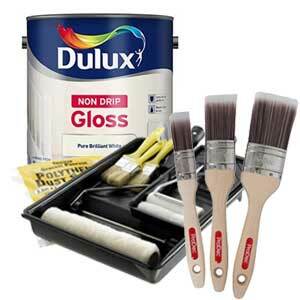
Whether you are cutting in on fresh plaster, rolling out big walls, stripping back old finishes or sorting the final snag list, the right painting and decorating supplies make a visible difference. Good decorators equipment means cleaner lines, better coverage and less mess to put right later. From brushes, rollers and scrapers to fillers, sanding gear and dust control, this is the professional decorating kit that earns its place in the van. If you are doing DIY decorating, buy the bits that match the finish you want and get it done properly first time.
What Are Decorating Tools Used For?
- Cutting in around ceilings, sockets, skirting and frames where a steady brush and proper prep save you hours of touching up after the paint has dried.
- Rolling out large walls and ceilings in new builds, refurbs and occupied homes where decent sleeves and trays help keep coverage even and stop patchy flashing.
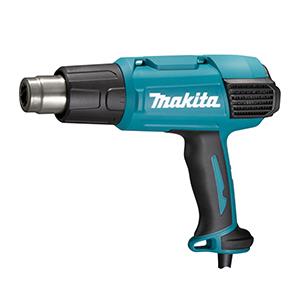
- Stripping loose paper, scraping blown paint and sanding back filler on snagging work where the surface needs sorting before any finish coat goes near it.
- Filling cracks, sealing gaps and masking off finished areas so decorators can move from prep to topcoat without leaving rough edges or paint where it should not be.
- Cleaning up woodwork, doors and trims on final passes where the smaller painters tools are what make the difference between a rushed job and a tidy handover.
Choosing the Right Decorating Tools
Sorting the right decorating tools is simple: match them to the surface, the finish and how often you will actually use them.
1. Brush or Roller
If you are working on trims, frames, corners and detailed cutting in, buy decent brushes and do not skimp. If you are covering full walls and ceilings, rollers are what save your shoulders and keep coverage more even across big areas.
2. Prep Gear Matters More Than Most Think
If the surface is rough, flaky or cracked, do not waste money jumping straight to topcoat kit. Scrapers, fillers, caulk, sanding blocks and dust sheets usually decide whether the finished job looks right or needs doing twice.
3. Buy for the Finish, Not Just the Price
If you are only touching up a cupboard, budget bits may do. If you are doing rooms all week, better rollers, sleeves and brushes hold their shape, shed less and leave a cleaner finish, which is why lads stick with ranges like Prodec and Purdy.
4. Think About the Job Size
For small snagging and one-room work, keep it compact and simple. For bigger refurbs and repeated site work, go for decorators equipment that is easier to clean, quicker to reload and built to last through full days on the hop.
Who Uses These on Site?
- Decorators use these every day for prep, cutting in, rolling walls and sorting the finish coat, because poor gear leaves brush marks, sheds fibres and slows the whole room down.
- Property maintenance teams keep decorating tools close for patch repairs, stain blocking and quick turnarounds in lets, schools and offices where rooms need putting back into service fast.
- Joiners and kitchen fitters reach for painting and decorating supplies when they need to fill, caulk and finish trims, panels and altered sections after second fix work.
- Builders and snagging teams use decorators equipment for the last tidy-up after plastering, carpentry and electrical work, especially where fresh damage needs making good before handover.
- DIY decorating users buy into the same professional decorating kit when they want a cleaner result and fewer headaches than the cheap shed-grade stuff usually causes.
The Basics: Understanding Decorating Tools
Most decorating problems come down to using the wrong tool for the stage of the job. Here is the simple version that actually matters on site.
1. Prep Tools Set the Finish
Scrapers, fillers, sanding gear and masking tools do the hard part before any paint goes on. If the surface is not flat, clean and sound, even expensive paint will show every defect once it dries.
2. Brushes Handle Detail
Brushes are for control. They let you cut in around sockets, architraves, coving and corners where a roller cannot reach without making a mess of adjoining surfaces.
3. Rollers Cover Ground Fast
Rollers are for speed and even coverage on larger areas. Match the sleeve to the surface and paint type, and you will get less spatter, fewer lap marks and a much quicker wall or ceiling finish.
Decorating Accessories That Save Time on the Job
A few sensible extras stop the usual decorating headaches and keep the work moving.
1. Dust Sheets and Masking
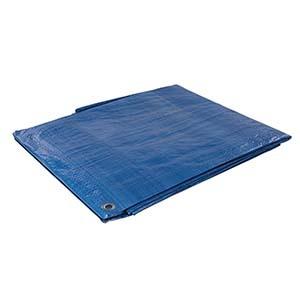
Get proper protection down before you open a tin. Dust sheets and masking save you from cleaning paint out of carpets, off switches and off finished joinery that should never have been touched.
2. Spare Roller Sleeves
Keep spare sleeves in the van. When one clogs up, flattens off or gets left to dry out, you can swap it straight away instead of fighting patchy coverage for the rest of the day.
3. Filling and Caulking Supplies
These are what stop finished rooms showing every gap and knock. Keep filler and caulk to hand for cracks, pin holes and trim lines so the topcoat has half a chance of looking right.
4. Sanding Sheets and Blocks
Fresh filler, raised grain and old flaky edges all need flattening back. Good sanding gear saves you laying paint over rough patches that stand out the moment the light hits them.
Choose the Right Decorating Tools for the Job
Use this quick guide to sort the right kit before you start.
| Your Job | Category or Type | Key Features |
|---|---|---|
| Cutting in around trims, ceilings and corners | Paint Brushes | Good bristle retention, clean edge control, comfortable handle, suited to emulsion or gloss |
| Covering full walls and ceilings quickly | Rollers and Sleeves | Even paint pick-up, low spatter, correct nap length for smooth or textured surfaces |
| Removing loose paint and old paper | Scrapers and Stripping Tools | Stiff blades, comfortable grip, enough strength for stubborn edges and blown areas |
| Repairing cracks and getting surfaces ready | Fillers and Sanding Gear | Fast prep, clean feathering, smooth finish before primer or topcoat |
| Protecting floors, sockets and finished areas | Masking and Protection | Reliable adhesion, tidy removal, proper coverage for carpets, frames and fixtures |
Common Buying and Usage Mistakes
- Buying cheap brushes and sleeves for finish coats often means shedding, brush marks and patchy coverage. Spend a bit more on the kit that actually touches the paint if you want the room to look right.
- Skipping prep is the one that catches most people out. If you paint over dust, flaky edges or rough filler, the defects show straight through and the whole wall can need doing again.
- Using the wrong roller sleeve for the surface wastes paint and leaves texture where you do not want it. Match the nap to the wall or ceiling rather than grabbing whatever is nearest.
- Not protecting floors, furniture and fittings properly always adds cleanup time at the end. A few minutes with masking and dust sheets is quicker than scraping dried paint off finished surfaces.
- Trying to make one tired tool last the whole project usually slows everything down. Replace worn sleeves, bent scrapers and clogged sanding sheets before they start ruining the job.
Brushes vs Rollers vs Prep Tools
Brushes
Best for control, detail and neat edges around trims, corners and fittings. Slower on big areas, but they are the right call when the finish needs to stay tidy and accurate.
Rollers
Best for covering walls and ceilings fast with even paint distribution. They save time on open areas, but you still need a brush for cutting in and awkward spots.
Prep Tools
These do not apply the finish, but they often matter more than the painting tools. If the surface needs scraping, filling or sanding, prep tools are what stop the final coat from highlighting every defect.
Maintenance and Care
Clean Brushes and Rollers Properly
Wash them out as soon as the job is done or between coats if there is a delay. Letting paint dry into the fibres ruins the edge, stiffens the bristles and shortens the life of the tool.
Keep Scrapers Sharp and Straight
Wipe blades clean after use and check for nicks or bends. A damaged scraper tears surfaces and drags filler instead of removing material cleanly.
Store Kit Dry and Dust Free
Do not chuck everything back in the van wet and coated in dust. Dry storage stops rust on metal parts and keeps clean tools ready for the next room instead of contaminating fresh paint.
Replace Worn Consumables Early
Sanding sheets, sleeves and masking are not worth stretching too far. Once they stop cutting, covering or sticking properly, bin them and carry on with fresh gear.
Separate Prep Tools from Finish Tools
Keep your rough prep gear away from the clean finishing kit. It stops grit, dust and old paint fragments getting into brushes, trays and sleeves when you are on final coats.
Why Shop for Decorating Tools at ITS?
Whether you need a few painters tools for touch-ups or full painting and decorating supplies for bigger refurb work, we have the range ready to go. From brushes, rollers and prep gear to dust sheets, fillers and decorators equipment, it is all stocked in our own warehouse for fast dispatch and next day delivery. You can also check Decorating Hot Deals if you want to stock up without hanging about.
Decorating Tools FAQs
What are the essential tools for a decorating project?
At minimum, you want decent brushes, rollers and sleeves, a tray, masking tape, dust sheets, a scraper, filler, caulk and sanding gear. That covers prep, protection and paint application properly. If you skip the prep tools, the finish usually tells on you straight away.
How do I choose between a brush and a roller for interior walls?
Use a brush for cutting in, edges, corners and detailed sections. Use a roller for the main wall area because it is quicker and gives more even coverage. In real jobs, you nearly always need both, not one or the other.
Is professional decorating equipment worth the investment over budget options?
Yes, if you care about the finish or you are doing more than one room. Better kit holds shape, sheds less, cuts in cleaner and lasts longer. Cheap brushes and sleeves often cost more in rework, wasted paint and time than you save at the till.
Do I really need proper prep tools, or can I just paint over minor marks?
No, do not kid yourself. Small cracks, flaky spots and rough filler stand out even more once the finish coat dries, especially in daylight across large walls. A quick scrape, fill and sand is what makes the difference between tidy and amateur.
Will these decorating tools suit DIY decorating as well as trade work?
Yes. The job does not care whether you are trade or DIY decorating. Good tools simply make it easier to get a cleaner result, with less mess and less frustration, especially if you have not got time to redo poor sections.
Can I get everything together for a full room refresh in one order?
Yes, that is the sensible way to do it. Get your prep gear, protection, brushes, rollers and consumables together in one hit so you are not losing half a day chasing missing bits. If you are also sorting outdoor areas or cleanup kit, some lads already buying site gear look at Worx Power Tools for cordless support kit, though keep the decorating order focused on the finish work itself.
How often should I replace brushes, sleeves or sanding consumables?
Replace them when performance drops, not when they are completely dead. If a brush loses its edge, a sleeve stops laying off evenly or sanding sheets stop cutting cleanly, change them. For odd one-off jobs they may last a while, but on regular work they are consumables.