Cleaning & Preparation
Painting Preparation Tools sort the part most lads rush and regret later cleaning, sanding, filling and keying surfaces so the finish actually stays put.
If the wall is dusty, greasy or still flaking, your top coat is only hiding a problem for a week or two. Good painting preparation tools and surface preparation equipment save time on snagging, help paint bond properly, and leave less mess to sort once the room is handed over. From sugar soap and sanding blocks to scrapers and decorators prep tools, this is the kit you reach for before the tin gets opened. If you want a finish that lasts and not callbacks, start with the prep work tools that suit the surface.
What Are Painting Preparation Tools Used For?
- Cleaning down kitchen walls, woodwork and ceilings with sugar soap before painting, so grease, nicotine and site dust do not spoil adhesion.
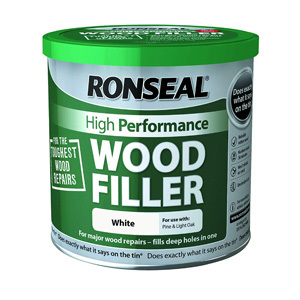
- Sanding back filler, old gloss and rough patches on doors, skirting and previously painted walls, so you are not trapping defects under fresh coats.
- Scraping off flaking paint and loose material during refurbs, especially around windows, bathrooms and high traffic areas where failed coatings usually start.
- Prepping new plaster, repaired sections and timber trim before undercoats and finish coats, so the surface takes paint evenly without flashing or patchiness.
- Sorting handover snags and quick redec jobs where proper surface preparation equipment cuts down rework and gives a cleaner finish first time.
Choosing the Right Painting Preparation Tools
Match the prep kit to the surface and the state it is in. Do not treat dusty new plaster, greasy kitchen walls and loose old gloss as the same job.
1. Cleaning First, Sanding Second
If the surface is greasy or full of traffic marks, start with sugar soap or proper cleaning for paint. If you sand grease into the surface first, you just spread the problem and make more work for yourself.
2. Pick Abrasives for the Surface
If you are flattening filler or keying painted timber, sanding blocks and fine abrasives usually do the job cleanly. If you are stripping rough edges or heavy build-up, go coarser first, then finish finer so you do not leave scratches showing through the top coat.
3. Use Scrapers Where Coatings Have Failed
Do not waste time rubbing away at loose paint that should have been lifted off. If it is flaking, blistered or already lifting, get it back to a sound edge with a scraper before you start sanding.
4. Buy for Repeats, Not Just One Room
If you are decorating day in day out, buy surface preparation equipment that is comfortable in the hand and easy to replace pads or sheets on. Cheap prep tools are false economy if they slow you down halfway through a full house.
Who Uses These on Site?
Decorators are the obvious ones, using painting preparation tools every day for washing down, scraping back and flattening filled areas before any primer or top coat goes on. Maintenance teams, property refurb crews, landlords between tenants and chippies finishing skirting or doors all rely on decorators prep tools because bad prep shows up fast once the paint dries.
Site managers and snagging teams keep prep work tools handy for last minute clean-ups and patch repairs, while kitchen and bathroom fitters use surface preparation equipment to deal with greasy walls, old sealant edges and marked-up surfaces before redecorating starts.
The Basics: Understanding Painting Preparation Tools
Prep is simple when you break it down. You are cleaning off what should not be there, removing anything loose, then keying or smoothing the surface so the new coating can grip and level out properly.
1. Cleaning Removes Contamination
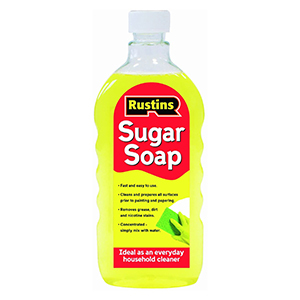
Sugar soap and similar cleaners deal with grease, cooking residue, smoke staining and general grime. That matters because paint sticks to the surface underneath, not the dirt sitting on top of it.
2. Scraping Removes Failure
If the old coating is loose, cracked or flaking, no amount of fresh paint will hold it down for long. Scrapers let you get back to a firm edge so repairs and repainting last properly.
3. Sanding Keys and Levels the Finish
Sanding blocks and abrasives either roughen glossy surfaces so primers can grip, or flatten filler and previous coats so the final finish looks even. It is the step that stops every defect shouting at you in daylight.
Painting Preparation Accessories That Save Time on Site
A few sensible extras make prep cleaner, quicker and far less frustrating once you are into a full room or whole house.
1. Spare Abrasive Sheets and Pads
Do not start a sanding job with one worn sheet and hope for the best. Fresh abrasives cut properly, leave a more even finish and stop you polishing the surface instead of keying it.
2. Buckets, Sponges and Cleaning Cloths
If you are washing down with sugar soap, proper clean-up kit stops you dragging dirty water back over the wall. It is a small thing, but it saves streaks, residue and having to do the job twice.
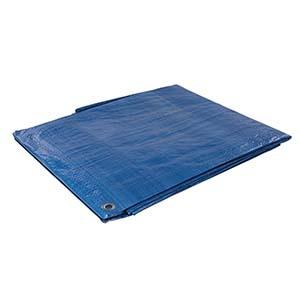
3. Dust Sheets and Masking Materials
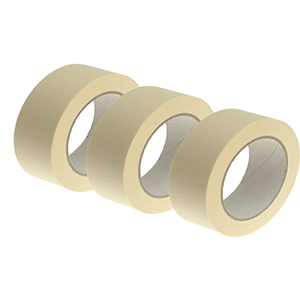
Prep work makes more mess than most customers expect. Covering floors, sockets and finished fittings before you scrape or sand saves clean-up time and stops awkward damage claims later.
Choose the Right Painting Preparation Tools for the Job
Use this quick guide to match the surface condition to the prep kit.
| Your Job | Category or Type | Key Features |
|---|---|---|
| Washing down greasy kitchen walls before repainting | Sugar soap and wall cleaning kit | Lifts grease and grime, easy to rinse off, helps new paint bond properly |
| Keying old gloss on skirting, doors and trim | Sanding blocks and fine abrasives | Good hand control, even pressure, leaves a sound keyed surface without deep scratches |
| Removing flaking paint on tired walls or woodwork | Scrapers | Gets under loose edges, clears failed coating fast, helps you reach a firm base |
| Flattening filler and patch repairs before top coats | Medium to fine prep abrasives | Smooths repairs, blends edges, reduces flashing and visible patching |
| General room prep before decorating starts | Mixed surface preparation equipment | Combines cleaning, scraping and sanding tools so you can deal with whatever the wall throws at you |
Common Buying and Usage Mistakes
- Skipping the cleaning stage because the wall looks fine. Dust, grease and smoke residue will still be there, and that is what causes poor adhesion and patchy drying. Wash down first when in doubt.
- Using abrasives that are too coarse for finish work. That leaves scratches and swirl marks which show straight through the paint, especially on woodwork and under eggshell or satin.
- Painting over loose or flaking material. Fresh paint will not pin down a failed coating for long, so scrape it back properly to a sound edge before filling or priming.
- Buying only one type of prep tool for every surface. Walls, timber, filler and glossy paint all need slightly different treatment, so keep a basic spread of cleaning, scraping and sanding kit.
- Rushing the rinse or dry time after using cleaning products. If residue is left behind, or the surface is still damp, you can end up with poor finish quality and extra waiting later.
Sugar Soap vs Scrapers vs Sanding Blocks
Sugar Soap
This is the first step when grease, smoke residue or general grime is the problem. It cleans the surface ready for paint, but it will not fix loose coatings or level rough filler.
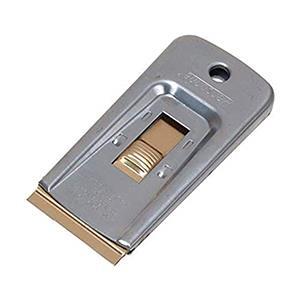
Scrapers
Scrapers are for failed paint, lifted edges and stubborn old material that needs physically removing. They save time on rough prep, but you will usually still need sanding afterwards to tidy the edge.
Sanding Blocks
Sanding blocks are what you use for keying gloss, flattening filler and refining the finish before paint goes on. They give better control than loose paper, but they are not the right starting point for greasy or flaking surfaces.
Maintenance and Care
Clean Tools After Wash Down Jobs
Rinse buckets, sponges and reusable cleaning gear after using sugar soap or other prep cleaners. Letting residue dry in them just contaminates the next job and leaves streaks.
Replace Worn Abrasives Early
Once sanding sheets clog or glaze over, they stop cutting and start wasting your time. Swap them out as soon as they lose bite rather than pressing harder and marking the surface.
Keep Scraper Edges Sound
A nicked or rounded scraper edge tears at paint instead of lifting it cleanly. Check blades regularly and replace them when they stop giving you a clean, controlled cut.
Store Prep Kit Dry and Dust Free
Keep sanding blocks, sheets and cloths dry in the van or stores. Damp abrasives and dirty cloths are useless by the time you get to site and can spoil the finish before painting even starts.
Why Shop for Painting Preparation Tools at ITS?
Whether you need sugar soap, sanding blocks, scrapers or full surface preparation equipment for bigger decorating jobs, we stock the lot in one place. You can shop the wider Decorating range, check specialist options in Festool Decorating, or browse trade favourites from Prodec. We also hold stock in our own warehouse, so the painting preparation tools you need are ready for next day delivery. Keep an eye on Q2 and Q4 for straight trade deals when they are live.
Painting Preparation Tools FAQs
Why is surface preparation the most important part of decorating?
Because the finish is only ever as good as what is underneath it. If the surface is dusty, greasy, loose or uneven, even decent paint will struggle to stick and level out properly. Good prep stops peeling, patchiness and call-backs, which is why experienced decorators spend more time on prep than most customers realise.
What is the best way to clean walls before painting?
Start with a proper wash down using sugar soap or a suitable wall cleaning product, especially in kitchens, hallways and smoking properties. Wipe from top to bottom, change dirty water often, and let the wall dry fully before sanding or painting. It is basic work, but it makes a real difference to adhesion.
How do I remove grease and dirt from surfaces before applying paint?
Use sugar soap or another cleaner made for decorating prep, not just a quick wipe with plain water. Grease needs breaking down properly or it stays on the surface and ruins the bond. Wash it off, rinse if required by the product, and give it time to dry before moving on.
Do I always need to sand before painting?
Not every single time, but on most repainting jobs, yes, at least a light key is worth doing. If the surface is glossy, filled, rough or marked, sanding helps the new coating grip and evens out defects. On tired woodwork and repaired walls, skipping it usually shows in the finish.
Can I paint over flaky paint if I use a decent primer?
No. Primer is not there to glue a failed coating back to the wall. Anything loose needs scraping off first, then the edge should be sanded and repaired before primer and top coats go on.
What prep tools are worth keeping in the van all the time?
A basic decorator will usually keep sugar soap, scrapers, sanding blocks, a spread of abrasive grades, cloths and dust sheets close by. That covers most quick prep, snagging and repaint work without having to keep running back for missing kit.