Paint Brushes & Rollers

Paint Brushes and Rollers are what make the finish, not just the paint. Get the right ones and you cut in cleaner, roll faster, and spend less time fixing misses.

On real decorating jobs, cheap painting application tools cost you time in brush marks, shed bristles and patchy coverage. Good decorators brushes, the right paint roller kit, and choosing between synthetic brushes or natural bristle brushes properly makes all the difference on walls, ceilings, woodwork and snagging. If you want a cleaner finish and less mess to put right, start with the right kit.

What Are Paint Brushes and Rollers Used For?

  • Cutting in along ceilings, skirting and frames with decorators brushes gives you a clean edge before the roller comes out, which matters when you are working occupied rooms or finishing to a tight snag list.
  • Rolling emulsion across plaster, board and previously painted walls covers big areas quickly and keeps the finish more even than trying to brush out whole rooms by hand.
  • Coating doors, trim and detailed joinery with the right professional paint brushes helps you lay off properly, reduce tramlines and get a neater finish on gloss, satin or eggshell.
  • Using a paint roller kit with trays, sleeves and frames speeds up room-to-room work, especially on site refurbs where ceilings and long corridor runs need covering without constant faff.
  • Switching between synthetic brushes for water-based paints and natural bristle brushes for suitable oil-based coatings helps the paint flow properly and stops the finish fighting you all day.

Choosing the Right Paint Brushes and Rollers

Sorting the right ones is simple: match the brush or roller to the paint and the surface, not just what is cheapest on the shelf.

1. Synthetic vs Natural Bristle

If you are using modern water-based paints, go with synthetic brushes because they keep their shape better and do not go soft once they get wet. If you are using suitable oil-based coatings, natural bristle brushes can still give a nice lay-off, but check the paint first and do not assume one brush suits every tin.

2. Brush Size for the Job

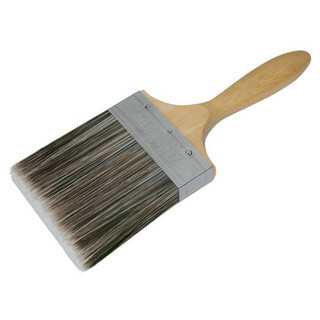
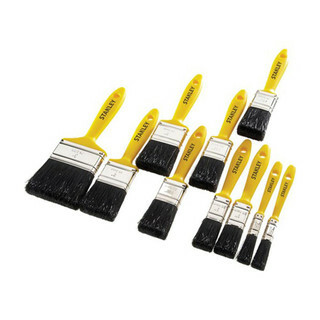
If you are cutting in around sockets, frames and tight corners, smaller decorators brushes give you control. For broad skirting, doors and long timber runs, step up in size so you are not there all afternoon trying to cover width with a little brush.

3. Roller Sleeve Nap Length

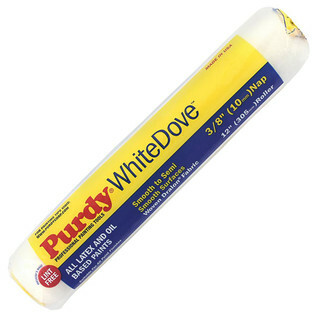
For smooth plaster and decent internal walls, use a shorter or medium nap so you do not leave too much texture behind. If the surface is rougher, like artex, masonry or tired old walls, a longer nap carries more paint and actually reaches into the low spots.

4. Single Tools vs Full Kits

If you are only doing touch-ins, a single brush or sleeve is enough. If you are decorating full rooms or working through a plot list, buy a proper paint roller kit with spare sleeves and a solid frame, because flimsy trays and loose rollers waste more time than they save.

Who Uses These on Site?

  • Decorators use paint brushes and rollers every day for everything from first coats on fresh plaster to final finish work on woodwork, because the right brush and sleeve save time and leave less to sand back.
  • Maintenance teams keep a few reliable painting application tools in the van for touch-ups, communal areas and end-of-tenancy work where quick coverage and a tidy edge matter more than messing about.
  • Builders and snagging crews reach for a paint roller kit when rooms need freshening up before handover, especially on patch repairs, mist coats and quick wall and ceiling jobs.
  • Joiners and kitchen fitters often want decent professional paint brushes for touching in trims, boxing and fitted units, where a poor brush leaves marks you will see every time the light hits it.

Paint Roller and Brush Accessories That Save Time

A few sensible extras stop the usual mess, wasted paint and back-and-forth to the van.

1. Roller Trays and Liners

Use liners if you are changing colours or moving between coats. It saves washing trays every five minutes and stops dried bits getting back into fresh paint.

2. Extension Poles

An extension pole saves your shoulders on ceilings and high walls, and it gives a more even pass than overreaching off a hop-up with a roller in one hand.

3. Spare Roller Sleeves

Keep spare sleeves ready for different paints and surfaces. It stops you trying to make one clogged sleeve do everything and leaving a rough, patchy finish.

4. Brush Comb and Cleaner

A brush comb gets paint out from deep in the stock so the bristles do not set hard at the heel. That is the difference between getting another week out of a brush and binning it early.

Choose the Right Paint Brushes and Rollers for the Job

Use this quick guide to match your painting application tools to the surface and finish.

Your Job Paint Brushes and Rollers Key Features
Cutting in walls and ceilings Angled synthetic brush Better control on edges, works well with water-based paint, cleaner lines around corners and trim
Rolling smooth interior walls Short to medium nap roller sleeve Even coverage, less stipple, good paint release on plaster and well-prepped surfaces
Painting rough walls or masonry Longer nap roller sleeve Carries more paint into dips and texture, faster coverage on uneven backgrounds
Finishing skirting, doors and trim Quality professional paint brushes Cleaner lay-off, fewer brush marks, better control on detailed woodwork
Full room decorating Complete paint roller kit Tray, frame and sleeves together, quicker set-up, easier to keep moving between coats

Common Buying and Usage Mistakes

  • Buying one cheap brush set for every paint type is a false economy. Water-based and oil-based coatings behave differently, so match the filaments properly or you will fight drag, poor lay-off and early brush wear.
  • Using a roller sleeve with too much nap on smooth walls leaves a heavier texture than you wanted. If the wall is fairly flat and properly prepped, use a shorter pile and keep the finish tighter.
  • Overloading the brush or roller usually causes runs, spatter and heavy edges. Work the paint in properly and do not dunk half the tool into the tin just because you want to move faster.
  • Skipping proper cleaning ruins decent painting application tools long before their time. Wash brushes and sleeves out fully after use or the dried paint near the base will wreck the next finish.
  • Trying to make a worn sleeve or shedding brush last one more room often costs more in snagging than replacing it. If it is leaving lint, streaks or loose bristles, change it before it gets on the wall.

Synthetic Brushes vs Natural Bristle Brushes vs Rollers

Synthetic Brushes

Best for most modern water-based paints and everyday decorating work. They hold shape well, clean out easier, and are the safer pick if you are mainly doing emulsion, acrylic eggshell or water-based satin.

Natural Bristle Brushes

Still useful for suitable oil-based coatings where you want a smooth lay-off, but they are not the one to grab automatically for every job. Use them when the coating suits them, not because that is what you used years ago.

Rollers

Rollers are for speed and even coverage across bigger areas like walls and ceilings. They will not replace a brush for cutting in or trim, but they save serious time once the edges are done and the room opens up.

Maintenance and Care

Clean Brushes Properly

Rinse or wash brushes as soon as the job is done, working paint out from the heel as well as the tips. If paint dries near the stock, the brush loses shape and starts dragging lines.

Wash Roller Sleeves Thoroughly

Do not just rinse the outside and call it done. Keep washing until the water runs clear or the next coat will drag dried paint and fluff back onto the wall.

Store Them Dry and Straight

Let brushes dry hanging or flat so the bristles keep their shape, and do not leave roller sleeves crushed under other kit in the van. Bent fibres show up in the finish straight away.

Replace Worn Sleeves and Shedding Brushes

Once a sleeve starts matting down or a brush keeps dropping hairs after cleaning, it is done. Hanging on to it usually means more snagging, not savings.

Keep Paint Off Frames and Ferrules

Wipe roller frames and brush ferrules before paint builds up hard. It keeps moving parts working smoothly and stops flakes breaking loose into fresh paint later on.

Why Shop for Paint Brushes and Rollers at ITS?

Whether you need a single cutting-in brush, a full paint roller kit, or reliable painting application tools for full room work, we stock the lot. You will find decorators brushes, professional paint brushes, sleeves, trays and more from ranges like Prodec, Purdy and Harris, plus wider site kit in Decorators Tools and fresh product drops in OX What's New. It is all in our own warehouse, in stock, and ready for next day delivery.

Paint Brushes and Rollers FAQs

Should I use a synthetic or natural bristle brush for water-based paint?

Use a synthetic brush for water-based paint. That is the straight answer. Synthetic filaments hold their shape better once wet, give a cleaner finish with modern emulsions and trims, and are far less likely to go limp halfway through the job.

What size roller nap is best for smooth interior walls?

For smooth interior walls, stick with a short to medium nap. That gives you good coverage without leaving the wall too stippled. Go too fluffy on a flat wall and you will build texture you did not want.

How do I prevent paint brushes from shedding bristles?

Start with a decent brush, wash it before first use if needed, and do not mash it into the tin up to the ferrule. Most shedding gets worse when brushes are overloaded, cleaned badly, or left to dry with paint packed in at the base.

Will a cheap roller sleeve do the same job as a better one?

Not usually. On a quick rough coat, maybe you get away with it, but better sleeves hold more paint, release it more evenly and shed less lint. That means quicker coverage and less time flatting back a poor finish.

Can I use the same brush for walls, gloss and woodwork?

You can, but it is rarely the right move. A brush that is fine for cutting in emulsion on walls is not always the best for laying off trim paint on skirting or doors. Keep separate brushes for different jobs if you want a cleaner result.

How often should I replace rollers and brushes?

Replace them when they stop leaving a clean finish, not by the calendar. If a roller mats down, splatters more than it covers, or a brush keeps dropping hairs and losing shape after proper cleaning, it is finished.
Read more

Paint Brushes & Rollers

Paint Brushes and Rollers are what make the finish, not just the paint. Get the right ones and you cut in cleaner, roll faster, and spend less time fixing misses.

On real decorating jobs, cheap painting application tools cost you time in brush marks, shed bristles and patchy coverage. Good decorators brushes, the right paint roller kit, and choosing between synthetic brushes or natural bristle brushes properly makes all the difference on walls, ceilings, woodwork and snagging. If you want a cleaner finish and less mess to put right, start with the right kit.

What Are Paint Brushes and Rollers Used For?

  • Cutting in along ceilings, skirting and frames with decorators brushes gives you a clean edge before the roller comes out, which matters when you are working occupied rooms or finishing to a tight snag list.
  • Rolling emulsion across plaster, board and previously painted walls covers big areas quickly and keeps the finish more even than trying to brush out whole rooms by hand.
  • Coating doors, trim and detailed joinery with the right professional paint brushes helps you lay off properly, reduce tramlines and get a neater finish on gloss, satin or eggshell.
  • Using a paint roller kit with trays, sleeves and frames speeds up room-to-room work, especially on site refurbs where ceilings and long corridor runs need covering without constant faff.
  • Switching between synthetic brushes for water-based paints and natural bristle brushes for suitable oil-based coatings helps the paint flow properly and stops the finish fighting you all day.

Choosing the Right Paint Brushes and Rollers

Sorting the right ones is simple: match the brush or roller to the paint and the surface, not just what is cheapest on the shelf.

1. Synthetic vs Natural Bristle

If you are using modern water-based paints, go with synthetic brushes because they keep their shape better and do not go soft once they get wet. If you are using suitable oil-based coatings, natural bristle brushes can still give a nice lay-off, but check the paint first and do not assume one brush suits every tin.

2. Brush Size for the Job

If you are cutting in around sockets, frames and tight corners, smaller decorators brushes give you control. For broad skirting, doors and long timber runs, step up in size so you are not there all afternoon trying to cover width with a little brush.

3. Roller Sleeve Nap Length

For smooth plaster and decent internal walls, use a shorter or medium nap so you do not leave too much texture behind. If the surface is rougher, like artex, masonry or tired old walls, a longer nap carries more paint and actually reaches into the low spots.

4. Single Tools vs Full Kits

If you are only doing touch-ins, a single brush or sleeve is enough. If you are decorating full rooms or working through a plot list, buy a proper paint roller kit with spare sleeves and a solid frame, because flimsy trays and loose rollers waste more time than they save.

Who Uses These on Site?

  • Decorators use paint brushes and rollers every day for everything from first coats on fresh plaster to final finish work on woodwork, because the right brush and sleeve save time and leave less to sand back.
  • Maintenance teams keep a few reliable painting application tools in the van for touch-ups, communal areas and end-of-tenancy work where quick coverage and a tidy edge matter more than messing about.
  • Builders and snagging crews reach for a paint roller kit when rooms need freshening up before handover, especially on patch repairs, mist coats and quick wall and ceiling jobs.
  • Joiners and kitchen fitters often want decent professional paint brushes for touching in trims, boxing and fitted units, where a poor brush leaves marks you will see every time the light hits it.

Paint Roller and Brush Accessories That Save Time

A few sensible extras stop the usual mess, wasted paint and back-and-forth to the van.

1. Roller Trays and Liners

Use liners if you are changing colours or moving between coats. It saves washing trays every five minutes and stops dried bits getting back into fresh paint.

2. Extension Poles

An extension pole saves your shoulders on ceilings and high walls, and it gives a more even pass than overreaching off a hop-up with a roller in one hand.

3. Spare Roller Sleeves

Keep spare sleeves ready for different paints and surfaces. It stops you trying to make one clogged sleeve do everything and leaving a rough, patchy finish.

4. Brush Comb and Cleaner

A brush comb gets paint out from deep in the stock so the bristles do not set hard at the heel. That is the difference between getting another week out of a brush and binning it early.

Choose the Right Paint Brushes and Rollers for the Job

Use this quick guide to match your painting application tools to the surface and finish.

Your Job Paint Brushes and Rollers Key Features
Cutting in walls and ceilings Angled synthetic brush Better control on edges, works well with water-based paint, cleaner lines around corners and trim
Rolling smooth interior walls Short to medium nap roller sleeve Even coverage, less stipple, good paint release on plaster and well-prepped surfaces
Painting rough walls or masonry Longer nap roller sleeve Carries more paint into dips and texture, faster coverage on uneven backgrounds
Finishing skirting, doors and trim Quality professional paint brushes Cleaner lay-off, fewer brush marks, better control on detailed woodwork
Full room decorating Complete paint roller kit Tray, frame and sleeves together, quicker set-up, easier to keep moving between coats

Common Buying and Usage Mistakes

  • Buying one cheap brush set for every paint type is a false economy. Water-based and oil-based coatings behave differently, so match the filaments properly or you will fight drag, poor lay-off and early brush wear.
  • Using a roller sleeve with too much nap on smooth walls leaves a heavier texture than you wanted. If the wall is fairly flat and properly prepped, use a shorter pile and keep the finish tighter.
  • Overloading the brush or roller usually causes runs, spatter and heavy edges. Work the paint in properly and do not dunk half the tool into the tin just because you want to move faster.
  • Skipping proper cleaning ruins decent painting application tools long before their time. Wash brushes and sleeves out fully after use or the dried paint near the base will wreck the next finish.
  • Trying to make a worn sleeve or shedding brush last one more room often costs more in snagging than replacing it. If it is leaving lint, streaks or loose bristles, change it before it gets on the wall.

Synthetic Brushes vs Natural Bristle Brushes vs Rollers

Synthetic Brushes

Best for most modern water-based paints and everyday decorating work. They hold shape well, clean out easier, and are the safer pick if you are mainly doing emulsion, acrylic eggshell or water-based satin.

Natural Bristle Brushes

Still useful for suitable oil-based coatings where you want a smooth lay-off, but they are not the one to grab automatically for every job. Use them when the coating suits them, not because that is what you used years ago.

Rollers

Rollers are for speed and even coverage across bigger areas like walls and ceilings. They will not replace a brush for cutting in or trim, but they save serious time once the edges are done and the room opens up.

Maintenance and Care

Clean Brushes Properly

Rinse or wash brushes as soon as the job is done, working paint out from the heel as well as the tips. If paint dries near the stock, the brush loses shape and starts dragging lines.

Wash Roller Sleeves Thoroughly

Do not just rinse the outside and call it done. Keep washing until the water runs clear or the next coat will drag dried paint and fluff back onto the wall.

Store Them Dry and Straight

Let brushes dry hanging or flat so the bristles keep their shape, and do not leave roller sleeves crushed under other kit in the van. Bent fibres show up in the finish straight away.

Replace Worn Sleeves and Shedding Brushes

Once a sleeve starts matting down or a brush keeps dropping hairs after cleaning, it is done. Hanging on to it usually means more snagging, not savings.

Keep Paint Off Frames and Ferrules

Wipe roller frames and brush ferrules before paint builds up hard. It keeps moving parts working smoothly and stops flakes breaking loose into fresh paint later on.

Why Shop for Paint Brushes and Rollers at ITS?

Whether you need a single cutting-in brush, a full paint roller kit, or reliable painting application tools for full room work, we stock the lot. You will find decorators brushes, professional paint brushes, sleeves, trays and more from ranges like Prodec, Purdy and Harris, plus wider site kit in Decorators Tools and fresh product drops in OX What's New. It is all in our own warehouse, in stock, and ready for next day delivery.

Paint Brushes and Rollers FAQs

Should I use a synthetic or natural bristle brush for water-based paint?

Use a synthetic brush for water-based paint. That is the straight answer. Synthetic filaments hold their shape better once wet, give a cleaner finish with modern emulsions and trims, and are far less likely to go limp halfway through the job.

What size roller nap is best for smooth interior walls?

For smooth interior walls, stick with a short to medium nap. That gives you good coverage without leaving the wall too stippled. Go too fluffy on a flat wall and you will build texture you did not want.

How do I prevent paint brushes from shedding bristles?

Start with a decent brush, wash it before first use if needed, and do not mash it into the tin up to the ferrule. Most shedding gets worse when brushes are overloaded, cleaned badly, or left to dry with paint packed in at the base.

Will a cheap roller sleeve do the same job as a better one?

Not usually. On a quick rough coat, maybe you get away with it, but better sleeves hold more paint, release it more evenly and shed less lint. That means quicker coverage and less time flatting back a poor finish.

Can I use the same brush for walls, gloss and woodwork?

You can, but it is rarely the right move. A brush that is fine for cutting in emulsion on walls is not always the best for laying off trim paint on skirting or doors. Keep separate brushes for different jobs if you want a cleaner result.

How often should I replace rollers and brushes?

Replace them when they stop leaving a clean finish, not by the calendar. If a roller mats down, splatters more than it covers, or a brush keeps dropping hairs and losing shape after proper cleaning, it is finished.

ITS Click and Collect Icon
What3Words:
Get Directions
Store Opening Hours
Opening times