Painting

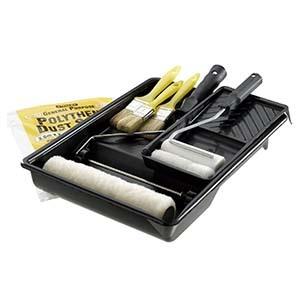
Painting equipment covers the brushes, rollers, trays, sheets and prep kit you need for clean cut-ins, fast coverage and a tidy finish on site.

If you're painting a room from bare prep through to final coat, this is the kit that stops the job turning into a mess. Good professional painting tools hold more paint, shed less, and leave a cleaner finish on walls, ceilings and woodwork. Whether you're doing snagging, full refurbs or routine maintenance, sort your painters kit properly and the work goes quicker, cleaner and with less wasted paint. You can shop trusted names like Prodec, check current offers in Q1 and Q2, look ahead to Q4, or see NEW Products Just Added before you load up for the next job.

What Jobs Are Painting Equipment Best At?

  • Cutting in around sockets, skirting, coving and window boards where a decent brush gives you control and stops you spending half the day wiping off mistakes.
  • Rolling out large walls and ceilings in empty rooms, new builds and refurbs where the right sleeve and frame lay paint on quickly without leaving dry patches or heavy tramlines.
  • Prepping tired surfaces by sanding, filling, masking and dusting down before paint goes near them, because most decorating jobs are won or lost before the tin is even opened.
  • Painting doors, trim and woodwork on snagging and finish work where smaller rollers, trays and proper decorating painting tools help you keep runs, lap marks and brush drag under control.
  • Protecting floors, furniture and client spaces during occupied jobs with sheets, tape and house painting supplies that save awkward clean-up and costly call-backs.

Choosing the Right Painting Equipment

Sorting the right painting equipment is simple. Match the tool to the surface and finish, not just the paint tin.

1. Brush or Roller

If you are doing edges, trim, corners and detail work, buy decent brushes first because that is where bad kit shows up straight away. If you are covering full walls and ceilings, a proper roller setup will save hours and give you a more even coat.

2. Sleeve Length Matters

If the surface is smooth plaster, go for a shorter pile so you do not overload it and leave texture where you do not want it. If you are painting rougher masonry or uneven surfaces, use a longer pile so the paint actually gets into the face instead of skating over the top.

3. Buy Prep Kit at the Same Time

Do not spend properly on rollers then skimp on masking tape, sheets and abrasives. If the room is occupied or freshly finished, prep gear is what saves you from extra cleaning, snagging and arguments at handover.

4. Choose for Volume of Work

If it is one room now and then, a basic set will do the job. If you are painting most weeks, buy trade-grade professional painting tools that hold their shape, clean up properly and do not start shedding fibres halfway through a white ceiling.

Who Uses These on Site?

  • Decorators use painting equipment every day for prep, cutting in, rolling out and finishing, because the right brush and roller setup makes a visible difference to speed and finish quality.
  • Maintenance teams keep a painters kit handy for touch-ups in schools, offices, rentals and communal areas where quick, tidy work matters more than dragging out a full van load.
  • Builders and chippies reach for house painting supplies on final snagging, especially when fresh skirting, doors and boxing-in need sealing and coating before handover.
  • Landlords and refurb crews rely on professional painting tools for fast room turnarounds, where decent coverage and easy clean-up keep empty properties moving.

Painting Accessories That Save Time on the Job

The right extras stop mess, cut repeat trips to the van and make your painting equipment work properly from start to finish.

1. Roller Extension Poles

Get one if you are doing ceilings or stairwells. It saves you climbing up and down steps all day and helps keep pressure even, so you are not leaving thin spots or heavy lines across big areas.

2. Masking Tape and Dust Sheets

This is the stuff that stops a simple room refresh turning into an hour of scraping paint off sockets, floors and client furniture. On occupied jobs, it is not optional.

3. Paint Scuttles and Liners

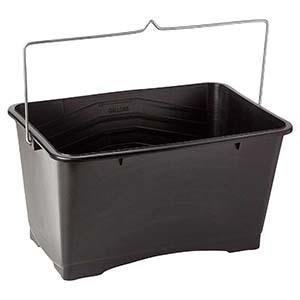
A scuttle is far easier when you are rolling out whole rooms, and liners save you washing out dried paint between coats or colours when time is tight.

4. Sanding Sheets and Filling Knives

Keep these with your painters kit because every wall has knocks, old filler or rough patches. Sort them before painting or you will see every defect once the light hits the finish.

Choose the Right Painting Equipment for the Job

Use this quick guide to match your decorating painting tools to the work in front of you.

Your Job Painting Equipment or Type Key Features
Cutting in around ceilings, switches and trim Angled or fine finish brush Better control, cleaner edge work, less paint spread where you do not want it
Rolling large plastered walls and ceilings Medium pile roller sleeve and frame Fast coverage, even lay-off, suits standard emulsion on smooth to lightly textured surfaces
Painting rough masonry or heavily textured surfaces Long pile roller sleeve Gets paint into uneven surfaces, holds more paint, cuts down missed spots
Doors, cupboards and woodwork Mini roller and brush set Better control in tight areas, smoother finish on smaller faces, less mess
Occupied rooms and handover work Prep and protection kit Dust sheets, masking and abrasives keep the area tidy and reduce snagging after painting

Common Buying and Usage Mistakes

  • Buying the cheapest roller sleeves going usually means loose fibres, poor coverage and more coats. Spend a bit more on trade sleeves and the finish is cleaner straight away.
  • Using the same brush for walls, gloss and fine cutting in makes life harder than it needs to be. Keep separate tools for different jobs or you will fight drag, mess and poor edges.
  • Skipping prep kit to save a few quid nearly always costs more in labour. If you do not sheet up, mask off and sand properly, you will lose time on clean-up and snagging.
  • Leaving brushes and rollers wet with paint between jobs ruins them fast. Clean them properly after use or wrap them correctly if you are going back in after a short break.
  • Choosing the wrong pile length for the surface wastes paint and leaves a poor finish. Smooth walls want a shorter pile, while rougher surfaces need a sleeve that can actually reach into the texture.

Brushes vs Rollers vs Paint Pads

Brushes

Best for cutting in, trim, corners and detail where control matters more than speed. They are slower on open areas, but you will still need them on nearly every decorating job.

Rollers

The right choice for walls and ceilings when coverage matters. Rollers are faster and more even over big areas, but the wrong sleeve can leave texture, splatter or missed patches.

Paint Pads

Handy for smaller flat areas and quick maintenance work where you want less splatter. They are not the first pick for full room work, especially on uneven walls or textured surfaces.

Maintenance and Care

Clean Straight After Use

Do not leave paint drying into the bristles or sleeve core. Wash out as soon as the coat is done and you will get far more life from your brushes, rollers and trays.

Store Brushes Properly

Hang them or keep them flat so the bristles hold their shape. If they get crushed in a box or van drawer, they will never cut in cleanly again.

Check Frames and Handles

Loose roller frames, bent cages and split handles make the finish worse and tire you out faster. Replace worn parts before they start marking the work.

Keep Prep Tools Separate

Filling knives, scrapers and sanding blocks pick up dust and filler constantly. Keep them separate from clean painting gear so you are not dragging grit into fresh paint.

Replace When Finish Starts Suffering

A brush that fans out or a sleeve that keeps shedding is done. If the tool is costing you time or leaving marks you have to fix, it is cheaper to replace it than fight it.

Why Shop for Painting Equipment at ITS?

Whether you need a single brush, a full painters kit, or bulk house painting supplies for ongoing site work, we stock the full range of painting equipment and professional painting tools in one place. It is all held in our own warehouse, in stock and ready for next day delivery, so you can get sorted without holding the job up.

Painting Equipment FAQs

What tools do I need to paint a room from scratch?

At minimum, get dust sheets, masking tape, filler, a filling knife, sanding sheets, a decent brush for cutting in, a roller frame, the right sleeves for the surface, and a tray or scuttle. If there is ceiling work involved, add an extension pole. That covers prep, protection and application properly instead of trying to make one cheap set do everything badly.

How do I maintain my painting tools to make them last for multiple projects?

Clean them straight after use, reshape brushes before they dry, and store them where the bristles and sleeves will not get crushed. If you leave paint to harden in the tool, or chuck everything loose in the van, they will be fit only for rough work next time out. A few extra minutes cleaning saves you replacing kit too often.

What is the most efficient way to paint large areas?

Use a roller and extension pole with the correct pile for the surface, work from a scuttle rather than a small tray, and cut in one section at a time so you can keep a wet edge. That is the fastest way to cover walls and ceilings without leaving patchy joins all over the room.

Are cheap painting sets worth it for site work?

Usually not if you are using them regularly. Cheap sets are fine for one quick touch-up, but on proper jobs they tend to shed, bend or wear out fast. If you paint often, trade-grade gear is cheaper in the long run because it covers better and lasts longer.

Do I really need different brushes and rollers for different surfaces?

Yes, if you want a decent finish. Smooth plaster, rough masonry and woodwork all behave differently, and one tool will not suit all three properly. Matching the brush or sleeve to the surface gives better coverage, less mess and fewer remedial coats.
Read more

Painting

Painting equipment covers the brushes, rollers, trays, sheets and prep kit you need for clean cut-ins, fast coverage and a tidy finish on site.

If you're painting a room from bare prep through to final coat, this is the kit that stops the job turning into a mess. Good professional painting tools hold more paint, shed less, and leave a cleaner finish on walls, ceilings and woodwork. Whether you're doing snagging, full refurbs or routine maintenance, sort your painters kit properly and the work goes quicker, cleaner and with less wasted paint. You can shop trusted names like Prodec, check current offers in Q1 and Q2, look ahead to Q4, or see NEW Products Just Added before you load up for the next job.

What Jobs Are Painting Equipment Best At?

  • Cutting in around sockets, skirting, coving and window boards where a decent brush gives you control and stops you spending half the day wiping off mistakes.
  • Rolling out large walls and ceilings in empty rooms, new builds and refurbs where the right sleeve and frame lay paint on quickly without leaving dry patches or heavy tramlines.
  • Prepping tired surfaces by sanding, filling, masking and dusting down before paint goes near them, because most decorating jobs are won or lost before the tin is even opened.
  • Painting doors, trim and woodwork on snagging and finish work where smaller rollers, trays and proper decorating painting tools help you keep runs, lap marks and brush drag under control.
  • Protecting floors, furniture and client spaces during occupied jobs with sheets, tape and house painting supplies that save awkward clean-up and costly call-backs.

Choosing the Right Painting Equipment

Sorting the right painting equipment is simple. Match the tool to the surface and finish, not just the paint tin.

1. Brush or Roller

If you are doing edges, trim, corners and detail work, buy decent brushes first because that is where bad kit shows up straight away. If you are covering full walls and ceilings, a proper roller setup will save hours and give you a more even coat.

2. Sleeve Length Matters

If the surface is smooth plaster, go for a shorter pile so you do not overload it and leave texture where you do not want it. If you are painting rougher masonry or uneven surfaces, use a longer pile so the paint actually gets into the face instead of skating over the top.

3. Buy Prep Kit at the Same Time

Do not spend properly on rollers then skimp on masking tape, sheets and abrasives. If the room is occupied or freshly finished, prep gear is what saves you from extra cleaning, snagging and arguments at handover.

4. Choose for Volume of Work

If it is one room now and then, a basic set will do the job. If you are painting most weeks, buy trade-grade professional painting tools that hold their shape, clean up properly and do not start shedding fibres halfway through a white ceiling.

Who Uses These on Site?

  • Decorators use painting equipment every day for prep, cutting in, rolling out and finishing, because the right brush and roller setup makes a visible difference to speed and finish quality.
  • Maintenance teams keep a painters kit handy for touch-ups in schools, offices, rentals and communal areas where quick, tidy work matters more than dragging out a full van load.
  • Builders and chippies reach for house painting supplies on final snagging, especially when fresh skirting, doors and boxing-in need sealing and coating before handover.
  • Landlords and refurb crews rely on professional painting tools for fast room turnarounds, where decent coverage and easy clean-up keep empty properties moving.

Painting Accessories That Save Time on the Job

The right extras stop mess, cut repeat trips to the van and make your painting equipment work properly from start to finish.

1. Roller Extension Poles

Get one if you are doing ceilings or stairwells. It saves you climbing up and down steps all day and helps keep pressure even, so you are not leaving thin spots or heavy lines across big areas.

2. Masking Tape and Dust Sheets

This is the stuff that stops a simple room refresh turning into an hour of scraping paint off sockets, floors and client furniture. On occupied jobs, it is not optional.

3. Paint Scuttles and Liners

A scuttle is far easier when you are rolling out whole rooms, and liners save you washing out dried paint between coats or colours when time is tight.

4. Sanding Sheets and Filling Knives

Keep these with your painters kit because every wall has knocks, old filler or rough patches. Sort them before painting or you will see every defect once the light hits the finish.

Choose the Right Painting Equipment for the Job

Use this quick guide to match your decorating painting tools to the work in front of you.

Your Job Painting Equipment or Type Key Features
Cutting in around ceilings, switches and trim Angled or fine finish brush Better control, cleaner edge work, less paint spread where you do not want it
Rolling large plastered walls and ceilings Medium pile roller sleeve and frame Fast coverage, even lay-off, suits standard emulsion on smooth to lightly textured surfaces
Painting rough masonry or heavily textured surfaces Long pile roller sleeve Gets paint into uneven surfaces, holds more paint, cuts down missed spots
Doors, cupboards and woodwork Mini roller and brush set Better control in tight areas, smoother finish on smaller faces, less mess
Occupied rooms and handover work Prep and protection kit Dust sheets, masking and abrasives keep the area tidy and reduce snagging after painting

Common Buying and Usage Mistakes

  • Buying the cheapest roller sleeves going usually means loose fibres, poor coverage and more coats. Spend a bit more on trade sleeves and the finish is cleaner straight away.
  • Using the same brush for walls, gloss and fine cutting in makes life harder than it needs to be. Keep separate tools for different jobs or you will fight drag, mess and poor edges.
  • Skipping prep kit to save a few quid nearly always costs more in labour. If you do not sheet up, mask off and sand properly, you will lose time on clean-up and snagging.
  • Leaving brushes and rollers wet with paint between jobs ruins them fast. Clean them properly after use or wrap them correctly if you are going back in after a short break.
  • Choosing the wrong pile length for the surface wastes paint and leaves a poor finish. Smooth walls want a shorter pile, while rougher surfaces need a sleeve that can actually reach into the texture.

Brushes vs Rollers vs Paint Pads

Brushes

Best for cutting in, trim, corners and detail where control matters more than speed. They are slower on open areas, but you will still need them on nearly every decorating job.

Rollers

The right choice for walls and ceilings when coverage matters. Rollers are faster and more even over big areas, but the wrong sleeve can leave texture, splatter or missed patches.

Paint Pads

Handy for smaller flat areas and quick maintenance work where you want less splatter. They are not the first pick for full room work, especially on uneven walls or textured surfaces.

Maintenance and Care

Clean Straight After Use

Do not leave paint drying into the bristles or sleeve core. Wash out as soon as the coat is done and you will get far more life from your brushes, rollers and trays.

Store Brushes Properly

Hang them or keep them flat so the bristles hold their shape. If they get crushed in a box or van drawer, they will never cut in cleanly again.

Check Frames and Handles

Loose roller frames, bent cages and split handles make the finish worse and tire you out faster. Replace worn parts before they start marking the work.

Keep Prep Tools Separate

Filling knives, scrapers and sanding blocks pick up dust and filler constantly. Keep them separate from clean painting gear so you are not dragging grit into fresh paint.

Replace When Finish Starts Suffering

A brush that fans out or a sleeve that keeps shedding is done. If the tool is costing you time or leaving marks you have to fix, it is cheaper to replace it than fight it.

Why Shop for Painting Equipment at ITS?

Whether you need a single brush, a full painters kit, or bulk house painting supplies for ongoing site work, we stock the full range of painting equipment and professional painting tools in one place. It is all held in our own warehouse, in stock and ready for next day delivery, so you can get sorted without holding the job up.

Painting Equipment FAQs

What tools do I need to paint a room from scratch?

At minimum, get dust sheets, masking tape, filler, a filling knife, sanding sheets, a decent brush for cutting in, a roller frame, the right sleeves for the surface, and a tray or scuttle. If there is ceiling work involved, add an extension pole. That covers prep, protection and application properly instead of trying to make one cheap set do everything badly.

How do I maintain my painting tools to make them last for multiple projects?

Clean them straight after use, reshape brushes before they dry, and store them where the bristles and sleeves will not get crushed. If you leave paint to harden in the tool, or chuck everything loose in the van, they will be fit only for rough work next time out. A few extra minutes cleaning saves you replacing kit too often.

What is the most efficient way to paint large areas?

Use a roller and extension pole with the correct pile for the surface, work from a scuttle rather than a small tray, and cut in one section at a time so you can keep a wet edge. That is the fastest way to cover walls and ceilings without leaving patchy joins all over the room.

Are cheap painting sets worth it for site work?

Usually not if you are using them regularly. Cheap sets are fine for one quick touch-up, but on proper jobs they tend to shed, bend or wear out fast. If you paint often, trade-grade gear is cheaper in the long run because it covers better and lasts longer.

Do I really need different brushes and rollers for different surfaces?

Yes, if you want a decent finish. Smooth plaster, rough masonry and woodwork all behave differently, and one tool will not suit all three properly. Matching the brush or sleeve to the surface gives better coverage, less mess and fewer remedial coats.
ITS Click and Collect Icon
What3Words:
Get Directions
Store Opening Hours
Opening times