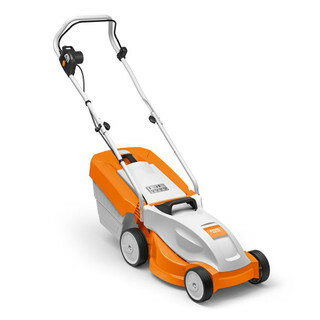
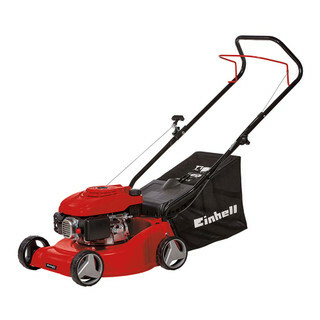
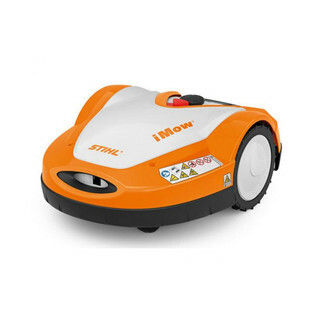
Lawn mowers
Lawn mowers are what you reach for when the grass has gone over and the finish matters, whether you're keeping a garden tidy or sorting grounds properly.
If you're cutting week in, week out, the right lawn mower saves time, leaves a cleaner stripe, and makes bagging or mulching far less of a chore. From a small lawn mower for tight gardens to a cordless lawn mower or petrol lawn mower for bigger runs, pick the machine to match the ground, the access, and how much grass you're actually dealing with.
What Are Lawn Mowers Used For?
- Cutting back fast-growing grass on domestic gardens, rental properties, and managed grounds where a strimmer alone leaves the place looking unfinished.
- Tidying smaller plots and awkward access areas with a small lawn mower or electric mower where storage space is tight and you do not want the faff of petrol.
- Maintaining larger lawns and open areas with a cordless lawn mower or petrol lawn mower where longer run time, wider cutting, and easier movement matter.
- Collecting clippings on formal lawns and handover jobs where you need a cleaner finish and do not want rows of wet grass left behind.
- Mulching regular cuts on healthy lawns where you want to keep moving, skip the emptying stops, and feed fine clippings back into the turf.
Who Uses These on Site?
- Landscapers use lawn mowers for regular garden maintenance, first tidy-ups after soft landscaping, and keeping finished lawns sharp before sign-off.
- Grounds maintenance teams rely on them for estate work, communal greens, and property blocks where a cut and collect lawn mower keeps paths and edges cleaner.
- Builders and property maintenance teams reach for a small lawn mower or electric lawn mower when a garden has been neglected during works and needs sorting before handover.
- Facilities teams and caretakers use cordless lawn mowers for quieter routine cuts around schools, offices, and managed sites where dragging a lead or storing fuel is a pain.
Choosing the Right Lawn Mowers
Sorting the right lawn mower is simple: match it to the size of the ground and how often you cut, not just the price ticket.
1. Power Type
If you are cutting a smaller garden near the house, an electric mower is usually enough and keeps things simple. If you want freedom without trailing a cable, a cordless lawn mower makes more sense. If you are covering bigger lawns, rougher patches, or heavier growth, a petrol lawn mower still earns its keep.
2. Deck Width
Do not buy too narrow unless the access demands it. A small lawn mower is handy for gates, narrow paths, and tight turns, but on open ground a wider deck means fewer passes and less time wasted walking up and down.
3. Collect or Mulch
If the lawn has to look tidy straight away, go for a cut and collect lawn mower and save yourself raking after. If you are mowing little and often in dry conditions, a mulching lawn mower keeps you moving and cuts down on emptying the box every few minutes.
4. Height Adjustment
Make sure the mower gives you enough cutting height range for the season and grass condition. If the lawn has got away from you, start higher and bring it down over a couple of cuts. Going too low too early just scalps it and leaves a mess.
The Basics: Understanding Lawn Mowers
The main differences come down to how the mower is powered and what it does with the clippings. Get those two bits right and the rest is much easier to narrow down.
1. Electric and Cordless
An electric lawn mower suits smaller gardens where you have easy access to power and do not mind managing a lead. A cordless lawn mower gives you the same cleaner, lower-maintenance way of cutting, but with more freedom around trees, edges, and longer lawns.
2. Petrol
A petrol lawn mower is the one for bigger areas and thicker growth where you need stronger pulling power and longer running time. It takes more upkeep, but it is still the practical choice when battery run time or cable reach would slow the job down.
3. Mulching vs Collecting
A cut and collect lawn mower lifts and stores clippings so the lawn looks cleaner as soon as you finish. A mulching lawn mower chops the grass finer and drops it back into the lawn, which works well on regular maintenance cuts but is less useful when the grass is long or damp.
Lawn Mower Extras That Save Time
A few sensible add-ons make lawn mowers easier to live with and stop simple jobs turning into a drag.
1. Spare Batteries and Chargers
If you run a cordless lawn mower, a spare battery is the obvious one. It stops the job grinding to a halt halfway through a bigger lawn and saves waiting around while the charger catches up.
2. Replacement Blades
A blunt blade tears the grass instead of cutting it cleanly, which leaves the finish ragged and puts more strain on the machine. Keeping a fresh blade ready means less downtime and a cleaner cut when the fitted one has taken a knock.
3. Grass Collection Bags and Boxes
If you are relying on a cut and collect lawn mower, a sound collection bag matters. A worn or damaged one is just asking for clippings to spill everywhere and leaves you doing extra clearing up.
Choose the Right Lawn Mowers for the Job
Use this quick guide to narrow down the right mower for the ground you are cutting.
| Your Job | Lawn Mower Type | Key Features |
|---|---|---|
| Small back garden with easy access to power | Electric mower | Light to handle, straightforward to store, and ideal for routine cutting on shorter grass. |
| Small to medium lawn with trees, borders, and no lead to drag | Cordless lawn mower | Good manoeuvrability, quick setup, and no cable getting in the way round edges and obstacles. |
| Larger lawn or heavier weekly maintenance work | Petrol lawn mower | Longer running time, stronger cutting performance, and better suited to thicker growth. |
| Formal finish where clippings need clearing as you go | Cut and collect lawn mower | Grass box collection, tidier result, and less raking or blowing off after. |
| Regular dry-weather maintenance with less stopping | Mulching lawn mower | Finely chops clippings back into the lawn and cuts down on emptying time. |
Common Buying and Usage Mistakes
- Buying too small a mower for a big lawn wastes time every single cut. If you have open ground to cover, move up to a wider deck or a petrol lawn mower instead of doing twice the walking.
- Choosing a corded electric mower for awkward gardens with trees, beds, and long runs usually turns into cable management all afternoon. If access is messy, a cordless lawn mower is often the better shout.
- Cutting long grass too low in one pass overloads the mower and leaves the lawn scalped. Start on a higher setting, take the bulk off first, then bring the height down if needed.
- Using a mulching lawn mower on heavy wet growth can leave clumps all over the surface. In those conditions, a cut and collect lawn mower gives a much cleaner result.
- Ignoring blade condition ruins the finish and makes the motor work harder. If the mower is tearing rather than cutting, sharpen or replace the blade before the next round.
Electric Mower vs Cordless Lawn Mower vs Petrol Lawn Mower
Electric Mower
Best for smaller lawns close to the house where power is easy to reach. It is lighter, quieter, and lower maintenance than petrol, but the cable can slow you down on awkward layouts.
Cordless Lawn Mower
The best middle ground for most home and light maintenance work. You get freedom to move without a lead, but run time matters, so battery size and spare packs make a real difference on bigger cuts.
Petrol Lawn Mower
Still the practical choice for larger areas, rougher growth, and longer sessions where battery swaps would get old fast. It needs more upkeep and storage care, but it is the one for stronger, all-day cutting.
Maintenance and Care
Clean the Deck After Use
Grass build-up underneath the deck affects airflow, collection, and cut quality. Brush it off after the job, especially if you have been cutting damp grass.
Keep the Blade Sharp
A sharp blade gives a cleaner finish and puts less load on the mower. If the grass tips look torn or the machine starts struggling, it is time to sharpen or replace it.
Store It Dry
Leaving lawn mowers damp in a shed or out in the weather is asking for rust, stale fuel issues, or electrical problems. Dry them down and store them under cover.
Check the Grass Bag and Vents
If the collector is blocked or split, the mower will stop picking up properly and start leaving trails behind. Empty it fully and clear the vents so airflow stays right.
Look After Batteries or Fuel System
For a cordless lawn mower, keep batteries charged and stored out of extreme heat or cold. For petrol models, use clean fuel, check oil levels, and do not leave old fuel sitting in the tank between seasons.
Why Shop for Lawn Mowers at ITS?
Whether you need a small lawn mower for tight gardens, an electric mower for routine home use, or a petrol lawn mower for bigger ground, we stock the full range. That means cordless lawn mower options, mulching lawn mower models, and cut and collect lawn mower types all in one place. It is all held in our own warehouse too, ready for next day delivery straight to site, home, or yard.
Lawn Mower FAQs
What is the best lawn mower for a small garden?
For a small garden, a small lawn mower with a compact deck is usually the right call. If you have an outside socket and straightforward access, an electric lawn mower does the job well. If the layout is tighter with trees, beds, or awkward corners, a cordless lawn mower is easier to live with because you are not dragging a lead about.
Should I choose an electric, cordless, or petrol lawn mower?
It depends on the lawn size and how hard the mower needs to work. Electric mowers suit smaller, simple gardens. A cordless lawn mower is the better all-rounder for most home users because it gives you freedom without petrol upkeep. A petrol lawn mower makes more sense for bigger lawns, rougher patches, and longer cutting sessions where battery run time would hold you back.
What deck width do I need for my lawn size?
For small gardens, a narrower deck is easier through gates and round borders. Medium lawns benefit from a mid-size deck that balances reach with manoeuvrability. On larger open lawns, go wider or you will waste time doing extra passes every cut. The trick is not just lawn size, but access as well.
Is a mulching lawn mower better than a cut and collect model?
Neither is better across the board. A mulching lawn mower is great when you cut regularly in decent conditions and want to keep moving without emptying a grass box. A cut and collect lawn mower is the better option when the lawn is longer, the grass is damp, or you need a visibly cleaner finish there and then.
What cutting height should I use for my lawn?
Do not go too low too quickly. For routine cuts in growing season, keep it moderate so the lawn stays healthy and does not get scalped. If the grass has shot up, start on a higher setting, take the top off first, and lower it gradually over the next cut or two.
Are lawn mowers suitable for wet or damp grass?
They will cut damp grass, but it is never ideal. Wet clippings clog decks and collectors, the finish is rougher, and the mower has to work harder. If you have no choice, raise the cutting height a touch and take it steady. For proper wet conditions, it is usually better to wait until the lawn dries out a bit.