Pruners & Shears
Pruners and shears make light work of trimming back shrubs, stems and overgrowth, whether you're tidying gardens, cutting back borders or clearing site grounds.
If you're spending half the day cutting back woody stems or shaping hedges by hand, the right pruners and shears save your wrists and speed the job up. From garden scissors and pruning scissors for light snips to electric secateurs and battery pruning shears for repetitive cutting, this is the kit landscapers, grounds teams and property maintenance lads reach for when the growth needs knocking back properly. Match the cut capacity to the stem size and you'll get cleaner cuts, less strain and less time wasted fighting blunt gear.
What Are Pruners and Shears Used For?
- Cutting back shrubs, rose stems and light woody growth around gardens, plots and managed grounds is where pruners and shears earn their keep, giving you a clean cut without tearing the plant.
- Shaping borders, tidying hedges and trimming soft growth around paths and patios is quicker with garden scissors and pruning shears that are easy to control one handed.
- Working through repetitive pruning on maintenance rounds, cordless secateurs and electric secateurs save a lot of hand fatigue when you're making hundreds of cuts in a day.
- Clearing overgrown areas before handover or general site maintenance is easier when battery pruning shears can deal with thicker stems that would slow you down with manual kit.
- Snipping flowers, soft stems and finer garden trimming tools work is best done with lighter pruning scissors, especially where a heavy blade would be too clumsy near finished planting.
Who Uses These on Site?
- Landscapers use pruners and shears for shaping shrubs, cutting back borders and keeping finished outdoor spaces tidy without bruising softer growth.
- Grounds maintenance teams swear by cordless secateurs on repeat visits because they can get through long pruning runs without their hands cramping up halfway round the job.
- Gardeners and estate teams keep garden scissors and pruning scissors close for lighter trimming, deadheading and neat detail work around planted beds and pathways.
- Property maintenance crews use battery pruning shears when overgrown stems and neglected areas need sorting fast before inspections, handover or routine upkeep.
Choosing the Right Pruners and Shears
Sorting the right pruners and shears is simple: match the blade style and cut capacity to the growth in front of you, not the price tag.
1. Light Snipping or Repetitive Cutting
If you're just deadheading, trimming soft stems or doing light touch-up work, hand pruning scissors or garden scissors are plenty. If you're cutting all day on maintenance rounds, go straight to electric secateurs or your hands will know about it by lunch.
2. Match Cut Capacity to Stem Size
Do not buy on looks alone. If the stems are regularly thick or woody, you need pruning shears or battery pruning shears with the capacity to cut them cleanly. Forcing undersized blades through bigger material just damages the tool and leaves rough cuts.
3. One Handed Control Matters
If you're reaching into dense shrubs, on steps, or working around finished planting, compact one handed pruners are easier to place accurately. Bigger shears suit open trimming, but they are slower in tight spots.
4. Battery Tools Need Real Runtime
If you're choosing cordless secateurs, check the battery setup properly. For occasional use, a single battery may do. If you're out all day on multiple properties, keep a spare ready or you'll end up back at the van waiting for charge time.
The Basics: Understanding Pruners and Shears
These tools all do the same basic job, but they work best on different growth and different workloads. Here is the simple version before you pick a pair.
1. Hand Pruning Scissors and Secateurs
This is the standard choice for lighter pruning, detail work and quick trimming jobs. You squeeze the handles manually, which gives good control for neat cuts on flowers, fresh stems and smaller branches.
2. Shears for Wider Trimming
Shears are better where you are shaping or reducing larger areas of growth rather than making single stem cuts. They let you trim across more material in one go, which speeds up borders, hedges and soft overgrowth.
3. Electric and Cordless Secateurs
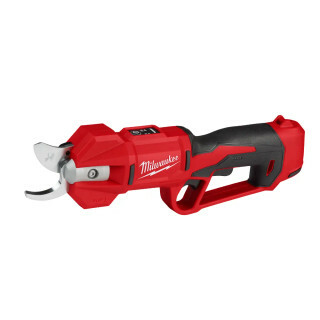
Battery pruning shears use a powered cutting action instead of all the force coming from your hand. The jobsite outcome is simple: less effort, cleaner repeat cuts and far less fatigue when you're cutting through woody stems all day.
Pruner Accessories That Keep You Working
A couple of simple extras save downtime, keep cuts clean and stop your pruning kit wearing out too early.
1. Spare Batteries
If you are using cordless secateurs on a full day of cutting, a spare battery is a no brainer. It stops the whole job grinding to a halt when the tool dies halfway through a row of shrubs.
2. Replacement Blades
Once blades start tearing instead of cutting cleanly, the finish goes downhill fast and the tool works harder than it should. Keeping replacement blades ready means you do not lose time fighting worn edges.
3. Blade Oil and Cleaner
Sap, moisture and fine debris build up quickly on pruning tools. A proper cleaner and a bit of oil stop blades sticking, reduce corrosion and keep the action smooth.
Choose the Right Pruners and Shears for the Job
Use this quick guide to sort the right cutting tool for the growth you are dealing with.
| Your Job | Pruners and Shears Type | Key Features |
|---|---|---|
| Deadheading flowers and trimming soft stems | Garden scissors | Lightweight build, fine control, clean snips on delicate growth |
| General shrub pruning and routine garden maintenance | Pruning scissors or garden secateurs | One handed use, compact head, good control in tighter planting |
| Cutting thicker woody stems on regular rounds | Pruning shears | Higher cut capacity, stronger blades, better leverage for tougher material |
| High volume pruning across multiple properties | Cordless secateurs | Powered cutting action, reduced hand strain, faster repeat cuts |
| Long maintenance days with repetitive heavier pruning | Battery pruning shears | Clean cuts on woody stems, battery runtime, less fatigue over full shifts |
Common Buying and Usage Mistakes
- Buying light garden scissors for thick woody stems is a common mistake. The result is twisted blades, rough cuts and a job that takes twice as long. Check the cut capacity before you buy.
- Ignoring blade sharpness ruins performance faster than most people think. Blunt pruning scissors tear material instead of slicing it cleanly, which is harder on the plant and harder on your hands.
- Going cordless without thinking about runtime catches plenty of lads out. If the job is a full day of pruning, one battery may not be enough, so plan for a spare.
- Using powered secateurs for fine detail work can be overkill. They are brilliant for repetitive cuts, but a smaller manual tool is often easier where access is tight and the stems are light.
- Throwing wet or dirty secateurs back in the van shortens their life. Clean them down, oil the blades and store them dry or they will stiffen up and start rusting.
Hand Pruning Scissors vs Cordless Secateurs vs Shears
Hand Pruning Scissors
Best for lighter trimming, deadheading and accurate cuts around delicate planting. They are simple, quick to grab and easy to control, but they are not the right tool for thick stems or all day repetitive work.
Cordless Secateurs
Best for repetitive pruning where hand fatigue becomes the real problem. They cost more and need battery management, but if you are cutting through woody stems all day they save serious effort and speed the round up.
Shears
Best for trimming wider sections of soft growth, shaping shrubs and tidying borders quickly. They are less precise on single stems, but they cover more material in one pass than secateurs or pruning scissors.
Maintenance and Care
Clean After Each Job
Wipe off sap, leaf residue and damp as soon as you finish. Leaving blades dirty makes them sticky, dull and more likely to corrode in the van or shed.
Oil the Moving Parts
A small amount of oil on the pivot and blades keeps the action smooth and stops rust building up. It is a two minute job that makes a big difference over a season.
Keep Blades Sharp
Sharp blades give cleaner cuts and need less force. Once the edge starts dragging or crushing stems, sharpen or replace it before the tool starts causing more trouble than it saves.
Store Them Dry and Safe
Do not leave pruning tools rattling round damp in the back of the van. Store them dry, close the blades where possible and protect the cutting edge from knocks.
Check Battery Tools Properly
With electric secateurs, keep the battery charged, check the blades are tight and inspect for debris around the cutting head. If the cut starts slowing down, sort it before it strains the motor.
Why Shop for Pruners and Shears at ITS?
Whether you need light garden scissors for detail work or battery pruning shears for full days of cutting, we stock the proper range in one place. That means pruning scissors, garden secateurs, cordless secateurs and pruning tools for different stem sizes and workloads, all held in our own warehouse and ready for next day delivery.
Pruners and Shears FAQs
What are pruners and shears used for?
They are used for cutting back stems, shaping shrubs, trimming soft growth and keeping gardens or grounds under control. Hand tools suit lighter detail work, while larger or powered options are better when the stems get thicker or the cut count gets high.
What is the difference between hand pruning scissors and electric secateurs?
Hand pruning scissors rely fully on your grip, so they are better for lighter stems and quick tidy up work. Electric secateurs use a powered blade action, which makes repetitive pruning much easier and helps when you are cutting tougher stems all day.
How do I choose the right pruners and shears for stem size?
Check the stated cut capacity and be honest about the material you cut most often. For soft stems and lighter growth, smaller pruning scissors are fine. For woody stems and thicker shrubs, step up to pruning shears or cordless secateurs that are built for the diameter.
Are cordless secateurs better for repetitive pruning jobs?
Yes, for repetitive work they usually are. If you are making a handful of cuts, manual tools are still quicker to grab. If you are doing hundreds of cuts on a maintenance round, cordless secateurs save your hands and keep the pace up.
What cut capacity do I need for pruning shrubs and stems?
You need enough capacity to cut your regular stem size cleanly without forcing the blade. For small fresh growth, a lower capacity tool is fine. For mature shrubs and woody stems, go bigger so you are not crushing material or overloading the tool.
How do I maintain pruning scissors and secateurs?
Clean the blades after use, remove sap and damp, oil the moving parts and keep the cutting edge sharp. On battery pruning shears, also keep the battery charged and check the blade fixing and cutting head for debris before the next job.