




Milwaukee Power Tool Accessories
Milwaukee accessories keep your tools earning on site, from drilling and cutting to fixing, grinding and charging across first fix, fit-out and clean-up.
No point having good tools if the bits on the end let you down. Milwaukee accessories are the sort of add-ons trade lads buy once and keep reaching for because they fit right, last properly, and put up with daily abuse. Whether you are stocking up on blades, discs, bits or power support, this is the gear that keeps the job moving. If you already run Milwaukee kit, start with Milwaukee Drill Bits, Milwaukee Screwdriver Bits & Bit Holders, Milwaukee Saw Blades, Milwaukee Angle Grinder Discs & Accessories, and Milwaukee Batteries, Chargers and Mounts to build a setup that actually matches the work.
What Are Milwaukee Accessories Used For?
- Drilling through timber, steel, block and brick on first fix jobs is where Milwaukee accessories earn their keep, especially when you need bits that stay sharp and hold straight.
- Cutting sheet, stud, pipework and finished trims goes cleaner with the right Milwaukee blades and discs, which matters when you are working to a snag-free finish.
- Driving fixings into timber frames, kitchen carcasses and site hoardings is quicker with proper bit holders and driver bits that do not round off after a handful of screws.
- Grinding back welds, trimming metal and cleaning up masonry edges is easier when the grinder consumables are matched to the material instead of forcing one disc to do everything.
- Keeping cordless kit running through long shifts depends on the right chargers, batteries and mounts, so you are not stood waiting around with dead tools halfway through the day.
Choosing the Right Milwaukee Accessories
Match the accessory to the material and the tool first. That saves burnt blades, snapped bits and wasted trips back to the van.
1. Buy for the Material, Not Just the Brand
If you are drilling block all week, get masonry bits built for that job. If you are cutting stainless, use metal-rated blades or discs. The Milwaukee name helps with fit and consistency, but the material still decides what you need.
2. Pick Sets for Van Stock, Singles for Replacements
If you chew through common sizes every week, a Milwaukee accessories set makes sense and keeps the basics together. If it is just one size you always lose or wear out, buy singles and top up what actually gets used.
3. Match the Accessory to the Tool Speed and Duty
Do not stick a light-use accessory on a tool that sees hard daily graft. If your impact driver, grinder or saw is out five days a week, choose accessories rated for repeated site use or you will get short life and rough results.
4. Think About Runtime as Well as Cutting or Drilling
On cordless kit, batteries and chargers are accessories too. If you are working long shifts, spare power support is just as important as the blade or bit, otherwise the whole setup stops when the battery does.
Who Uses These on Site?
- Sparkies use Milwaukee tool accessories for cable runs, back boxes, tray work and fixing containment, because blunt bits and poor driver tips slow every stage of first fix.
- Chippies and fitters keep Milwaukee accessories set options in the van for timber cutting, hinge work, carcass fitting and punch-list jobs where clean cuts matter.
- Metalworkers and fabricators reach for Milwaukee gadgets like grinder discs, cutting blades and hole saws when they need kit that copes with regular steel work without falling apart.
- Plumbers and heating engineers use them for drilling joists, cutting pipe, mounting brackets and chasing awkward fixings in refurbs where one bad accessory can cost you time fast.
- Site maintenance teams and general builders rely on Milwaukee accessories UK ranges because they cover the mixed jobs that crop up every day, from quick repairs to full fit-out work.
The Basics: Understanding Milwaukee Accessories
This range covers more than just consumables. The key is knowing which accessories cut, drill, drive or support power so you buy the bits that actually change the job on site.
1. Consumables Do the Work at the Sharp End
Drill bits, saw blades, discs and driver bits are what actually touch the material. Get the right one and the cut is cleaner, the hole is quicker, and the tool works less to get there.
2. Storage and Holders Keep Things Running Smoothly
Bit holders, cases and mounts sound small, but they stop kit getting lost, mixed up or damaged in the van. That matters when you need the right piece straight away on a live job.
3. Power Accessories Keep Cordless Tools Useful
Batteries, chargers and mounts are what keep M12 and M18 tools working all day. On busy site work, having enough power ready is just as important as having the right blade fitted.
Milwaukee Accessories That Keep the Job Moving
A few smart add-ons stop downtime, protect your kit and make the whole setup more useful on site.
1. Spare Batteries and Fast Chargers
A dead battery halfway through a fix is pure time-wasting. Keep spare power ready so the drill, grinder or saw stays in your hand and not on charge when the work is stacked up.
2. Bit Holders and Storage Cases
These stop you digging through the van for that one driver bit or losing common sizes in the bottom of a toolbox. If the bits stay sorted, the work stays quicker.
3. Replacement Blades and Discs
Do not wait until the last blade is cooked. Keeping spares means you can swap straight over when a cut slows down or a disc starts glazing up.
4. Mounts and Organisers
Battery mounts and simple organisers keep chargers, packs and accessories where they belong in the van or workshop, instead of getting smashed about under other gear.
Choose the Right Milwaukee Accessories for the Job
Use this quick guide to sort the right type before you load up.
| Your Job | Category or Type | Key Features |
|---|---|---|
| Drilling timber, steel or masonry on first fix | Drill bits | Material-specific tip design, common site sizes, clean drilling and longer edge life |
| Driving lots of screws in framing or fit-out | Driver bits and bit holders | Impact-rated build, secure fit in fixings, reduced cam-out and quick change use |
| Cutting wood, metal or mixed materials | Saw blades | Correct tooth pattern, cleaner finish, better control and less strain on the tool |
| Grinding welds or cutting metal and masonry | Grinder discs and cutting discs | Right disc for the material, stable cut, less glazing and safer performance |
| Keeping cordless tools live all shift | Batteries, chargers and mounts | Enough runtime, faster charging and better van or bench organisation |
Common Buying and Usage Mistakes
- Buying one accessory type for every material is a common mistake. A blade or bit that is wrong for the job cuts slower, wears faster and can damage the finish, so always match it to what you are actually working on.
- Leaving batteries and chargers as an afterthought catches plenty of lads out. The tool might be ready, but if the power setup is poor, the whole day slows down once the first pack runs flat.
- Choosing the cheapest consumable for heavy daily use usually costs more in the long run. You get short life, rough cuts and more changeovers, so buy to the workload, not just the ticket price.
- Running worn bits, blades or discs too long wastes time and puts more strain on the tool. If performance drops off, swap it before you start forcing the cut or rounding fixings.
- Letting accessories roll loose in the van is asking for damaged edges and missing sizes. Use cases, holders or mounts so the kit stays usable and easy to grab.
Bits vs Blades vs Discs
Drill Bits
Pick these when the job is making holes for fixings, pipe runs or cable routes. They are the right call for controlled drilling, but they are no use if the real task is trimming or cutting back material.
Saw Blades
Use blades when you need cleaner, longer cuts through timber, metal or sheet material. They suit joinery, fit-out and general cutting better than discs, but they do not give you the same edge access for grinding or flush clean-up.
Grinder Discs
These are for cutting off, grinding back and cleaning up metal or masonry fast. They are ideal for fabrication and site repair work, but they are rougher than blades and not the tool for neat finish cuts.
Batteries and Chargers
They do not cut or drill anything, but they decide whether cordless kit keeps working. If you already have enough cutting and drilling accessories, this is often the next thing worth upgrading for less downtime.
Maintenance and Care
Clean Off Dust and Debris
Wipe bits, blades and holders down after use, especially after masonry or metal work. Leaving grit and filings on them just speeds up wear and makes storage messy.
Store Sharp Accessories Properly
Keep drill bits and blades in cases or organisers instead of loose in a box. It protects the cutting edges and stops you reaching for damaged gear next time.
Replace Before They Start Costing You Time
When a bit wanders, a blade burns or a disc slows right down, it is done. Running worn accessories harder only wastes time and can put extra load on the tool.
Look After Batteries Sensibly
Do not leave battery packs rattling around wet vans or on charge with no plan. Keep them dry, clean the contacts, and rotate packs so one is not doing all the work.
Check for Damage Before the Shift
Give discs, blades and holders a quick once-over before use. Cracks, rounded tips or bent fittings are not worth the risk when the fix is simply swapping them out.
Why Shop for Milwaukee Accessories at ITS?
Whether you need Milwaukee accessories for drilling, cutting, grinding, driving or keeping cordless tools powered, we stock the full spread in one place. From everyday replacements to specialist Milwaukee tool accessories, it is all in our own warehouse and ready for next day delivery across the UK.
Milwaukee Accessories FAQs
Is Milwaukee made by Dewalt?
No. They are separate brands owned by different parent companies. On site, that mainly matters for battery platforms and accessory fit, so do not assume cross-compatibility just because both are common in the trade.
Is M12 or M18 better in Milwaukee?
Neither is flat-out better. M12 is the handier choice for lighter, tighter work and service jobs. M18 is the one for heavier daily graft where you need more power and runtime. Buy for the job you actually do most.
Is Milwaukee still a good brand?
Yes. Milwaukee is still a solid trade brand and plenty of site lads stick with it because the range is wide, the platform is well supported and the accessories are built for regular use. It is not magic, but it is dependable kit when matched properly to the job.
What is Milwaukee's most expensive tool?
That changes depending on the current range, kits and specialist gear. The highest prices usually sit with larger cordless plant, trade-specific systems or big kit bundles rather than everyday drills and drivers. If you are buying accessories, focus more on compatibility and workload than headline price.
Are Milwaukee accessories worth buying over generic replacements?
If the tool is used hard, yes, usually. You get more predictable fit, steadier performance and fewer annoying failures. For occasional light use, generic can do a job, but daily site work tends to show up the weak stuff pretty quickly.
Do Milwaukee accessories fit all Milwaukee tools?
No, not automatically. You still need to check shank type, disc size, blade fitment and battery platform. Milwaukee makes a big range, so the safe move is always to match the accessory to the exact tool and task.
-
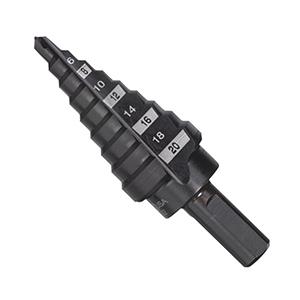
Milwaukee Drill Bits
-
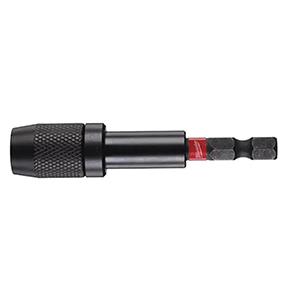
Milwaukee Screwdriver Bits & Bit Holders
-
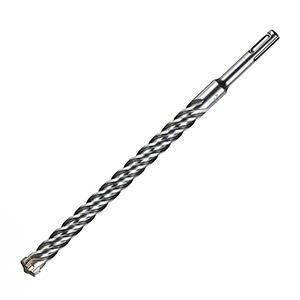
Milwaukee SDS Bits and Attachments
-

Milwaukee Saw Blades
-

Milwaukee Sanding Pads & Sheets
-
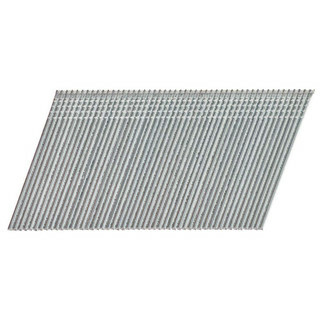
Milwaukee Nail Gun Nails and Accessories
-
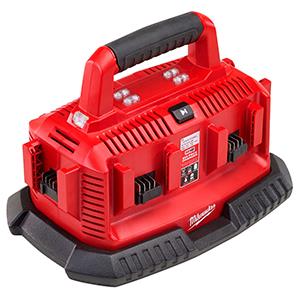
Milwaukee Batteries, Chargers and Mounts
-
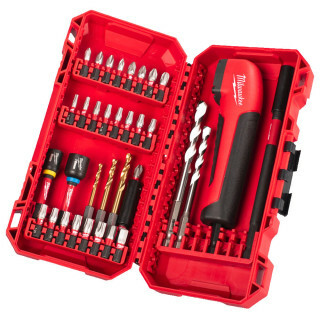
Milwaukee PACKOUT Compatible Tool Sets
-
Milwaukee More Accessories
-
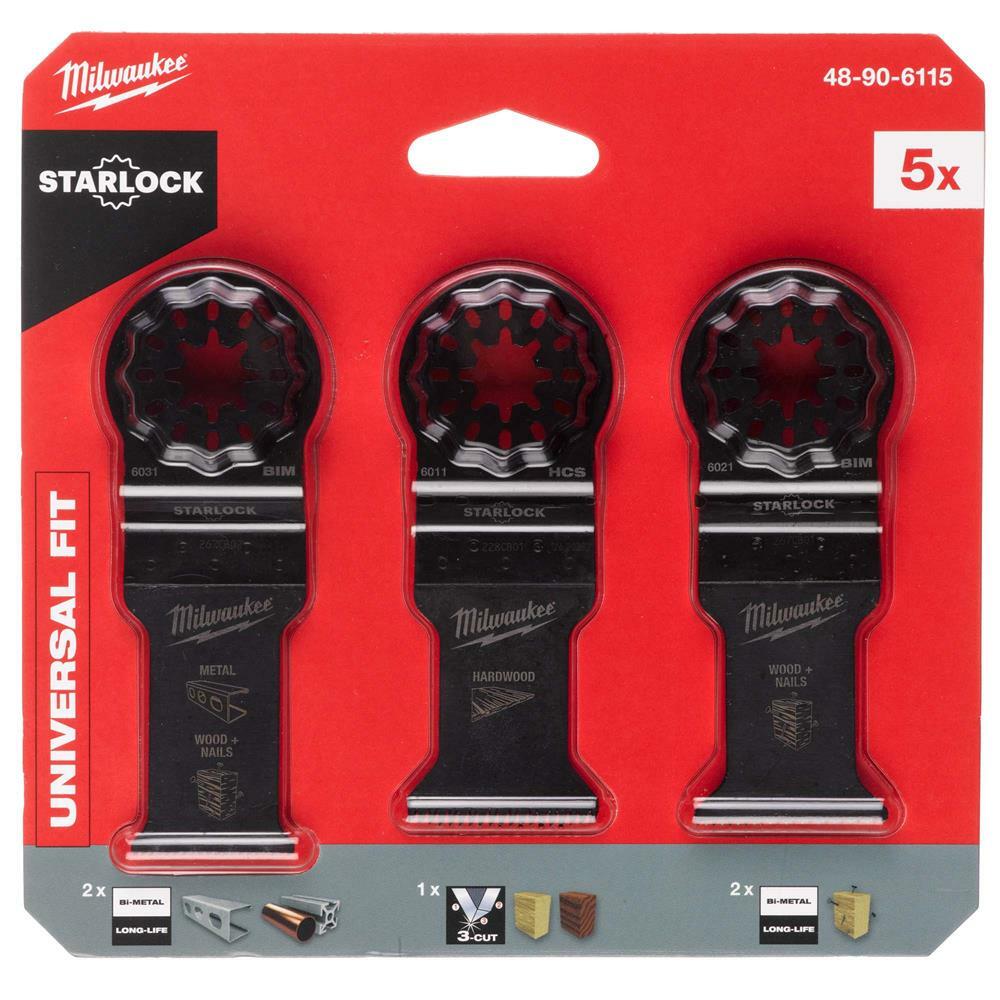
Milwaukee Multi Tool Blades & Accessories
-
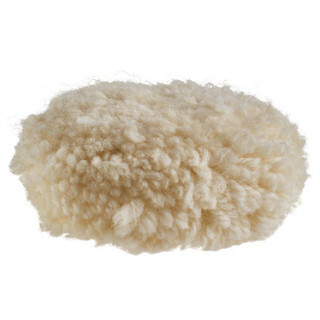
Milwaukee Polishing Pads
-
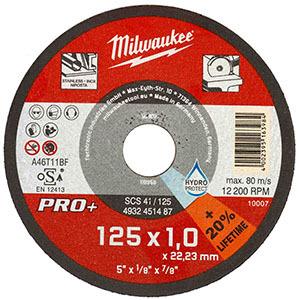
Milwaukee Angle Grinder Discs & Accessories
-
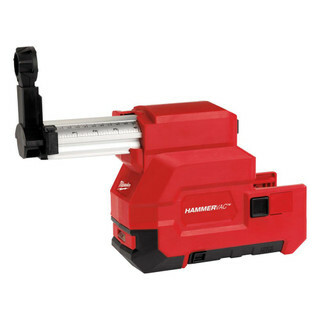
Milwaukee Dust Extractor Accessories
-
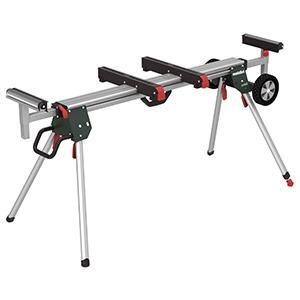
Milwaukee Saw Stands
-
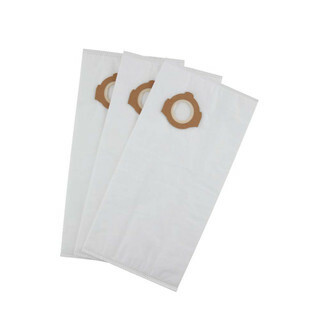
Milwaukee Dust Bags
-
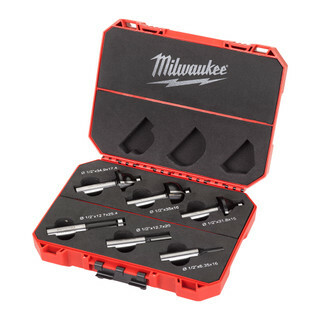
Milwaukee Routing
-
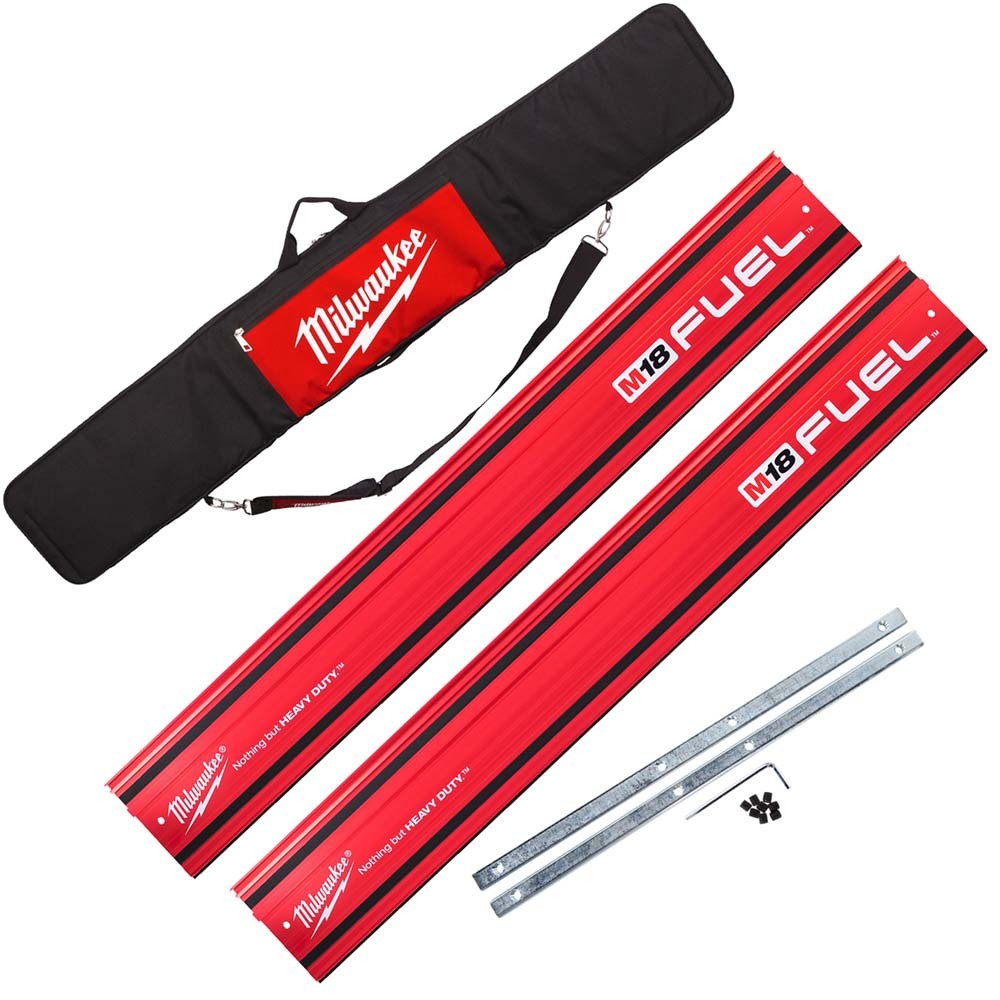
Milwaukee Guide Rails & Plunge Saw Accessories



