



Milwaukee Multi Tool Blades & Accessories Milwaukee Multi Tool Blades & Accessories

Milwaukee Multi Tool Blades & Accessories

Milwaukee multi tool blades are built for quick cuts, awkward trims, and ripping out worn bits without swapping tools or losing time on site.

When you're under a sill, trimming a door lining, or cutting out old fixings in a refurb, the right Milwaukee multi tool blade makes all the difference. These blades are made for wood, metal, grout, sealant and detail sanding, so you're not forcing one bit of kit through every job. If you are stocking up, look at Milwaukee Multi Tool Blade Sets for regular site work, or pick Milwaukee Multi Tool Blades (Loose) when you just need replacements. Get the right blade on the tool and crack on.

What Are Milwaukee Multi Tool Blades Used For?

  • Cutting door architrave, skirting and floor edges in place lets chippies and floor fitters trim flush without dragging out bigger saws in finished rooms.
  • Plunging into plasterboard, MDF and timber is ideal for socket alterations, access panels and snagging work where you need control and do not want to wreck the area around the cut.
  • Slicing through nails, screws, copper and thin sheet works well on refurbs when old fixings are buried and you cannot get a grinder or hacksaw in.
  • Raking out grout and scraping away sealant helps bathroom fitters and tilers strip back tired joints cleanly before making good and re-finishing.
  • Detail sanding in corners, edges and tight spots with Milwaukee Multi Tool Sanding Attachments sorts the awkward bits that standard sanders miss.

Choosing the Right Milwaukee Multi Tool Blades

Sorting the right blade is simple. Match the blade material and shape to the cut, not just what happens to be left in the box.

1. Wood, Metal or Multi Material

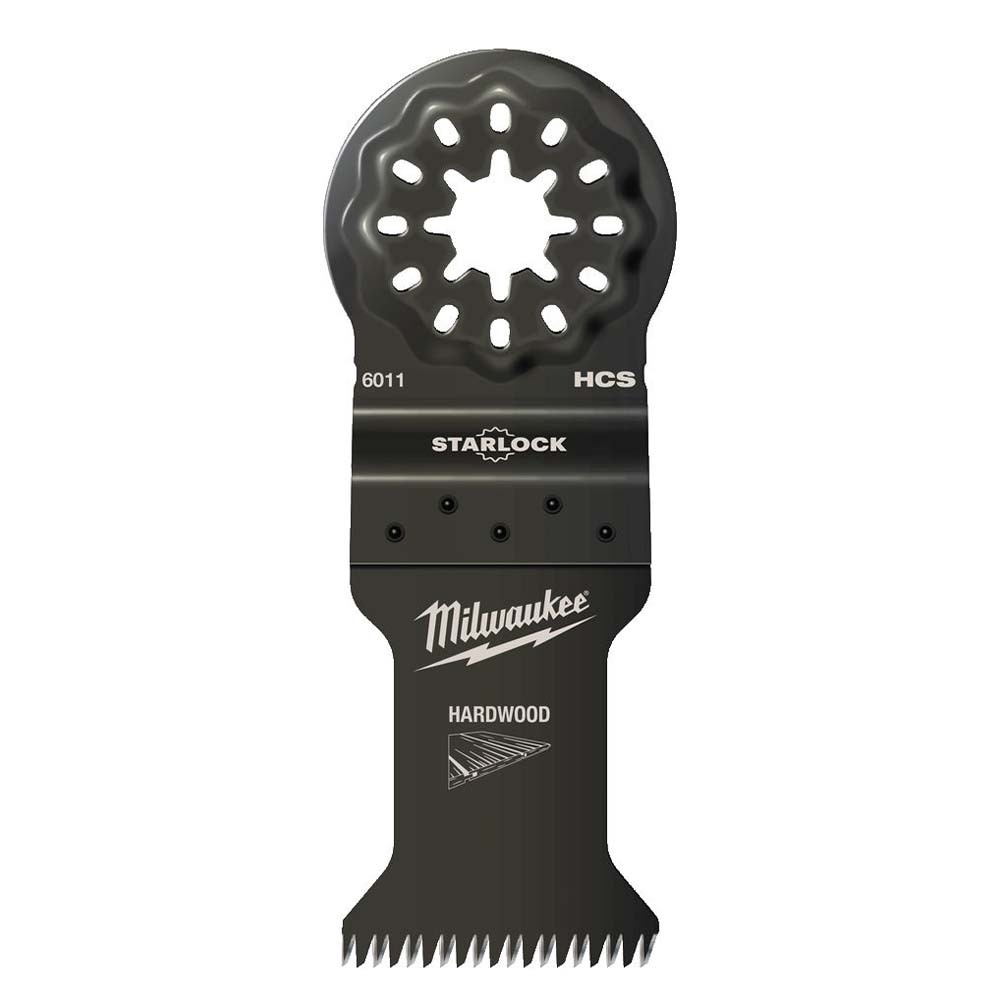
If you are mainly cutting clean timber, laminates or plasterboard, go for a wood blade. If you keep hitting screws, nails or brackets in refurb work, use a metal or multi material blade instead. A wood blade forced through fixings will dull fast and start burning rather than cutting.

2. Wide Blade or Narrow Blade

If you want a straighter, cleaner trim across skirting or board edges, use a wider blade. If you are chasing tight corners, cutting small access points or working around pipes and brackets, a narrow blade gives you better control.

3. Bi Metal or Carbide

Bi metal is the sensible all rounder for timber with fixings, sheet metal and general rip out. If you are regularly on screws, hardened fixings, grout or abrasive materials, carbide costs more but lasts better and saves constant blade changes.

4. Singles or Sets

If you only burn through one or two blade types, buy loose and keep spares. If your work jumps between wood, metal, grout and sanding, a set makes more sense and stops you being caught short halfway through a job.

Who Uses These on Site?

  • Chippies use Milwaukee multi tool blades for undercutting frames, trimming skirting in situ and sorting first and second fix adjustments without tearing a room apart.
  • Sparkies reach for them when cutting neat plasterboard openings, easing out old back boxes and trimming timber around new runs where a jab saw would make a mess.
  • Plumbers and bathroom fitters swear by them for cutting pipe clips, notching boxing, scraping old silicone and raking grout before refits.
  • Kitchen fitters use them for tight worktops cuts, scribes and flush trimming panels where there is no room for a circular saw or jigsaw.
  • Maintenance teams keep a few common blades in the van because these tools save time on snagging, repair work and all the fiddly jobs that crop up through the day.

The Basics: Understanding Milwaukee Multi Tool Blades

The tool does the same oscillating movement every time, but the blade you fit decides how cleanly it cuts, how long it lasts and what materials it can handle.

1. Tooth Pattern Changes the Cut

Coarser teeth shift material faster in timber and rougher cuts. Finer teeth give you more control in thin metal, laminates and finish work where you do not want the edge chewed up.

2. Blade Material Decides What It Survives

Bi metal blades cope well with mixed site work and hidden fixings. Carbide options are what you want when the job is hard on blades, like grout removal, repeated metal contact or abrasive materials.

3. Blade Shape Affects Access

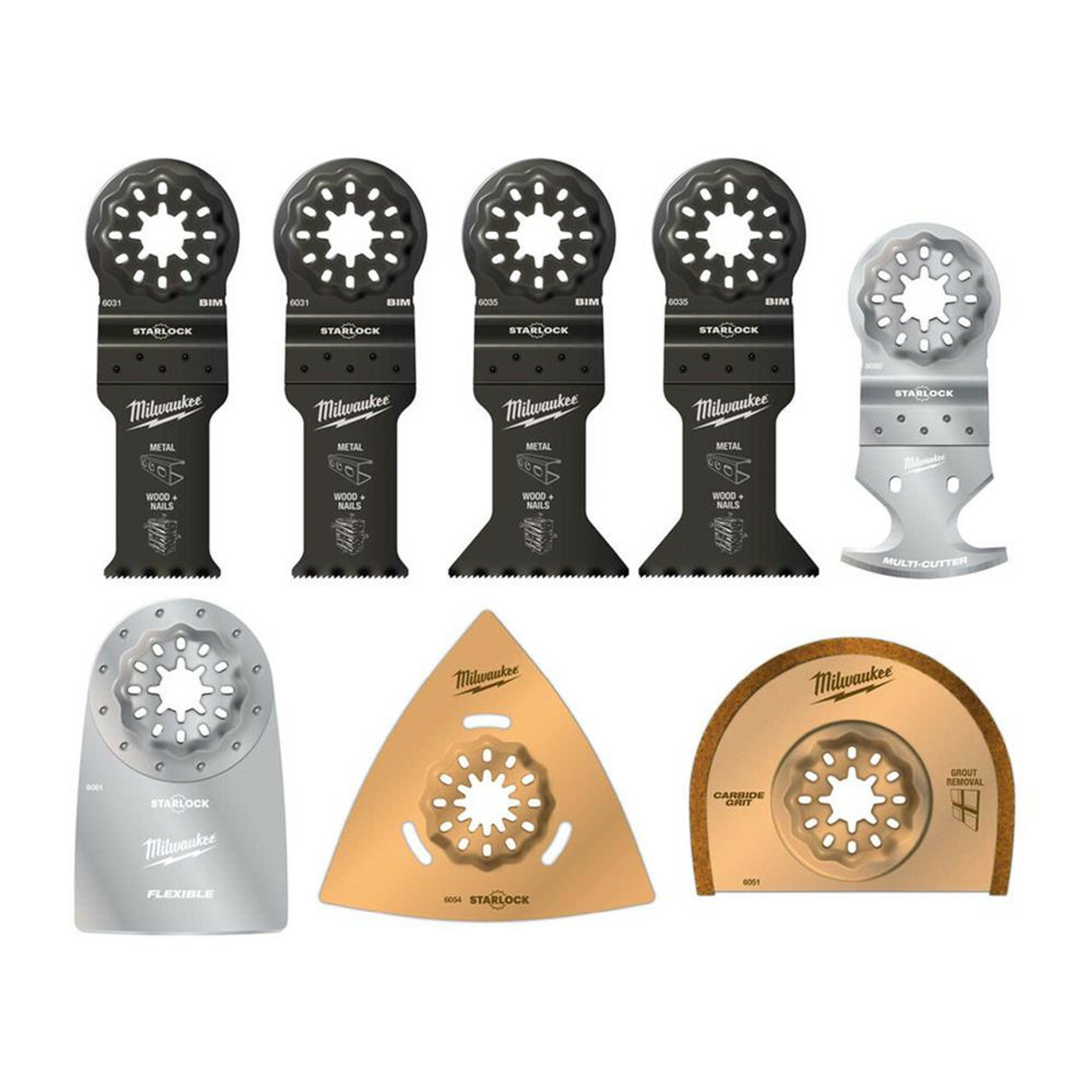
Straight plunge blades are for cuts into boards and timber. Segment blades are better for longer runs and controlled grout or flooring work. Triangular pads are for sanding corners and edges where bigger sanders cannot reach.

Milwaukee Multi Tool Accessories That Earn Their Keep

The right add-ons save blade changes, clean up awkward work and stop the tool becoming a one job wonder.

1. Blade Sets

A mixed set saves you getting caught with the wrong blade when the job changes from timber to nails to grout in the same room. Keep one in the van and you are not nursing a worn blade through work it was never meant for.

2. Sanding Attachments

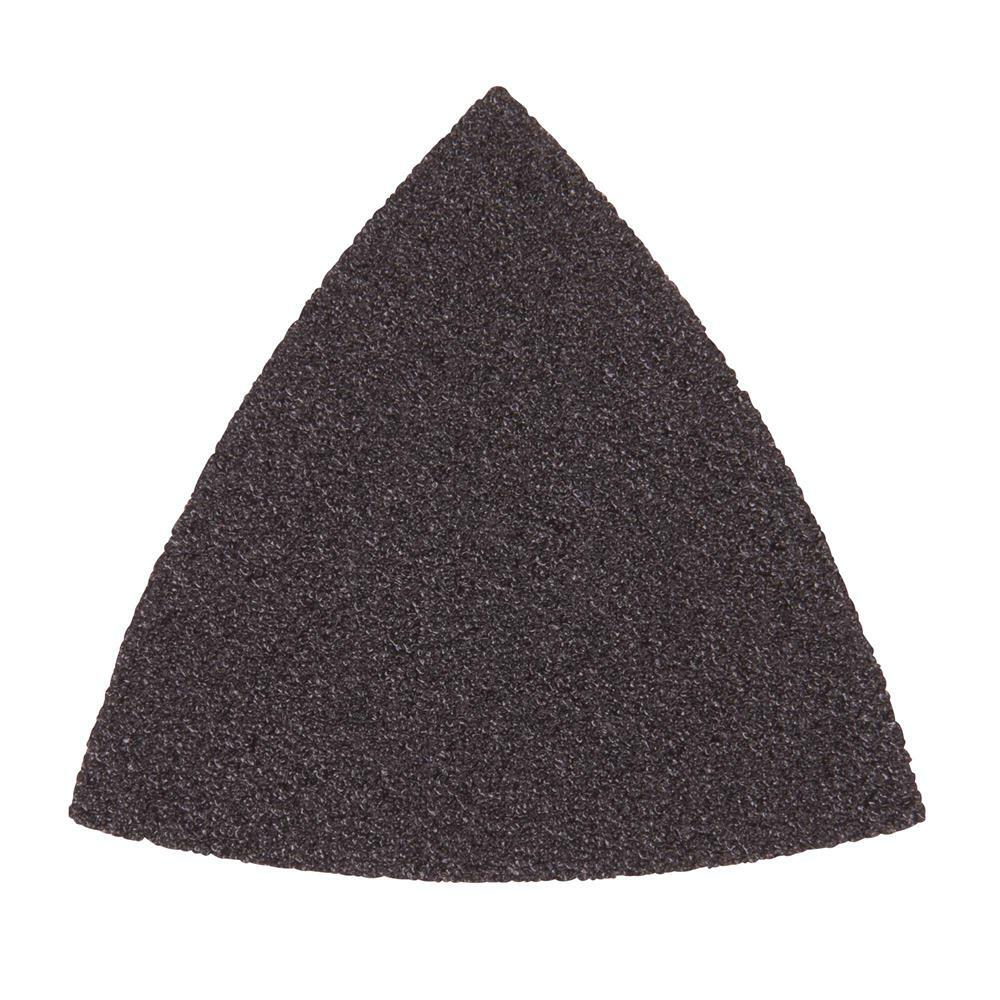
When you need to smooth filler, tidy edges or prep corners, sanding pads and sheets turn the tool into a proper detail sander. It beats folding bits of abrasive paper and wrecking your fingers on awkward snagging work.

3. Spare Loose Blades

The blades you use most will always go first, usually halfway through a decent day. Keeping loose wood or metal blades in the box means you swap out and carry on instead of pushing a dead blade and wasting time.

Choose the Right Milwaukee Multi Tool Blades for the Job

Use this quick guide to match the blade to the cut you are actually making.

Your Job Blade Type Key Features
Flush trimming skirting, architrave or door linings Wide wood plunge blade Fast timber cutting, good line control, cleaner finish across wider sections
Cutting through screws, nails or mixed old fixings Bi metal metal cutting blade Tougher tooth material, better on hidden fixings, longer life in refurb work
Raking out grout around tiles Carbide grout or segment blade Handles abrasive joints, controlled removal, works neatly along tile lines
Making neat openings in plasterboard or MDF Narrow plunge blade Better access in tight spots, easier to steer, less damage around the cut
Sanding corners and touch up work Detail sanding pad Gets into edges, corners and awkward patches, quick sheet changes, better finish control

Common Buying and Usage Mistakes

  • Buying a wood blade for refurb work with hidden nails is a quick way to kill it. If the material is unknown, start with bi metal or multi material and save the clean wood blades for cleaner cuts.
  • Using one worn blade for every task slows the cut, heats the work and shakes the tool more than it should. Change it early and the job stays quicker and cleaner.
  • Picking the widest blade for a tight cut usually ends with overcut corners or marked surfaces. Use a narrow blade when access is tight and keep the wider ones for straight flush trims.
  • Forgetting about sanding and scraping attachments means dragging extra kit in for a five minute finish job. Keep the right accessories in the case and the multi tool does more of the work.
  • Pressing too hard does not make the blade cut faster. It just overheats the teeth and shortens blade life, so let the oscillation do the work and keep the cut steady.

Wood Blades vs Bi Metal Blades vs Carbide Blades

Wood Blades

Best for clean timber, MDF, plasterboard and trim work where speed and a tidy cut matter. They are not the choice for hidden fixings, and one buried screw will take the edge off quickly.

Bi Metal Blades

This is the sensible everyday option for site work. They handle timber with nails, thin metal, screws and mixed materials better than straight wood blades, so they suit refurbs and general van stock.

Carbide Blades

Buy these when the material is abrasive or hard on teeth, such as grout, cement board or stubborn fixings. They cost more up front but last longer in the jobs that usually destroy standard blades.

Maintenance and Care

Clean Off Dust and Resin

Wipe blades down after timber and adhesive work so resin and dust do not bake onto the teeth. A dirty blade cuts hotter and feels blunt sooner than it should.

Store Used and New Blades Separately

Chucking everything loose in one box wrecks teeth and makes it hard to grab the right one. Keep fresh blades separate from worn ones so you are not fitting scrap by mistake.

Check the Mount Before Fitting

Dust and swarf around the mounting point can stop the blade seating properly. Give it a quick clean before fitting so the blade locks in tight and does not work loose under load.

Replace Before It Starts Tearing

If the cut is smoking, bouncing or tearing edges apart, the blade is done. Bin it before it wastes more time or marks finished surfaces you then have to put right.

Keep the Right Blades Stocked

The best maintenance tip is not running the wrong blade into the wrong material. Keep your common wood, metal and grout blades topped up so the tool is always ready for the next job.

Why Shop for Milwaukee Multi Tool Blades at ITS?

Whether you need single replacements, mixed sets, sanding gear or specialist cutting options, we stock the full Milwaukee multi tool blades range in one place. You will also find related kit like Milwaukee Saw Blades and Milwaukee Polishing Pads for other finishing and cutting jobs. It is all held in our own warehouse, in stock and ready for next day delivery.

Milwaukee Multi Tool Blades FAQs

Are Milwaukee multi-tool blades universal or Starlock compatible?

Milwaukee multi tool blades are available in fittings to suit different tools, so do not assume every blade fits every multi tool. Check the mounting style on your machine first. If your tool uses Starlock, buy Starlock compatible blades. If it uses a standard open fit style, make sure the blade matches that. It is a two minute check that saves a wasted order.

Which Milwaukee multi-tool blade is best for cutting metal?

For general metal cutting, go for a bi metal blade. That is the practical choice for screws, nails, thin steel and mixed fixings in timber. If you are regularly hitting tougher fixings or more abrasive materials, a carbide option will usually last longer and save blade changes.

How do I choose the right blade for a clean cut in wood?

Use a wood cutting blade sized to the job. A wider blade helps with straighter flush cuts on skirting, trim and board edges, while a narrower blade gives better control in tight spots. If the timber may contain hidden fixings, step up to bi metal rather than risk ruining a clean wood blade straight away.

Do Milwaukee multi tool blades last well on refurb jobs, or do they get chewed up fast?

They last well if you match the blade to the material. On proper refurb work with old screws, plaster, adhesive and buried surprises, bi metal or carbide blades are the safer bet. Use a straight wood blade on that sort of work and yes, you will kill it quickly.

Are blade sets worth buying, or is it better to just get loose blades?

If your jobs vary day to day, a set is worth having because you are covered for wood, metal and prep work without another order. If you already know which blades you burn through most, loose blades are the better value because you only replace what actually gets used.

Can these blades handle grout and old sealant, or do I need different attachments?

For grout, use a proper grout removal or carbide segment blade, not a standard cutting blade. For old sealant, scraper blades and sanding attachments usually do a cleaner job. Use the right accessory and the tool works properly instead of just making a mess.
Read more

Milwaukee Multi Tool Blades & Accessories

Milwaukee multi tool blades are built for quick cuts, awkward trims, and ripping out worn bits without swapping tools or losing time on site.

When you're under a sill, trimming a door lining, or cutting out old fixings in a refurb, the right Milwaukee multi tool blade makes all the difference. These blades are made for wood, metal, grout, sealant and detail sanding, so you're not forcing one bit of kit through every job. If you are stocking up, look at Milwaukee Multi Tool Blade Sets for regular site work, or pick Milwaukee Multi Tool Blades (Loose) when you just need replacements. Get the right blade on the tool and crack on.

What Are Milwaukee Multi Tool Blades Used For?

  • Cutting door architrave, skirting and floor edges in place lets chippies and floor fitters trim flush without dragging out bigger saws in finished rooms.
  • Plunging into plasterboard, MDF and timber is ideal for socket alterations, access panels and snagging work where you need control and do not want to wreck the area around the cut.
  • Slicing through nails, screws, copper and thin sheet works well on refurbs when old fixings are buried and you cannot get a grinder or hacksaw in.
  • Raking out grout and scraping away sealant helps bathroom fitters and tilers strip back tired joints cleanly before making good and re-finishing.
  • Detail sanding in corners, edges and tight spots with Milwaukee Multi Tool Sanding Attachments sorts the awkward bits that standard sanders miss.

Choosing the Right Milwaukee Multi Tool Blades

Sorting the right blade is simple. Match the blade material and shape to the cut, not just what happens to be left in the box.

1. Wood, Metal or Multi Material

If you are mainly cutting clean timber, laminates or plasterboard, go for a wood blade. If you keep hitting screws, nails or brackets in refurb work, use a metal or multi material blade instead. A wood blade forced through fixings will dull fast and start burning rather than cutting.

2. Wide Blade or Narrow Blade

If you want a straighter, cleaner trim across skirting or board edges, use a wider blade. If you are chasing tight corners, cutting small access points or working around pipes and brackets, a narrow blade gives you better control.

3. Bi Metal or Carbide

Bi metal is the sensible all rounder for timber with fixings, sheet metal and general rip out. If you are regularly on screws, hardened fixings, grout or abrasive materials, carbide costs more but lasts better and saves constant blade changes.

4. Singles or Sets

If you only burn through one or two blade types, buy loose and keep spares. If your work jumps between wood, metal, grout and sanding, a set makes more sense and stops you being caught short halfway through a job.

Who Uses These on Site?

  • Chippies use Milwaukee multi tool blades for undercutting frames, trimming skirting in situ and sorting first and second fix adjustments without tearing a room apart.
  • Sparkies reach for them when cutting neat plasterboard openings, easing out old back boxes and trimming timber around new runs where a jab saw would make a mess.
  • Plumbers and bathroom fitters swear by them for cutting pipe clips, notching boxing, scraping old silicone and raking grout before refits.
  • Kitchen fitters use them for tight worktops cuts, scribes and flush trimming panels where there is no room for a circular saw or jigsaw.
  • Maintenance teams keep a few common blades in the van because these tools save time on snagging, repair work and all the fiddly jobs that crop up through the day.

The Basics: Understanding Milwaukee Multi Tool Blades

The tool does the same oscillating movement every time, but the blade you fit decides how cleanly it cuts, how long it lasts and what materials it can handle.

1. Tooth Pattern Changes the Cut

Coarser teeth shift material faster in timber and rougher cuts. Finer teeth give you more control in thin metal, laminates and finish work where you do not want the edge chewed up.

2. Blade Material Decides What It Survives

Bi metal blades cope well with mixed site work and hidden fixings. Carbide options are what you want when the job is hard on blades, like grout removal, repeated metal contact or abrasive materials.

3. Blade Shape Affects Access

Straight plunge blades are for cuts into boards and timber. Segment blades are better for longer runs and controlled grout or flooring work. Triangular pads are for sanding corners and edges where bigger sanders cannot reach.

Milwaukee Multi Tool Accessories That Earn Their Keep

The right add-ons save blade changes, clean up awkward work and stop the tool becoming a one job wonder.

1. Blade Sets

A mixed set saves you getting caught with the wrong blade when the job changes from timber to nails to grout in the same room. Keep one in the van and you are not nursing a worn blade through work it was never meant for.

2. Sanding Attachments

When you need to smooth filler, tidy edges or prep corners, sanding pads and sheets turn the tool into a proper detail sander. It beats folding bits of abrasive paper and wrecking your fingers on awkward snagging work.

3. Spare Loose Blades

The blades you use most will always go first, usually halfway through a decent day. Keeping loose wood or metal blades in the box means you swap out and carry on instead of pushing a dead blade and wasting time.

Choose the Right Milwaukee Multi Tool Blades for the Job

Use this quick guide to match the blade to the cut you are actually making.

Your Job Blade Type Key Features
Flush trimming skirting, architrave or door linings Wide wood plunge blade Fast timber cutting, good line control, cleaner finish across wider sections
Cutting through screws, nails or mixed old fixings Bi metal metal cutting blade Tougher tooth material, better on hidden fixings, longer life in refurb work
Raking out grout around tiles Carbide grout or segment blade Handles abrasive joints, controlled removal, works neatly along tile lines
Making neat openings in plasterboard or MDF Narrow plunge blade Better access in tight spots, easier to steer, less damage around the cut
Sanding corners and touch up work Detail sanding pad Gets into edges, corners and awkward patches, quick sheet changes, better finish control

Common Buying and Usage Mistakes

  • Buying a wood blade for refurb work with hidden nails is a quick way to kill it. If the material is unknown, start with bi metal or multi material and save the clean wood blades for cleaner cuts.
  • Using one worn blade for every task slows the cut, heats the work and shakes the tool more than it should. Change it early and the job stays quicker and cleaner.
  • Picking the widest blade for a tight cut usually ends with overcut corners or marked surfaces. Use a narrow blade when access is tight and keep the wider ones for straight flush trims.
  • Forgetting about sanding and scraping attachments means dragging extra kit in for a five minute finish job. Keep the right accessories in the case and the multi tool does more of the work.
  • Pressing too hard does not make the blade cut faster. It just overheats the teeth and shortens blade life, so let the oscillation do the work and keep the cut steady.

Wood Blades vs Bi Metal Blades vs Carbide Blades

Wood Blades

Best for clean timber, MDF, plasterboard and trim work where speed and a tidy cut matter. They are not the choice for hidden fixings, and one buried screw will take the edge off quickly.

Bi Metal Blades

This is the sensible everyday option for site work. They handle timber with nails, thin metal, screws and mixed materials better than straight wood blades, so they suit refurbs and general van stock.

Carbide Blades

Buy these when the material is abrasive or hard on teeth, such as grout, cement board or stubborn fixings. They cost more up front but last longer in the jobs that usually destroy standard blades.

Maintenance and Care

Clean Off Dust and Resin

Wipe blades down after timber and adhesive work so resin and dust do not bake onto the teeth. A dirty blade cuts hotter and feels blunt sooner than it should.

Store Used and New Blades Separately

Chucking everything loose in one box wrecks teeth and makes it hard to grab the right one. Keep fresh blades separate from worn ones so you are not fitting scrap by mistake.

Check the Mount Before Fitting

Dust and swarf around the mounting point can stop the blade seating properly. Give it a quick clean before fitting so the blade locks in tight and does not work loose under load.

Replace Before It Starts Tearing

If the cut is smoking, bouncing or tearing edges apart, the blade is done. Bin it before it wastes more time or marks finished surfaces you then have to put right.

Keep the Right Blades Stocked

The best maintenance tip is not running the wrong blade into the wrong material. Keep your common wood, metal and grout blades topped up so the tool is always ready for the next job.

Why Shop for Milwaukee Multi Tool Blades at ITS?

Whether you need single replacements, mixed sets, sanding gear or specialist cutting options, we stock the full Milwaukee multi tool blades range in one place. You will also find related kit like Milwaukee Saw Blades and Milwaukee Polishing Pads for other finishing and cutting jobs. It is all held in our own warehouse, in stock and ready for next day delivery.

Milwaukee Multi Tool Blades FAQs

Are Milwaukee multi-tool blades universal or Starlock compatible?

Milwaukee multi tool blades are available in fittings to suit different tools, so do not assume every blade fits every multi tool. Check the mounting style on your machine first. If your tool uses Starlock, buy Starlock compatible blades. If it uses a standard open fit style, make sure the blade matches that. It is a two minute check that saves a wasted order.

Which Milwaukee multi-tool blade is best for cutting metal?

For general metal cutting, go for a bi metal blade. That is the practical choice for screws, nails, thin steel and mixed fixings in timber. If you are regularly hitting tougher fixings or more abrasive materials, a carbide option will usually last longer and save blade changes.

How do I choose the right blade for a clean cut in wood?

Use a wood cutting blade sized to the job. A wider blade helps with straighter flush cuts on skirting, trim and board edges, while a narrower blade gives better control in tight spots. If the timber may contain hidden fixings, step up to bi metal rather than risk ruining a clean wood blade straight away.

Do Milwaukee multi tool blades last well on refurb jobs, or do they get chewed up fast?

They last well if you match the blade to the material. On proper refurb work with old screws, plaster, adhesive and buried surprises, bi metal or carbide blades are the safer bet. Use a straight wood blade on that sort of work and yes, you will kill it quickly.

Are blade sets worth buying, or is it better to just get loose blades?

If your jobs vary day to day, a set is worth having because you are covered for wood, metal and prep work without another order. If you already know which blades you burn through most, loose blades are the better value because you only replace what actually gets used.

Can these blades handle grout and old sealant, or do I need different attachments?

For grout, use a proper grout removal or carbide segment blade, not a standard cutting blade. For old sealant, scraper blades and sanding attachments usually do a cleaner job. Use the right accessory and the tool works properly instead of just making a mess.
ITS Click and Collect Icon
What3Words:
Get Directions
Store Opening Hours
Opening times
