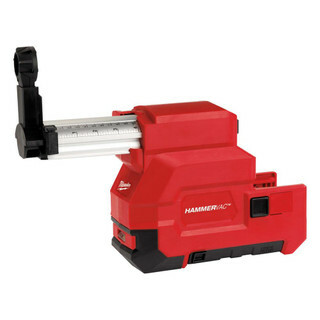
Milwaukee Dust Extractor Accessories
Milwaukee dust extractor attachment kit keeps dust under control when you're drilling, chasing and cleaning up fine site mess with a proper fit to your vac.
If you're cutting chases, drilling overhead or clearing out concrete dust at the end of the shift, the right Milwaukee vacuum attachments save time and mess. A decent fit matters more than lads think. Hoses that stay put, adaptors that actually match the tool, and no fighting leaks while the extractor runs. If you're already running Milwaukee kit, this is where you sort the attachments that keep it working properly.
What Are Milwaukee Dust Extractor Attachments Used For?
- Controlling dust at source when drilling into block, concrete and brick saves you sweeping up half the room after first fix and keeps the work area safer to carry on in.
- Connecting Milwaukee vacuum attachments to power tools and extractors helps when chasing walls, cutting boards or sanding fillered areas where fine dust gets everywhere fast.
- Cleaning out vans, stairwells, plant and workshop corners is quicker with the right nozzles and hose fittings, especially where standard ends are too big or keep pulling free.
- Working overhead or in occupied buildings is easier when the attachment seals properly, because you're keeping fallout down instead of dropping dust over finished floors and clients' furniture.
Choosing the Right Milwaukee Dust Extractor Attachment
Sorting the right one is simple: match the attachment to the hose, the extractor and the dust-producing job. Guess it wrong and you'll end up with poor suction or a loose fit.
1. Hose Size Comes First
If the hose diameter is wrong, do not expect a tidy workaround. A sloppy fit leaks dust and drops suction. Check the actual hose size before buying any Milwaukee dust extractor attachment, especially if you're replacing older fittings.
2. Tool Connection Matters
If you're connecting to an SDS drill, sander or general clean-up nozzle, buy for that use, not just the extractor model. Some Milwaukee vacuum attachments are built for tool extraction, others are better for floor and site cleaning.
3. Battery Platform or Range
If you're on cordless extraction, check whether the fitting is aimed at M12 or M18 kit before you order. It saves you time if you start with Milwaukee M18 Dust Extractor Accessories or Milwaukee M12 Dust Extractor Accessories.
4. Buy for Daily Abuse
If it's staying on the van and getting dragged through refurbs every week, go for fittings and adaptors that can take knocks and repeated use. Cheap, ill-fitting ends are false economy when they split or keep popping off mid-job.
Who Uses These Attachments?
- Sparkies use them for chasing, back box drilling and tidy cable route work, because loose dust in finished houses soon turns into extra cleaning and complaints.
- Plasterers and decorators reach for Milwaukee vacuum attachments when sanding filler, rubbing down walls and keeping snagging work clean in lived-in properties.
- Joiners and kitchen fitters use the right hose ends and nozzles to keep sawdust under control in customers' homes, especially on final fit when surfaces are already finished.
- Site managers, maintenance teams and general builders keep a few Milwaukee dust extractor attachment options in the van so the extractor can be matched properly to the job instead of bodged with tape.
The Basics: Understanding Dust Extractor Attachments
These bits are not complicated, but getting them right makes a big difference on site. The job is simple: create a proper seal between tool, hose and extractor so dust goes into the machine instead of across the room.
1. Hose to Tool Connection
Most problems come from poor connection at the tool end. If the attachment does not fit snugly, suction drops off and fine dust escapes straight away. A proper Milwaukee dust extractor attachment keeps airflow where you need it.
2. Cleaning Nozzles vs Extraction Adaptors
A nozzle is for clearing floors, vans, edges and corners. An adaptor is for linking the extractor to a tool during cutting, drilling or sanding. Mixing the two up usually means awkward fit-up and weaker results.
3. Diameter Affects Performance
Wider hoses move more debris, while smaller sizes can suit tighter tools and more controlled extraction. Too small and it clogs. Too large and it can be clumsy on the tool. Match diameter to the dust load and how you're working.
Accessories That Keep Your Extraction Working Properly
A few key extras stop leaks, blockages and awkward set-ups that waste time on site.
1. Replacement Hoses
A split or crushed hose kills suction fast. Keep a proper replacement to hand so you are not taping up old damage and wondering why the extractor is barely pulling any dust.
2. Adaptors and Reducers
These save you from bodging different hose and tool sizes together. Get the right adaptor and the attachment stays on, seals properly and does the job without constant readjusting.
3. Floor and Crevice Nozzles
Handy when you need to clear stair edges, van floors or tight corners after drilling and cutting. The right nozzle gets the mess up first time instead of pushing it about.
4. Filters and Dust Bags
Do not overlook these. A blocked filter or overfilled bag makes even good Milwaukee vacuum attachments feel useless. Fresh consumables keep airflow up and fine dust under control.
Choose the Right Milwaukee Dust Extractor Attachment for the Job
Use this quick guide to avoid buying the wrong fitting for the work you're doing.
| Your Job | Attachment Type | Key Features |
|---|---|---|
| Drilling concrete and masonry indoors | Tool extraction adaptor | Secure hose fit, good seal at the tool, suited to fine masonry dust |
| Sanding filler, plaster and decorated surfaces | Fine dust hose and adaptor set | Snug connection, steady airflow, less chance of dust escaping into finished rooms |
| Cleaning vans, stairwells and site cabins | Crevice and floor nozzle kit | Narrow reach for edges, wider head for open floors, quick swap between jobs |
| General site tidy-up with mixed debris | Standard hose and nozzle attachment | Decent airflow, tough construction, easier pick-up of dust and small rubble |
| Running cordless extraction with Milwaukee kit | M12 or M18 specific accessory | Correct platform fit, proper compatibility, less messing about on site |
Common Buying and Usage Mistakes
- Buying by eye instead of checking hose diameter is the usual one. The result is a loose connection, poor suction and dust blowing back out where you do not want it.
- Using a general cleaning nozzle as a tool extraction adaptor wastes time because it will not seal properly to the machine or tool. Match the attachment to the actual task.
- Running clogged filters or full bags makes lads blame the attachment when the extractor is really the issue. Clean or replace consumables first if performance drops off.
- Assuming every Milwaukee vacuum attachment fits every other brand can leave you with the wrong kit on site. Always check compatibility before ordering, especially with older extractors.
- Forcing mismatched adaptors together cracks fittings and shortens hose life. If it needs tape and a fight to stay on, it is the wrong part.
Tool Extraction Adaptors vs Cleaning Nozzles vs Hose Reducers
Tool Extraction Adaptors
Best when you're drilling, sanding or cutting and need the dust captured at source. They are the right choice for active tool use, but they are not much use for general floor clean-up.
Cleaning Nozzles
These are for clearing floors, steps, van interiors and bench tops after the work is done. Handy for tidy-up, but they will not replace a proper adaptor when the tool is producing dust constantly.
Hose Reducers
Reducers are there to make different hose sizes work together without a bodge. They are useful when sizes vary, but they still need to be the correct spec or you lose airflow and create weak spots.
Maintenance and Care
Clean Fittings After Fine Dust Work
Concrete, plaster and sanding dust cakes up around ends and seals. Wipe attachments down after use so they keep fitting properly and do not grind themselves loose over time.
Check for Splits and Flattened Hose Ends
If an attachment has been trapped in the van door or stood on, inspect it before the next job. Small splits soon turn into air leaks and weak extraction.
Store Adaptors Together
Keep smaller Milwaukee vacuum attachments in a case or organiser rather than loose in the van. They are easy to lose, and the right adaptor is always the one that disappears first.
Replace Worn Seals Before Performance Drops Right Off
If a fitting has gone loose or the seal has hardened, change it before it starts leaking dust everywhere. A tired seal turns a decent extractor into a messy one.
Why Shop for Milwaukee Dust Extractor Attachments at ITS?
Whether you need a single Milwaukee dust extractor attachment, spare hose fittings, nozzles, adaptors or platform-specific extras, we stock the proper range in one place. You can shop the wider Milwaukee Power Tool Accessories selection, go straight to Milwaukee Fuel Dust Extractor Accessories, or compare against Worx Power Tool Accessories. It is all held in our own warehouse, in stock and ready for next day delivery.
Milwaukee Dust Extractor Attachment FAQs
Are Milwaukee dust extractor attachments universal?
No, not all of them. Some Milwaukee dust extractor attachments are model or hose-size specific, so do not assume every fitting will swap straight across. Check the hose diameter, tool connection and whether it is meant for M12, M18 or another Milwaukee set-up before you buy.
What hose size fits the Milwaukee dust extractor?
It depends on the extractor and the attachment. Milwaukee use different hose and fitting sizes across the range, so the safe way is to match the accessory to your exact machine or existing hose. If you guess, you usually end up with leaks or a fitting that keeps dropping off.
Do Milwaukee dust extractor accessories work with other brands?
Some do, especially with the right reducer or adaptor, but plenty do not fit cleanly enough for proper site use. You might get a physical connection, but if the seal is poor, suction suffers and dust escapes. For tool extraction, a tight fit matters more than making it sort of work.
How do I clean a Milwaukee dust extractor attachment?
Brush or wipe off fine dust after use and check the inside for packed debris, especially around narrow nozzles and adaptors. If needed, rinse only if the part allows it, then let it dry properly before refitting. Do not leave wet dust sitting in the fitting because it hardens and chokes airflow.
Do I need a separate attachment for cleaning and for tool extraction?
Yes, in most cases you do. A floor nozzle is made for picking up loose debris after the job, while a tool adaptor is made to seal onto a sander, drill or saw during the job. One rarely does both properly.
Will these attachments cope with fine plaster and concrete dust every day?
Yes, if they are the right type and you keep the extractor maintained. The attachment can only do its job if the hose is clear, the filter is clean and the bag is not rammed full. Ignore that and even a good fitting will seem poor.