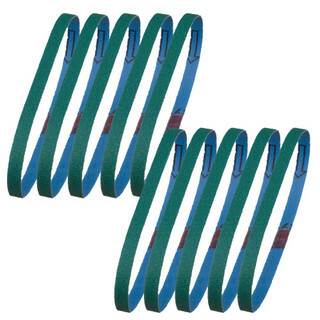
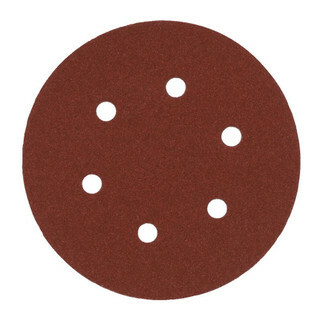
Milwaukee Sanding Pads & Sheets
Detail sander pads are what you reach for when flat sheets will not get into corners, edges, and fiddly trim without tearing or missing spots.
For prep on skirting, stair spindles, window boards and tight paintwork, a proper Milwaukee sanding pad saves time and gives a cleaner finish. Check the pad shape, backing and grit before you buy, then stock up on the ones that match your sander and the job. You can also find the wider Milwaukee Power Tool Accessories range if you are topping up the van properly.
What Are Detail Sander Pads Used For?
- Getting into internal corners, tight edges and awkward profiles where a standard sheet sander just leaves untouched patches and rough prep behind.
- Keying painted skirting, architrave, doors and window boards before recoating, where you need control and a pad that actually stays put on the base.
- Cleaning up filler, timber edges and small repairs on snagging jobs, so you are not over sanding the surrounding finish just to flatten one spot.
- Working through timber prep on site joinery and trim, where the right grit detail sander pads help you strip, smooth or finish without wrecking corners.
- Refreshing worn pads on Milwaukee detail sanders so dust extraction, cut rate and finish quality do not drop off halfway through the day.
Choosing the Right Detail Sander Pads
Match the pad to the sander and the finish you need. Wrong shape or wrong grit just wastes time and chews through stock.
1. Check the Pad Shape First
If the pad does not match your machine's base, do not chance it. Detail sander pads need to line up properly at the tip and edges or they lift, wear unevenly and miss the very corners you bought them for.
2. Buy Grits for the Job, Not Just One Pack
If you are stripping old finish or knocking down filler, start coarser. If you are keying paint or finishing timber, go finer. Most lads get caught out buying one grit and then either clogging it instantly or leaving scratch marks they have to sort later.
3. Look at the Backing and Fixing
Hook and loop backing is the usual choice because it is quick to swap on site. If you are changing grits through the day, make sure the Milwaukee sanding pad you pick grips properly and does not start peeling off once the dust builds up.
4. Think About How Many You Will Burn Through
For one room, a small pack might do. If you are on refurb prep or trim work all week, buy enough to cover coarse, medium and fine stages. Running out halfway through means either bodging the finish or wasting time hunting stock.
Who Uses These on Site?
- Decorators use detail sander pads for prep on trim, handrails and painted edges, especially when they need to key old gloss without gouging the timber underneath.
- Chippies keep a few grits in the box for first fix touch ups and second fix finishing, particularly on skirting joints, door linings and awkward internal corners.
- Kitchen fitters reach for a Milwaukee sanding pad when cleaning up scribes, end panels and tight cutouts where a larger sander is just too blunt.
- Maintenance teams and snaggers use them for quick repairs on occupied sites, because they let you sort small damaged areas fast without dragging out bigger kit.
Sanding Accessories That Keep the Job Moving
A few sensible extras save you from blunt cutting, poor dust control and repeat trips back to the van.
1. Mixed Grit Packs
Do not get stuck trying to strip paint, flatten filler and finish timber with one grit. A mixed pack means you can start aggressive, refine the surface, then finish clean without leaving deep scratch lines behind.
2. Replacement Backing Pads
If the base pad on the sander is worn, even new sheets will not sit right. A replacement backing pad sorts poor grip, uneven sanding and sheets flying off just when you are working into corners.
3. Dust Bags or Extraction Adaptors
Fine sanding dust gets everywhere and kills sheet life fast. Hook up proper extraction or use the right dust bag and you will get a cleaner cut, better visibility and less mess to clear at the end.
Choose the Right Detail Sander Pads for the Job
Use this quick guide to match grit and use to the work in front of you.
| Your Job | Category or Type | Key Features |
|---|---|---|
| Stripping old paint from trim and corners | Coarse detail sander pads | Lower grit for faster stock removal, better on stubborn coatings and built up edges. |
| Flattening filler on small repairs | Medium grit pads | Good balance of cut and control so you do not dig into the surrounding painted area. |
| Keying gloss before repainting | Fine grit pads | Leaves a consistent surface for adhesion without tearing through sound paint. |
| Finishing timber details and edges | Extra fine finishing pads | Cleaner final pass, lighter scratch pattern and better prep before stain, lacquer or top coat. |
Common Buying and Usage Mistakes
- Buying by brand alone instead of pad shape and fit is the big one. A Milwaukee sanding pad still needs to match your machine properly or it will not sit flat, hold well or reach into corners as it should.
- Using one grit for every stage slows the whole job down. Start too fine and you will clog sheets instantly. Start too coarse on finish work and you create scratches you then have to sand back out.
- Running worn backing pads ruins fresh sheets fast. If the hook surface on the tool is tired, replace that first or you will keep losing pads and blaming the abrasive.
- Ignoring dust extraction shortens pad life and leaves a poorer finish. Fine dust packs the abrasive, cuts slower and makes it harder to see what the surface is actually doing.
Detail Sander Pads vs Sanding Sheets vs Sanding Discs
Detail Sander Pads
These are the right choice for corners, edges, narrow trim and tight profile work. If you are prepping skirting returns, stair parts or window boards, detail sander pads give you access larger formats simply cannot.
Standard Sanding Sheets
Better for flatter, broader surfaces on sheet sanders. They cover more area in one pass, but they are slower and clumsier once you get into angles, recesses and fiddly finish work.
Sanding Discs
Best on random orbit sanders for fast stock removal and cleaner finishing on open areas. They are not the tool for sharp internal corners or pointed pad work, so do not buy them expecting detail access.
Maintenance and Care
Keep the Hook Surface Clean
Brush dust off the backing pad regularly. Once the hook face fills up, sheets stop gripping properly and start lifting at the tip and edges.
Change Pads Before They Go Smooth
Do not try to squeeze the last life out of a dead abrasive. Once it stops cutting, it builds heat, clogs faster and leaves a poorer finish while taking longer to do less.
Store Grits Separately
Keep coarse, medium and fine sheets apart in the box. It stops you grabbing the wrong one on autopilot and scratching a surface that was nearly ready for paint.
Check for Edge Damage
Pointed tips and outer edges wear first because they do the fiddly work. If the corners are torn or rounded off, swap the pad out or you will lose the crisp sanding line you need.
Why Shop for Detail Sander Pads at ITS?
Whether you need a quick replacement pack for trim prep or enough detail sander pads to keep a refurb moving, we stock the proper range in the grits and fits trades actually use. It is all in our own warehouse, ready for next day delivery, so you are not left hunting about when the sander is on the bench and the job is waiting. If you are comparing other options, you can also look at Worx Sanding Pads & Sheets, the wider Worx Power Tool Accessories range, Wera Power Tool Accessories, and Vaunt X Sanding Pads & Sheets.
Milwaukee Sanding Pads and Sheets FAQs
Are Milwaukee sanding pads universal?
No, not in the way most lads mean universal. Some detail sander pads share similar shapes, but you still need to match the pad profile, fixing style and hole pattern to your sander or the fit will be poor and the sheet will wear badly.
What grit sandpaper fits Milwaukee detail sander pads?
The pad itself will usually take a range of grits as long as the sheet shape and backing match. Coarser grits are for stripping and flattening, medium is good for general prep, and fine grits are what you want for keying paint and finishing timber.
How long do Milwaukee sanding pads last?
That depends on what you are sanding and whether you are using extraction. On clean timber and paint prep they hold up well, but filler, old coatings and dusty work will wear them faster. Once the abrasive stops cutting cleanly or starts clogging, change it.
Are Milwaukee sanding pads Velcro backed?
Most are hook and loop backed, which is the site standard and what people usually mean by Velcro. It makes grit changes quick, but the grip only stays reliable if the backing pad on the tool is clean and not worn out.
Do these actually stay attached when you are sanding corners hard?
Yes, if the sheet is the right shape and the backing pad is still in decent nick. If pads keep peeling away at the tip, it is usually a worn hook surface, dust packed into the backing, or the wrong sheet for the machine.
Can I use detail sander pads on painted woodwork without wrecking the finish?
Yes, but use the right grit and let the tool do the work. Fine pads are what you want for keying gloss and old paint before recoating. Go too coarse and you will cut through edges and leave scratches that show after painting.