






Milwaukee Drill Bits
Milwaukee drill bit set options cover wood, metal and masonry jobs, with bits that stay sharp, grip properly and put up with hard site use.
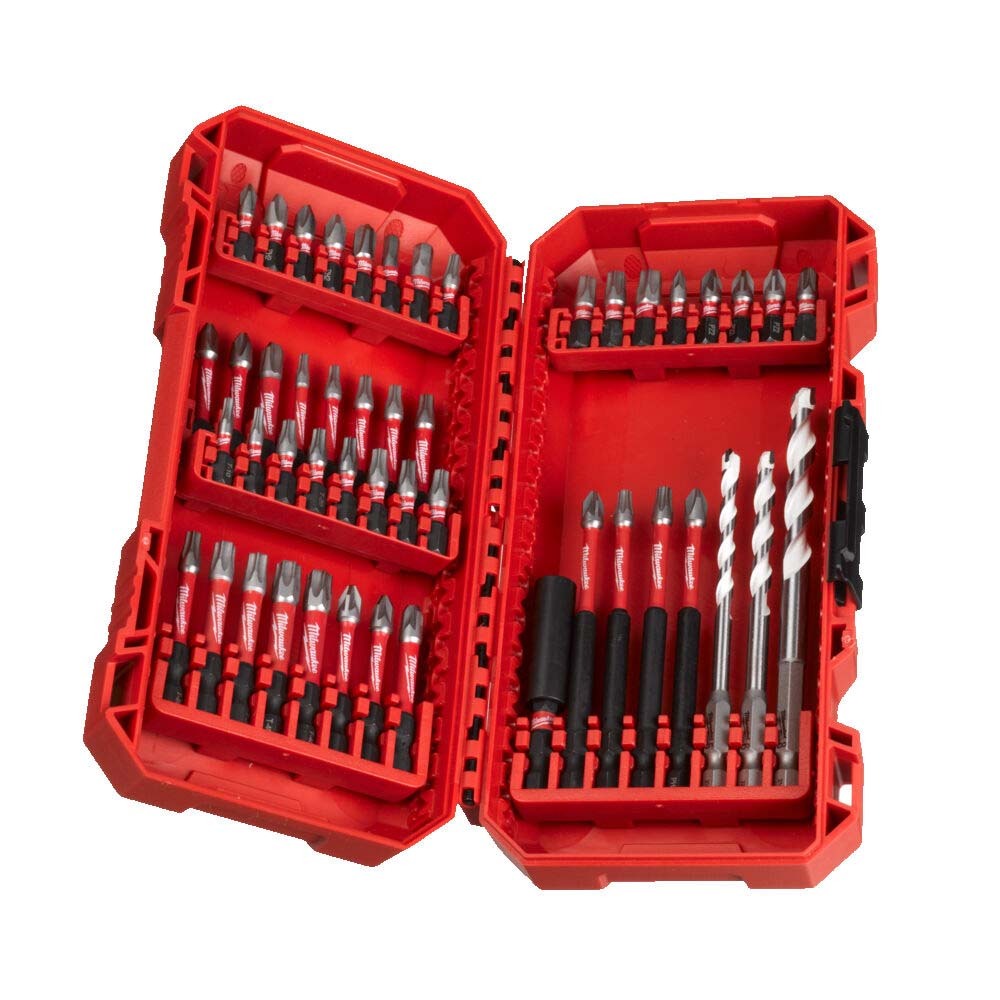
When you're drilling all day, cheap bits soon show themselves by skating, blunting fast, or snapping under load. Milwaukee drill bits are the sort lads keep in the van because they do the basics properly clean starts, solid fit in the chuck, and less messing about swapping out worn bits. Whether you need a full Milwaukee Drill & Screwdriver Bit Sets pack for first and second fix, Milwaukee HSS Drill Bits for steel, Milwaukee Flat Drill Bits for quick timber boring, Milwaukee Auger Drill Bits for deeper runs, or Milwaukee Masonry Drill Bits for block and brick, match the bit to the job and get the set that saves you time.
What Are Milwaukee Drill Bits Used For?
- Drilling steel trunking, brackets, sheet metal and fixings on electrical and mechanical installs is where Milwaukee metal drill bits earn their keep, especially when you need a clean hole without chewing the edge.
- Boring through joists, studwork and roofing timbers for pipe runs, cables and coach screws is quicker with the right Milwaukee drill bit set, rather than forcing one pattern to do every job badly.
- Punching holes into brick, block and similar masonry for plugs, clips and light fixings is everyday work for Milwaukee drill bits built for hammer drilling without blunting straight away.
- Handling first fix van stock is easier with a drill bit set Milwaukee users can keep organised, so you're not wasting ten minutes hunting for a 6mm that should have been in the case.
- Working across snagging, maintenance and refurb jobs suits Milwaukee drill bits set options because you can cover timber, metal and general fixing work from one box.
Choosing the Right Milwaukee Drill Bit Set
Sort the bit around the material first. If you buy one mixed set and expect it to cover every hard job well, you'll blunt bits and lose time.
1. Mixed Set or Material Specific
If you're doing general maintenance or mixed first fix, a broader Milwaukee drill bit set makes sense. If you're mostly on steel, timber or block all week, go straight to a dedicated set for that material because it will drill cleaner and last longer.
2. Hex Shank or Standard Shank
If you're in an impact driver all day and need quick swaps, Milwaukee hex drill bits are the sensible choice. If you're drilling more accurately in a combi or drill driver, standard shank bits are often the better bet for control and range.
3. Jobbing Sizes or Full Range
For van stock and snagging, a compact set covering the common sizes is usually enough. If you're workshop based, fitting out regularly, or drilling for varied fixings, buy the fuller range so you're not forever making do with the next size up.
4. Case Quality Matters
Don't ignore the case. If the bits fall out every time it lands in the van, the set becomes a loose pile by week two. A proper organiser keeps your Milwaukee drill bit sets usable and stops repeat buys of bits you already own.
Who Uses These Milwaukee Drill Bits?
- Sparkies rely on a Milwaukee drill bit set for cable routes, back box fixings, tray work and trunking, because they are constantly jumping between timber, metal and masonry in one shift.
- Plumbers and heating engineers keep Milwaukee drill bits in the van for joists, pipe clips, brackets and plant room work, where a bit that starts cleanly saves slipping on copper and steel.
- Joiners and chippies use Milwaukee drill bits set packs for first fix timber boring, countersinking and pilot holes, especially when they need repeatable holes without ragged breakout.
- Builders, maintenance teams and site fitters swear by Milwaukee masonry and metal bits for day to day fixing jobs, snagging and refits where kit gets used hard and put away dusty.
Accessories That Keep Your Drill Bits Working
A few sensible extras stop damaged bits, poor holes and wasted walks back to the van.
1. Bit Cases and Organisers
This saves the usual mess where loose bits end up at the bottom of the toolbox, chipped, rusty or missing. Keep sizes sorted and you will actually use the set properly instead of grabbing whatever is rolling about.
2. Cutting Fluid for Metal Drilling
If you're drilling steel dry all day, don't be surprised when the edge goes off early. A bit of cutting fluid keeps heat down, gives a cleaner hole and stops you binning metal bits before their time.
3. Magnetic Bit Holders
For Milwaukee hex drill bits and quick change work, a decent holder speeds up swaps and stops fumbling around on steps or scaffold when you're changing between drilling and driving.
Choose the Right Milwaukee Drill Bits for the Job
Match the bit type to the material and the pace of the job.
| Your Job | Bit Type | Key Features |
|---|---|---|
| General van stock for mixed fixing jobs | Mixed Milwaukee drill bit set | Covers common sizes and materials, keeps everyday site work in one case |
| Drilling steel brackets, box section and trunking | Milwaukee metal drill bits | Sharper point, cleaner starts, better life in metal than general purpose bits |
| Quick timber boring through joists and stud | Flat or auger bits | Fast chip clearance, larger diameter holes, better for first fix timber runs |
| Plug holes in brick and block | Masonry drill bits | Built for hammer drilling, holds up better in abrasive materials |
| Fast swapping in an impact driver | Milwaukee hex drill bits | Quick change fit, less faff between drilling and driving tasks |
Common Buying and Usage Mistakes
- Buying one cheap mixed set for heavy metal, timber and masonry work usually ends with blunt bits and rough holes. Match the set to the material you drill most often.
- Running metal bits too fast overheats the tip and kills the edge quickly. Back the speed off, keep pressure steady and use cutting fluid where needed.
- Using worn masonry bits for fixing holes makes the drill work harder and leaves loose plugs. Replace them once they stop cutting cleanly and start glazing the hole.
- Forcing a standard shank bit through impact work can lead to slip or poor grip in fast paced jobs. If you're changing over constantly in an impact driver, use hex shank bits.
- Letting bits rattle loose in the toolbox chips cutting edges and means missing sizes on site. Keep them in the case and put them back after use.
Metal vs Masonry vs Wood Drill Bits
Metal Drill Bits
Best for steel, aluminium and sheet material where you need a clean, accurate hole. They are not the right choice for hammer drilling into brick or block, and forcing them into masonry just ruins the edge.
Masonry Drill Bits
Made for brick, block and concrete with hammer action behind them. They are ideal for plugs and fixings, but they will not give you tidy results in steel or timber.
Flat and Auger Wood Bits
These are for getting through timber fast, especially on first fix and service runs. Flat bits are quicker and rougher, while augers pull themselves through deeper holes with better chip clearance.
Mixed Sets
A mixed Milwaukee drill bits set is the practical choice for maintenance and general site work. If one material dominates your week, a dedicated set will usually outperform it and last longer.
Maintenance and Care
Clean Off Swarf and Dust
Wipe bits down after use, especially after metal drilling. Leaving swarf, brick dust or damp in the case is a quick way to end up with rusty, rough cutting edges.
Store Them Back in the Case
The case is there for a reason. It stops the tips knocking together in the van and means you can actually see what is worn, broken or missing before the next job.
Watch for Heat Damage
Blueing on metal bits is usually a sign they've been run too hot. Slow the drill down and use lubricant on tougher steels, otherwise even decent Milwaukee drill bits will lose their edge early.
Replace Blunt or Chipped Bits Early
A tired bit wastes more time than it saves. If it is wandering, burning timber or polishing metal instead of cutting, retire it before it damages the job or the fixing location.
Why Shop for Milwaukee Drill Bits at ITS?
Whether you need a single Milwaukee drill bit for a replacement, a full Milwaukee drill bit set for van stock, or dedicated bits for metal, wood and masonry, we stock the range. It is all held in our own warehouse, ready for next day delivery, so you can get the right bits on site without hanging about.
Milwaukee Drill Bits FAQs
Are Milwaukee drill bits worth it?
Yes, if you use them properly and buy the right type for the material. They are well made, hold an edge better than bargain bits, and the cases are usually decent enough for van life. They are not magic, but on regular site work they save time and last well.
Who has the best drill bit set?
There is no one best set for every trade. The right answer depends on what you drill most. If you are on mixed snagging and maintenance, a broad Milwaukee drill bit set is a strong choice. If you drill mostly steel, timber or masonry, a dedicated set for that material will do a better job.
How to replace a Milwaukee drill bit?
Take the worn bit out of the chuck or holder, match the replacement by shank type and size, then seat the new one properly before tightening. On quick change hex systems, make sure it clicks fully home. On standard chucks, tighten evenly so the bit runs true and does not wobble.
Are Milwaukee drills any good?
Yes, Milwaukee drills are widely used on UK sites because they are solid, powerful and built for daily trade use. That said, even a good drill will perform badly with the wrong bit fitted, so pair the tool with the right Milwaukee drill bits for the material.
Do Milwaukee metal drill bits need cutting fluid?
For lighter gauge metal you can often drill dry, but on thicker steel or repeated drilling, yes, it helps. Cutting fluid keeps heat down, improves hole quality and makes the bit last longer. If you are seeing smoke or blueing, you are running too hot.
Can I use one Milwaukee drill bit set for wood, metal and masonry?
You can use a mixed set for general jobs, but do not expect one bit pattern to do everything well. Timber, metal and masonry all want different cutting shapes. For regular trade use, the proper bit for the material is always the safer and faster option.
-
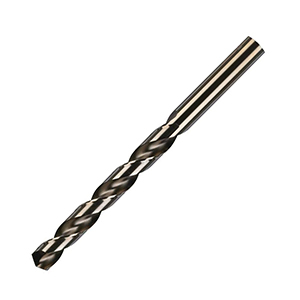
Milwaukee HSS Drill Bits
-
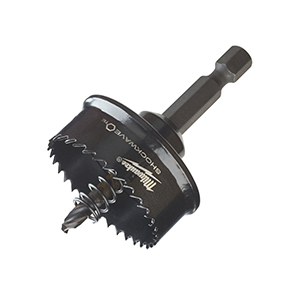
Milwaukee Holesaws & Accessories
-
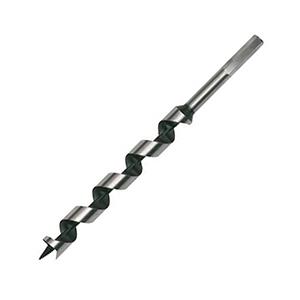
Milwaukee Auger Drill Bits
-
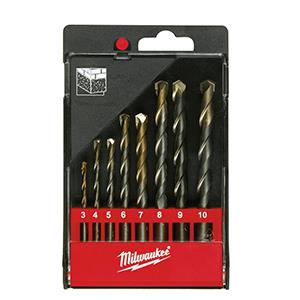
Milwaukee Multi-Construction Drill Bits
-
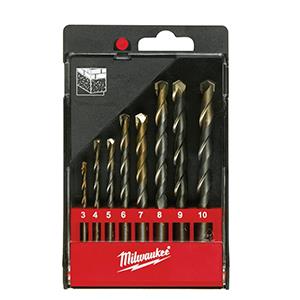
Milwaukee Masonry Drill Bits
-
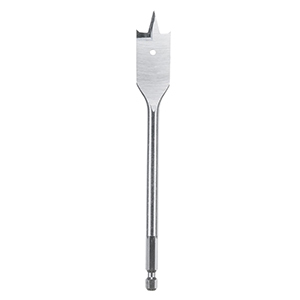
Milwaukee Flat Drill Bits
-
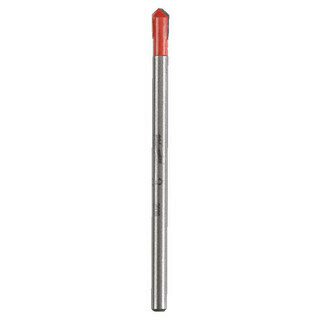
Milwaukee Tile, Glass & Diamond Drill Bits
-
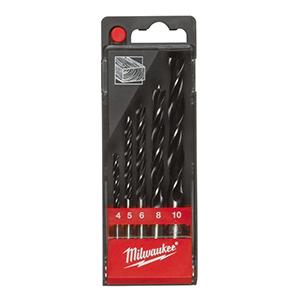
Milwaukee Brad Point & Forstner Bits
-
Milwaukee Drill & Screwdriver Bit Sets
-

Milwaukee Step Drill Bits
-
Milwaukee Diamond Core Drill Bits & Accessories



