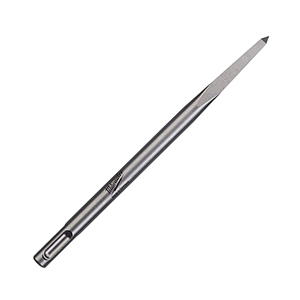
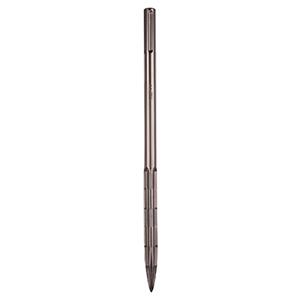
Milwaukee SDS Bits and Attachments
Drilling concrete for fixings? Milwaukee SDS bits tackle masonry drilling, with chisels for breaking and stripping.
For sparkies, fitters and groundworkers, the right shank matters before anything else. Match SDS Plus or SDS Max to your hammer, then check diameter and working length against the fixing specification. Choose the bit or attachment for the job below.
What Are Milwaukee SDS Bits and Attachments Used For?
- Drill fixing holes into concrete and sound masonry when securing cable tray brackets, pipe clips and containment during first fix.
- Make deeper holes through masonry for cables and pipework, choosing a bit with enough working length to clear the wall.
- Strip tiles and suitable bedding material during kitchen and bathroom refurbs using a compatible SDS chisel in hammer-only mode.
- Break out small sections of concrete or masonry with an SDS Max hammer and a suitable point or chisel, within the machine's rated capability.
- Capture drilling dust at the hole with a compatible extraction attachment connected to a suitable extractor, reducing dust spread in occupied properties.
Choosing the Right Milwaukee SDS Bits
Check the hammer's shank fitting first, then buy for the hole diameter, depth and material. A longer or heavier bit is not automatically a better choice.
1. Match the Shank to the Hammer
Choose Milwaukee SDS Plus Bits for an SDS Plus holder and Milwaukee SDS Max Bits for an SDS Max holder. They are different fittings, not interchangeable sizes. Check the machine's recommended drilling range as well as the chuck type.
2. Buy the Diameter and Working Length You Need
For anchors, follow the fixing manufacturer's specified hole diameter and depth. Working length is the usable drilling reach, not the overall bit length. Use the shortest bit that comfortably reaches the required depth; an unnecessarily long bit is more awkward to position accurately.
3. Check the Cutting Head Against the Material
For repeated concrete drilling, consider a four-cutter carbide head, such as a suitable Milwaukee MX4 bit. For reinforced concrete, check the individual bit's stated suitability. A reinforced-concrete rating does not give permission to cut structural reinforcement.
4. Choose Singles or Sets Around Your Fixings
If one anchor size makes up most of your work, buy replacement singles in that diameter. Choose Milwaukee SDS Plus Drill Bit Sets when you regularly switch between fixing sizes, but check the included diameters and lengths rather than buying on piece count.
Who Uses Milwaukee SDS Bits?
Sparkies and plumbers use SDS bits for repeat fixing holes and service routes through masonry. Fitters need accurate hole diameters for anchors, while refurbishment teams use Milwaukee SDS chisels to lift tiles and remove mortar. Groundworkers and builders reach for SDS Max equipment when larger holes or heavier localised breaking exceed the capacity of their SDS Plus hammer.
The Basics: Understanding SDS Bits and Attachments
SDS describes the connection between the accessory and the hammer. The shank locks into the holder while allowing the movement needed for the hammer action.
1. SDS Plus and SDS Max Are Different Systems
SDS Plus uses a nominal 10mm shank and is common on lighter rotary hammers. SDS Max uses a nominal 18mm shank on larger machines for heavier drilling and chiselling. These measurements describe the shank, not the hole diameter.
2. Drilling and Chiselling Need Different Modes
An SDS masonry drill bit normally uses rotation with hammer action to cut and clear the hole. A chisel uses hammer-only mode without rotation. Not every SDS drill has a chiselling mode, so check the controls and specification before buying attachments.
Accessories for Cleaner, More Controlled SDS Drilling
Sort dust capture and depth control before starting a run of fixing holes.
1. Drill Dust Extraction Attachments
Use Milwaukee Drill Dust Extraction Attachments to capture dust close to the hole. Check compatibility with the drill, bit diameter, working length and extractor connection; an attachment alone does not provide dust extraction.
2. Compatible Depth Stops
A correctly fitted depth stop helps prevent a batch of unnecessarily deep holes. Set it to the fixing manufacturer's drilling depth, allowing for any specified clearance, and check that it remains secure during repeated drilling.
3. SDS Shank Grease
Where the hammer manufacturer specifies it, a light application of suitable shank grease reduces wear at the tool holder. Use the recommended product and quantity rather than packing the holder with grease that collects grit.
Choose the Right Milwaukee SDS Bits for the Job
Start with your hammer fitting, then match the accessory to the work.
| Your Job | Bit or Attachment Type | Key Features |
|---|---|---|
| Drilling routine fixing holes in concrete | SDS Plus masonry drill bit | Specified fixing diameter, sufficient working length and compatible shank. |
| Drilling larger holes with a heavy rotary hammer | SDS Max masonry drill bit | SDS Max fitting and diameter within the machine's rated capacity. |
| Drilling concrete where reinforcement may be present | Reinforced-concrete-rated carbide bit | Suitable head design, reinforcement checks and permission before cutting steel. |
| Removing wall or floor tiles | Compatible tile chisel | Suitable blade profile and a hammer with hammer-only mode. |
| Localised masonry or concrete removal | Point or flat chisel | Correct shank, suitable blade width and sufficient machine capability. |
Common Buying and Usage Mistakes
- Buying by hole diameter without checking the shank leaves you with a bit that will not fit. Confirm SDS Plus or SDS Max on the machine first.
- Confusing overall length with working length can leave a service hole short of the far side. Check the usable drilling length before ordering.
- Leaning heavily on the hammer can slow drilling and overheat the bit. Apply controlled pressure and let the hammer mechanism do the work.
- Drilling through unexpected steel risks damaging reinforcement or hitting concealed services. Stop, investigate and obtain any required approval before continuing.
- Assuming an SDS bit will make any masonry hole cleanly can damage hollow blocks or fragile substrates. Follow the fixing and substrate guidance, including whether hammer action is appropriate.
SDS Plus vs SDS Max vs Straight-Shank Masonry Bits
SDS Plus for Routine Fixing Work
Choose SDS Plus for everyday masonry fixing holes with a compatible rotary hammer. The lighter machine format suits repeated first-fix work, but larger diameters and sustained heavy breaking may exceed the hammer's capacity.
SDS Max for Heavier Drilling and Chiselling
Choose SDS Max when the hole size or breaking task calls for a larger hammer. It suits heavier work, but the extra machine weight is unnecessary for rows of small fixing holes.
Straight-Shank Bits for Conventional Chucks
Choose a suitable straight-shank masonry bit for a conventional three-jaw chuck. It can cover occasional masonry drilling within the drill's capability, but it does not turn a combi drill into an SDS rotary hammer.
Maintenance and Care
Clean the Flutes and Shank
Once the bit has cooled, remove loose dust using suitable dust-controlled cleaning methods. Keep grit off the shank before inserting it, and avoid blowing silica-containing dust around with compressed air.
Lubricate as Specified
Follow the hammer manufacturer's shank lubrication instructions. Wipe away contaminated grease before applying a fresh, light coating where required.
Inspect the Cutting Head
Check for chipped carbide, cracked joints, bent shafts and excessive wear. Replace damaged bits; an undersized or distorted hole can compromise an anchor installation.
Store Dry and Protect the Tips
Dry the accessories before putting them away and keep them in a case or organised holder. Separate cutting heads from loose heavy tools to reduce damage during van transport.
Your Milwaukee SDS Bits Range, Ready to Go
ITS stocks the Milwaukee SDS bits and attachments range, covering SDS Plus and SDS Max drilling bits, sets and chisels for fixing, installation and breaking work. Stock is held in our own warehouse, ready for next-day delivery on eligible orders. Check the individual item's availability and delivery options before ordering for a scheduled job.
Milwaukee SDS Bits FAQs
What is the difference between SDS Plus and SDS Max?
SDS Plus has a nominal 10mm shank, while SDS Max has a nominal 18mm shank and a different locking arrangement. SDS Plus commonly handles lighter drilling and chiselling; SDS Max is used on larger hammers for heavier work. They do not fit directly into each other's holders. Check Milwaukee SDS Drills for the machine's fitting and drilling capacity before choosing accessories.
Are Milwaukee SDS bits good quality?
Milwaukee offers carbide-tipped SDS bits intended for trade masonry drilling, including four-cutter designs for demanding concrete work. The useful distinction is the individual bit's head design and material rating, not just the badge. Choose the right specification and replace damaged or worn bits rather than forcing them through another batch of anchor holes.
Can SDS bits be used in a normal drill?
Not directly as intended. An SDS shank needs a matching SDS holder to lock correctly and work with the hammer mechanism. Do not clamp it into a standard three-jaw chuck as a substitute. Use a suitable straight-shank masonry bit for a conventional drill, or use an SDS rotary hammer.
What SDS bit is best for concrete?
For repeated concrete drilling, a four-cutter carbide bit such as a suitable Milwaukee MX4 model is a practical choice. Match its shank to the hammer and its diameter to the fixing specification. If reinforcement may be present, check the bit's reinforced-concrete rating and investigate the drilling route before starting.
How long do Milwaukee SDS bits last?
There is no reliable universal hole count. Hard aggregate, reinforcement, deep holes, excessive pressure and poor dust clearance all affect wear. Inspect the head regularly and check hole quality, especially for anchors. Replace a bit with damaged carbide or wear that takes the hole outside the fixing manufacturer's requirements.
Are Milwaukee SDS bits good for rebar?
Some Milwaukee SDS bits are rated for reinforced concrete, but that does not make every bit a dedicated rebar cutter. Check the exact model's stated application. If you encounter reinforcement, stop and confirm whether it can be cut; structural steel must not be drilled through without the appropriate approval.
Do Milwaukee SDS bits come in sets?
Yes, Milwaukee SDS bits are available in sets as well as singles. Check the listed diameters, working lengths and shank type because contents vary. A mixed set suits varied installation work; replacement singles make more sense when you repeatedly use one fixing size.
Can SDS bits be used in hammer mode only?
SDS drilling bits normally need rotation with hammer action to drill masonry; hammer-only mode will not drill a normal round hole properly. SDS chisels and points use hammer-only mode without rotation. Check that your machine supports chiselling and that the attachment is approved for it.