Milwaukee SDS+ Bits
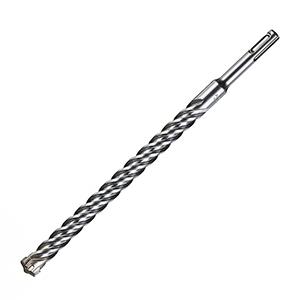
Milwaukee SDS drill bits are built for hard masonry drilling, fixing holes, anchors and repeated site use in brick, block and concrete without slowing you down.
If you're drilling all day into blockwork, lintels or cured concrete, this is where you want proper bits that don't blunt after a handful of holes. Milwaukee SDS bits, including Milwaukee MX4 SDS drill bits, are the ones sparks, fixers and installers reach for when clean holes and steady progress matter. Match the bit to the fixing, the depth and the hammer you've got, then get stocked up before the next run of drilling starts.
What Are Milwaukee SDS Drill Bits Used For?
- Drilling fixing holes into brick, block and concrete for cable clips, trunking, brackets and general first fix work is where Milwaukee SDS drill bits earn their keep.
- Chasing repeated anchor holes through dense masonry on refurbs or new build floors is quicker with Milwaukee SDS bits that stay accurate and clear dust properly.
- Boring deeper holes for frame fixings, barrier rails and mechanical anchors on site is easier when the flute clears spoil fast and the tip holds its line.
- Working overhead on ceilings and concrete beams for hangers, supports and containment needs SDS bits that start cleanly without skating all over the mark.
- Using Milwaukee MX4 SDS drill bits for tougher concrete and reinforced sections helps when standard bits start slowing down or wear too quickly.
Choosing the Right Milwaukee SDS Drill Bits
Sort the bit by the fixing and the material first. If the hole size is wrong or the bit is too light for the job, you will feel it straight away.
1. Diameter Must Match the Fixing
If you are drilling for wall plugs, clips or light anchors, buy the exact diameter you use most instead of a random mixed set that leaves you short on the sizes that actually matter. On site, 5mm, 6mm, 8mm and 10mm usually do the hard miles.
2. Length Wants Thinking About
If you are only setting shallow fixings into brick, a standard length bit is easier to control. If you are going through render, batten, insulation or deeper masonry, step up to a longer bit so you are not burying the chuck into the wall.
3. Standard SDS Bits vs Milwaukee MX4 SDS Drill Bits
If most of your work is brick and block, standard Milwaukee SDS drill bits will cover it. If you regularly drill hard concrete or run into rebar and dense aggregate, Milwaukee MX4 SDS drill bits are the better shout because they hold up better under tougher abuse.
4. Buy Singles for Top Up and Sets for Van Stock
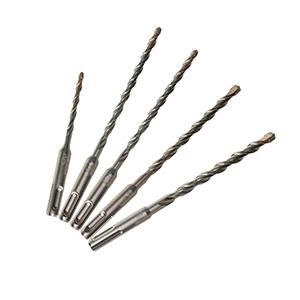
If you always kill the same few sizes, buy singles and keep spares in the van. If you are fitting out, snagging or moving across different fixing sizes all day, a set saves the usual trip back to the toolbox.
Who Uses These on Site?
- Sparkies use Milwaukee SDS drill bits for back box fixings, tray, conduit clips and support holes, especially when they are moving room to room and need bits that keep cutting true.
- Plumbers and heating engineers keep Milwaukee SDS bits in the case for pipe clips, bracket fixing and plant room installs where block and concrete are part of the day job.
- Dryliners and fixers rely on them for track fixings, ceiling hangers and repeated anchor points because a wandering bit just wastes time and damages the finish.
- General builders, maintenance teams and fitters use Milwaukee MX4 SDS drill bits when they hit tougher concrete, older lintels or jobs where the cheap bits usually give up first.
The Basics: Understanding SDS Drill Bits
SDS bits are made for hammer drilling into masonry. The key difference is not just the tip. It is the shank, the flute and the way the bit works with the hammer to keep cutting under impact.
1. SDS Shank Locks Into the Hammer Properly
An SDS shank slides and locks into an SDS chuck so the drill can hammer and rotate the bit at the same time. That is what makes it right for brick, block and concrete, where a standard straight shank bit would slip or struggle.
2. The Tip Starts the Hole and Keeps It True
The carbide tip does the hard cutting. Better tip designs help the bit start cleaner, wander less and stay usable longer when you are drilling repeated holes into tough material.
3. Flutes Clear Dust So the Bit Keeps Cutting
The spiral flute pulls dust out of the hole as you drill. When dust clears properly, the bit runs cooler, drills quicker and is less likely to bind up halfway through a fixing hole.
Accessories That Keep Your SDS Drilling Moving
A couple of sensible add-ons save wasted time, blown fixings and extra clean-up once the drilling starts.
1. SDS Bit Sets and Spare Singles
Keep spare 5mm, 6mm, 8mm and 10mm sizes handy. They are the ones that disappear, chip or blunt first, and there is nothing worse than stopping a run of fixings because one common size is finished.
2. Dust Extraction Adaptors
Get a proper dust control attachment if you are drilling indoors, over finished areas or on occupied jobs. It saves sweeping up for half an hour and helps keep the hole cleaner for the fixing.
3. Depth Stops and Marking Gear
A depth stop or even proper marked tape on the bit stops you overdrilling anchors and frame fixings. It is a small thing, but it avoids loose fixings and wasted plugs.
Choose the Right Milwaukee SDS Drill Bits for the Job
Use this as a quick guide before you load the drill case.
| Your Job | Bit Type | Key Features |
|---|---|---|
| Clips, plugs and light first fix into brick | Standard SDS drill bit | Common small diameters, quick starts, clean fixing holes and easy control one handed. |
| Repeated drilling into block and general concrete | Standard Milwaukee SDS bits set | Mixed sizes for daily van stock, decent dust clearance and less downtime between tasks. |
| Anchors and frame fixings through thicker material | Long SDS drill bit | Extra reach, better access through finishes and less chance of the chuck fouling the wall. |
| Hard concrete and reinforced sections | Milwaukee MX4 SDS drill bits | Stronger carbide tip design, better wear life and more confidence when the material turns nasty. |
| Fit out and maintenance work across varied fixing sizes | SDS drill bit set with key singles | Covers most day to day diameters while spare singles keep the high use sizes ready to go. |
Common Buying and Usage Mistakes
- Buying the diameter close enough instead of exact for the fixing is a classic mistake. The result is loose plugs, poor anchors and doing the hole twice, so always match the bit to the fixing spec.
- Using a bit that is too short for the wall build-up wastes time and wrecks control. If you are going through plaster, battens or insulation first, buy the extra length and drill it once.
- Keeping a blunt bit in service because it still sort of drills only cooks the tip and slows the whole job down. Once it starts wandering, glazing or taking too long, bin it and fit a fresh one.
- Using standard drill bits in hammer mode for masonry is asking for burnt tips and ugly holes. SDS work wants an SDS hammer and the right bit, not whatever is rolling round in the bottom of the case.
- Ignoring dust extraction on finished jobs leaves a mess and can affect fixing performance. Cleaner holes usually mean better anchor seating and less site grief afterwards.
Standard SDS Bits vs Long SDS Bits vs MX4 SDS Bits
Standard SDS Bits
These are the everyday choice for plugs, clips, brackets and general anchor holes in brick, block and normal concrete. They are easier to handle for routine work and usually the best value if you burn through common sizes every week.
Long SDS Bits
Long bits come into their own when you need reach through finishes or deeper embedment for frame fixings. They are less nimble in tight spots, so do not buy them for everything, but they save a lot of faff on thicker build-ups.
Milwaukee MX4 SDS Drill Bits
MX4 bits are the better pick when you are regularly in hard concrete or risk hitting reinforcement. They cost more than a basic SDS bit, but they make sense if your work is heavy on concrete and you are sick of premature wear.
Maintenance and Care
Clean Dust Off After Use
Brush masonry dust off the flute and shank before the bit goes back in the case. Packed on dust holds moisture and grime, and that does the bit no favours over time.
Check the Tip Before the Next Job
Have a quick look for chipped carbide, rounded cutting edges or overheating marks. If the tip is gone, performance is gone with it, and you will only waste time forcing it.
Store by Size, Not Loose in the Van
Loose bits rattling around with fixings and hand tools get damaged and are a pain to sort on site. Keep them sleeved, boxed or in a proper drill bit case so you can grab the right size quickly.
Replace When They Stop Cutting Cleanly
A worn SDS bit makes rougher holes, runs hotter and hits battery and tool performance. If it starts taking noticeably longer or skates at the start, replace it before it costs you more time.
Why Shop for Milwaukee SDS Drill Bits at ITS?
Whether you need single replacement Milwaukee SDS drill bits, site-ready sets or tougher Milwaukee MX4 SDS drill bits, we stock the range builders and installers actually use. You can also sort the rest of your kit through Milwaukee Power Tool Accessories, compare other options in Worx Power Tool Accessories and Wera Power Tool Accessories, or pick up drilling extras through Vaunt Power Tool Accessories and Vaunt X Diamond Core Drill Bits & Accessories. It is all in our own warehouse, in stock, and ready for next day delivery.
Milwaukee SDS Drill Bits FAQs
What is the best drill bit for drilling wood?
For wood, no, an SDS bit is not the best choice. You want a wood bit suited to the job, usually a brad point for neat holes, a flat bit for rough first fix, or an auger for deeper boring through timber.
Are Milwaukee drill bits good quality?
Yes, Milwaukee drill bits are well regarded on site because they hold up properly under trade use. Their SDS range is built for repeated masonry drilling, and the Milwaukee MX4 SDS drill bits are a solid choice when the concrete gets harder and cheaper bits start giving up.
Should you lubricate drill bits when drilling into wood?
No, not for normal wood drilling. Lubricating a bit for timber is unnecessary and usually just makes more mess. What matters more is using the right wood bit, the right speed and clearing waste properly so the bit does not overheat.
Can I use regular drill bits for wood?
Yes, you can use regular twist bits for basic wood drilling, but they are not always the cleanest option. If you want tidy entry points and less tearing, a proper wood bit will do a better job, especially on visible work.
Are Milwaukee SDS drill bits suitable for reinforced concrete?
Some are better suited than others. If reinforced concrete is a regular part of your work, Milwaukee MX4 SDS drill bits are the safer bet because they are made for tougher drilling conditions and hold up better when the material turns rough.
Do I need an SDS drill to use Milwaukee SDS bits?
Yes. Milwaukee SDS bits need an SDS compatible drill with the correct chuck. They are not made for a standard three jaw chuck, and trying to bodge them in the wrong tool is a waste of time.