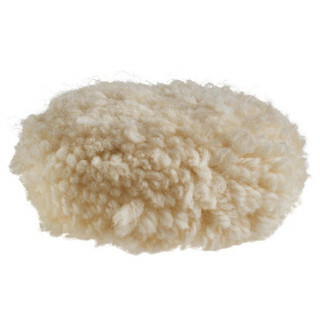
Milwaukee Polishing Pads
125mm polishing pads are what you reach for when paint needs cutting back, refining or finishing properly without leaving a mess behind.
On paint correction, stainless finishing or bringing tired panels back up, the right pad matters as much as the machine. Milwaukee polishing pads are built for 125mm backing plates and proper trade use, whether you're compounding out marks or finishing for a clean handover. If you're already running Milwaukee kit, start with the pad matched to the finish you want and the compound you're using.
What Are 125mm Polishing Pads Used For?
- Cutting back light scratches, oxidation and dull paint on vans, site motors and workshop-finished panels where a hand polish just will not touch it.
- Refining painted surfaces after compounding so you can take out haze and bring the finish up properly before delivery or handover.
- Polishing stainless trim, metal covers and finished surfaces where you need a cleaner, more even result without gouging the material.
- Working through staged correction jobs by swapping Milwaukee polisher pads to suit heavier cut, general polishing or final finishing.
- Cleaning up small to medium surface areas with better control on a 125mm setup, especially where larger pads feel clumsy around edges and details.
Choosing the Right 125mm Polishing Pads
Sorting the right pad is simple: match the pad to the finish you need, not just the machine in your hand.
1. Cutting or Finishing
If you are taking out marks, oxidation or heavier defects, start with a firmer cutting pad and compound. If the paint is already in decent nick and just needs bringing up, go straight to a softer polishing or finishing pad so you do not create extra haze to chase afterwards.
2. Pad Material
Foam pads are the usual choice for controlled polishing and finishing on painted panels. Wool or more aggressive pads shift defects faster, but they are less forgiving, so if you are working on visible surfaces or you are not correcting paint every day, do not go too aggressive too early.
3. Surface Size and Control
A 125mm polishing pad gives you a good middle ground for panels, doors and general vehicle work. If the area is tighter around trims, handles or edges, slow down and work smaller passes rather than forcing the full pad into awkward spots.
4. Machine Compatibility
Check the backing plate size before you order. A 125mm pad wants the right hook and loop support underneath it, otherwise it will not run properly, wears unevenly and can leave you fighting vibration instead of polishing.
Who Uses These Polishing Pads?
- Bodyshop teams use 125mm polishing pads for paint correction, swirl removal and finishing work where panel quality is obvious the minute it rolls into the light.
- Vehicle prep and valeting crews keep Milwaukee polishing pads handy for bringing work vans and pickups back up before resale, return or sign written handover.
- Maintenance teams use them on painted metal, covers and visible finished surfaces where a rough clean is not enough and the end result has to look sorted.
- Fabricators and finishers reach for milwaukee polisher pads when they need more control on tighter sections and do not want a larger pad catching edges or trim.
The Basics: Understanding 125mm Polishing Pads
The pad is what decides how aggressive or refined the job will be. Same polisher, same panel, different pad and compound can give you a completely different result.
1. Cutting Pads
These are for defect removal first. They bite harder into the compound and help pull out swirls, oxidation and light scratches faster, but they usually need a second polishing stage afterwards to clean the finish up.
2. Polishing Pads
This is the middle ground most users spend time on. A polishing pad refines the surface, lifts gloss and removes haze without being as harsh as a cutting pad or as soft as a finishing pad.
3. Finishing Pads
These are for the last pass when the surface is already corrected and you just want depth, gloss and a cleaner final look. They do not fix bigger defects, but they are the right choice when you are chasing a tidy final finish.
Polishing Accessories That Keep the Job Moving
A few extras save time, stop pad damage and help you get a cleaner finish from the first pass to the last.
1. Backing Plates
Get the right backing plate for your 125mm polishing pads or you will be fighting wobble, poor contact and uneven wear. A properly matched plate keeps the pad flat and stops the edge from doing all the work.
2. Compounds and Polishes
The pad on its own is only half the setup. Use the right compound for defect removal and the right polish for refining, otherwise you can end up doing extra passes and still not get the finish right.
3. Spare Pads
Do not run one pad into the ground all day. Keeping spare Milwaukee polishing pads ready means you can swap out clogged or heat-soaked pads and keep the finish consistent instead of smearing product about.
4. Pad Cleaning Tools
A clogged pad stops cutting properly and can mark the surface. A quick clean between sections keeps the face open, the compound working and saves binning pads before their time.
Choose the Right 125mm Polishing Pads for the Job
Use this quick guide to match pad type to the finish you are trying to achieve.
| Your Job | Pad Type | Key Features |
|---|---|---|
| Removing oxidation and light scratches from paint | Cutting Pad | Firmer face, faster defect removal, best used with a correcting compound |
| General paint correction on vans and body panels | Polishing Pad | Balanced cut and finish, good control, ideal for refining after heavier work |
| Final gloss pass before handover | Finishing Pad | Softer contact, improves shine, helps remove haze from earlier stages |
| Working tighter panels and more detailed areas | 125mm Foam Pad | Good control on smaller sections, easier to manage around trims and edges |
| Fast correction where surface defects are more stubborn | Aggressive Cut Pad | Higher bite, quicker material removal, usually needs follow up polishing |
Common Buying and Usage Mistakes
- Buying the pad by diameter alone and not checking the backing plate fit. That usually means poor support, uneven polishing and a pad that wears out long before it should.
- Using an aggressive cutting pad for every stage. It will shift defects quickly, but it can leave haze and extra marks that then need more time to sort properly.
- Running one pad too long without cleaning it out. Once product and debris build up, the pad stops working cleanly and starts dragging muck back across the surface.
- Letting the pad work right on its edge all the time. That overheats the face, rounds the pad off and makes it harder to keep even contact on the panel.
- Skipping straight to final polish on tired paintwork. If the surface still has defects in it, a finishing pad will not rescue it and you will just waste polish and time.
Cutting Pads vs Polishing Pads vs Finishing Pads
Cutting Pads
Best for removing defects, oxidation and heavier marks when the surface is in rougher shape. They work fast, but they are not your last-step pad if you want a clean finish.
Polishing Pads
The all-rounder for most correction work. They give a sensible balance between cut and finish, so they suit regular paint refinement without going too aggressive.
Finishing Pads
These are for the last pass when the paint is already tidy and you are lifting gloss or removing light haze. They are not much use for correction, but they are the right tool for final presentation.
Maintenance and Care
Clean Pads Between Jobs
Brush or wash product build-up out after use so the pad keeps its cut and does not harden off. A clogged pad works badly and can mark the next surface you touch.
Let Them Dry Properly
Do not throw damp pads straight into a sealed box or van compartment. Let them air dry fully first or they can end up musty, misshapen and no good when you need them.
Store Flat and Clean
Keep pads flat, out of dust and away from loose swarf or grit. Any contamination stuck in the face can scratch paint the next time you spin it up.
Replace Worn or Rounded Pads
Once the face starts breaking down, the edge rounds over or the hook and loop stops holding properly, bin it. Hanging on to a dead pad usually costs more in rework than the replacement does.
Keep Pad Types Separate
Do not mix cutting, polishing and finishing pads in one grubby pile. Keeping them separate stops cross contamination and saves putting aggressive residue onto a finishing stage by mistake.
Why Shop for 125mm Polishing Pads at ITS?
Whether you need a replacement 125mm polishing pad, a full set of Milwaukee polishing pads, or matching milwaukee polisher pads for different stages of correction, we stock the range in depth. You will find the sizes and types trades actually use, all in our own warehouse and ready for next day delivery. You can also shop Milwaukee Polishing Accessories, Milwaukee Sanding Pads & Sheets, Milwaukee More Accessories, Milwaukee Routing and Milwaukee Dust Bags to round out the rest of your kit.
125mm Polishing Pads FAQs
What is the difference between buffing pad and polishing pad?
A buffing pad is usually talked about as the pad used for the final shine or wax stage, while a polishing pad sits more in the middle and is used to refine the surface and improve gloss after cutting. In real use, people mix the terms up a lot, so the main thing is checking whether the pad is meant for cutting, polishing or finishing before you buy it.
Do polishing pads make a difference?
Yes, they make a big difference. Swap the pad and you change how much cut you get, how much heat builds up and how clean the finish looks. A decent machine with the wrong pad will still give you poor results, while the right pad and compound combo makes the job quicker and far more controlled.
Which color pad is used for polishing?
There is no single standard colour across every maker, so do not buy by colour alone. One brand's polishing pad might be another brand's finishing pad. Always read the pad description and intended use first, especially if you are mixing compounds and pads from different ranges.
Will 125mm polishing pads fit any polisher?
Not automatically. The pad diameter needs to suit the backing plate, and the machine setup has to support it properly. Check the backing plate size and attachment type first or you can end up with poor pad support, extra vibration and uneven polishing.
Can I use one pad for compound and polish?
You can, but it is not the right way to get a clean finish. Once a pad is loaded with compound, it will not behave the same for polishing or finishing. Keep separate pads for each stage if you want consistent results and less chance of dragging old abrasive back onto the panel.
How long do Milwaukee polishing pads last on proper trade use?
That depends on heat, pressure, how often you clean them and what surfaces you are working on. Used properly and cleaned out regularly, they last well. Run them dirty, overheat them or lean too hard on edges and they will wear out quickly, same as any pad.