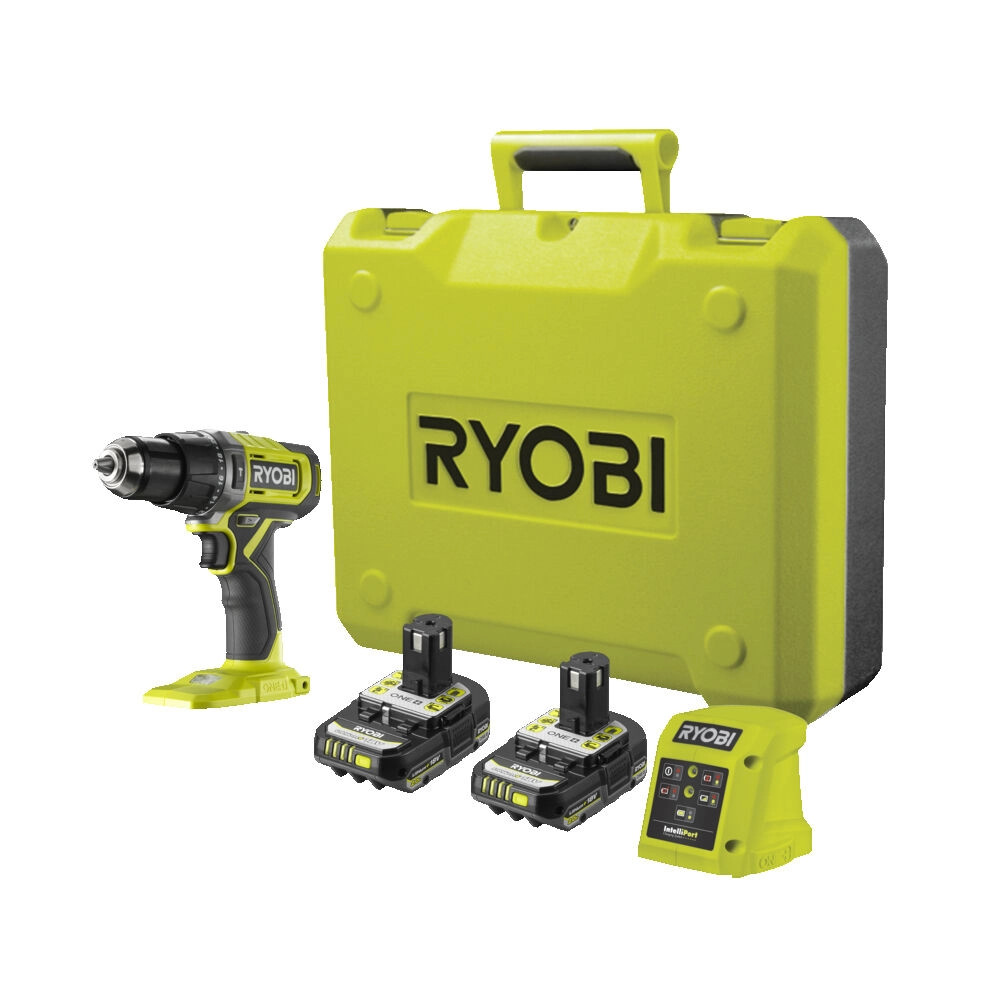
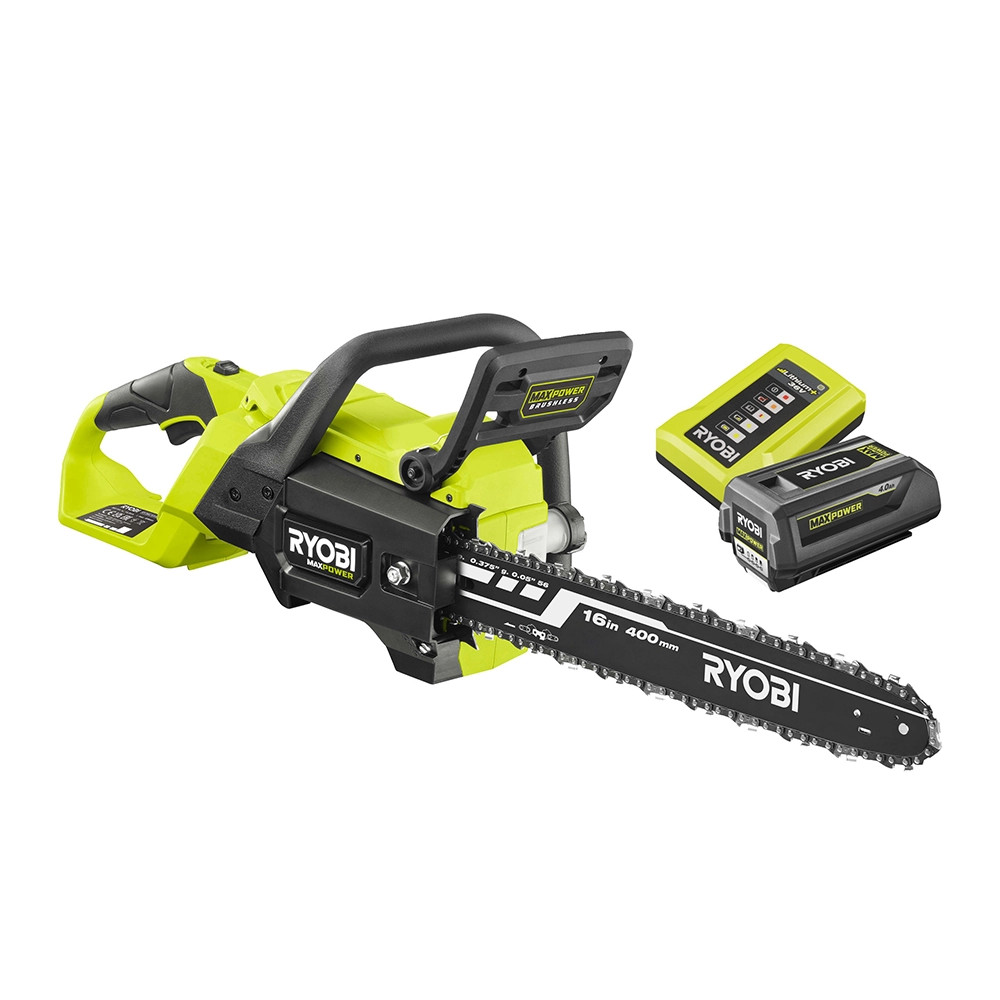
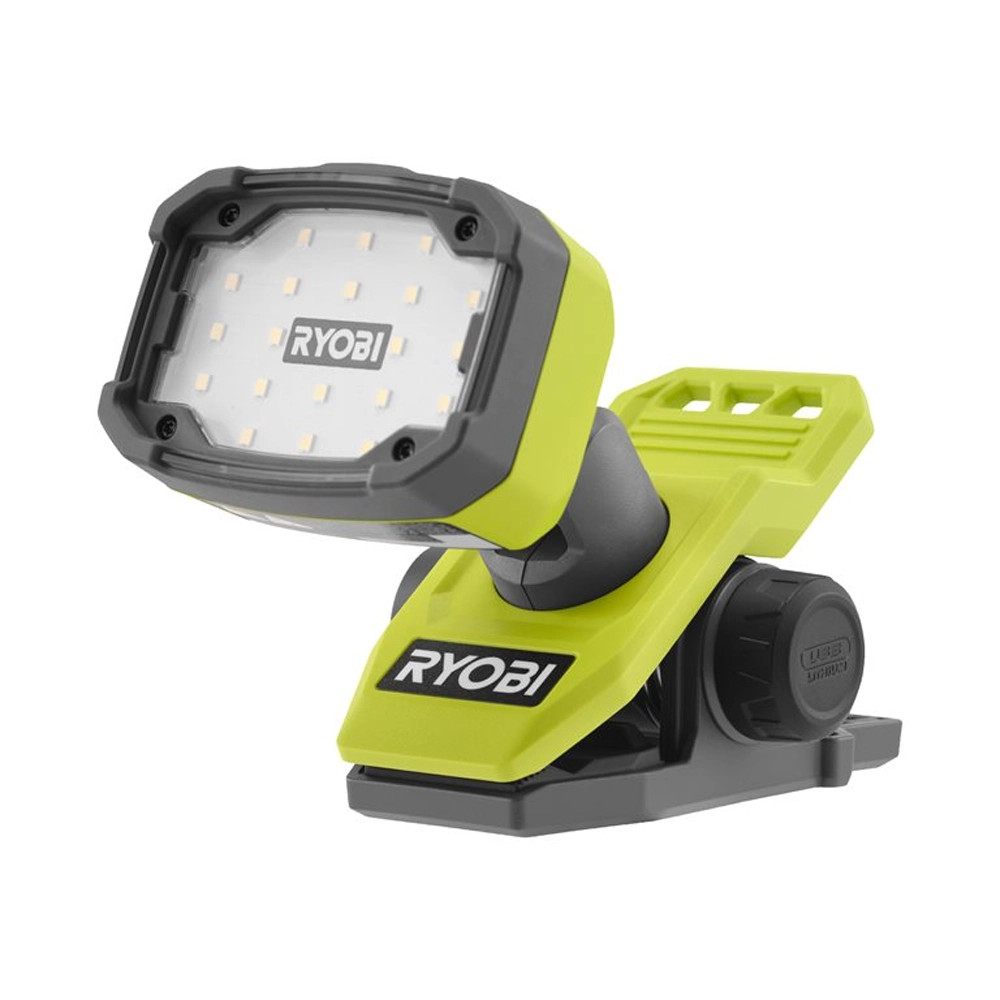
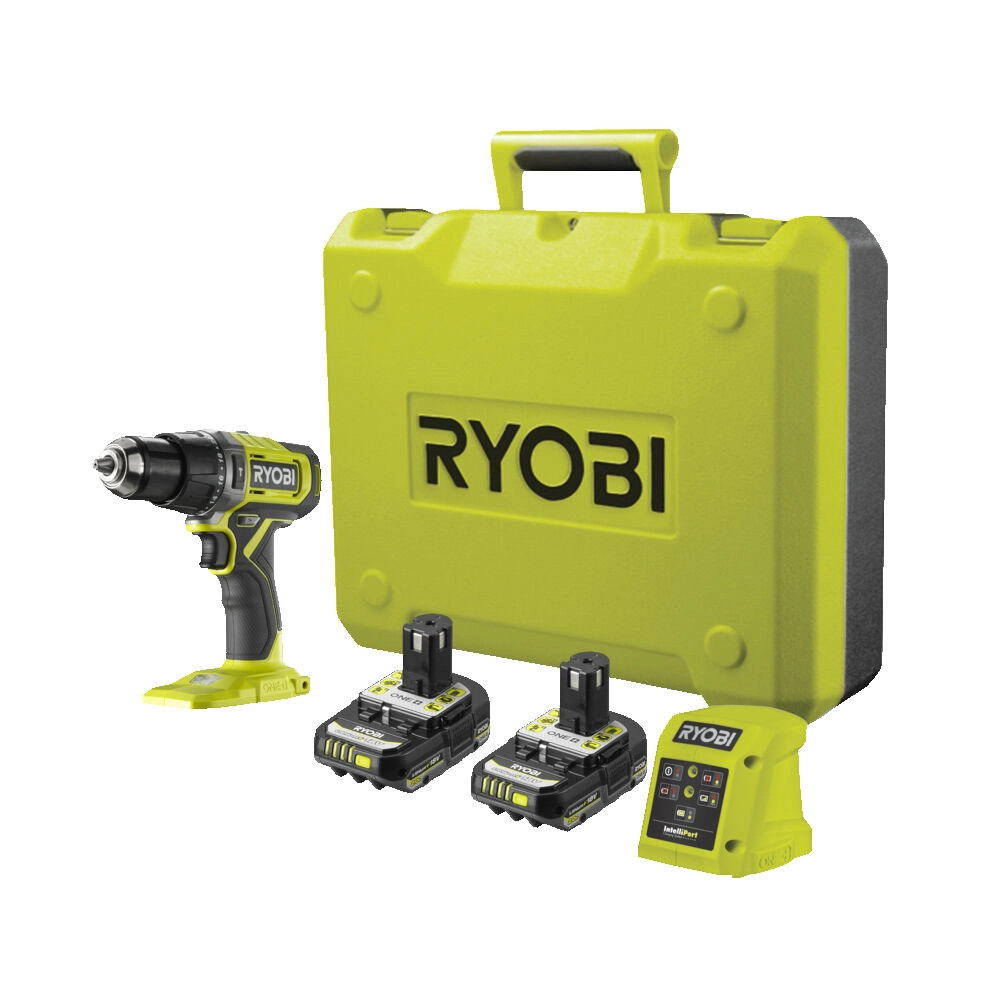
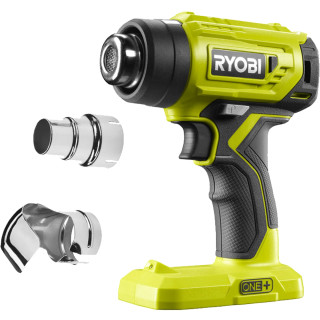
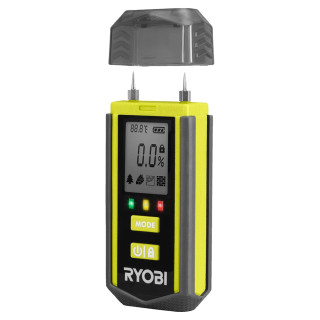
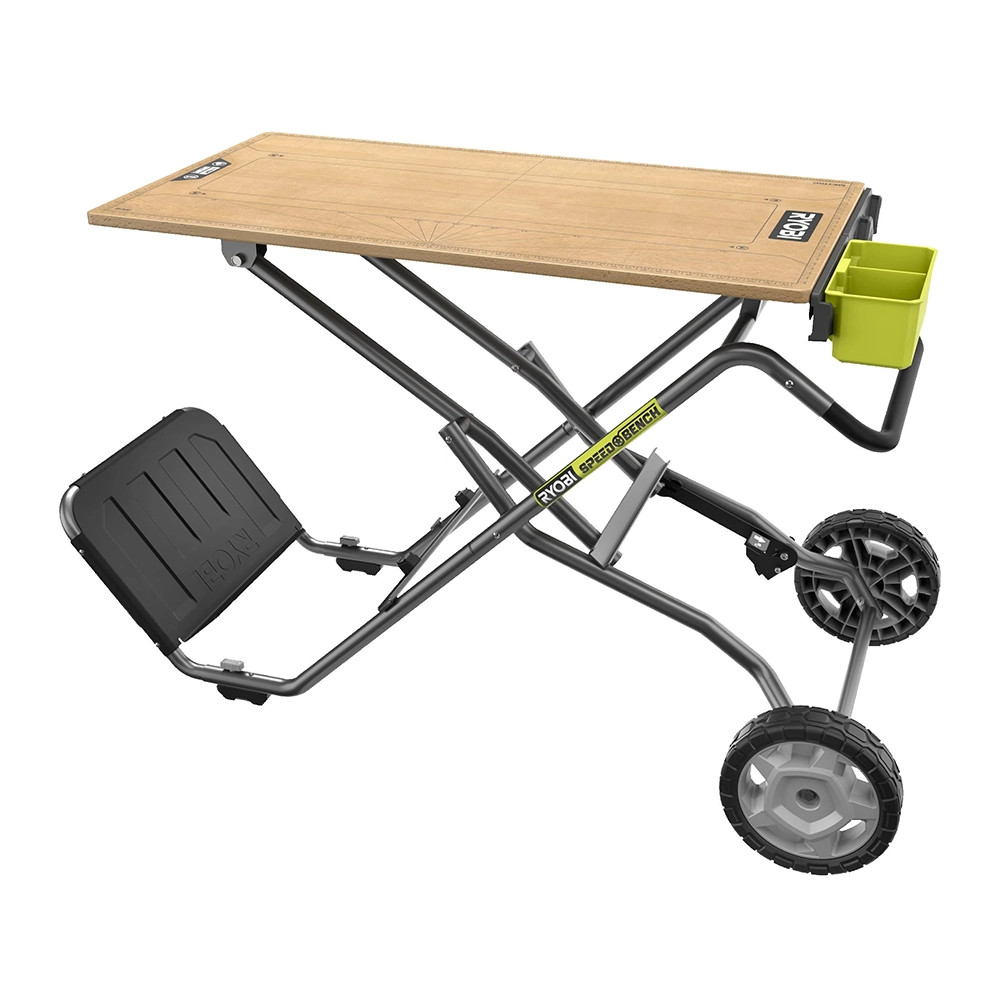
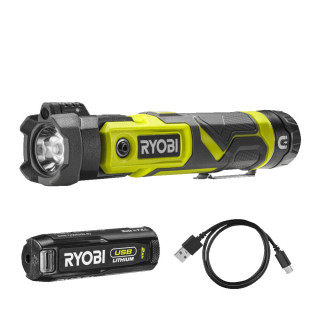
Ryobi
Ryobi Tools cover the jobs most lads tackle at home, in the workshop, and on light site work, with cordless kit that keeps costs down and jobs moving.
If you're sorting out a house refurb, building a shed, trimming back the garden, or just want Ryobi Power Tools that all run on the same battery system, this is the range to look at. Ryobi cordless tools are a solid shout for DIY tools, home improvement tools, and trade tools used for snagging, maintenance, and regular van jobs without buying into three different platforms. Start with the kit you will use every week, then build out with the right extras and batteries.
What Are Ryobi Tools Used For?
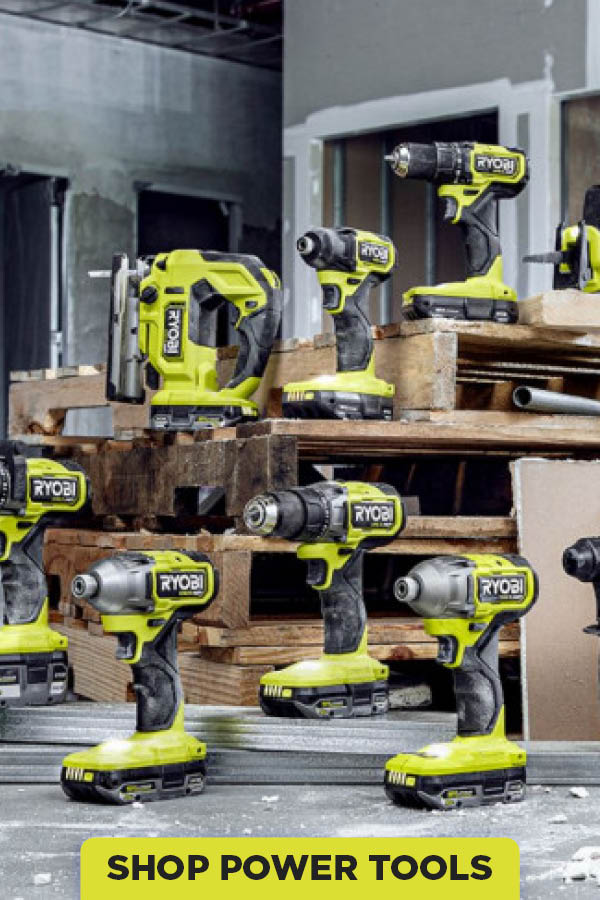
- Drilling fixing holes, driving screws, and assembling kitchens, stud walls, shelves, and flat pack on home improvement jobs where you want one battery system that covers the lot.
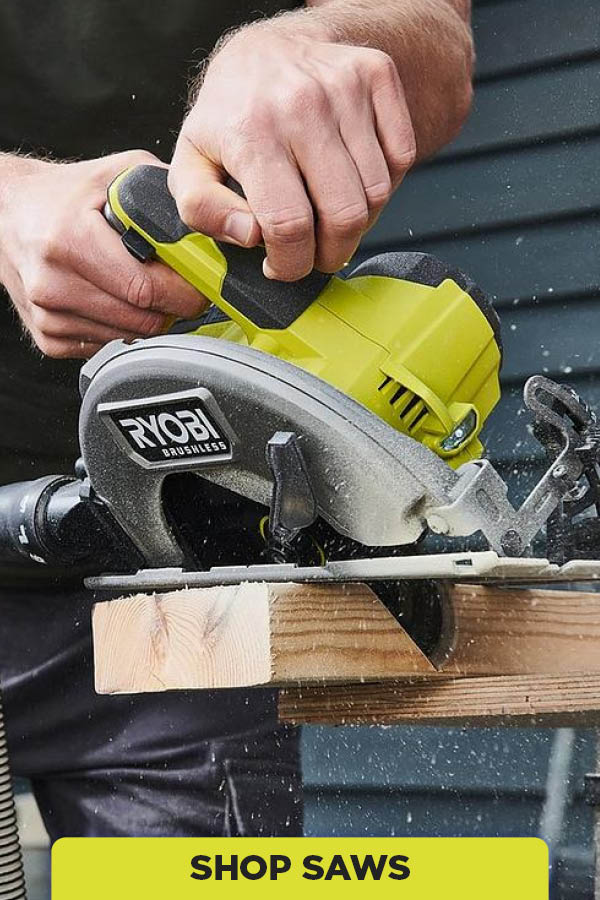
- Cutting timber, sheet material, and trim for repairs, flooring, decking, and workshop jobs where Ryobi cordless tools save dragging extension leads through the house.
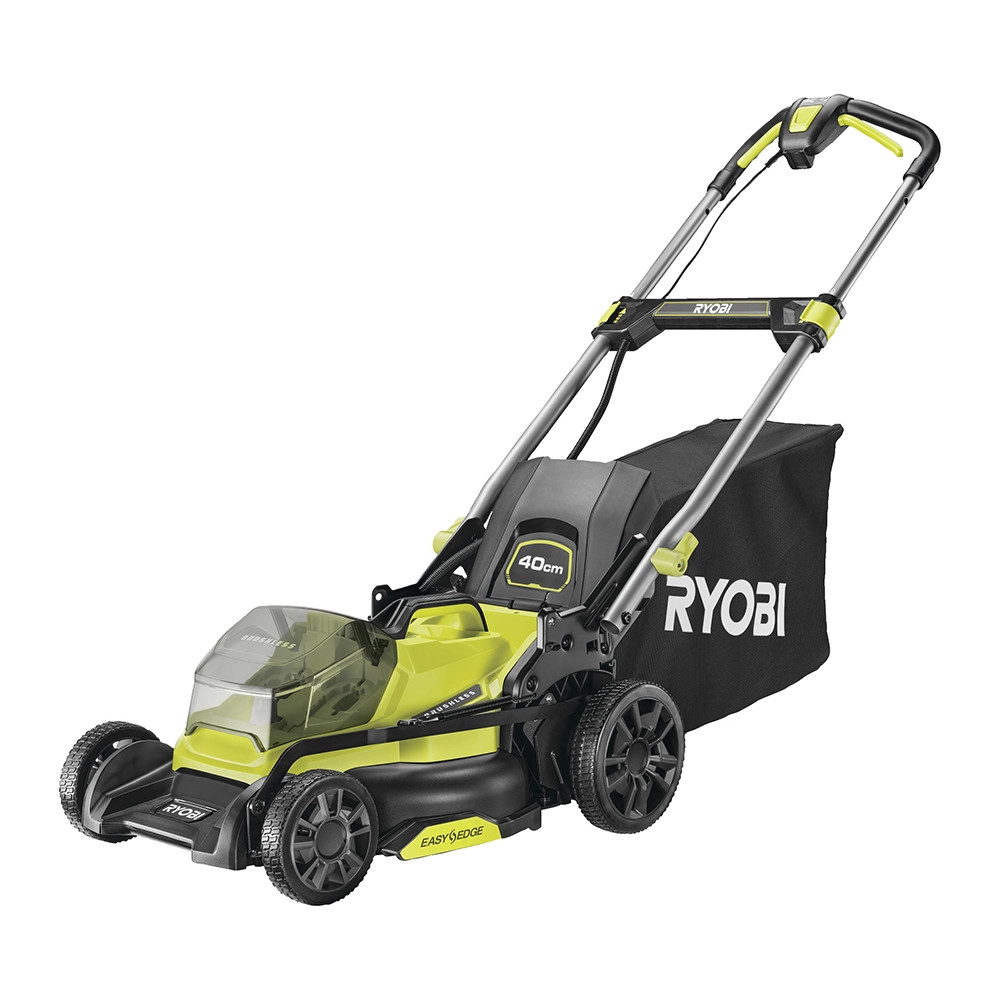
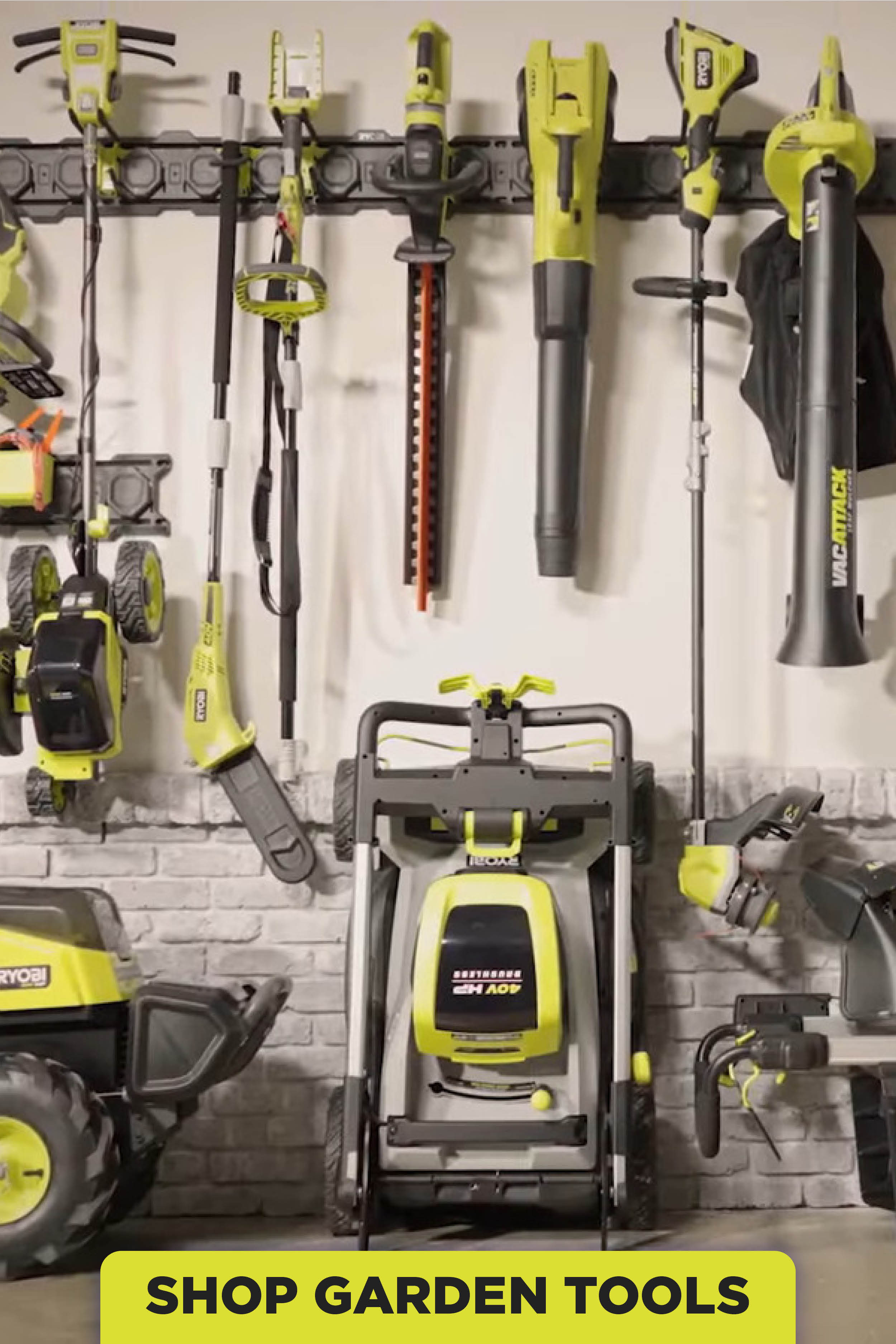
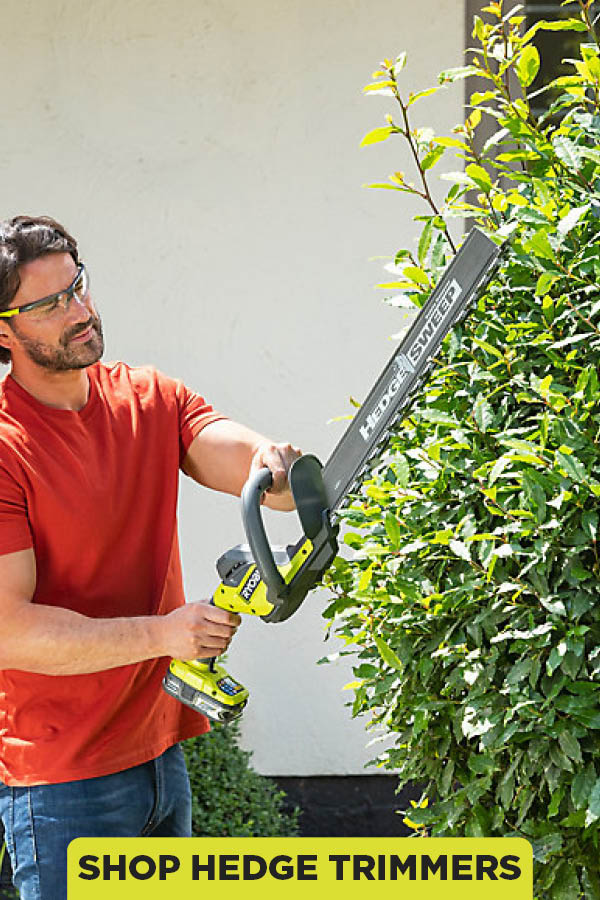
- Maintaining gardens, paths, hedges, and borders with cordless outdoor kit that suits regular domestic work and property upkeep without the mess of petrol.
- Handling snagging, maintenance, and punch-list jobs for landlords, caretakers, and light trade users who need dependable kit in the van for everyday fixes.
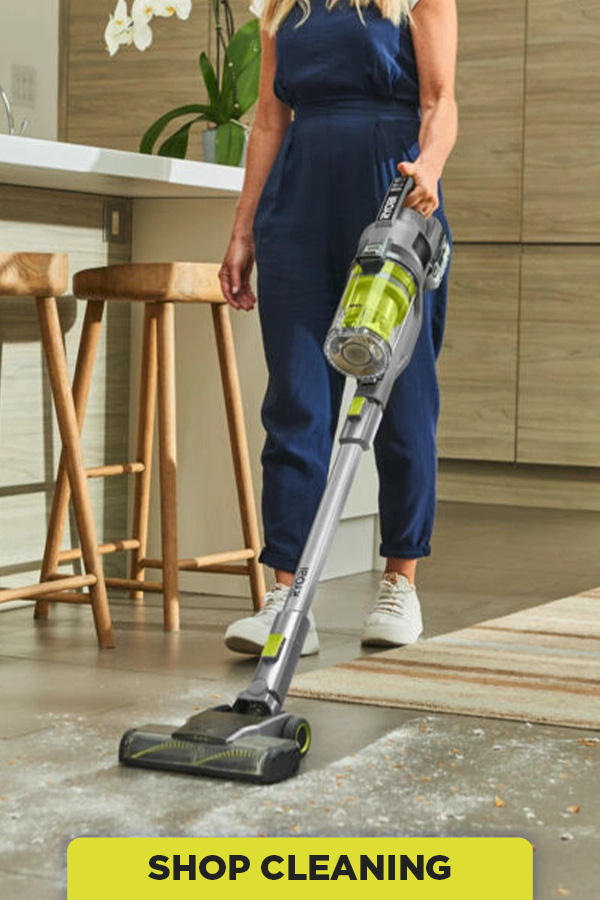
- Cleaning up after the job with vacs, blowers, and site-friendly extras that help keep garages, sheds, patios, and work areas usable between tasks.
Choosing the Right Ryobi Tools
Sorting the right one is simple: match the tool to the jobs you actually do every month, not the ones you might do once a year.
1. Start With Your Core Jobs
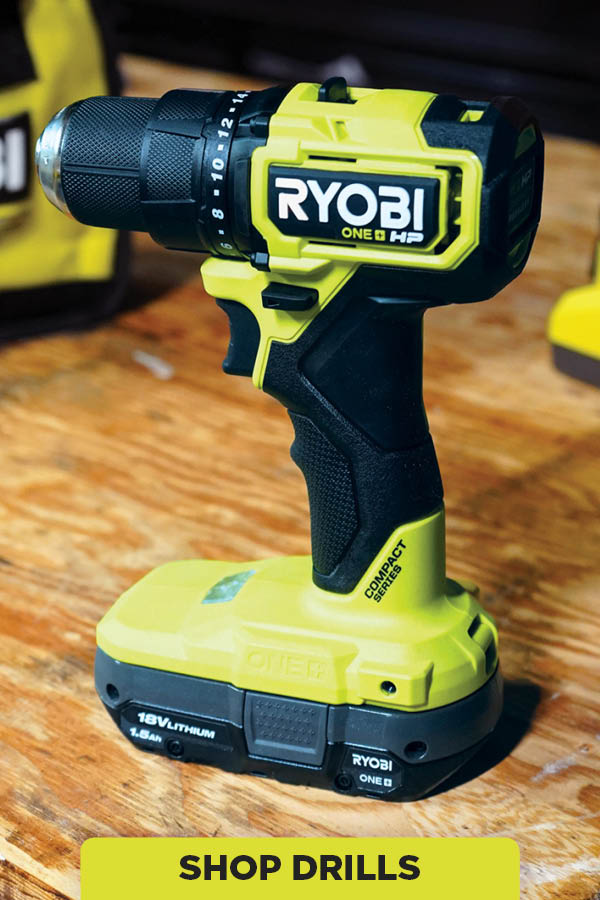
If most of your work is drilling, fixing, and basic timber cutting, start with Drills and Drivers and build from there. If you buy specialist kit first, it usually sits on the shelf while you still borrow the basics.
2. Pick the Battery Platform First
If you want one broad system for indoor jobs, repairs, and most home improvement work, go straight into Ryobi 18V ONE+. If your bigger jobs are outdoor clearing, mowing, and heavier garden maintenance, look closely at Ryobi 36V Max Power.
3. Do Not Skimp on Batteries
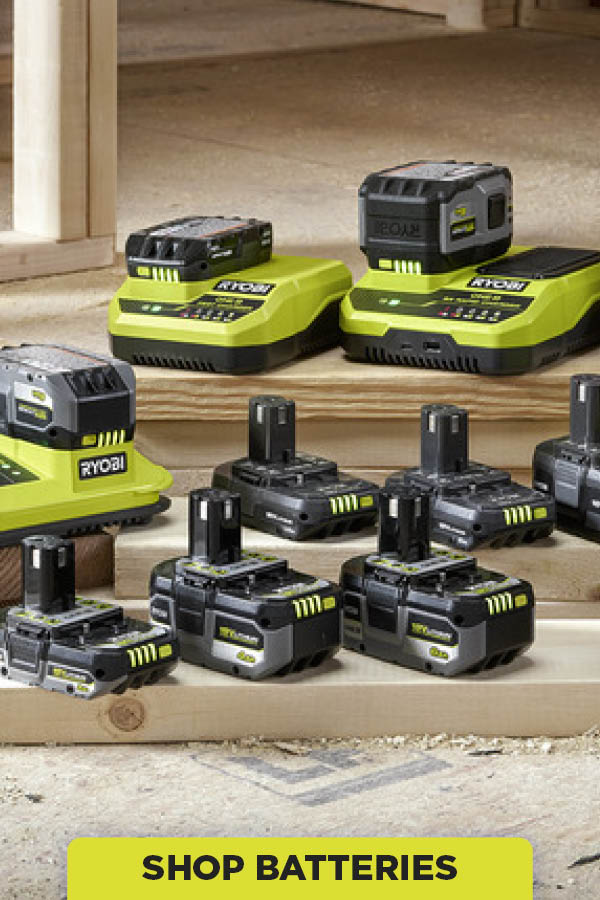
A bare tool is no bargain if you have to stop every half hour. For regular use, get proper backup from Batteries Chargers and Mounts so the job keeps moving and one flat pack does not kill your day.
4. Separate Indoor Kit From Outdoor Kit
If your list includes hedges, lawns, and clearing leaves, buy from the dedicated Garden Power Tools range rather than trying to make workshop tools cover outdoor jobs they were never meant for.
Who Uses These Ryobi Tools?
- DIYers and home improvers use Ryobi Tools for the steady run of drilling, fixing, cutting, sanding, and tidying jobs that come with keeping a house in shape.
- Maintenance teams, caretakers, and landlords swear by them for quick repairs, room turnarounds, and outdoor upkeep because one cordless platform covers a lot of ground without filling the store room.
- Kitchen fitters, joiners, and snagging crews often keep selected Ryobi Power Tools for lighter duties, second-fix bits, and van backup jobs where compact cordless kit makes more sense than hauling bigger gear in.
- Gardeners and property maintenance lads reach for the outdoor range when they need hedge trimming, blowing down, and grass cutting done without petrol faff on smaller plots.
The Basics: Understanding Ryobi Tools
With Ryobi Tools, the main thing to understand is the platform. Get that right and buying extra kit later is straightforward, cheaper, and far less frustrating.
1. One Battery System Covers More Jobs
A lot of Ryobi cordless tools are built around shared battery platforms, which means the same battery can move between drills, saws, lights, garden kit, and cleaning gear. That is what makes them so handy for mixed property work and home improvement.
2. 18V for General Jobs
For drilling, screwdriving, cutting, sanding, inflating, and plenty of everyday repair work, 18V is the practical all-rounder. It is the side of the range most buyers start with because it covers the jobs that come up week in, week out.
3. 36V for Bigger Outdoor Work
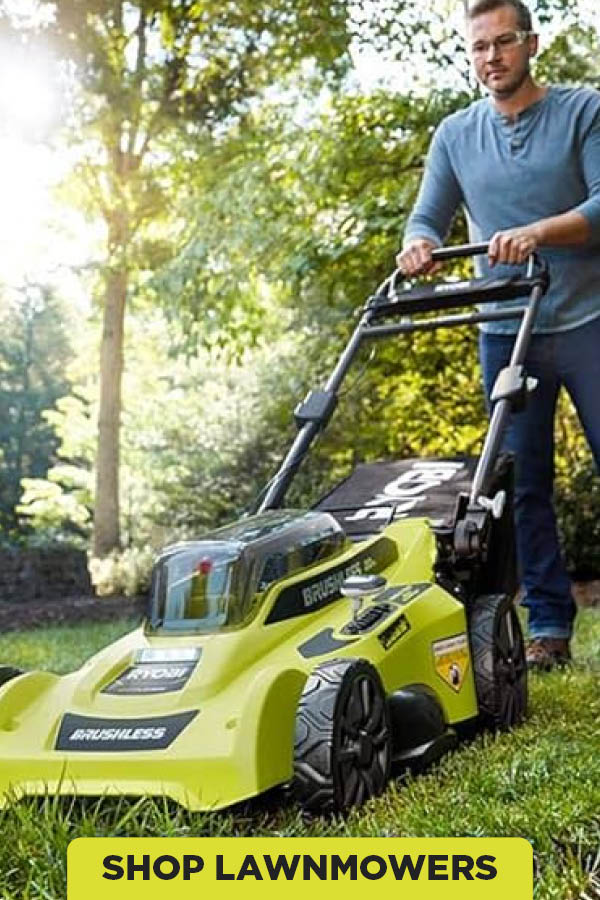
When the job is more about garden clearance and heavier outdoor maintenance, 36V steps in with the extra runtime and punch you need. It is the better fit when smaller cordless garden kit starts feeling underpowered.
Ryobi Accessories That Keep the Job Moving
A decent tool is only half the story. The right extras stop downtime, flat batteries, and half-finished jobs.
1. Spare Batteries
A spare battery saves you standing about waiting for charge time when you are halfway through hanging doors, building decking, or trimming a full run of hedges. If you use cordless kit properly, one battery is rarely enough.
2. Fast Chargers
A better charger keeps rotation going through longer jobs and stops the usual shuffle of charging one pack overnight and hoping for the best in the morning.
3. Blade and Bit Packs
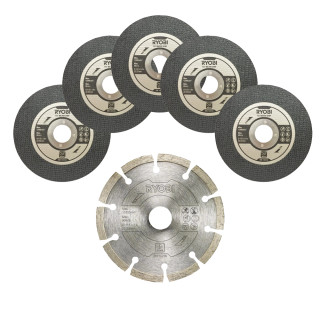
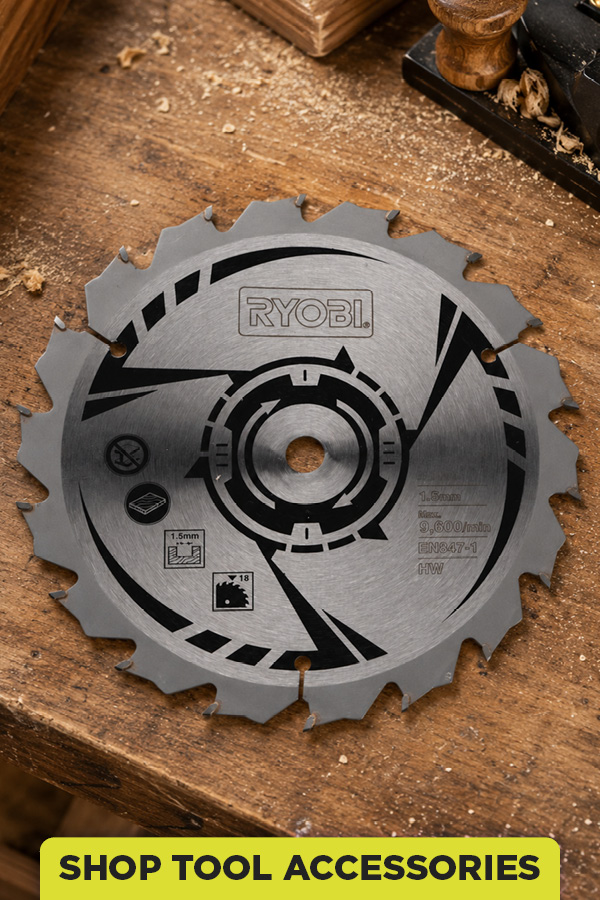
Fresh blades, sanding sheets, cutting discs, and driver bits make more difference than most people admit. Worn accessories slow the job, drain batteries faster, and make the tool feel worse than it is.
4. Storage and Wall Mounts
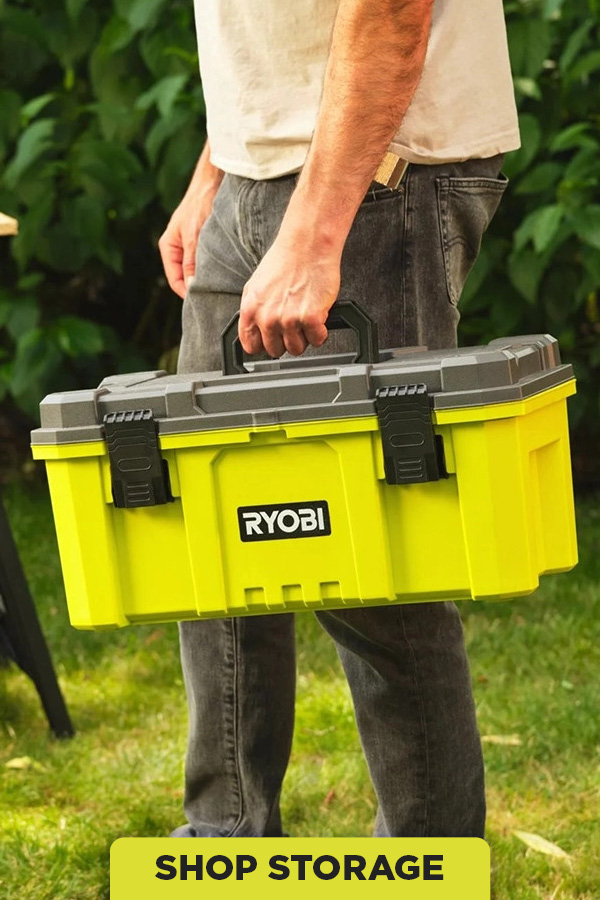
Proper storage keeps batteries, chargers, and bare tools together so you are not hunting through the van or garage for the one thing you need before you can start.
Choose the Right Ryobi Tools for the Job
Use this quick guide to sort the platform and tool type before you buy.
| Your Job | Ryobi Tool Type | Key Features |
|---|---|---|
| General drilling and fixing round the house | 18V combi drill or drill driver | Shared battery platform, compact size, enough power for regular masonry, timber, and fixings |
| Cutting timber, sheet, and trim for refurb jobs | 18V circular saw or jigsaw | Cordless use indoors, easy handling, good for boards, studwork, flooring, and trim cuts |
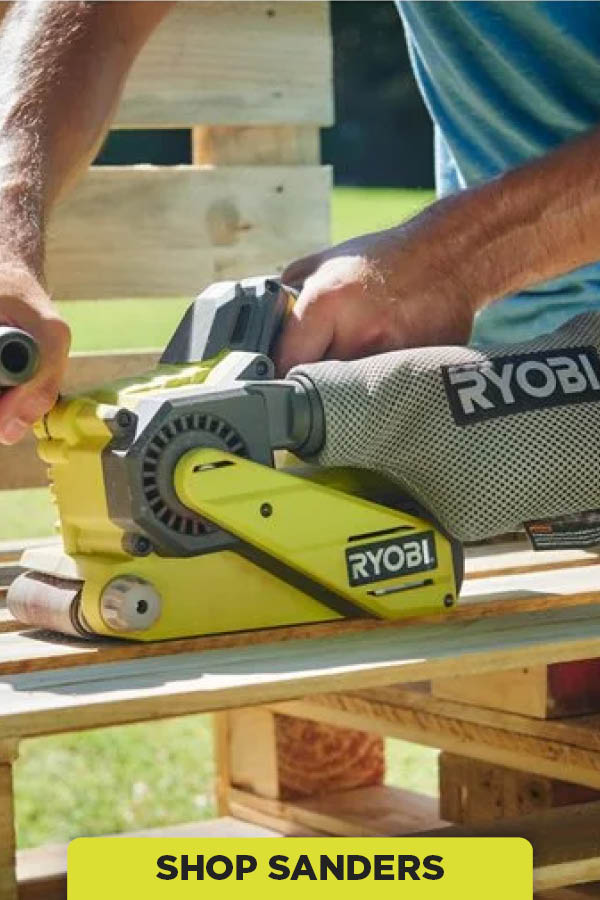
| Sanding, snagging, and finishing work | 18V sander or multi tool | Handy for detail work, patch repairs, corners, and tidy-up jobs after main install work |
| Hedge cutting, blowing down, and smaller lawn care | 18V garden tools | Less faff than petrol, lighter to handle, practical for regular domestic outdoor maintenance |
| Heavier mowing and bigger outdoor clearance | 36V outdoor kit | More runtime and stronger performance where standard cordless garden tools start to struggle |
Common Buying and Usage Mistakes
- Buying the cheapest starter kit without checking what batteries and charger are included often leaves you short on runtime, so check the pack contents before you assume you are ready to work.
- Using light DIY accessories on harder materials makes the tool look weak when the real issue is the blade, disc, or bit, so match the consumable to the job first.
- Choosing 18V for heavy outdoor clearance can leave you underpowered on bigger plots, so step up to the right outdoor platform if the garden work is more than just light maintenance.
- Running one battery across several tools sounds fine until you are halfway through the day, so keep at least one spare charged if you are doing back to back jobs.
- Leaving batteries in damp sheds or freezing vans shortens their life, so store them dry, charged, and out of extreme temperatures whenever you can.
18V Ryobi Tools vs 36V Outdoor Kit vs Corded Tools
18V Ryobi Tools
Best for everyday drilling, fixing, cutting, sanding, inflating, cleaning up, and lighter garden maintenance. This is the range most buyers should start with because it covers the broadest mix of home, workshop, and property jobs on one battery system.
36V Outdoor Kit
Better when the work leans heavily toward mowing, trimming, and larger garden clearance where extra runtime and stronger output matter. If your outdoor jobs are regular and demanding, this makes more sense than pushing lighter kit too hard.
Corded Tools
Still the right call for long, fixed-position jobs where constant power matters more than mobility. They suit bench work and heavy continuous use, but they are less convenient when you are moving room to room or working outside away from power.
Maintenance and Care
Clean Vents and Housings
Brush or blow dust out of vents and wipe the body down after messy jobs. Packed dust holds heat in and shortens the life of motors and electronics.
Look After the Batteries
Keep battery contacts clean and store packs somewhere dry and temperate. Leaving them flat for ages or baking in a van is a good way to ruin runtime.
Change Worn Accessories Early
Blunt blades, tired sanding pads, and rounded bits make tools work harder and cut worse. Swap them before they start damaging the job or the tool.
Store Tools Properly
Do not leave everything loose in the boot or shed if you can help it. Cases, shelves, or mounts stop knocks, keep parts together, and make it obvious what needs charging.
Repair or Replace Sensibly
If the tool body is sound but the accessory, battery, or charger is the problem, replace the smaller part first. If the motor is struggling, overheating, or losing power badly, it is usually time to move on.
Why Shop for Ryobi Tools at ITS?
Whether you need a first Ryobi drill, extra batteries, garden kit, or a bigger spread of Ryobi Power Tools for ongoing home and maintenance jobs, we stock a proper range in one place. It is all in our own warehouse, ready for next day delivery, so you can get the right kit sorted without waiting around.
Ryobi Tools FAQs
What are the best Ryobi tools to buy?
Start with the tools you will use constantly, not the clever one that comes out twice a year. For most buyers that means a drill driver or combi, an impact driver if you do plenty of fixings, then a saw or multi tool once the basics are covered. If you are buying into Ryobi Tools for property upkeep, a blower or vacuum also earns its keep quickly.
Are Ryobi tools good for DIY jobs?
Yes, that is where they make a lot of sense. Ryobi tools UK buyers usually want decent cordless kit for regular DIY, home improvement, workshop jobs, and maintenance without paying for a platform aimed at full-time heavy trade use. They are a good fit for steady real-world use as long as you buy the right tool and battery for the work.
Which Ryobi battery platform should I choose?
If your work is mostly drilling, fixing, cutting, sanding, and general household or workshop tasks, 18V is the obvious place to start. If your bigger jobs are outdoors and need more punch for mowing or heavier garden maintenance, 36V is the better choice. Pick the platform around the jobs you do most often, because that is what saves money long term.
Can Ryobi tools be used for garden work?
Yes, and that is one of the reasons many buyers stick with the range. You can cover hedge trimming, grass cutting, blowing down paths, and general garden tidy-ups with Ryobi cordless tools, then use the same wider platform for indoor jobs as well. Just be realistic about scale and choose the outdoor range to suit the size of the plot.
Are Ryobi Power Tools suitable for trade work?
For light trade, maintenance, snagging, and property work, yes. Plenty of fitters, caretakers, and landlords use them for jobs where portability and range matter more than maximum site abuse. If you are on hard commercial site work every day, you may want a platform aimed more squarely at full-time heavy trade demands.
Do I need spare batteries with Ryobi cordless tools?
Honestly, yes. One battery is fine for very light jobs, but once you are cutting, sanding, or running outdoor kit, a spare pack saves a lot of standing about. If you plan to use more than one tool in a session, buy the extra battery at the start and avoid the usual regret later.

Ryobi Power Tools, Accessories & More
Our Ryobi® Superstore is the #1 place to purchase and learn about Ryobi Tools. From tool guides and videos to unbeatable prices, all with next-day delivery!
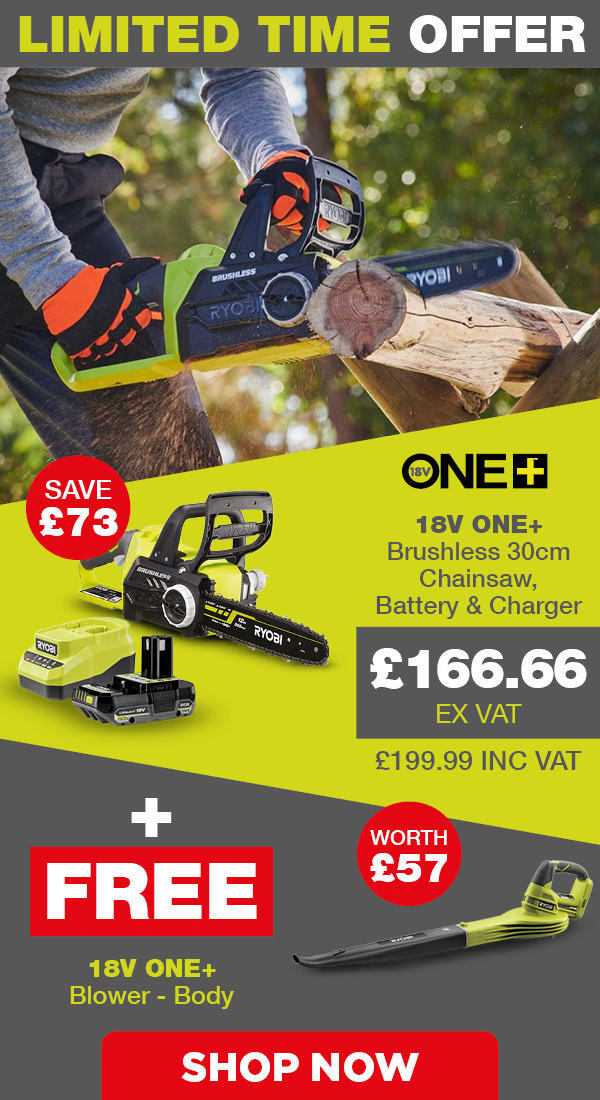
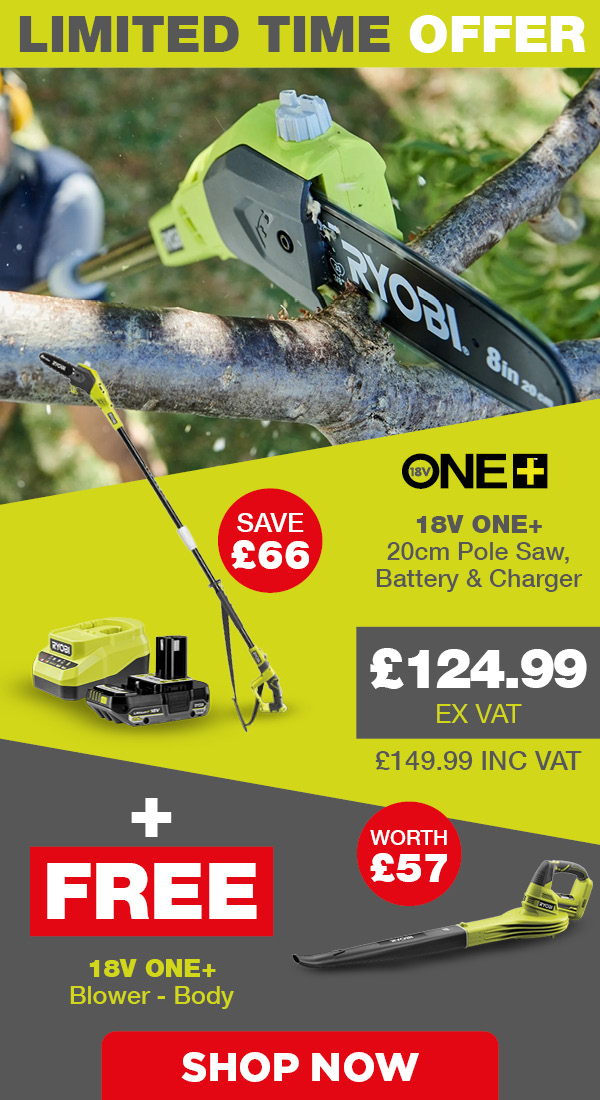
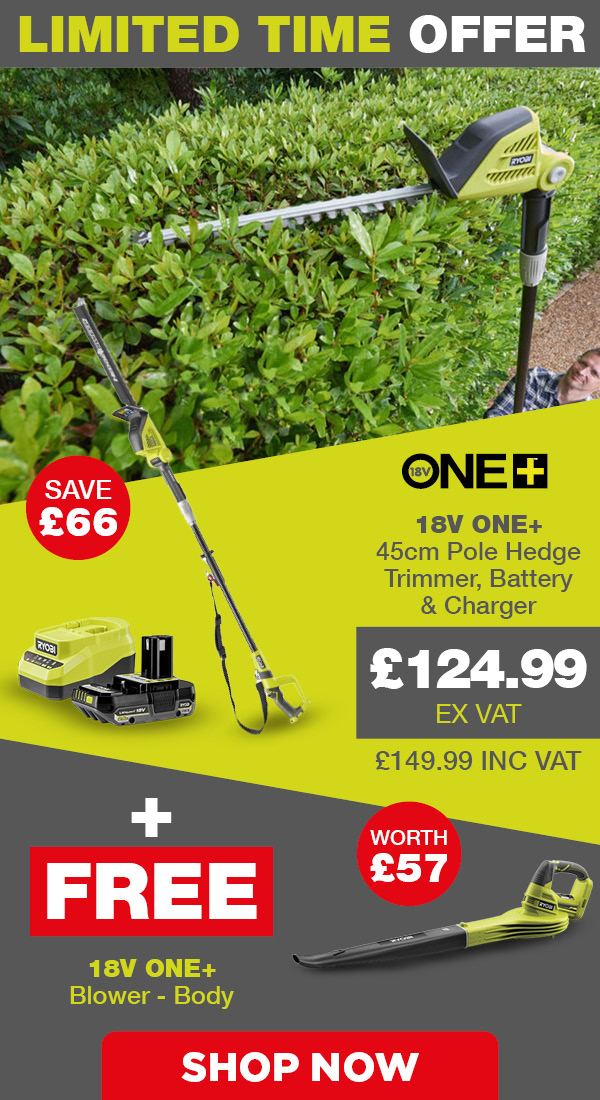
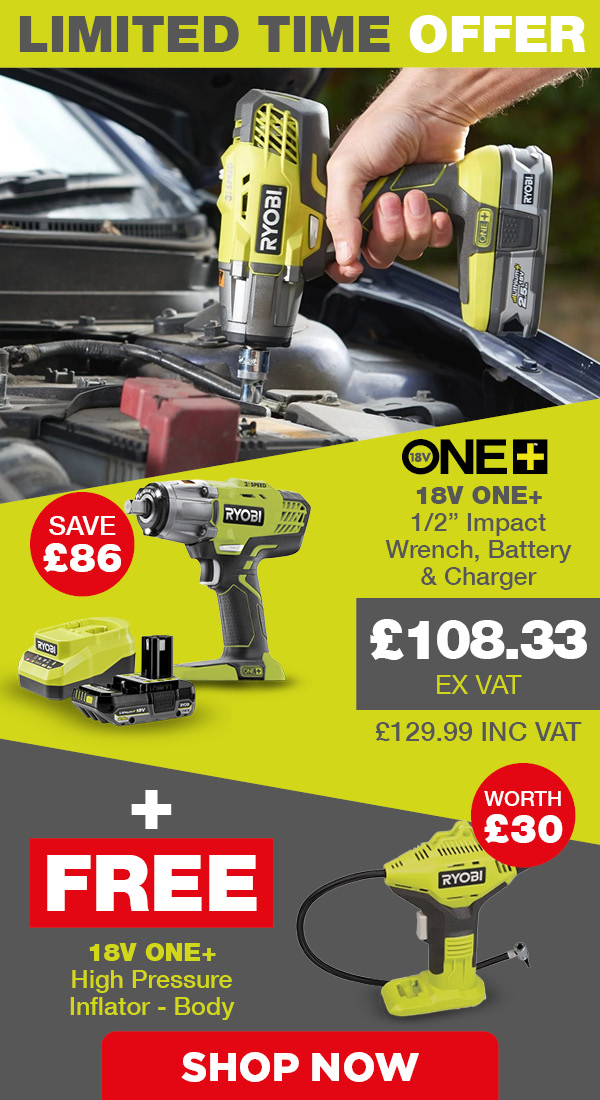
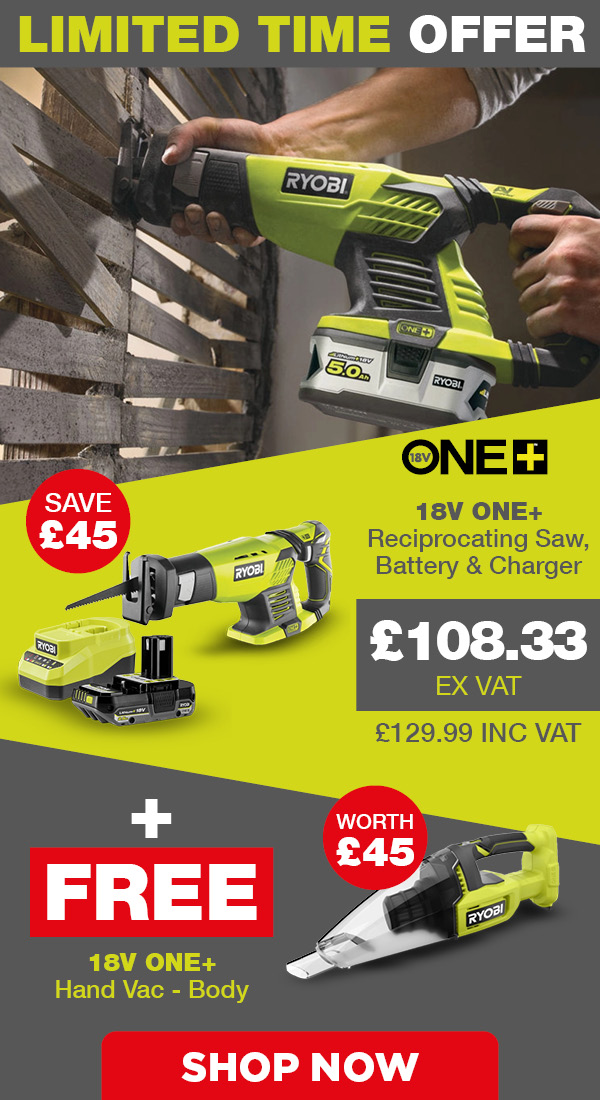
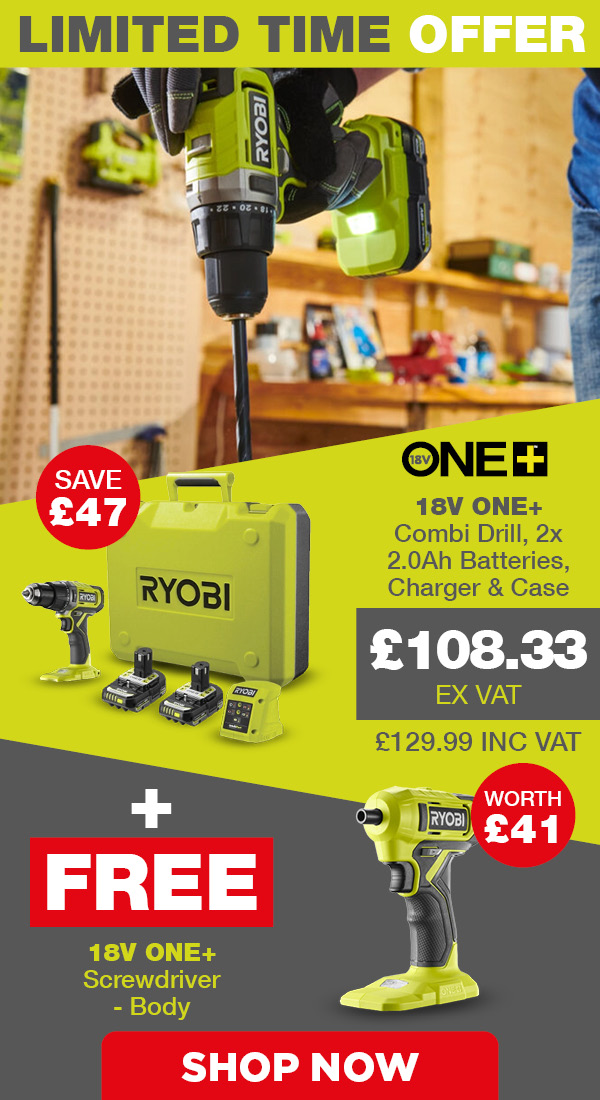
RYOBI TOP SIX DEALS
Popular Ryobi Ranges