Ryobi 4V USB
Ryobi 4V USB tools are made for quick fixes, snagging, tight spaces and van jobs where full-size kit is overkill but you still need cordless convenience.
When you're sorting hinges, flat-pack, access panels or little punch-list jobs, this is the kit that saves dragging out a bigger drill. The Ryobi 4V USB range covers compact screwdrivers, torches, inflators and vacs that charge easily, store neatly and earn their keep on everyday site, workshop and home jobs. If you want light, handy gear that gets used far more than you think, start here.
What Are Ryobi 4V USB Tools Used For?
- Tightening kitchen hinges, socket fronts, access covers and cabinet fittings is where Ryobi 4V USB tools make sense, because they are lighter in the hand and less clumsy than a full-size combi.
- Working in loft hatches, meter cupboards, under sinks and behind units is easier with compact Ryobi tools that fit where bigger cordless gear starts catching on pipework and carcasses.
- Inflating tyres, footballs, air beds and small site kit is a straightforward job for Ryobi 4V USB inflators, especially when you want something that lives in the van and charges by USB.
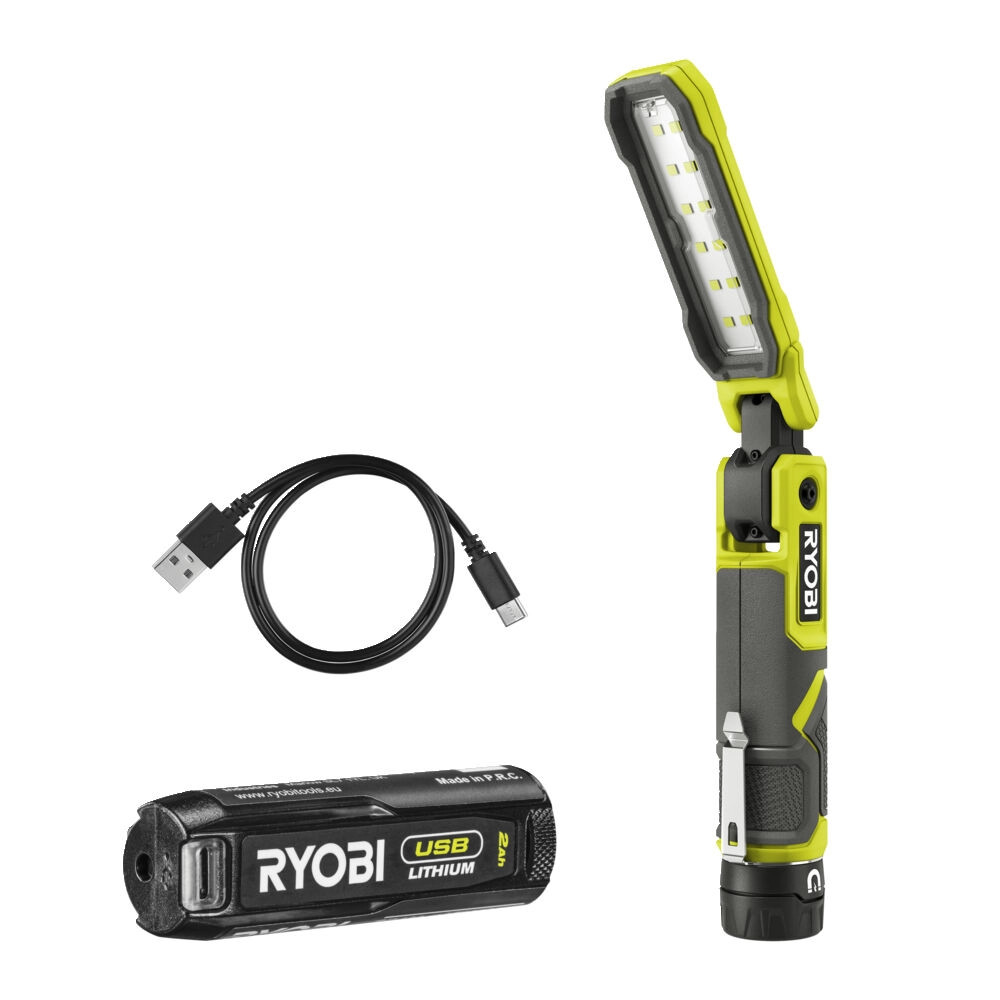
- Checking plant rooms, roof spaces, under stairs and late-finish jobs is exactly where Ryobi 4V torches and lighting help, giving you quick portable light without carrying a larger work lamp.
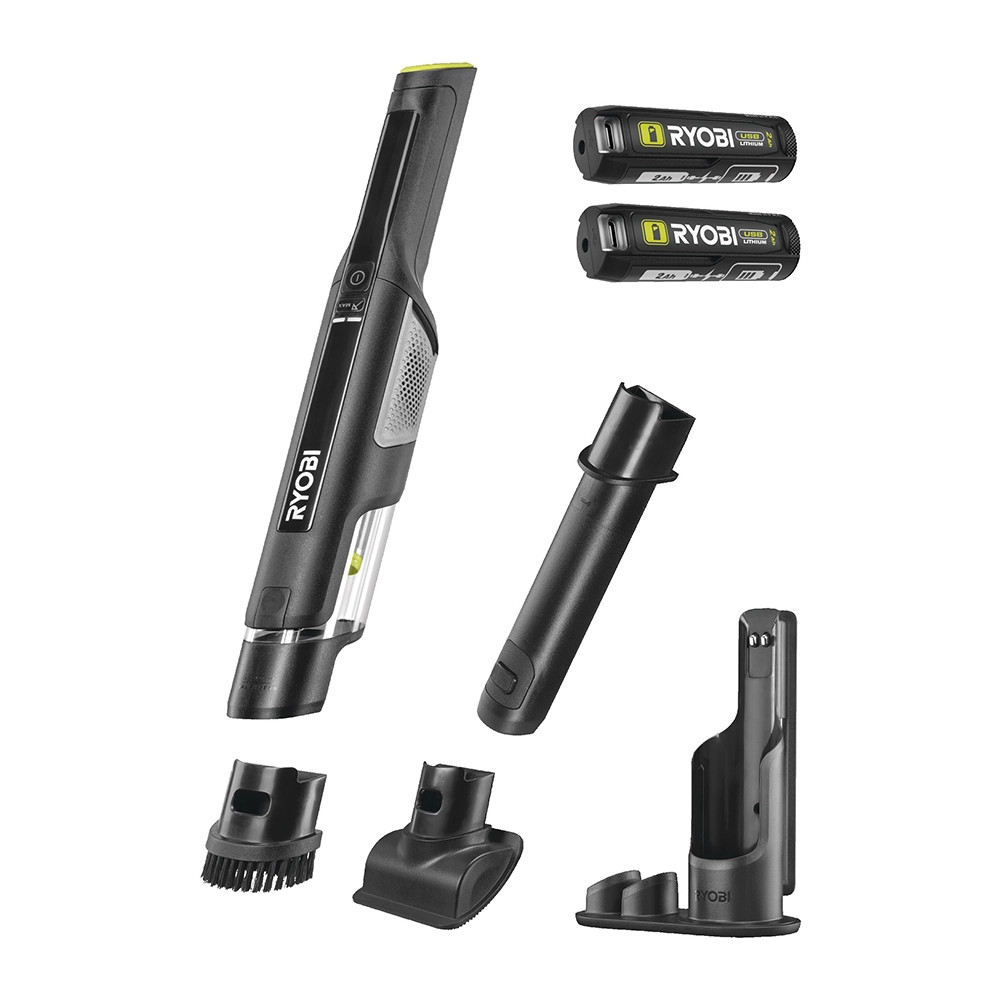
- Cleaning up crumbs, swarf, dust and light debris in vans, workshops and around finished installs suits Ryobi 4V vacuum tools, where a fast grab-and-go clean is all you need.
Choosing the Right Ryobi 4V USB Tools
Match the tool to the job you actually do most. These are for lighter, quicker jobs, not replacing your main drill kit.
1. Screwdriver First or Specialist Tool
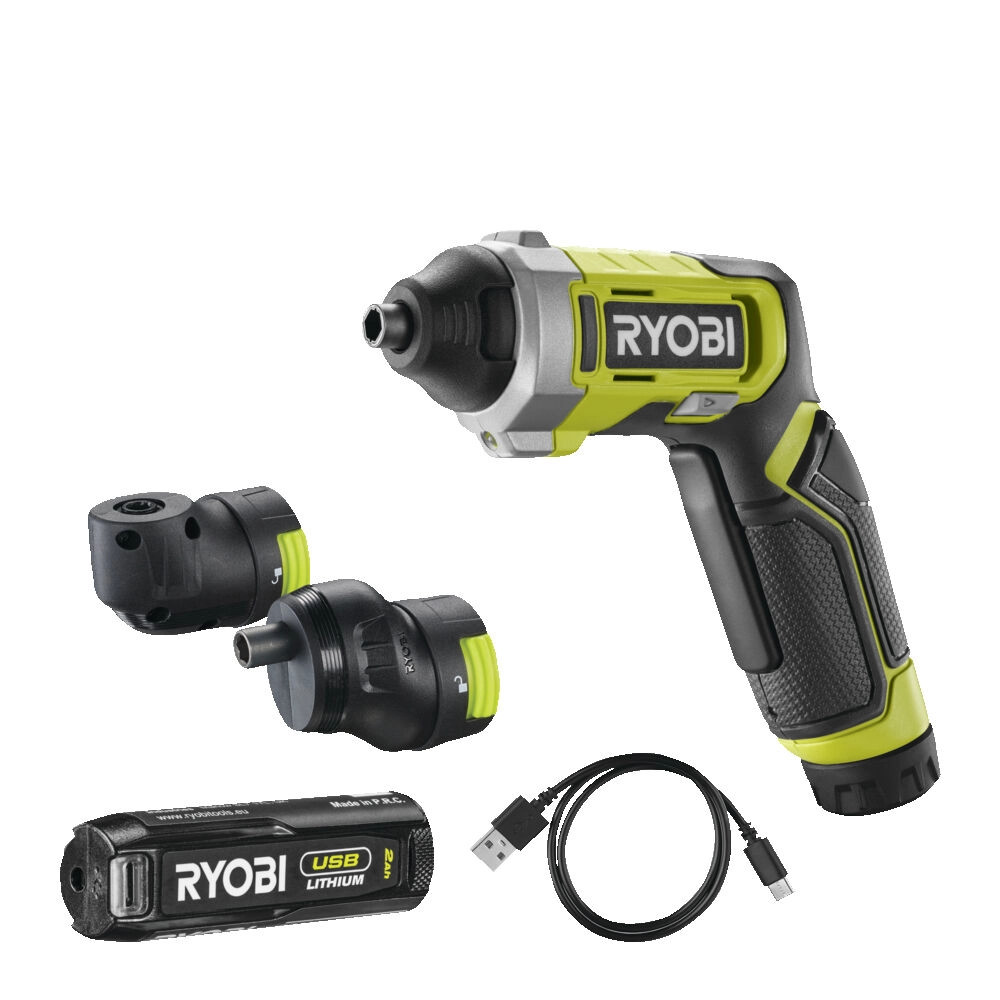
If your day is mostly fixings, flat-pack, hinges and cover plates, start with Ryobi 4V USB Drills and Drivers. If you already own bigger drilling kit, a 4V driver is the handy backup, not the only tool on the van.
2. Think About Where It Lives
If it is going in a kitchen drawer, glovebox or service bag, keep it compact and simple. For van use and call-outs, USB rechargeable tools make sense because topping up is easy without carrying another charger brick.
3. Pick by Task, Not Voltage
If you need light, air or a quick clean rather than driving screws, go straight to the specialist bits. The useful stuff is in Ryobi 4V USB More Power Tools, where the range covers the odd jobs that crop up every week.
4. Do Not Expect Combi Drill Power
If you are driving long screws into timber or drilling masonry, move up to a proper cordless platform. Ryobi 4V USB tools are best when low weight, access and convenience matter more than brute force.
Who Uses These on Site?
- Sparkies reach for Ryobi 4V USB screwdrivers for faceplates, consumer unit covers and quick second-fix work where speed matters more than outright torque.
- Kitchen fitters and chippies use these small cordless tools for hinges, handles, carcass adjustments and snagging, especially when working inside finished rooms where bulky kit is a pain.
- Maintenance teams keep Ryobi USB tools in the van for everyday call-outs, from tightening fixtures to quick clean-ups and basic inflation jobs.
- DIY users and landlords rate Ryobi 4V cordless tools for flat-pack, fixing loose fittings and general odd jobs, because they are easy to charge, easy to store and simple to grab when needed.
The Basics: Understanding Ryobi 4V USB Tools
The point of this range is simple. It gives you small cordless tools for quick, light jobs without the size and weight of your main site kit.
1. 4V Means Compact and Handy
This voltage is about portability, not heavy drilling. You get lighter tools that suit small screws, inspection work, inflation and quick clean-ups where access is tight and the job is short.
2. USB Charging Cuts the Faff
USB rechargeable tools are easy to top up in the van, workshop or at home. That makes them ideal for everyday carry jobs where you want the tool ready without managing a bigger battery system.
3. Best Used as Support Kit
Think of these as the tools that handle all the little jobs between the bigger ones. They save time on snagging, access work and quick fixes, while your 18V kit still covers the heavier graft.
Useful Extras for Ryobi 4V USB Tools
A couple of sensible add-ons make these compact tools far more useful day to day.
1. Screwdriver Bit Sets
A decent mixed bit set stops the usual nonsense of finding the driver but not the right bit. For snagging, furniture, electrical plates and appliance panels, it is the first thing to keep with a 4V screwdriver.
2. USB Charging Leads and Plugs
Lose the charging lead and the tool ends up sat dead in the van. Keeping a spare USB cable or plug adaptor in the cab or tool bag saves wasted trips and keeps your Ryobi USB tools actually usable.
3. Tyre and Inflation Adaptors
If you are buying an inflator, make sure you have the right adaptors for bike tyres, balls and small inflatables. It saves hunting round the van when a quick top-up should take two minutes.
Choose the Right Ryobi 4V USB for the Job
Use this quick guide to sort the right bit of compact kit.
| Your Job | Category or Type | Key Features |
|---|---|---|
| Flat-pack, hinges, faceplates and light fixings | 4V USB screwdriver | Compact body, easy bit changes, low weight, better control on small screws |
| Dark cupboards, lofts and under-unit work | 4V torch or light | Small size, quick access, easy charging, ideal for inspections and short jobs |
| Van tyres, bikes and small inflatables | 4V inflator | Portable design, simple top-ups, useful for glovebox or van storage |
| Dust, crumbs and light debris in vans or around finished work | 4V vacuum tool | Fast grab-and-go cleaning, compact storage, handy for small mess rather than full site clear-up |
| General odd jobs and service calls | Mixed 4V USB tools | USB charging, small footprint, ideal as backup kit for maintenance and DIY work |
Common Buying and Usage Mistakes
- Buying a 4V screwdriver expecting it to replace an 18V drill is the big one. It is built for lighter fixings and tighter spaces, so keep your bigger kit for drilling and long screws.
- Ignoring charging habits catches people out. These tools are handy because they are USB rechargeable, but only if you keep them topped up and do not leave the cable behind.
- Choosing by size alone can backfire. The smallest tool is not always the best if you actually need lighting, inflation or vacuuming rather than screwdriving.
- Using the wrong bits or accessories leads to chewed screws and wasted time. Match decent bits and adaptors to the job so the tool works properly.
- Expecting vacuum models to handle full site rubble is a mistake. They are for light debris, vans and quick tidy-ups, not replacing a proper dust extractor.
4V USB Screwdrivers vs 4V Torches vs 4V Vacuums
4V USB Screwdrivers
Best for repetitive small fixings, furniture assembly, covers and hinges. They save your wrist and speed up snagging, but they are not the choice for drilling or heavier timber fixings.
4V Torches and Lighting
Best when visibility is the issue rather than power. If you are inspecting cupboards, lofts, meter boxes or dark corners, a compact light gets used more often than you think and is easier to carry than a full site lamp.
4V Vacuums
Best for quick tidy-ups in vans, workshops and around finished installs. They are handy for light debris and crumbs, but if you are cutting plasterboard or chasing walls, you need a proper extractor instead.
4V Inflators
Best for tyres, inflatables and quick pressure top-ups. They earn their keep in the van or garage, but they are a specialist tool, so buy one because you will use it regularly, not just once a year.
Maintenance and Care
Keep Charging Ports Clean
Dust in the USB port is an easy way to end up with charging problems. Give it a quick check and keep the tool in a pouch or case if it lives in the van.
Wipe Down After Use
Light tools still pick up grime, plaster dust and swarf. A quick wipe keeps switches, vents and moving parts working properly and stops muck getting pushed into storage bags.
Store Them Charged
These are the sort of tools you grab for sudden jobs, so putting them away flat is asking for trouble. Top them up after use so they are ready when a quick fix lands.
Check Bits, Nozzles and Attachments
Worn screwdriver bits slip and chew heads, and damaged inflator or vacuum attachments make the tool feel worse than it is. Replace the small consumables before blaming the tool.
Replace When the Job Has Outgrown It
If you are regularly pushing a 4V tool beyond light-duty work, wear will show up faster. At that point the fix is not forcing it harder, it is moving up to the right cordless platform.
Why Shop for Ryobi 4V USB at ITS?
Whether you need a compact screwdriver, handy inflator, site torch or small vacuum, we stock the full Ryobi 4V USB range in one place. That includes Ryobi 4V USB Torches & Lighting and Ryobi 4V USB Vacuums & Dust Extractors, all held in our own warehouse and ready for next day delivery.
Ryobi 4V USB FAQs
What are Ryobi 4V USB tools used for?
They are used for light, everyday jobs where a full-size cordless tool is more hassle than help. Think flat-pack, hinges, faceplates, access panels, tyre top-ups, quick inspections and small clean-ups in the van or workshop.
What are the best Ryobi 4V USB tools?
That depends on what you actually do. For most people, the best starting point is a 4V screwdriver because it gets used constantly. If your needs are more van-based or domestic, torches, inflators and compact vacuums are often the ones that earn their keep fastest.
How do I choose the right Ryobi 4V USB tools?
Pick by task, not by trying to build a full cordless system out of 4V kit. If you mainly drive small screws, buy a driver. If you need quick visibility, inflation or spot cleaning, go for the specialist tool that solves that exact problem.
Are Ryobi 4V USB tools worth it for DIY and trade jobs?
Yes, if you buy them for the right jobs. They are well worth having for DIY, maintenance, snagging and service work because they are small, quick to charge and easy to keep close by. They are not meant to replace your heavier site tools.
Can Ryobi 4V USB tools handle proper site use?
Yes, for light-duty site tasks and day-to-day fixes. They are ideal for second fix, access work and quick van jobs, but if you are drilling masonry, driving big fixings or doing all-day heavy use, step up to a larger platform.
How long do Ryobi USB rechargeable tools take to charge?
Charge times vary by tool, but the main advantage is convenience rather than raw speed. You can top them up from a USB source in the van, at the bench or at home, which makes them easy to keep ready for short-notice jobs.