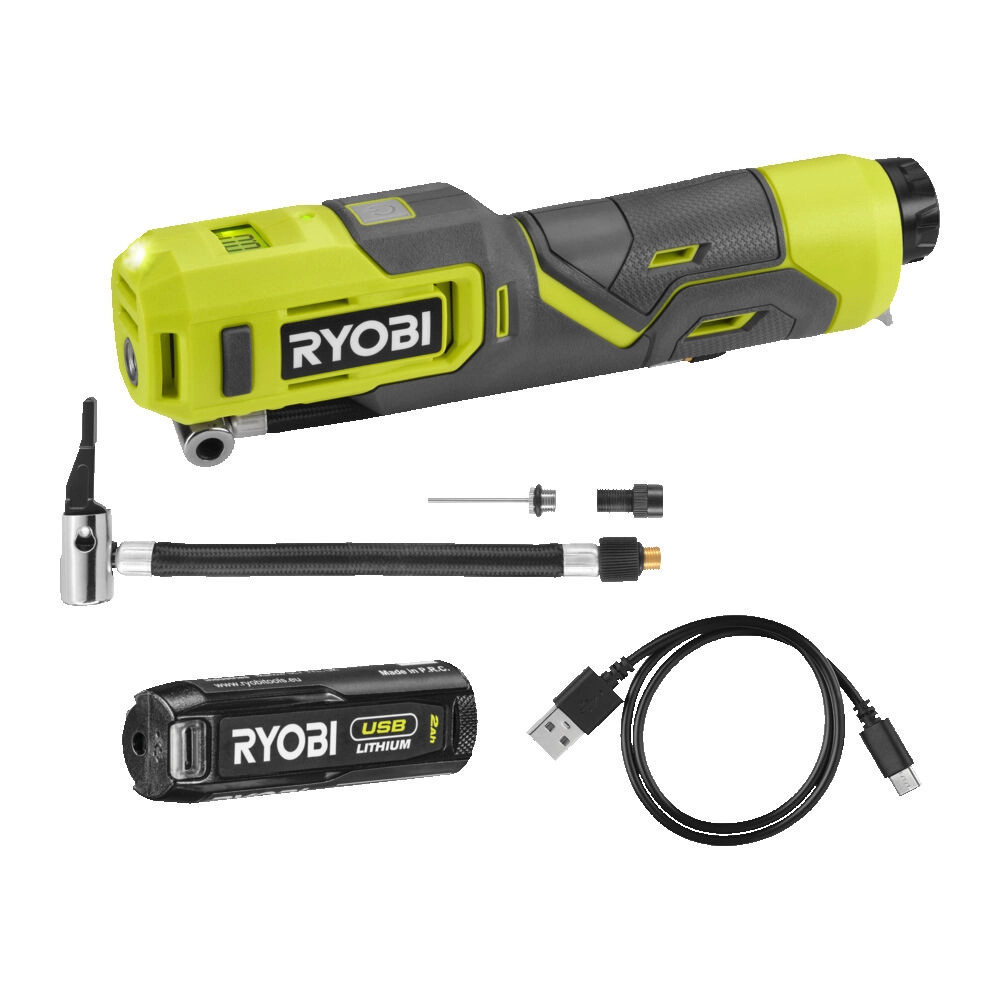
Ryobi 4V USB More Power Tools
Ryobi 4V USB More Power Tools cover the quick jobs full-size kit is overkill for, from inflating tyres to sorting fixings, clean-ups and dark corners fast.
When you're doing snagging, van checks, flat-pack fitting or quick maintenance jobs, this is the sort of kit that saves dragging out the big gear. Ryobi 4V USB Tools are compact, easy to keep charged, and handy for the fiddly jobs that still need doing properly. If you already know the Ryobi 4V USB range, these are the bits that earn their place in the van, kitchen drawer, or site bag. Have a look through the range and pick the small cordless tools that actually suit the work you do.
What Are Ryobi 4V USB More Power Tools Used For?
- Inflating car tyres, bike tyres, balls and small inflatables is where compact Ryobi USB tools make the most sense, especially when you want something quicker and tidier than hauling a full compressor out the van.
- Driving cabinet screws, electrical faceplate fixings and flat-pack hardware is easier with small cordless tools that fit awkward corners and stop you over-tightening delicate fittings.
- Cleaning out vans, worktops, drawer units and small workshop areas suits Ryobi 4V vacuums because they are light enough for quick grab-and-go clean-ups between jobs.
- Lighting up meter cupboards, loft corners, under-sink pipework and dark plant rooms is exactly the kind of work Ryobi 4V torches are built for when a phone light just is not up to it.
- Handling DIY power tools jobs, snagging and service work makes sense with Ryobi 4V Cordless Tools because they cover the small repetitive tasks that waste time if you keep reaching for heavier kit.
Choosing the Right Ryobi 4V USB More Power Tools
Sort the tool by the actual nuisance job you keep running into, not by buying the biggest thing in the range.
1. Inflating, Driving, Cleaning or Lighting
If the job is tyres, air beds or footballs, go straight to Ryobi 4V USB Inflators & Pumps. If you are mainly fitting brackets, hinges or sockets, look at a screwdriver or compact driver instead. For crumbs, dust and van mess, a small vacuum makes more sense than pretending one tool does everything.
2. Go Compact If Access Is the Problem
If you are working inside cabinets, under sinks, behind toilets or in service cupboards, small cordless tools are the right call. Do not buy full-size kit for jobs where the real battle is getting the tool into position.
3. Match Runtime Expectations to the Job
These Ryobi USB Tools are ideal for quick tasks and repeat snagging, not long heavy-load sessions. If you are on and off the tool all day doing lighter work, they are spot on. If you need constant drilling or heavy fastening, step up to a larger platform.
4. Buy Into the Jobs You Actually Do Most
If most of your work is screws and fixings, start with Ryobi 4V USB Drills and Drivers. If you spend more time cleaning up after installs and service calls, look at Ryobi 4V USB Vacuums & Dust Extractors. It is better to own the right specialist bit of kit than one tool that is only half-right for every job.
Who Uses These Ryobi 4V USB Tools?
- Sparkies use them for quick faceplate swaps, trunking fixings and working in cupboards where a full-size driver is just bulk you do not need.
- Kitchen fitters and chippies keep compact power tools handy for hinges, handles, flat-pack units and the last bits of snagging where control matters more than raw torque.
- Maintenance teams swear by Ryobi 4V USB More Power Tools for odd jobs across one shift, from inflating trolley wheels to vacuuming out control boxes and lighting up service voids.
- Drivers, mobile fitters and van-based trades reach for them because USB rechargeable tools are easy to top up in the vehicle and ready for small jobs without digging out bigger cases.
- DIY users also get plenty from them for home fixes and weekend jobs, especially if they want proper Ryobi Power Tools for shelves, bikes, car kit and general tidy-up work.
The Basics: Understanding Ryobi 4V USB More Power Tools
The main thing to understand with this range is that it is built for convenience, access and quick turnaround, not replacing your main site tools. Here is the simple version.
1. 4V USB Power Means Fast, Simple Charging
These USB rechargeable tools are easy to top up between jobs, in the van or at home. That makes them ideal for smaller tasks where you want the tool ready without managing a full battery charging routine.
2. Compact Size Is the Real Advantage
Ryobi 4V Cordless Tools are made for jobs where access is tight or the task is short. You get less bulk, easier control and less wrist strain on fiddly jobs like panel screws, trim fixings and quick clean-ups.
3. They Fill the Gap Between Hand Tools and Full-Size Power Tools
This range sits between doing it by hand and getting the big kit out. For trades and DIY users alike, that means faster little jobs, less setup, and fewer excuses for leaving the annoying bits till later.
Useful Extras for Ryobi 4V USB More Power Tools
A couple of simple add-ons make these compact tools far more useful on day-to-day jobs.
1. USB Charging Leads and Plugs
Lose the charging lead and the tool ends up sat dead in a drawer when you need it. Keep a spare in the van or workshop so your USB rechargeable tools are always ready for quick jobs.
2. Driver Bit Sets
A compact screwdriver is only useful if you have the right bits to hand. A decent mixed bit set saves the usual back-and-forth to the toolbox when you are swapping between pozi, Phillips, Torx and hex fixings.
3. Inflation Adaptors
If you are using Ryobi 4V inflators, the right adaptors stop the usual messing about with sports gear, bike valves and small inflatables. Worth having if the tool is going to live in the car or van.
Choose the Right Ryobi 4V USB More Power Tools for the Job
Use this quick guide to sort the right tool for the sort of jobs you actually do.
| Your Job | Category or Type | Key Features |
|---|---|---|
| Inflating tyres and small equipment | 4V inflator or pump | Compact body, quick setup, easy van or car storage, suited to top-up jobs |
| Fitting hinges, brackets and flat-pack fixings | 4V screwdriver or compact driver | Lightweight handling, better control on small screws, easier access in tight spaces |
| Clearing crumbs, dust and light site mess | 4V vacuum | Fast grab-and-go cleaning, small storage footprint, handy for vans and bench areas |
| Working in cupboards, lofts and service voids | 4V torch or inspection light | Portable light, easy one-hand use, better visibility than a phone torch |
| Odd jobs, snagging and home maintenance | General Ryobi USB tools | USB charging, compact size, low faff setup, ideal for repeat short-duration tasks |
Common Buying and Usage Mistakes
- Buying a 4V tool to replace your main drill or driver is the usual mistake. These are for lighter, quicker jobs, so use them where compact size and convenience matter most.
- Picking an inflator without thinking about what you actually inflate wastes money. Check whether your regular jobs are car tyres, bike tyres or sports kit, then make sure the tool and adaptors suit that work.
- Ignoring charging habits catches people out. USB tools are easy to top up, but only if you keep the cable where the tool lives instead of losing it in the van.
- Using the wrong bit or accessory on compact drivers chews heads and slows the job down. Match the bit properly and let the tool do smaller fixings it is actually built for.
- Expecting a compact vacuum to replace a full extractor leads to disappointment. These are best for light debris, vehicle interiors and tidy-up work, not heavy continuous site extraction.
4V Screwdrivers vs 4V Inflators vs 4V Vacuums
4V Screwdrivers
Best for repeated small fixing jobs like hinges, socket plates, brackets and flat-pack assembly. They are about control and access, not driving big structural screws all day.
4V Inflators
Best for quick tyre top-ups, bikes and inflatables where speed and portability matter more than workshop-level air volume. Ideal for vans, cars and home use.
4V Vacuums
Best for crumbs, dust and light debris in vehicles, cupboards and worktops. Handy for quick clean-downs, but not the right tool for heavy rubble or continuous extractor duty.
Which One Should You Buy First
If you do lots of fixings, start with a screwdriver. If you are always checking tyres or inflatables, go inflator. If your jobs end with a small mess in a van, kitchen or cupboard, the vacuum will get used most.
Maintenance and Care
Keep Charging Points Clean
Dust in the charging port is an easy way to end up with a tool that looks charged but is not. Give ports and leads a quick check before plugging in.
Wipe Down After Van or Site Use
These compact tools spend a lot of time loose in bags, drawers and vans. Wipe off dust, grit and moisture after use so buttons, vents and moving parts do not get clogged up.
Store with the Right Accessories
Keep bits, nozzles and adaptors with the tool, not scattered through the van. That is half the battle with small cordless tools and stops them becoming useless when you need them quickly.
Do Not Leave Them Flat for Weeks
If the tool lives in the glovebox or site bag, top it up now and then. Leaving any cordless kit flat for long periods is asking for poor performance when the job finally turns up.
Replace Worn Bits and Attachments Early
A worn bit or cracked nozzle makes a decent tool feel poor. If the accessory is tired, replace that first before assuming the tool is the problem.
Why Shop for Ryobi 4V USB More Power Tools at ITS?
Whether you are after compact screwdrivers, inflators, vacuums, torches or other More Power Tools, we stock the full Ryobi 4V USB More Power Tools range in one place. That means the right Ryobi 4V USB Tools for quick fixes, maintenance jobs and everyday carry, all in our own warehouse and ready for next day delivery.
Ryobi 4V USB More Power Tools FAQs
What are Ryobi 4V USB more power tools used for?
They are used for the smaller jobs that still need doing properly, like inflating tyres, driving light fixings, vacuuming out vans and cupboards, and lighting up tight work areas. They are ideal when full-size kit is overkill and you want something compact, quick to charge and easy to keep close by.
What are the best Ryobi 4V USB more power tools?
The best one is the one that fixes the job you keep running into. Inflators are the obvious pick for vehicle and bike use, screwdrivers earn their keep on fittings and flat-pack work, and compact vacuums are brilliant for vans, drawers and quick tidy-ups. Buy for your regular nuisance job and you will actually use it.
How do I choose the right Ryobi 4V USB more power tools?
Start with the task, not the spec sheet. If you need access and control for light fixings, go screwdriver. If you need quick air on the go, go inflator. If your jobs usually end with a small mess, go vacuum. The main thing is being honest that this range is for fast, lighter work rather than replacing your main cordless tools.
Are Ryobi 4V USB more power tools worth it for DIY and trade jobs?
Yes, if you use them for what they are built for. They are very handy for DIY, maintenance, snagging and van-based work because they save time and take up hardly any room. For heavy drilling, long fastening runs or demanding site work, you would still want a larger platform.
Are Ryobi 4V USB tools powerful enough for proper work?
For smaller tasks, yes. They handle light fixings, quick inflating, spot cleaning and inspection work well. They are not pretending to be full-fat trade combi drills or site extractors, so if you buy them for short, practical jobs, they make good sense.
Can I keep these in the van and charge them easily?
Yes, that is one of the main advantages. The USB charging setup makes them easy to top up between calls or overnight, and their compact size means they are easy to stash in a glovebox, organiser or tool bag without wasting space.