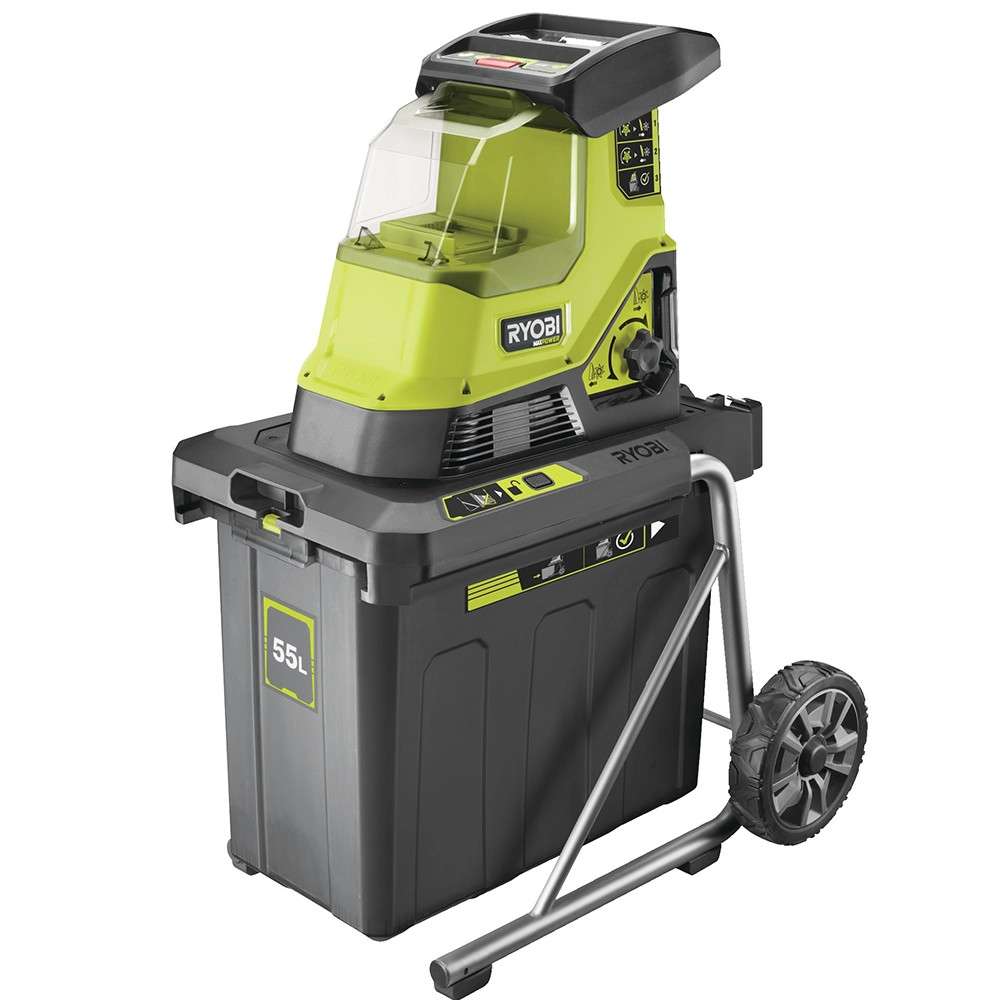
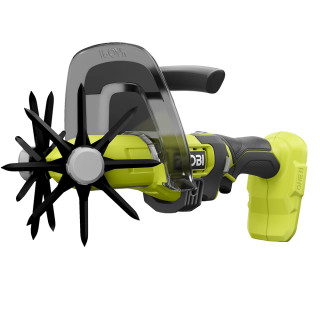
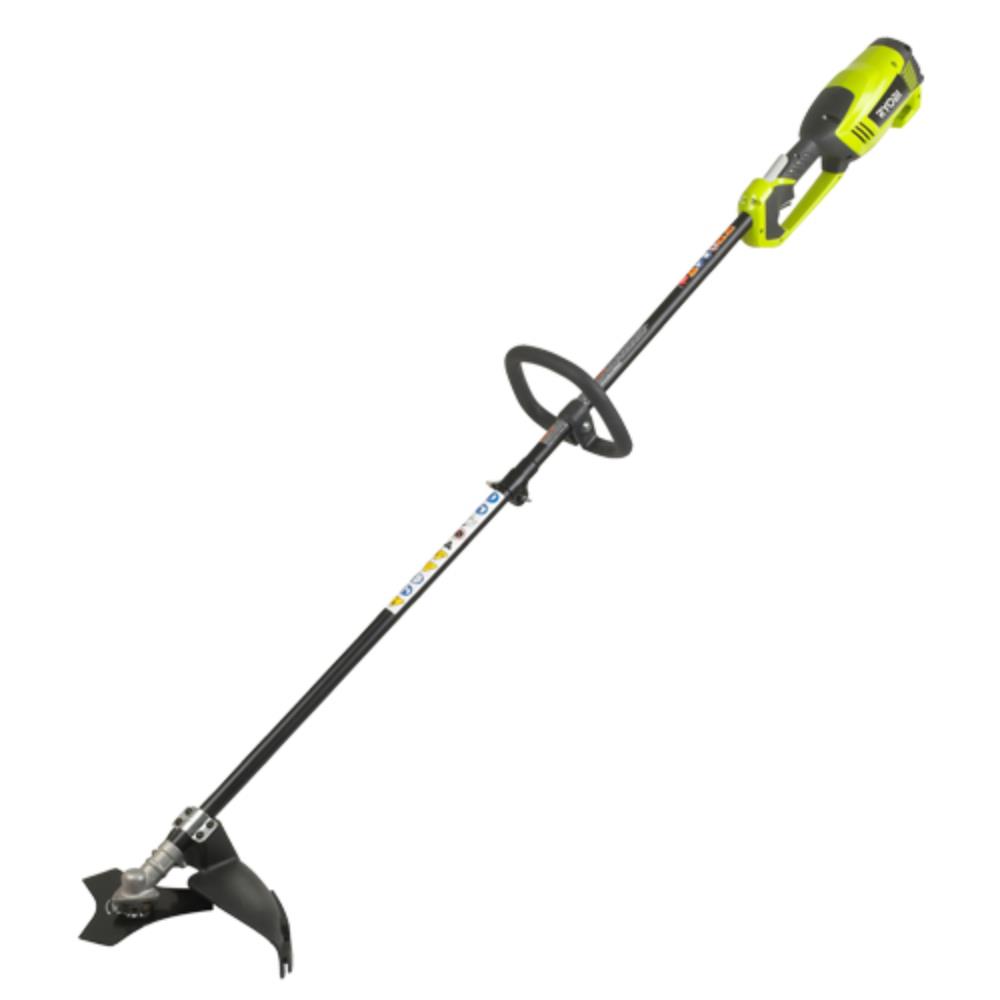
Ryobi Garden Power Tools
Ryobi Garden Power Tools are built for trimming, clearing, cutting and tidying outdoor spaces without dragging leads or messing about with petrol.
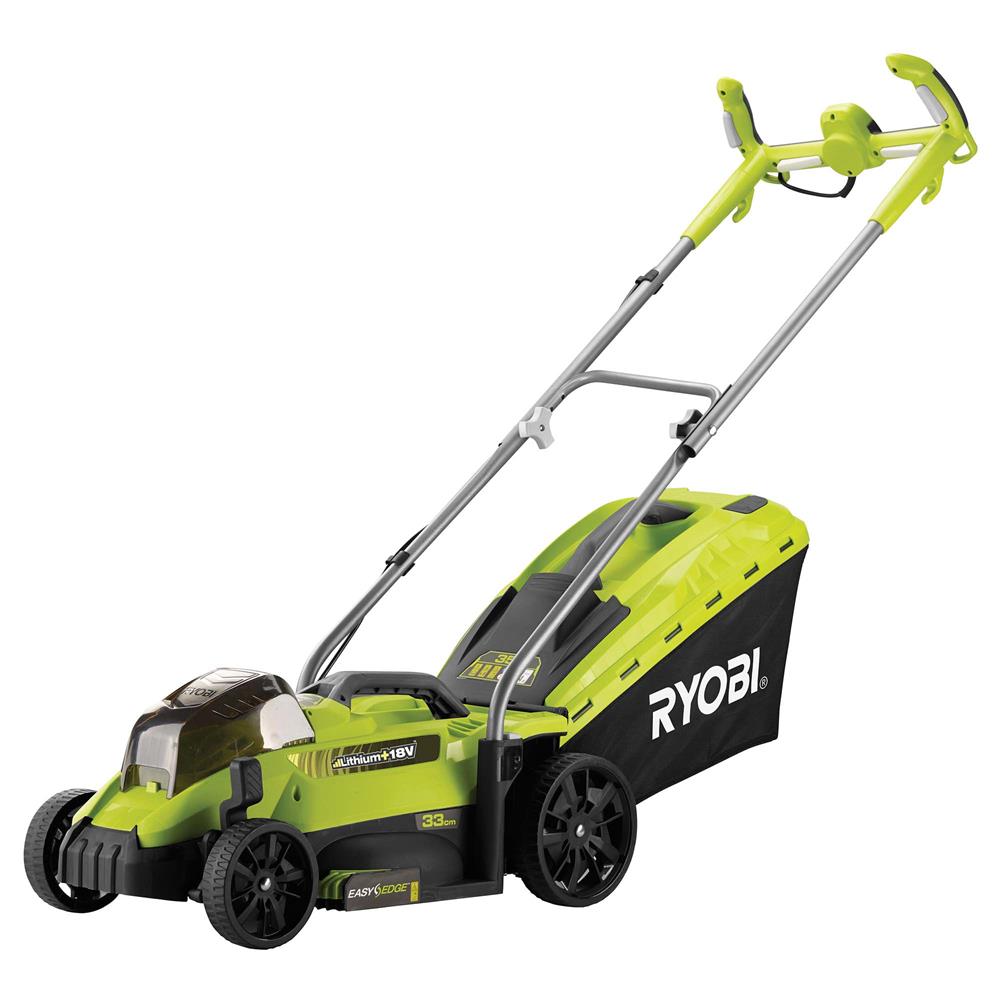
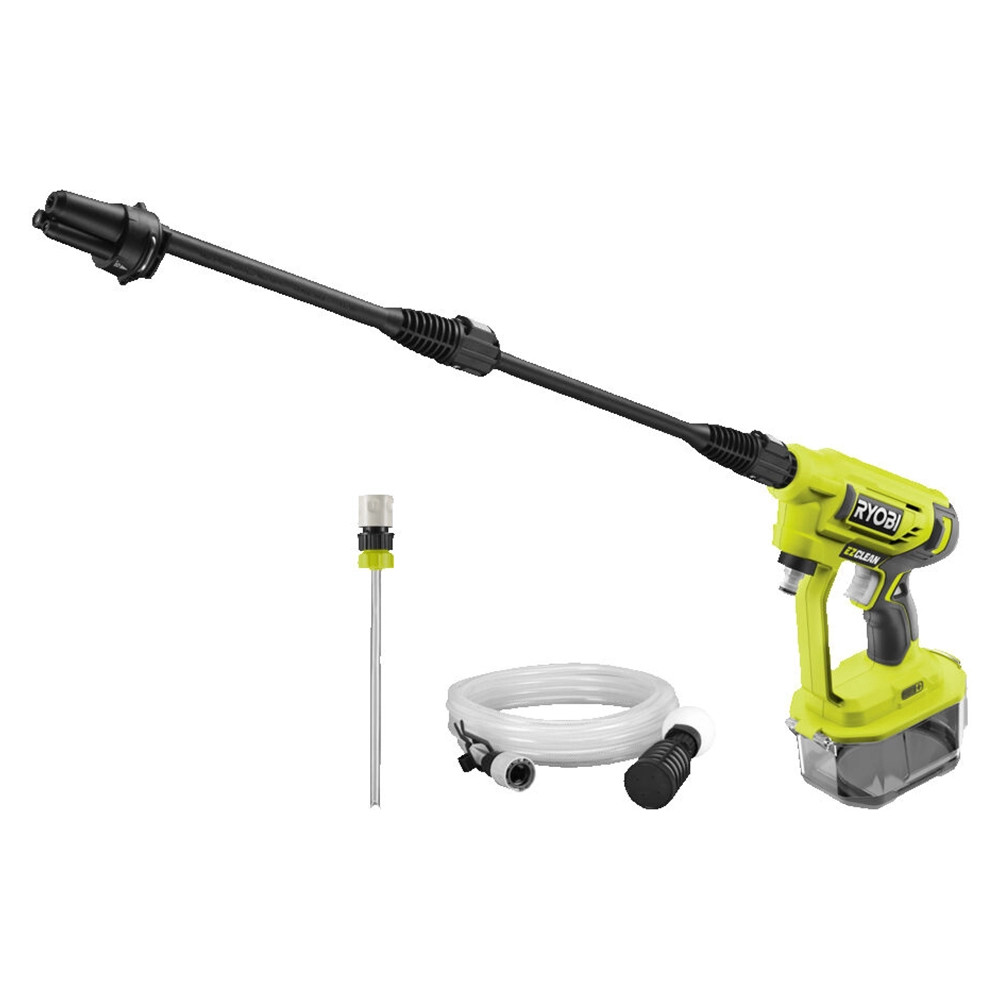
If you're sorting overgrown edges, clearing leaves off drives, or cutting back trees after a rough spell, this is the kit that saves time and hassle. Ryobi Garden Power Tools UK users rate them for practical home and light trade jobs, especially if you're already on the Ryobi 18V ONE+ platform. From blowers and hedge trimmers to chainsaws and lawn care kit, these are proper cordless garden tools for regular upkeep, not just the odd sunny weekend. If you need reliable garden maintenance tools that keep the job moving, start with the tools that match your ground, growth and battery setup.
What Are Ryobi Garden Power Tools Used For?
- Cutting back hedges, shrubs, and thick border growth around gardens, driveways, and fence lines where a lead just gets in the way.
- Clearing leaves, grass cuttings, and light site mess off patios, paths, and parking areas before customers arrive or before you pack up.
- Strimming rough edges and longer grass around sheds, trees, walls, and awkward corners where mowers cannot get a clean finish.
- Pruning branches and cutting up smaller logs for garden clearance, storm clean-up, and general property maintenance jobs.
- Keeping top of regular outdoor upkeep on domestic properties using cordless garden tools that are easy to grab, charge, and get straight to work with.
Choosing the Right Ryobi Garden Power Tools
Sorting the right one is simple: match the tool to the growth, the ground, and how often you will actually use it.
1. Light Tidy-Ups vs Proper Overgrowth
If you are only keeping borders, hedges, and patios in shape, standard cordless garden tools will do the job nicely. If you are cutting back thick hedges, rough grass, or heavier branches, go straight to the more powerful models with longer bars, wider cuts, or brushless motors.
2. Bare Tool vs Full Kit
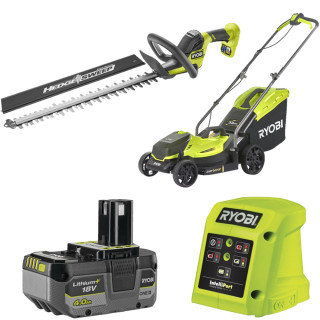
If you already run Ryobi gear, a body only tool usually makes more sense and saves cash. If this is your first step into Ryobi Garden Power Tools UK, a kit with battery and charger gets you working straight away.
3. Battery Size Matters More Than Most People Think
Do not pair bigger garden power tools with the smallest batteries and expect long runtimes. For blowers, mowers, chainsaws, and heavier garden maintenance tools, step up your capacity and keep spare Batteries Chargers and Mounts ready if you have a lot of ground to cover.
4. Storage and Reach
If your garden is tight with awkward corners, compact tools are easier to live with. If you are dealing with taller hedges or longer boundaries, buy for reach first so you are not stretching, re-positioning ladders, or making hard work of a simple job.
Who Uses These on Site and at Home?
- Landscapers and property maintenance teams use this sort of kit for routine trimming, blowing down paths, and keeping outside spaces presentable between bigger jobs.
- Builders and snagging teams reach for Ryobi Garden Power Tools when the plot needs tidying before handover and there is no time to mess about with petrol kit.
- Homeowners and serious DIY users swear by them for regular garden upkeep because the same batteries can often run other Ryobi cordless tools already in the shed or van.
- Grounds and estate maintenance staff use them for quick-response work like storm debris, hedge control, and keeping access routes clear through the week.
The Basics: Understanding Ryobi Garden Power Tools
The main thing to understand is not complicated. These tools are cordless, battery-powered outdoor machines, and the right choice comes down to matching the tool type and battery setup to the work in front of you.
1. One Battery Platform
A lot of Ryobi garden power tools run on the same 18V battery system as other Ryobi power tools. That matters on the job because you can swap packs between tools instead of keeping separate chargers and batteries for every bit of kit.
2. Different Tools for Different Cutting and Clearing Jobs
Blowers shift loose debris, strimmers deal with edges and rough grass, hedge trimmers cut back growth cleanly, and chainsaws handle thicker timber. Pick the wrong type and you just waste time fighting the job.
3. Runtime Comes from Battery Capacity
The bigger the battery, the longer you can generally keep working between charges. For quick trims, smaller packs are fine. For full garden clearances and longer jobs, bigger packs stop you standing about waiting on charge cycles.
Accessories That Keep Your Garden Kit Working
A few sensible extras save downtime, keep the work moving, and stop simple jobs turning into a faff.
1. Spare Batteries
A spare battery is the obvious one. You do not want a blower or hedge trimmer dying halfway round a property, especially when the waste is down and the customer is watching.
2. Fast Chargers
A decent charger cuts the dead time between jobs and makes a big difference if you are rotating packs through a few cordless garden tools in one day.
3. Replacement Line and Blades
Keep fresh strimmer line, chains, or blades to hand. Worn cutting parts slow everything down, leave a rough finish, and make the tool work harder than it needs to.
4. Extension and Maintenance Kits
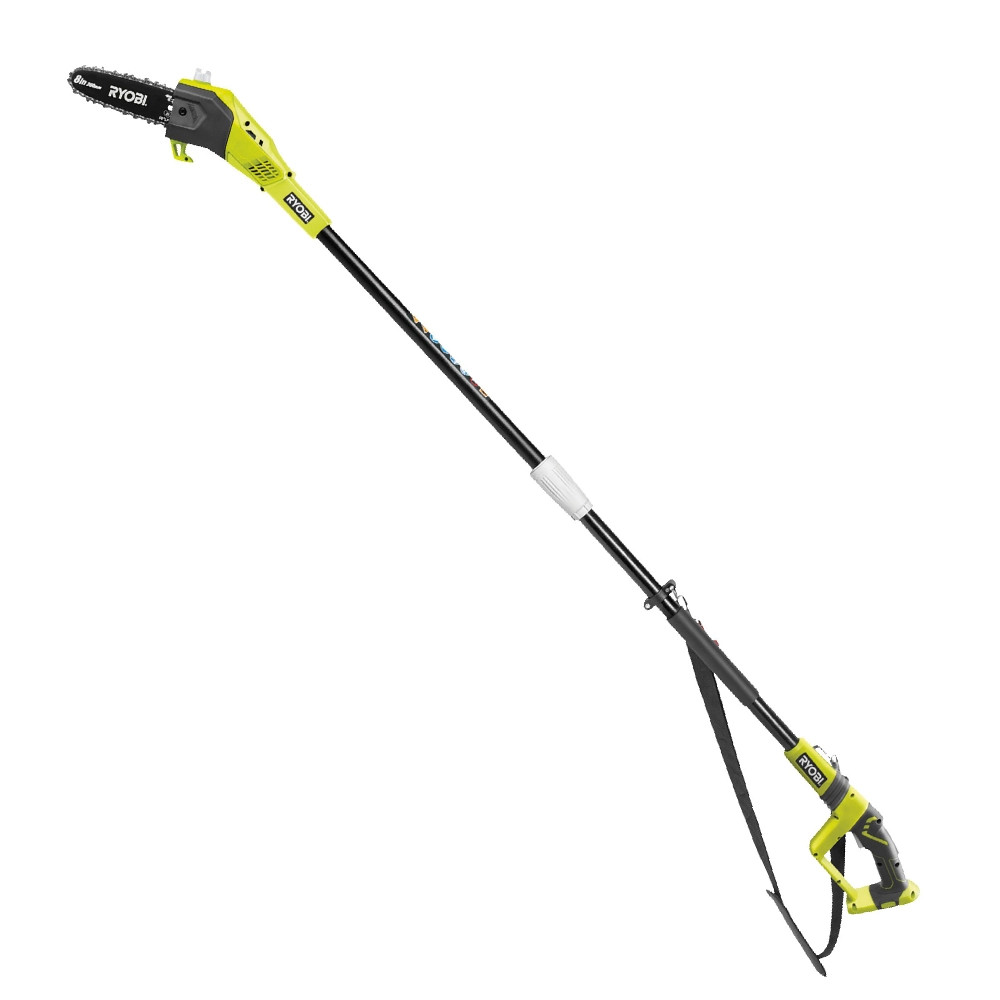
For pole tools and cutting kit, the right maintenance bits help with reach and upkeep. It is cheaper than ruining a decent tool because the chain was blunt or the moving parts were ignored.
Choose the Right Ryobi Garden Power Tools for the Job
Use this quick guide to match the tool to the work.
| Your Job | Category or Type | Key Features |
|---|---|---|
| Trimming lawn edges and rough grass round obstacles | Grass Trimmer or Brush Cutter | Adjustable cutting head, decent line feed, enough battery capacity for more than a quick patch-up |
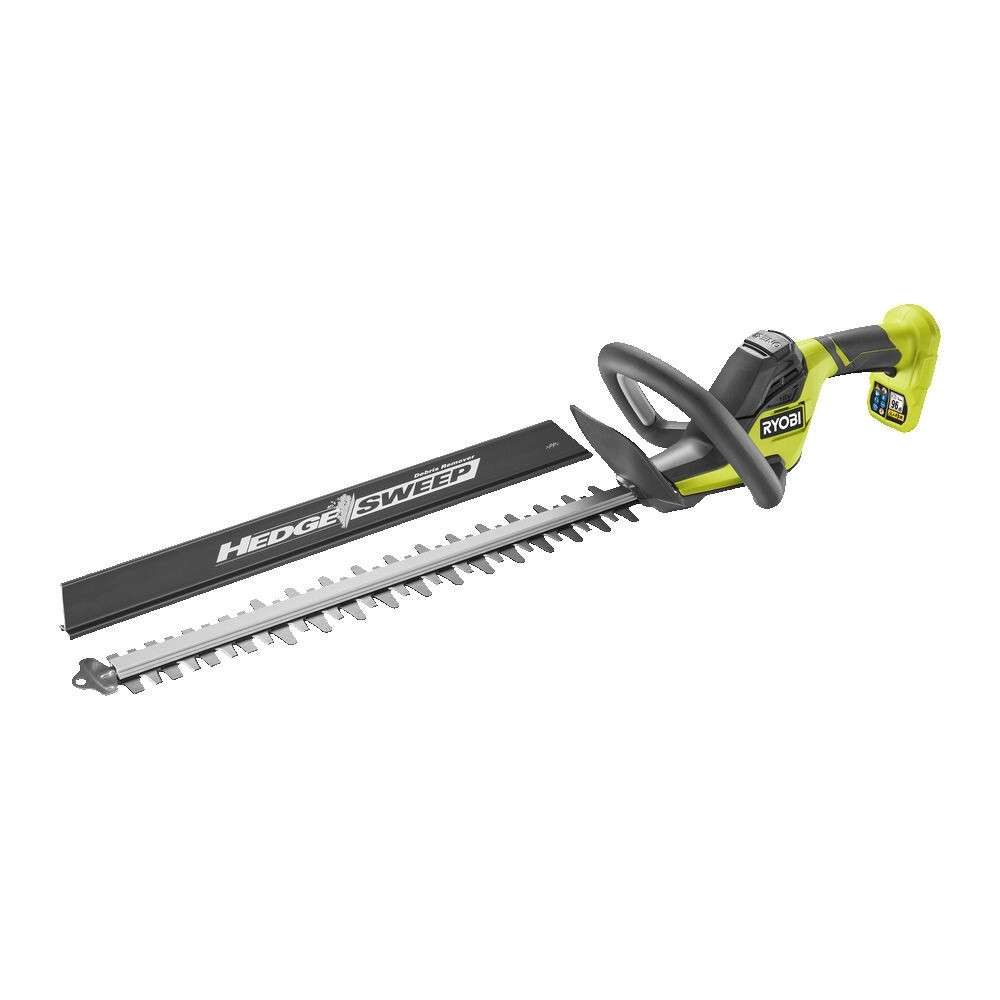
| Cutting back hedges and border growth | Hedge Trimmer | Blade length to suit the hedge, good balance, and enough reach so you are not over-stretching |
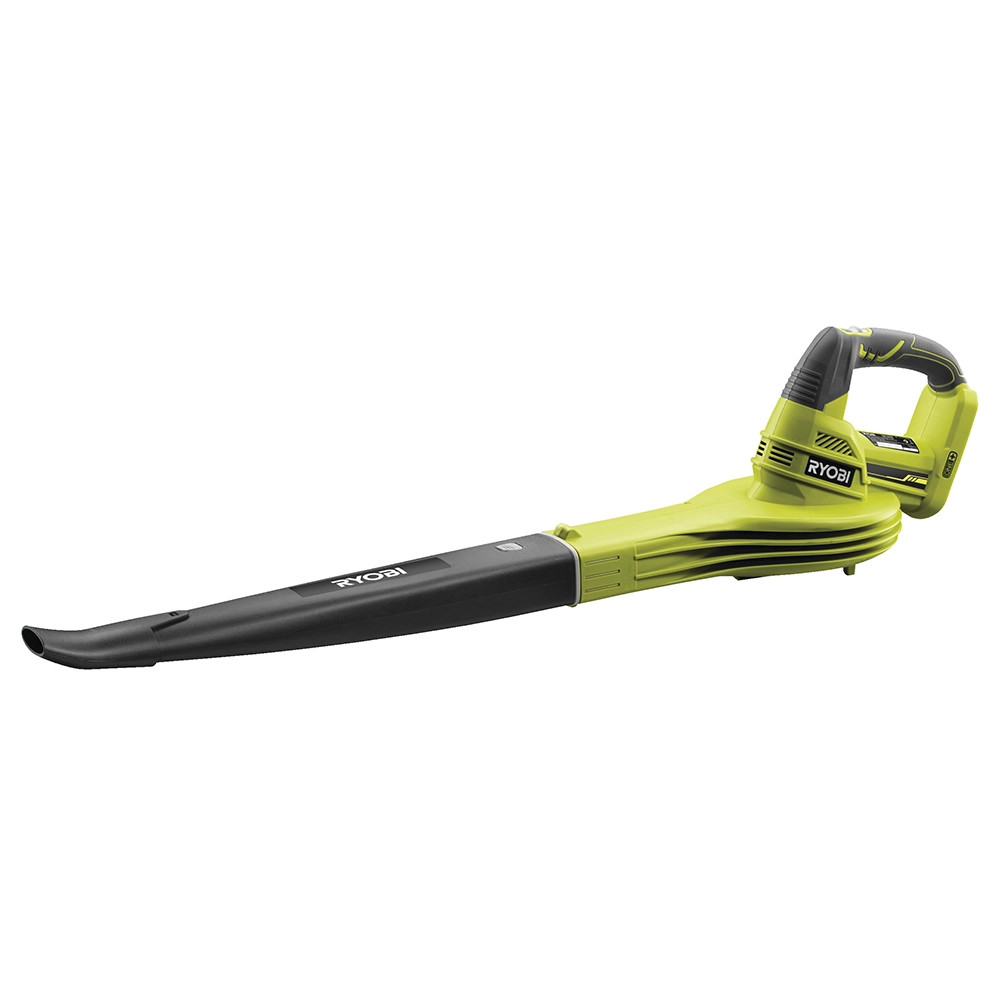
| Clearing leaves and loose debris off paths and drives | Leaf Blower | Good air speed, comfortable handling, and runtime that covers the area in one go |
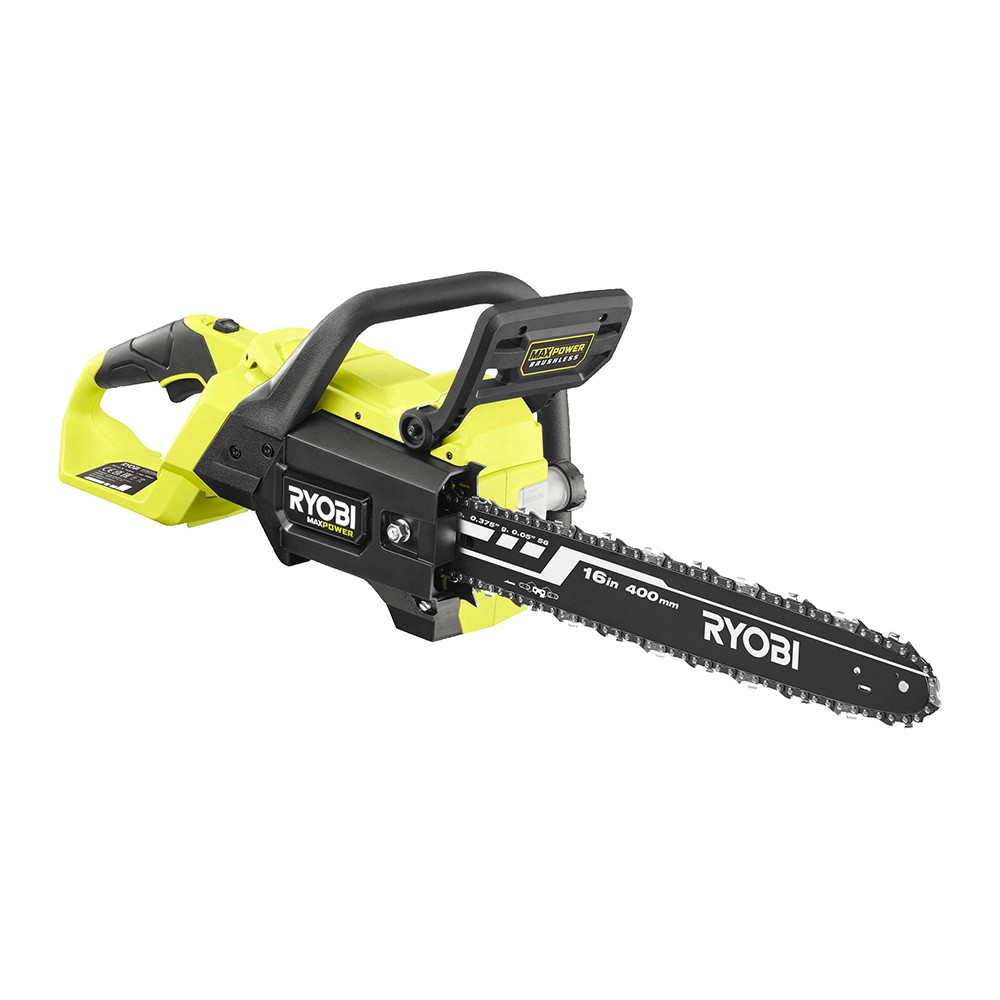
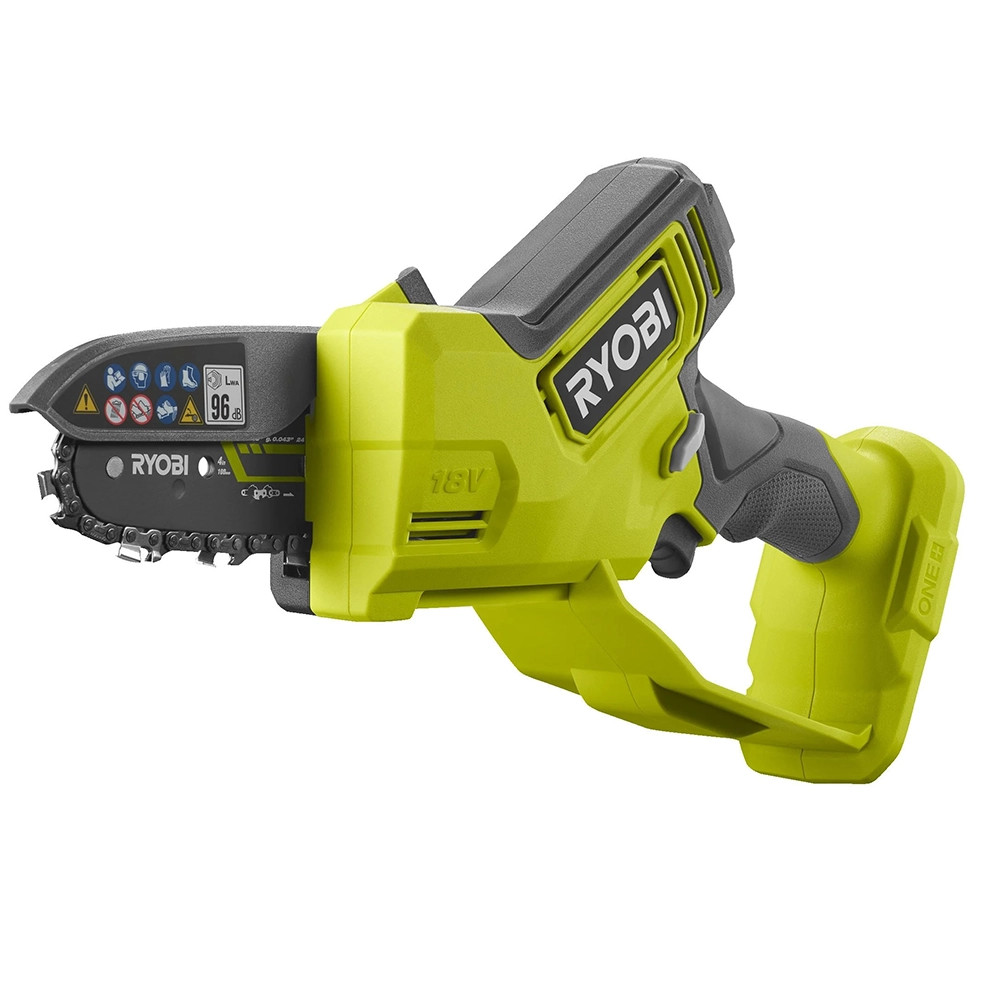
| Pruning branches and cutting smaller logs | Chainsaw or Pruning Saw | Bar length matched to timber size, chain tensioning that is easy to manage, and a battery that will hold out |
| General domestic upkeep with one battery system | Garden Power Tools | Shared battery platform, body only options, and a range wide enough to cover mowing, trimming, blowing, and cutting |
Common Buying and Usage Mistakes
- Buying on price alone and ending up with a tool too small for the job means slower work, rougher results, and more strain on the machine. If the growth is heavy or the area is big, size up properly.
- Running high-demand garden power tools on the smallest battery packs leads to short runtimes and constant swapping. Use larger capacity batteries for blowers, chainsaws, and longer trimming jobs.
- Ignoring spare consumables is a classic mistake. A strimmer without line or a chainsaw with a tired chain can turn a quick clearance into a wasted afternoon.
- Using the wrong tool for the task slows everything down. A blower will not shift wet compacted debris well, and a light trimmer is not the answer for woody overgrowth.
- Putting tools away dirty or wet shortens their life. Brush them down, check moving parts, and store batteries and kit somewhere dry if you want them ready for the next job.
Cordless Trimmers vs Hedge Trimmers vs Blowers
Grass Trimmers
Best for grass edges, fence lines, and awkward spots round trees, sheds, and walls. They are the one to buy if your mower leaves unfinished edges, but they are not built for hedge work or thicker woody stems.
Hedge Trimmers
These are for shaping hedges, cutting back fresh growth, and keeping boundaries tidy. They give a cleaner finish than trying to force a strimmer through hedge work, but they are not the right tool for grass or ground debris.
Leaf Blowers
Ideal for clearing leaves, dust, and loose cuttings off paths, patios, and drives. They save loads of sweeping, but they do not cut anything, so they make sense as a follow-up tool rather than your main bit of garden kit.
Chainsaws and Pruning Saws
Go for these when you are into branches, storm damage, or cutting logs down to size. They are the right choice for timber work, but complete overkill if all you are doing is edging grass or tidying a small hedge.
Maintenance and Care
Clean Off After Use
Grass sap, wet leaves, and fine dust soon build up round guards, vents, and cutting heads. Brush the tool down after use so it does not clog up or start wearing where it should not.
Check Cutting Parts Regularly
Blunt chains, tired blades, and worn line all make the motor work harder and leave a worse finish. Replace consumables before they start dragging the job out.
Store Batteries Properly
Do not leave packs rolling about in damp sheds or freezing vans for weeks on end. Keep them dry, charged sensibly, and ready so your Ryobi power tools are not dead when you need them.
Inspect Guards and Moving Parts
Have a quick check over handles, guards, chains, and adjustment points before you start. A loose fitting or cracked guard is easier sorted in the shed than halfway through the job.
Repair or Replace at the Right Time
If it is just a line spool, blade, or chain, replace it and carry on. If the tool is struggling, overheating, or showing damage around the motor housing, get it checked before you cook it completely.
Why Shop for Ryobi Garden Power Tools at ITS?
Whether you need a blower for quick tidy-ups, a hedge trimmer for regular boundary work, or a full cordless setup from the Garden Outdoor range, we stock the lot. ITS carries a proper spread of Ryobi Garden Power Tools, batteries, chargers, and matching kit in our own warehouse, ready for next day delivery across the UK.
Ryobi Garden Power Tools FAQs
What are Ryobi Garden Power Tools used for?
They are used for the usual outdoor graft like trimming hedges, strimming edges, clearing leaves, cutting branches, and keeping gardens, paths, and driveways tidy. They suit regular property upkeep, seasonal clear-outs, and light maintenance work where cordless convenience matters.
Are Ryobi Garden Power Tools compatible with Ryobi batteries?
Many of them are built around the same 18V ONE plus battery platform, which is one of the main reasons people buy into the range. Still check the individual tool details before ordering, because compatibility is the first thing worth confirming if you already own Ryobi cordless tools.
How do I choose the right ryobi garden power tools?
Start with the actual job, not the shelf. For edges and rough grass go strimmer, for hedges go hedge trimmer, for debris go blower, and for timber go chainsaw or pruning saw. Then check battery size, runtime, and whether body only or kit makes more sense for what you already own.
Can Ryobi Garden Power Tools be used for DIY and garden jobs?
Yes, that is exactly where they fit well. They are popular with householders, keen DIY users, and anyone doing regular garden jobs because they are easier to store, easier to start, and easier to live with than petrol kit for general upkeep.
Are these good enough for regular use, or just occasional weekend jobs?
They are well suited to regular domestic use and ongoing property maintenance. If you are out every day on heavier commercial clearance work, you will want to pay close attention to runtime, cutting capacity, and battery stock so the kit keeps pace.
Should I buy body only or a full kit?
If you already have compatible batteries and chargers, body only is usually the sensible buy. If you do not, a full kit gets you working without another order and saves the usual headache of having the tool but no power for it.