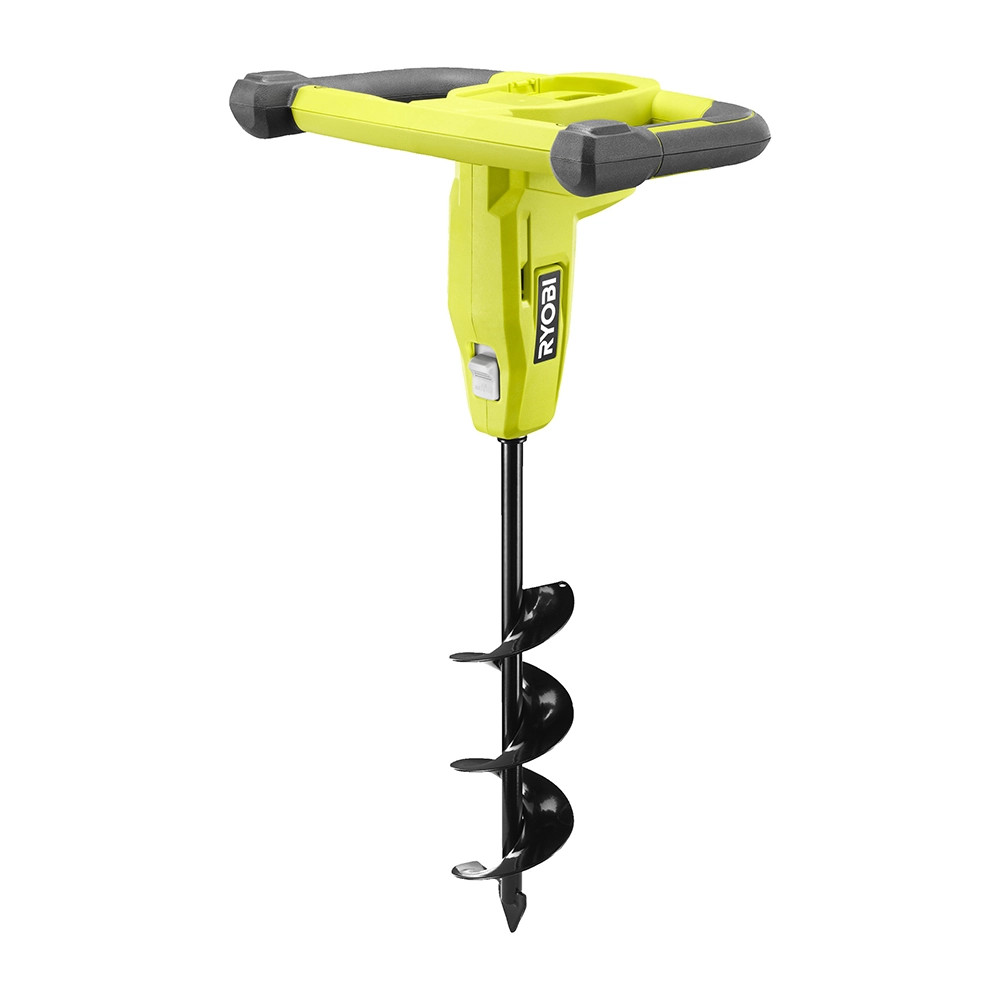
Ryobi Trimmers & Brush Cutters
Ryobi Trimmers and Brush Cutters are built for clearing long grass, edging borders, and knocking back thick weeds where a mower just won't get in.
If you're tidying rough plot edges, cutting around fence lines, or clearing overgrown patches before the real work starts, this is the kit you reach for. Ryobi gets used because it keeps things simple on the Ryobi platform, with cordless gear that saves dragging leads round the garden or site. If you already run Ryobi 18V ONE+, it makes sense to stick with what fits your batteries and gets straight to work.
What Are Ryobi Trimmers and Brush Cutters Used For?
- Cutting long grass along fence runs, shed bases, and wall lines where a mower leaves untidy strips and awkward corners behind.
- Edging lawns, paths, and patios so the finish looks sharp rather than ragged, especially when you are sorting a garden for handover or weekend maintenance.
- Knocking back thick weeds, nettles, and rough growth in overgrown areas before landscaping, fencing, or general garden maintenance tools come out properly.
- Clearing around trees, posts, raised beds, and play areas where bigger garden power tools are too bulky to work cleanly and safely.
- Handling regular home and light trade tidy-up jobs without petrol faff, making them a practical bit of kit for cordless garden tools users already on Ryobi batteries.
Choosing the Right Ryobi Trimmers and Brush Cutters
Match the machine to the growth you are cutting. Do not buy a light line trimmer if the job is mostly brambles, thick weeds, and rough ground.
1. Line Trimmer or Brush Cutter
If you are mainly edging lawns and keeping on top of regular grass, a trimmer is the sensible choice. If you are clearing heavier growth, rough patches, or tougher stalky stuff, go for a brush cutter that is built to take more punishment.
2. Battery Platform
If you already own Ryobi cordless tools, stay on the same battery platform and save yourself money. It is the obvious move for anyone already invested in Ryobi power tools and wanting outdoor kit that shares packs with the rest of the van or shed.
3. Shaft Design and Reach
For tight gardens and shorter tidy-up jobs, a compact setup is easier to handle. If you are working along banks, deep borders, or bigger plots, a longer shaft and better reach will save your back over the day.
4. Runtime Matters More Than You Think
Do not underspec the battery if you are clearing a lot of growth in one hit. For quick edge work a smaller pack will do, but for heavier cutting and larger gardens you will want decent capacity or a spare from Batteries Chargers and Mounts.
Who Uses These on Site and at Home?
- Landscapers and garden maintenance teams use them for trimming edges, clearing rough growth, and keeping plots tidy between bigger jobs.
- Groundworkers and fencing teams reach for them when grass and weeds are in the way of setting out, digging, or working cleanly along boundaries.
- Property maintenance crews like them for quick clear-ups around communal areas, pathways, and car park edges without dragging extension leads about.
- DIY users and homeowners swear by them for regular garden jobs because they are straightforward cordless garden tools that do the awkward bits a mower cannot reach.
- Anyone already buying Garden Power Tools from the Ryobi range will usually keep one of these handy for the finishing work.
The Basics: Understanding Ryobi Trimmers and Brush Cutters
These tools all cut growth, but they do it in different ways depending on how rough the job is. Here is the simple version so you do not buy the wrong bit of kit.
1. Line Trimmers for Grass and Edging
A line trimmer uses fast-spinning nylon line to cut grass and light weeds. It is the right choice for keeping lawn edges neat, trimming around obstacles, and dealing with the spots your mower cannot touch.
2. Brush Cutters for Rougher Growth
A brush cutter is built for thicker, tougher stuff such as nettles, heavy weeds, and overgrown patches. It gives you more bite where a standard trimmer line would wear down too quickly or struggle to cut cleanly.
3. Cordless Means Faster Set Up
With Ryobi cordless garden tools, you are not messing about with petrol mixing or long leads. That matters when you are only grabbing the tool for twenty minutes of edge work or moving round a large garden with awkward access.
Ryobi Trimmer Accessories That Save Time on the Job
A few sensible extras stop downtime, keep the cutting clean, and save repeat trips back to the shed or van.
1. Spare Batteries
A spare battery is the obvious one. You do not want the trimmer dying halfway round a boundary or just as you get into the thick stuff at the back of the plot.
2. Replacement Spools and Line
Keep spare line or spool refills ready because rough edges, walls, and paving chew through line faster than most people expect. Having extras on hand saves the job grinding to a halt.
3. Chargers
A proper charger keeps your packs turning round between jobs. It is a lot better than finding out the only battery you brought is still flat when you need to finish the last section.
Choose the Right Ryobi Trimmers and Brush Cutters for the Job
Use this quick guide to match the tool to the ground you are actually cutting.
| Your Job | Category or Type | Key Features |
|---|---|---|
| Neatening lawn edges and trimming around beds | Light cordless grass trimmer | Easy handling, quick start-up, good for regular edge work and smaller gardens |
| Cutting long grass around fences and sheds | Standard cordless trimmer | More runtime, decent cutting swath, enough reach for awkward edges and obstacles |
| Clearing rough patches and stubborn weeds | Brush cutter | Tougher cutting setup, built for thicker growth, better choice for neglected areas |
| Maintaining a bigger plot on one battery system | Ryobi 18V ONE+ outdoor kit | Battery sharing, less clutter in the shed, simple swap-over with matching Ryobi tools UK users already own |
| Doing quick garden tidy-ups between other jobs | Compact cordless trimmer | Fast grab-and-go use, no leads, ideal for routine maintenance and home improvement tools setups |
Common Buying and Usage Mistakes
- Buying a light grass trimmer for heavy scrub is a common mistake. It will get through line fast and make the job drag, so step up to a brush cutter if the growth is thick and woody.
- Ignoring battery capacity catches plenty of people out. A small pack might be fine for edging, but larger areas and rough cutting need more runtime or a spare battery ready to swap in.
- Letting the line get too short reduces cutting performance and makes you work harder. Keep the line at the proper length so the tool cuts cleanly instead of tearing at the grass.
- Using trimmers hard against walls, gravel, and paving all the time chews through line and head parts. Ease off near rough surfaces and keep replacement line in the kit bag.
- Storing the tool wet and dirty shortens its life. Wipe it down after use and clear clippings from the head before it gets put away.
Grass Trimmers vs Brush Cutters vs Petrol Models
Cordless Grass Trimmers
Best for lawn edges, routine tidy-ups, and cutting around trees, posts, and borders. They are lighter and easier to manage, but they are not the tool for really overgrown ground.
Cordless Brush Cutters
The right choice when the growth is heavier and a standard trimmer keeps bogging down. They cope better with rough patches and thicker weeds, though they are usually a bit heavier in the hand.
Petrol Models
Petrol still has a place for big open ground and long heavy sessions, but it brings noise, fumes, fuel, and more upkeep. For most domestic and light trade work, cordless Ryobi kit is the easier option to live with.
Maintenance and Care
Clean the Head After Use
Grass, sap, and damp clippings build up fast around the cutting head. Brush it off after each use so the line feeds properly and the motor is not working harder than it needs to.
Check the Line and Guards
Worn line, cracked spools, and damaged guards make the tool less effective and less safe. Replace the cheap bits before they turn into a bigger problem halfway through the job.
Look After the Batteries
Do not leave batteries flat for weeks in a cold shed if you can help it. Charge them properly, store them dry, and rotate packs so one is not doing all the work every time.
Wipe Down the Shaft and Handles
Mud, moisture, and fertiliser residue will shorten the life of any outdoor tool. A quick wipe-down keeps controls clean and helps spot loose fixings before the next use.
Replace Worn Parts Early
If the spool, line feed, or blade setup is worn out, change it before performance drops off badly. Pushing on with tired cutting parts wastes battery and leaves a scruffy finish.
Why Shop for Ryobi Trimmers and Brush Cutters at ITS?
Whether you need a simple edge trimmer for regular garden work or a tougher cordless machine for rougher clearing, we stock the proper Ryobi range in one place. That includes matching outdoor gear from Garden Power Tools and the wider ITS Ryobi line-up. It is all held in our own warehouse, in stock, and ready for next day delivery.
Ryobi Trimmers and Brush Cutters FAQs
What are Ryobi Trimmers and Brush Cutters used for?
They are used for the bits a mower cannot do properly. That means trimming along fence lines, edging lawns, clearing around trees and posts, and cutting back rough grass or weeds in overgrown areas.
Are Ryobi Trimmers and Brush Cutters compatible with Ryobi batteries?
Yes, many of them are designed to work on the Ryobi 18V ONE+ battery platform. That is one of the main reasons people buy them, because the same batteries can often be shared across other Ryobi cordless tools.
How do I choose the right ryobi trimmers and brush cutters?
Start with the growth, not the badge. If you are just trimming lawn edges and light grass, a standard trimmer is plenty. If the job involves dense weeds, rough patches, or neglected ground, go straight to a brush cutter and make sure you have enough battery for the area.
Can Ryobi Trimmers and Brush Cutters be used for DIY and garden jobs?
Yes, that is exactly where they fit well. They are a solid choice for DIY tools users, homeowners, and regular garden maintenance because they are easy to start, easy to store, and do not come with the upkeep of petrol kit.
Will a Ryobi trimmer handle wet grass and rough ground?
Yes, within reason. Damp grass is usually fine, but very wet heavy growth will pull more from the battery and can clog up the head quicker. For really rough or thick stuff, a brush cutter setup is the better shout.
Are these only for homeowners, or are they good enough for regular work?
They are well suited to regular home use and light trade maintenance work. If you are doing all-day heavy commercial clearance every week, you may want to look at more dedicated high-output kit, but for routine upkeep they are more than up to it.