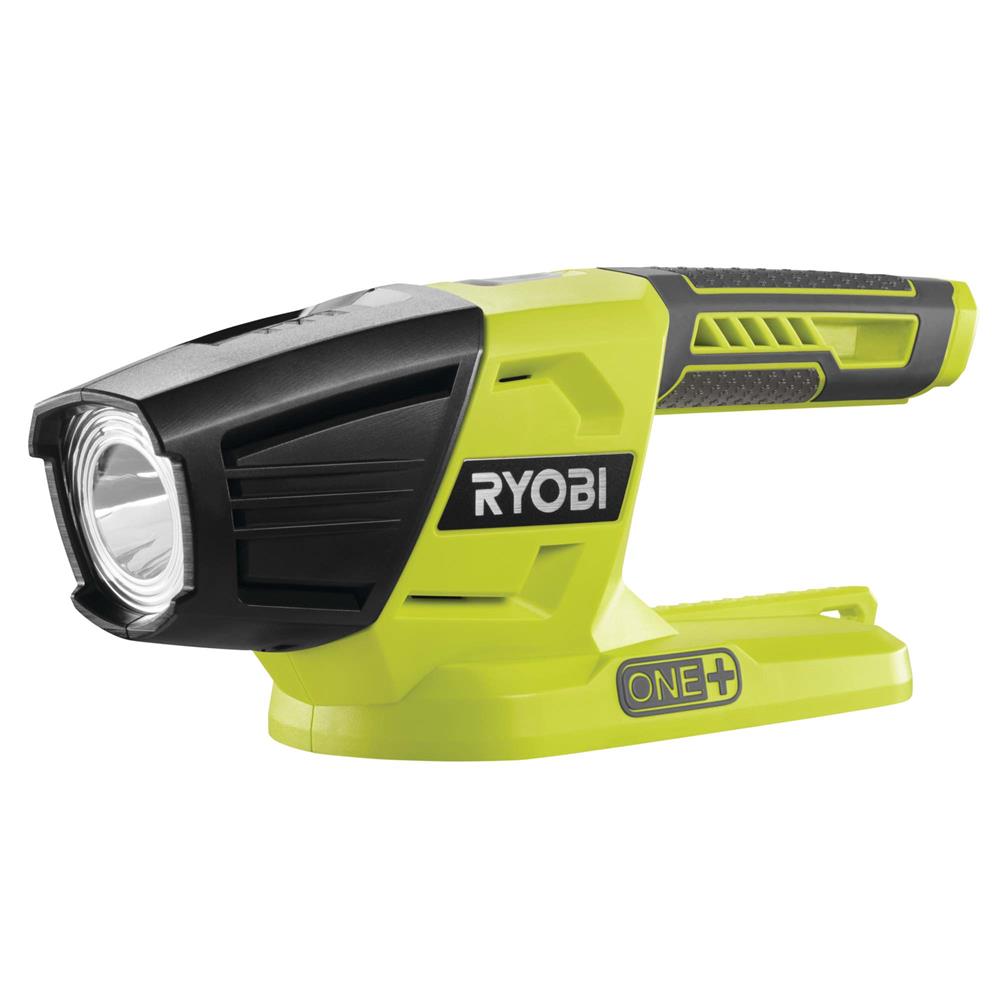
Ryobi Lighting & Electrical
Ryobi Lighting Electrical covers cordless lights, site lighting and power kit for dark work areas, shed jobs, van checks and home improvement tasks.
When you're working in a loft, under a sink, or finishing off outside after the light's gone, decent lighting stops mistakes and saves time. Ryobi Lighting Electrical is built for trades, maintenance jobs and proper DIY use, with cordless lights and practical kit that fits the Ryobi 18V ONE+ system. If you've already got Ryobi kit, it makes sense to keep everything on one battery platform and get sorted properly.
What Are Ryobi Lighting Electrical Used For?
- Lighting up dark lofts, cupboards and service voids so you can see fixings, pipe runs and cable routes without balancing a torch on the nearest bit of timber.
- Working in gardens, garages and sheds where mains power is awkward, giving you cordless site lighting that is easy to move as the job shifts on.
- Backing up evening snagging, inspections and handover jobs when natural light has gone and you still need to see clean edges, fittings and final details properly.
- Keeping a reliable work light in the van for breakdowns, fuse board checks or quick repairs where poor lighting usually slows the whole job down.
Choosing the Right Ryobi Lighting Electrical
Match the light or power kit to where you actually work, not just what looks handy on the shelf.
1. Area Light or Task Light
If you're lighting a whole room, garage bay or garden work area, go for a wider flood style light. If you're tracing pipes, wiring a board or working in cupboards, a smaller task light is usually the better shout because it puts light exactly where you need it.
2. Battery Runtime Matters
If the light is only for quick checks, a smaller battery will do. If you're on longer jobs or using it through a full evening shift, do not skimp on battery size. Pair it with the right packs from Batteries Chargers and Mounts so you're not left in the dark halfway through.
3. Site Use or Home Use
If it's mainly for shed jobs, decorating and general DIY, a compact cordless light is plenty. If it is going in and out of the van, getting knocked about on refurbs or used across multiple rooms, buy the tougher unit with a more stable base and stronger output.
4. Keep to One Battery Platform
If you already run Drills and Drivers, sticking with Ryobi lighting saves money and faff. One charger setup, one battery system, less clutter in the van.
Who Uses These on Site?
- Sparkies use Ryobi Lighting Electrical for consumer unit work, loft runs and first fix jobs where seeing cable colours and terminations clearly matters.
- Plumbers and heating engineers keep cordless lights handy for airing cupboards, under-sink repairs and tight plant room jobs where shadows make simple work harder.
- Joiners, kitchen fitters and snagging teams rely on site lighting when fitting units, trimming panels or checking finish quality in rooms with poor temporary lighting.
- DIY users and home improvers swear by this kit for garage work, shed upgrades and weekend repairs because it is simple to move, quick to set up and runs on the same batteries as other Ryobi cordless tools.
The Basics: Understanding Ryobi Lighting Electrical
This range is straightforward once you split it into what the kit is actually doing on the job. The main thing is whether you need broad coverage, focused light, or portable power support.
1. Flood Lighting for Work Areas
These lights spread output across a wider space so you can work in a whole room, garage, shed or outdoor area without dragging extension leads about. They are the better option for decorating, fitting, clearing up and general site lighting.
2. Task Lighting for Tight Spots
Task lights focus illumination where your hands are working. That makes them more useful for under cabinets, in loft corners, behind pipework and anywhere shadows make accurate work awkward.
3. ONE Plus Battery Power
A lot of Ryobi Lighting Electrical kit runs on the same 18V ONE Plus batteries as the wider range, which is the real advantage. If you already use Ryobi power tools, you can swap packs between lights and other gear instead of buying into another system just for lighting.
Accessories That Keep Ryobi Lighting Electrical Working
A couple of sensible extras save downtime and make the kit far more useful on real jobs.
1. Spare Batteries
A spare battery is the obvious one, especially if the light is covering long evening jobs, inspections or power cuts. You do not want the only light on site fading out halfway through a board change or loft repair.
2. Fast Chargers
A decent charger keeps batteries turning round quickly between jobs. That matters when the same packs are also running your drills, drivers and other cordless gear through the day.
3. Larger Capacity ONE Plus Batteries
If the light is being used as proper site lighting rather than for quick checks, step up to a larger battery. It is a simple way to get longer runtime without messing about with constant battery swaps.
Choose the Right Ryobi Lighting Electrical for the Job
Use this as a quick guide before you pick your light or power kit.
| Your Job | Category or Type | Key Features |
|---|---|---|
| Working under sinks, in cupboards or in loft corners | Compact task light | Focused beam, easy positioning, small footprint and quick grab from the van |
| Lighting a whole room for fitting, decorating or snagging | Cordless flood light | Wider spread, stable base and enough output to cover a full work area |
| Garden repairs, shed jobs and outdoor evening work | Portable site light | Cordless setup, easy carry and practical runtime away from mains power |
| Keeping the van ready for breakdowns and emergency callouts | Compact work light with spare battery | Fast setup, easy storage and reliable backup when site lighting is poor |
| Longer jobs using multiple Ryobi cordless tools | ONE Plus light with larger battery | Shared battery platform, longer runtime and less charger clutter |
Common Buying and Usage Mistakes
- Buying the smallest light for a full room job is a common mistake. It is fine for cupboard work, but it will not properly light a kitchen fit or garage clearout, so match the beam spread to the area.
- Ignoring battery capacity catches plenty of users out. A light can be spot on, but if the battery is too small for the shift, you will spend more time swapping packs than getting on with the work.
- Assuming any light will cope with van and site abuse leads to disappointment. If it is travelling daily and getting knocked about, choose a more stable, tougher unit rather than a basic home-use option.
- Running a separate battery platform just for lighting wastes money and space. If you already own Ryobi cordless tools, sticking with compatible ONE Plus kit is usually the smarter buy.
Task Lights vs Flood Lights vs Mains Lighting
Task Lights
Best for close-up work like wiring, plumbing repairs and cabinet fitting. They are easier to aim into awkward spaces, but they will not light a full room properly.
Flood Lights
Better for wider coverage on decorating, fitting and garage work. They are the right pick when several people are working in one area, though they can be bulkier to carry.
Mains Lighting
Useful where power is fixed and available all day, but it brings leads, trip risks and less flexibility. Cordless Ryobi lighting is usually the easier option for moving jobs and quick setup.
Maintenance and Care
Keep Lenses Clean
Dust, plaster and general site muck cut light output more than most people think. Wipe lenses and housings down after use so the beam stays clear and usable.
Store Batteries Properly
Do not leave batteries loose in a cold van for weeks on end if you can help it. Charge them sensibly, store them dry and rotate your packs so one is not doing all the work.
Check Hinges and Stands
Adjustable heads, stands and carry points take the knocks first. Give them a quick check before each job so the light still holds position instead of sagging halfway through the task.
Do Not Ignore Cracked Casings
A cracked body or damaged lens lets dust and moisture in and usually gets worse fast. Replace damaged parts or retire the light before it becomes unreliable when you actually need it.
Why Shop for Ryobi Lighting Electrical at ITS?
Whether you need a compact cordless light for quick inspection work or broader site lighting for bigger jobs, we stock the full Ryobi Lighting Electrical range in one place. That includes the wider gear trades and home improvers use alongside Garden Power Tools. It is all held in our own warehouse, in stock, and ready for next day delivery.
Ryobi Lighting Electrical FAQs
What are Ryobi Lighting Electrical used for?
They are used for lighting dark work areas, backing up evening jobs, and giving you portable power and visibility where mains supply is awkward or missing. Think loft work, shed repairs, garages, cupboards, garden jobs and van callouts where you need proper light fast.
Are Ryobi Lighting Electrical compatible with Ryobi batteries?
Yes, many Ryobi Lighting Electrical products are built around the ONE Plus battery system, which is the big advantage if you already own Ryobi cordless kit. Always check the individual product details, but in most cases that shared battery setup is exactly why people buy into the range.
How do I choose the right ryobi lighting electrical?
Start with the job. For tight spaces and inspection work, go compact and focused. For room coverage, decorating or garden work, pick a wider flood style light. Then check runtime and battery compatibility so you are not buying a light that suits the job but runs out too quickly.
Can Ryobi Lighting Electrical be used for DIY and garden jobs?
Yes. This is not just trade kit for site use. Ryobi Lighting Electrical suits home improvement, garage work, sheds, fencing repairs and outdoor evening jobs where dragging extension leads round is a pain. It is especially handy if you already use Ryobi tools around the house and garden.
Are these lights tough enough for regular van and site use?
Yes, for normal trade and maintenance use they hold up well, but be realistic about the job. A compact DIY light will not take the same abuse as a larger site unit. If it is going in and out of the van every day, buy the sturdier model with a solid base and better protection around the head.
Will a smaller ONE Plus battery be enough for lighting?
For quick checks and short jobs, yes. For room lighting, evening work or longer shifts, probably not. A smaller pack is fine for occasional use, but if the light is doing proper graft, step up to a larger battery and keep a spare charged.