




Ryobi Power Tools
Ryobi Power Tools cover the jobs most lads hit every week, from drilling and cutting to sanding, fixing and tidying up round site or at home.
If you're doing fit-out, repairs, punch-list work or weekend home improvement, Ryobi Power Tools make sense when you want cordless kit that keeps costs sensible without leaving you short on the job. The big draw is platform choice, especially Ryobi 18V ONE+, where one battery runs a wide spread of drills, saws, sanders and clean-up gear. If you're building out a practical kit bag, start with the jobs you do most and buy into the system properly.
What Are Ryobi Power Tools Used For?
- Drilling timber, masonry and sheet materials on snagging, fixing and general install jobs is where Ryobi cordless tools earn their keep, especially when you are moving room to room and do not want leads under your feet.
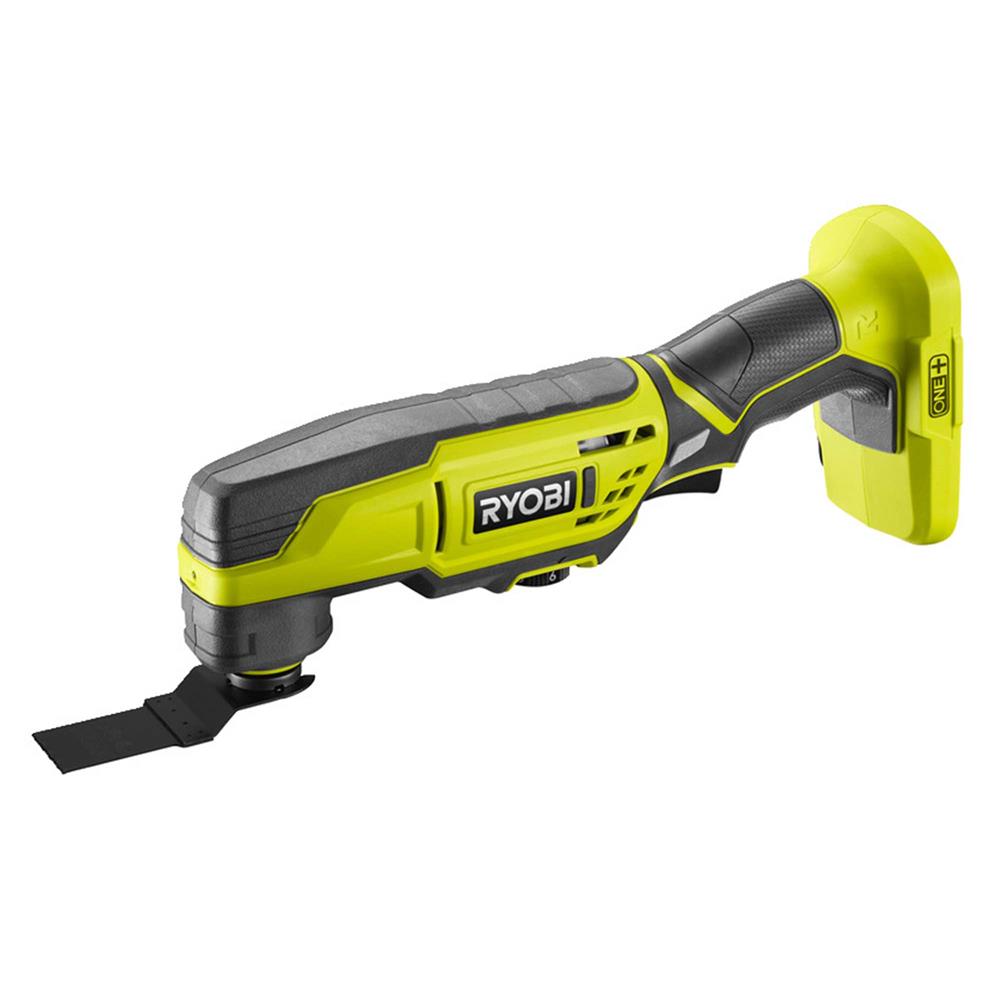
- Cutting boards, trim, pipe boxing and light framing is straightforward with the right Ryobi saws and multi tools, making them a solid choice for refurbs, home improvement tools and second-fix work.
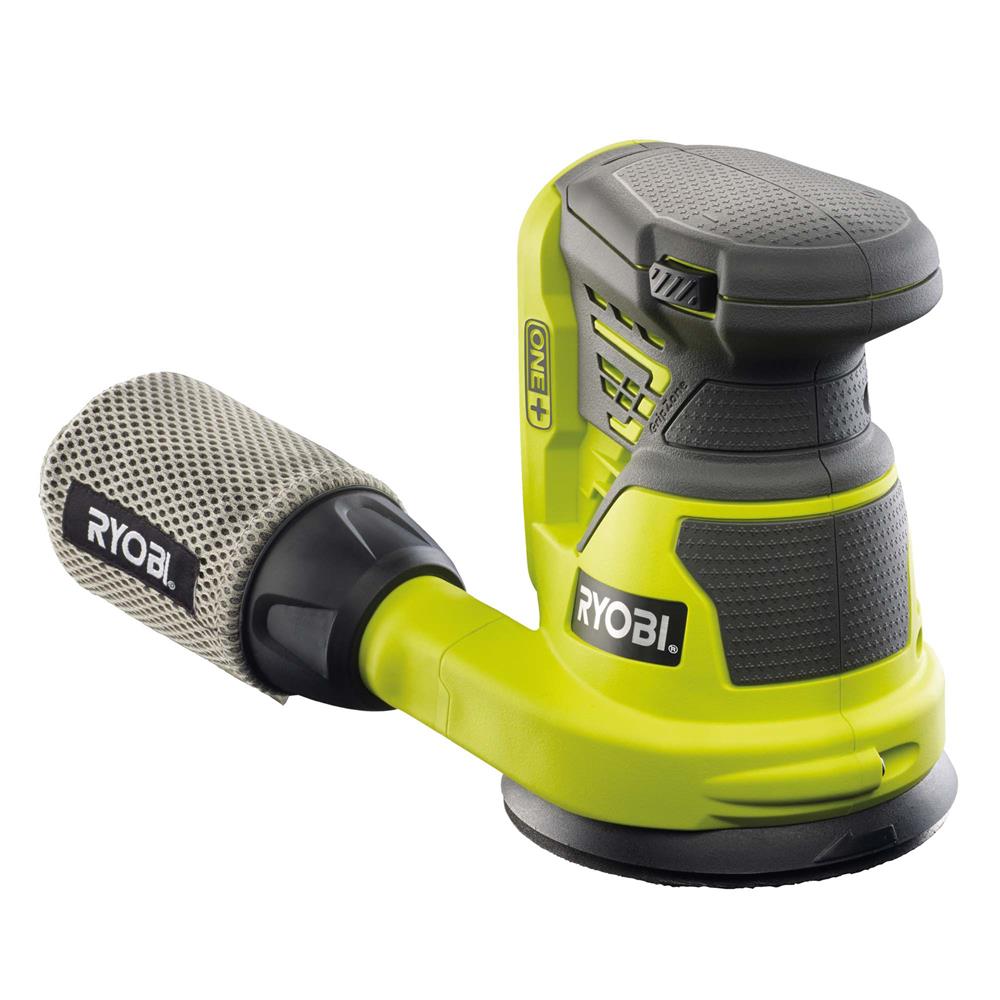
- Sanding filler, cleaning up edges and finishing painted surfaces suits decorators, kitchen fitters and maintenance teams who need manageable kit for repetitive jobs without dragging out larger corded gear.
- Handling quick repair work, flat-pack installs, shelving, curtain battens and day-to-day fixing jobs makes Ryobi tools UK a practical option for vans carrying mixed kit for mixed work.
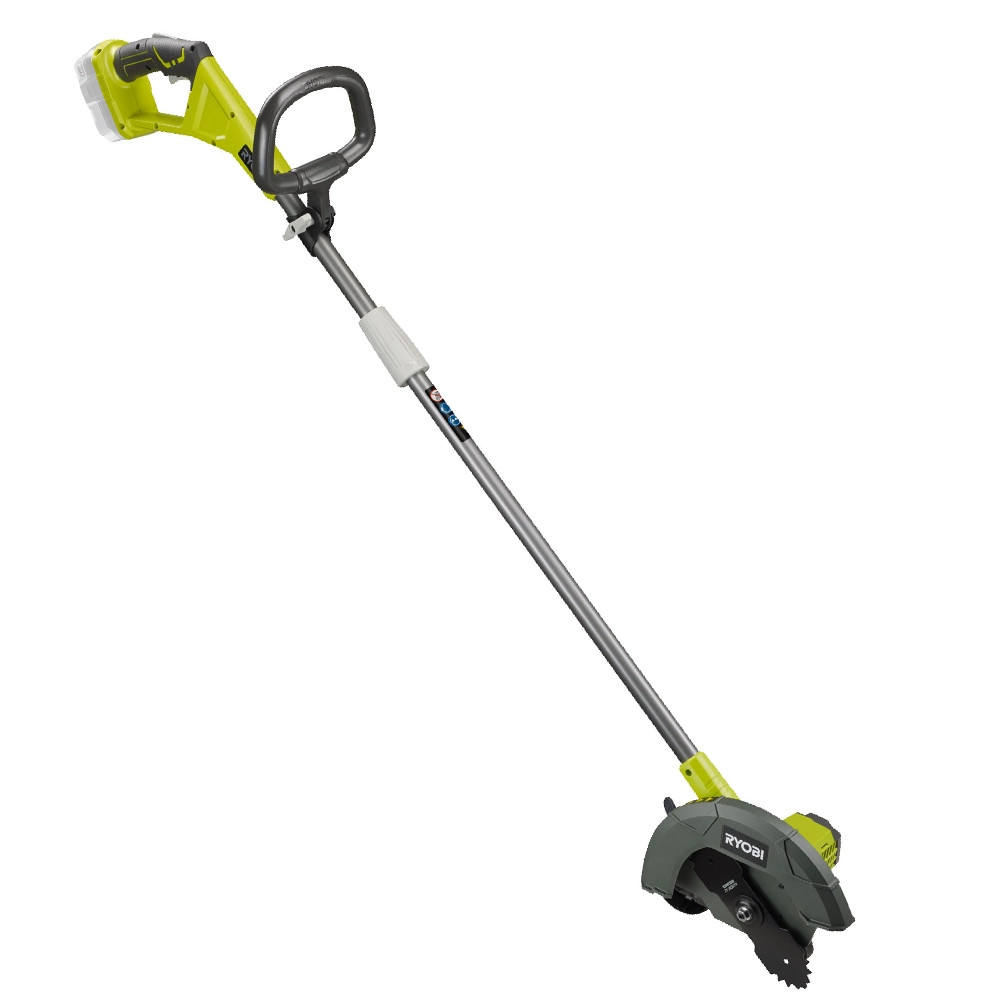
- Sorting outdoor jobs like hedge cutting, trimming back overgrowth and clearing leaves is easy when your tool range ties into Garden Power Tools on the same battery platform.
Choosing the Right Ryobi Power Tools
Match the tool to the job you actually do most. Do not buy a full stack of kit first and work it out later.
1. Start with your core jobs
If most of your work is drilling fixings, pilot holes and screws, start with combi drills and impact drivers. If you are doing more cut-in and finish work, put your money into saws, multi tools and sanders first.
2. Buy into the battery platform properly
If you are choosing Ryobi Power Tools UK for flexibility, stick to one battery system and build from there. That saves money, frees up van space and means you are not juggling chargers every time you swap tools.
3. Think about workload, not just price
If it is occasional DIY tools use, a bare tool added to batteries you already own is often enough. If the tool is out five days a week, look for the better-specced model with the grip, runtime and power to put up with regular graft.
4. Do not forget the support kit
A cheap tool is no bargain if you only have one flat battery by lunchtime. Make sure you have the right Batteries Chargers and Mounts to keep the job moving.
Who Uses These on Site?
- Maintenance teams use Ryobi Power Tools for day to day fixes, small installs and call-out work where one van needs to cover drilling, cutting, sanding and clean-up without carrying half the stores with them.
- Kitchen fitters and chippies reach for them on second-fix, boxing in and trim jobs where lighter cordless kit is easier to manage in finished rooms and tight spaces.
- Landlords, property renovators and serious DIY users swear by Ryobi cordless tools because the range stretches from core trade tools to home improvement tools and garden kit on the same battery system.
- General builders and snagging teams keep them handy for mixed-site jobs, especially when they need a drill, driver or sander fast and can pull what they need from Drills and Drivers without changing platform.
The Basics: Understanding Ryobi Power Tools
The main thing to understand with this range is the platform. Once you know how the battery system and tool types fit your work, choosing the right kit gets much simpler.
1. One battery system across more jobs
A lot of Ryobi cordless tools are built around the same battery platform, which means the battery from your drill can also run other compatible tools. On site or at home, that cuts down the cost of adding more kit.
2. Body only versus kit
Body only tools are for lads who already own batteries and chargers. Full kits make more sense if you are starting fresh and need to get working straight out the box.
3. Pick the tool type for the material
A drill driver is for general fixing, a combi is for occasional masonry, an impact driver is for repeated screws and fixings, and saws or multi tools handle cutting and trimming. Get that right first and the rest of the buying decision is easy.
Ryobi Accessories That Keep You Working
The right extras stop downtime, save repeat trips to the van and make the tools you already own more useful.
1. Spare Batteries
A spare battery is the obvious one, but it matters. If your drill dies halfway through a run of fixings or while you are up a ladder, the whole job slows down for the sake of one battery you should have packed.
2. Fast Chargers
A decent charger keeps your rotation moving, especially if you are running more than one cordless tool in a day. It is the difference between swapping batteries and standing about waiting.
3. Drill and Driver Bit Sets
Do not pair good cordless kit with worn bits. Fresh drill bits and driver bits stop cam-out, reduce wasted screws and make your drills and drivers feel far better than they do with tired accessories.
4. Blades and Sanding Sheets
Multi tools, saws and sanders are only as good as what is fitted to them. Keep spare blades and abrasive packs on hand or you will end up forcing a blunt accessory through work and making a mess of the finish.
Choose the Right Ryobi Power Tools for the Job
Use this as a quick guide before you start filling the basket.
| Your Job | Category or Type | Key Features |
|---|---|---|
| General fixing, pilot holes and day to day install work | Drill Driver or Combi Drill | Keyless chuck, variable speed, enough torque for timber and light masonry jobs |
| Driving long screws, coach screws and repeated fixings | Impact Driver | Compact body, quick bit changes, better control on repetitive fastening |
| Cutting boards, trim and sheet materials | Circular Saw or Jigsaw | Blade size to suit the cut, clear sight line, manageable weight for room to room work |
| Flush cuts, notch-outs and awkward trim jobs | Multi Tool | Tool-free accessory change, good vibration control, wide blade range |
| Outdoor maintenance and garden tidy-up | Garden and Cleaning Tools | Same battery platform, practical runtime, easy swap between site and garden jobs |
Common Buying and Usage Mistakes
- Buying the cheapest tool without checking the job first usually ends with a drill or saw that is underpowered for regular use. If the tool is for weekly graft, buy for workload not just ticket price.
- Forgetting batteries and chargers is the classic mistake. A body only bargain is no use if you cannot power it, so always check what is included before you order.
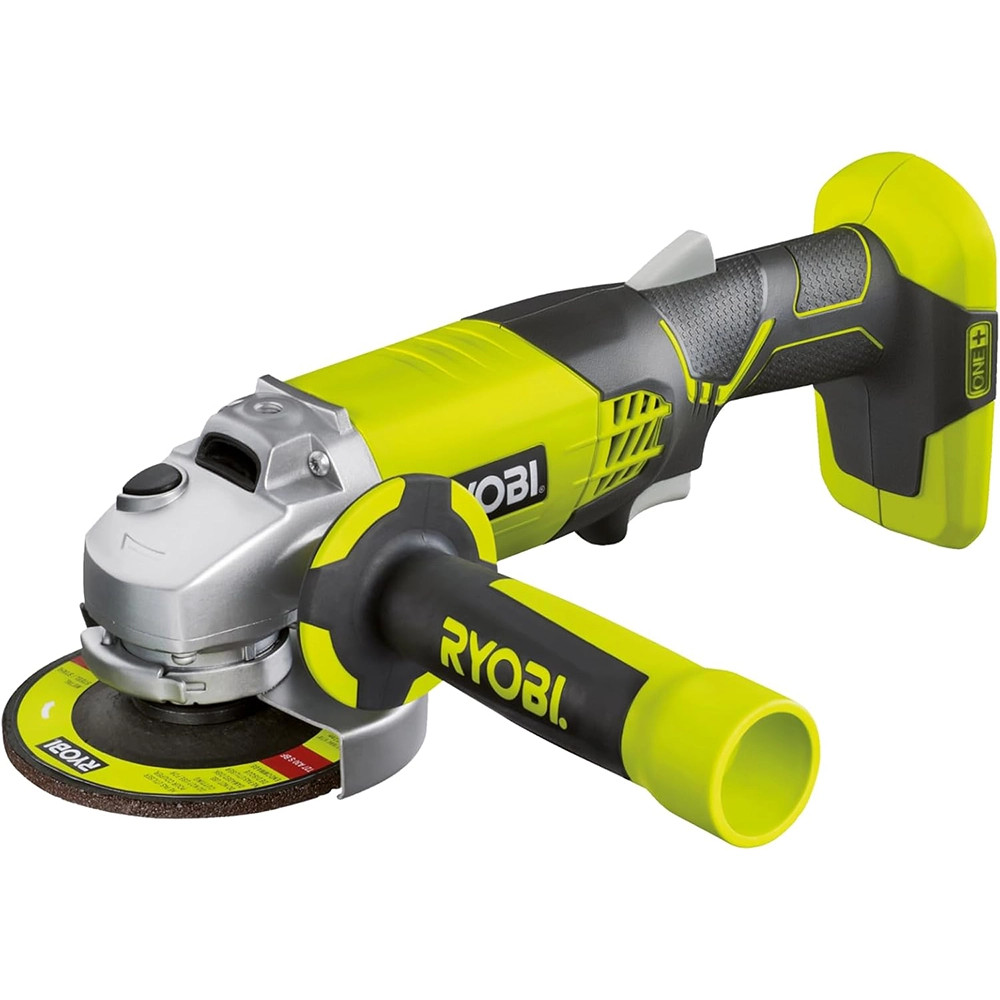
- Using the wrong accessory wastes time and damages the finish. A blunt blade, worn bit or the wrong disc makes any cordless tool feel poor, even when the tool itself is sound.
- Mixing too many systems across one van creates hassle, extra chargers and dead batteries at the wrong time. If you are buying into Ryobi, commit to the platform and keep it simple.
- Expecting one tool to cover every material is where jobs go wrong. Match the tool to timber, masonry, metal or finish work properly or you will burn time forcing the wrong kit through it.
Combi Drills vs Drill Drivers vs Impact Drivers
Combi Drill
Best when you need one tool to cover drilling, screwdriving and light hammer drilling into masonry. It is the sensible all-rounder for mixed jobs, but it is bulkier than a drill driver and not as quick on repeated screws as an impact driver.
Drill Driver
This is the cleaner option for timber, sheet materials, hinges, cabinets and general fixing where control matters more than hammer action. It is usually lighter in the hand, but it is not the right pick if you are regularly drilling masonry.
Impact Driver
The one to buy for driving long screws, structural fixings and repeated fastening work without wrecking your wrist. It is fast and compact, but it is not your main choice for neat drilled holes with a standard chuck.
Maintenance and Care
Keep the vents clear
Dust packed into motor vents shortens tool life and makes the kit run hotter. Brush or blow them out after messy cutting, sanding or drilling jobs.
Look after the batteries
Do not leave batteries loose in a cold van for weeks or run them flat and forget about them. Charge them properly, store them dry and rotate them if you use the tools often.
Change worn accessories early
A tired blade or bit puts extra strain on the tool and gives rougher results. Replace accessories when performance drops rather than forcing one more job out of them.
Wipe tools down before storage
Sealant, filler dust, wet muck and general site grime all work their way into switches and housings. A quick wipe after use keeps the kit cleaner and easier to inspect.
Repair or replace sensibly
If the issue is a chuck, blade clamp or accessory fitment, it is often worth sorting. If the tool has heavy casing damage, battery connection faults or repeated power loss, stop nursing it and replace it before it costs you time on site.
Why Shop for Ryobi Power Tools at ITS?
Whether you need one extra Ryobi sander, a fresh combi drill, or want to build out a full cordless setup from Ryobi, we stock the lot. From everyday fixing tools to garden and clean-up kit, it is all in our own warehouse, in stock and ready for next day delivery.
Ryobi Power Tools FAQs
What are Ryobi Power Tools used for?
They cover the usual run of drilling, driving, cutting, sanding, trimming and cleaning jobs you hit in property maintenance, refurbs, home improvement and general site work. They are especially handy when you want cordless convenience across a wide range without buying into a different system for every task.
Are Ryobi Power Tools compatible with Ryobi batteries?
A lot of the range is built around shared battery platforms, but do not assume every tool fits every battery without checking. The safe move is to match the tool to the stated platform before you buy, especially if you are adding body only tools to batteries you already own.
How do I choose the right ryobi power tools?
Start with the jobs you do most. If it is mainly fixings and pilot holes, buy drills and drivers first. If your work is more cut-in, trimming or finishing, look at saws, multi tools and sanders. Then make sure your battery and charger setup is enough to keep you going through the day.
Can Ryobi Power Tools be used for DIY and garden jobs?
Yes, that is one of the main reasons people buy into the range. You can cover indoor DIY tools use, repair work and home upgrades, then use the same platform for plenty of outdoor and garden jobs as well. It is a practical setup if you want one battery system doing more than one kind of work.
Are Ryobi Power Tools good enough for regular use?
For regular maintenance, installation, snagging and home renovation work, yes, they are a sensible buy. The key is being honest about workload. If the tool is in your hand every day, choose the model with the spec and runtime to suit that, rather than the cheapest one on the page.
Should I buy body only or a full kit?
Buy body only if you already own the right batteries and charger. Go for a full kit if you are starting from scratch or need to get straight to work without chasing extra parts after delivery. It sounds obvious, but plenty of people miss this and end up with a tool they cannot use.
-
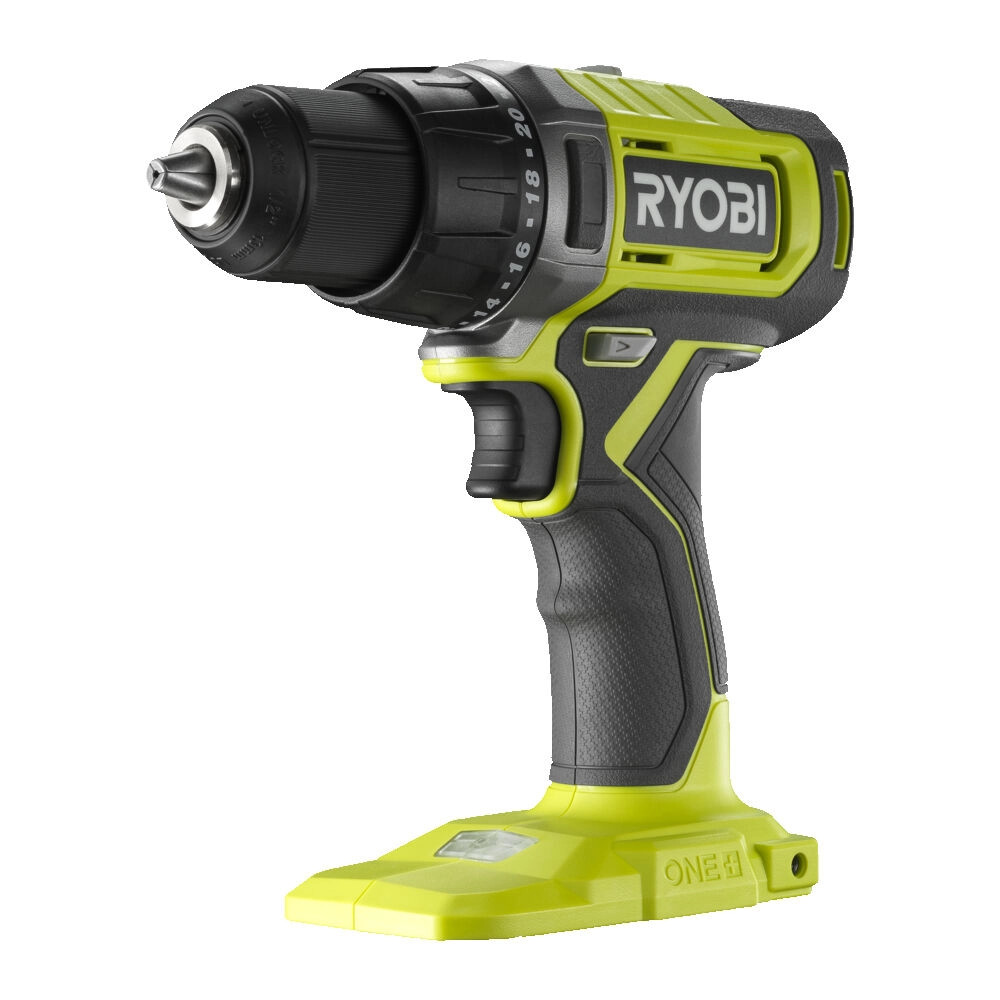
Ryobi Drills and Drivers
-
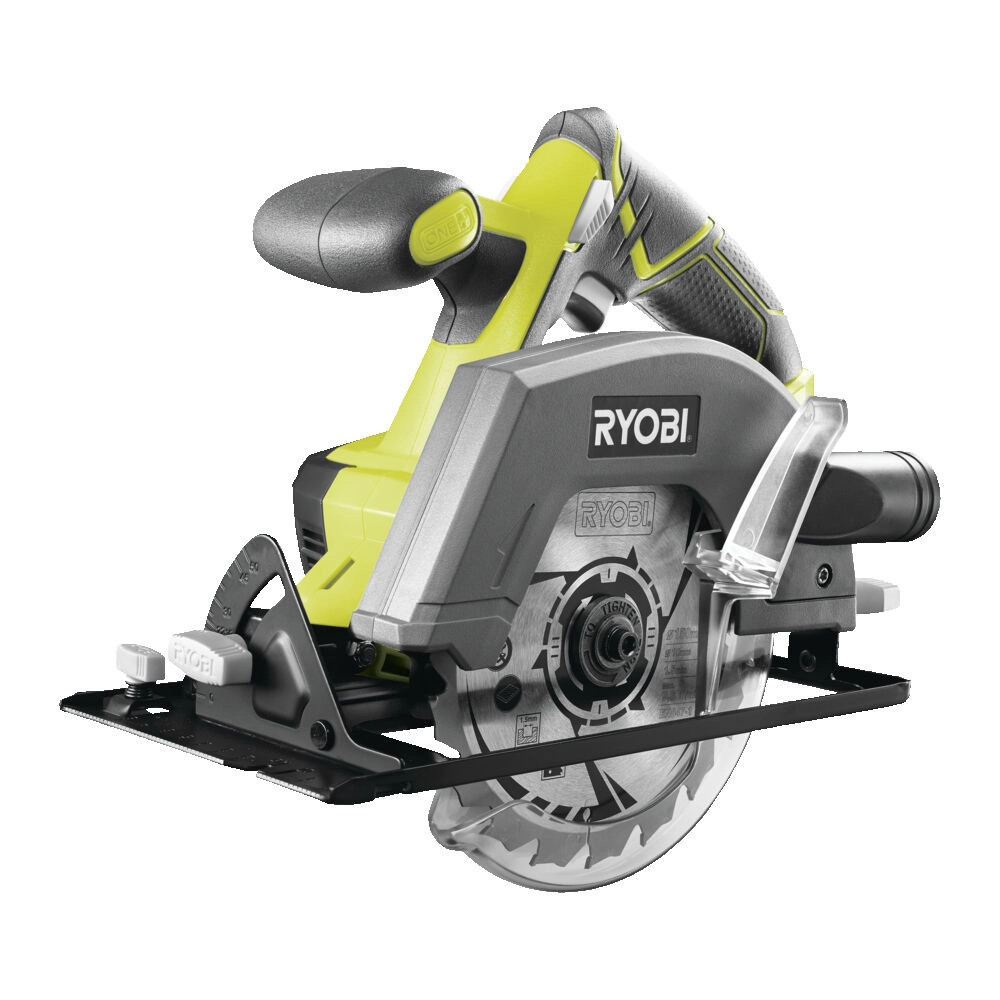
Ryobi Saws
-
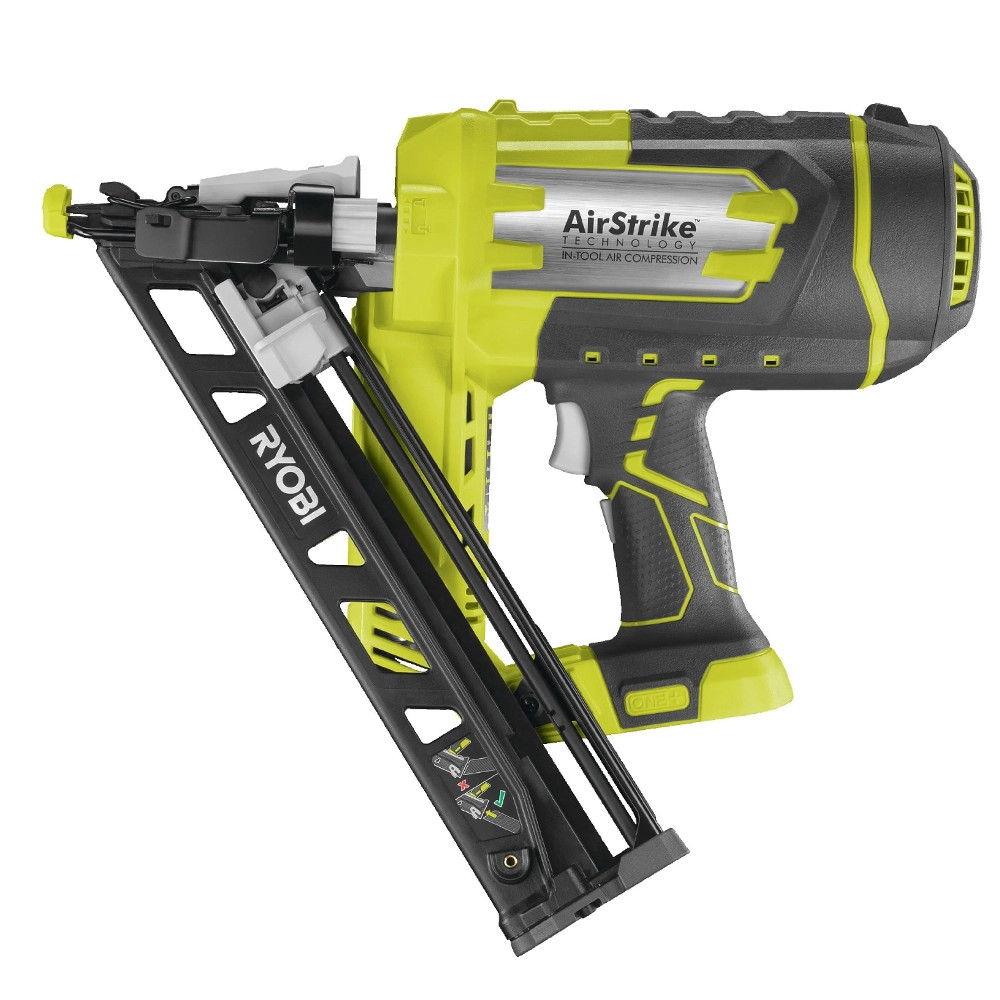
Ryobi Nail Guns
-
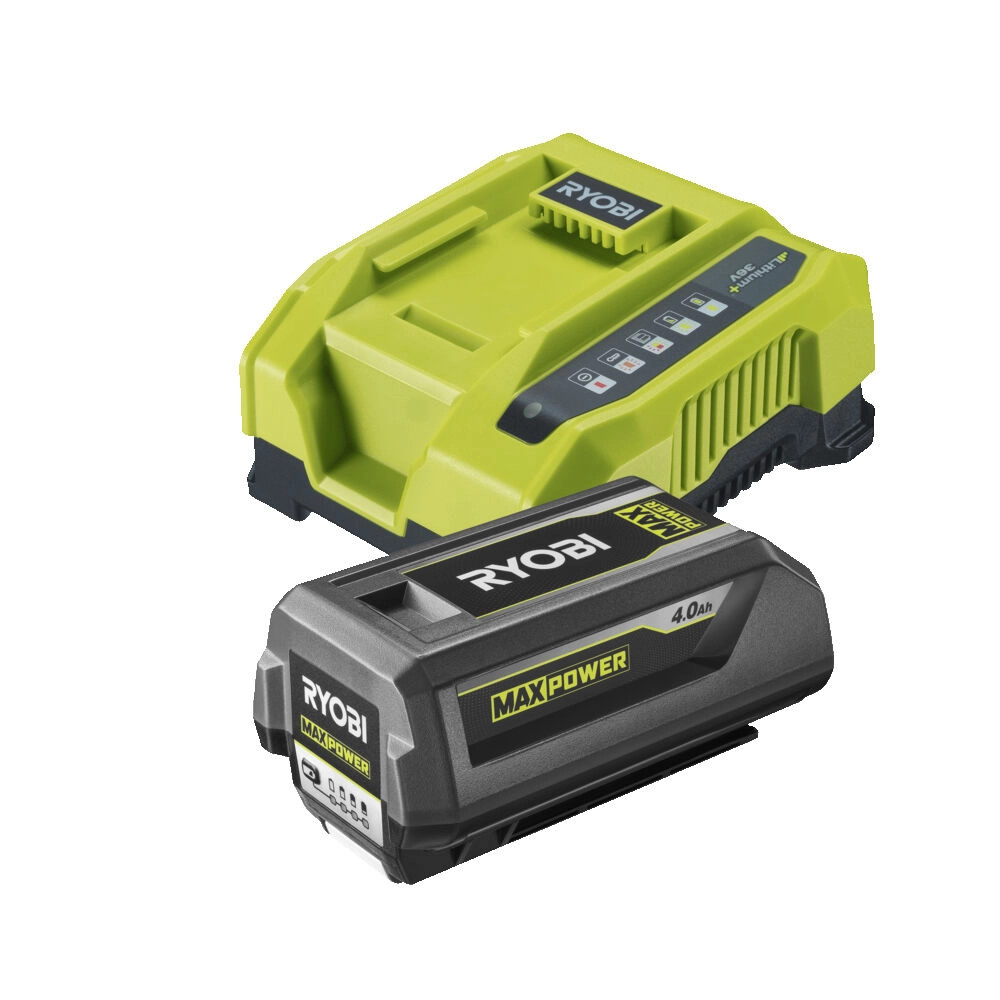
Ryobi Batteries, Chargers and Mounts
-
Ryobi Multi Tools
-
Ryobi Sanders
-
Ryobi Garden Power Tools
-
Ryobi Angle Grinders
-

Ryobi Cordless Kits
-
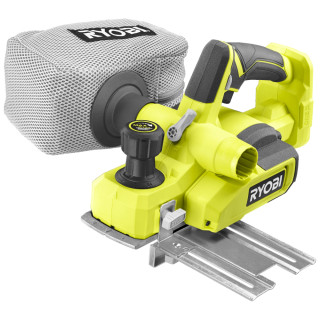
Ryobi Planers
-
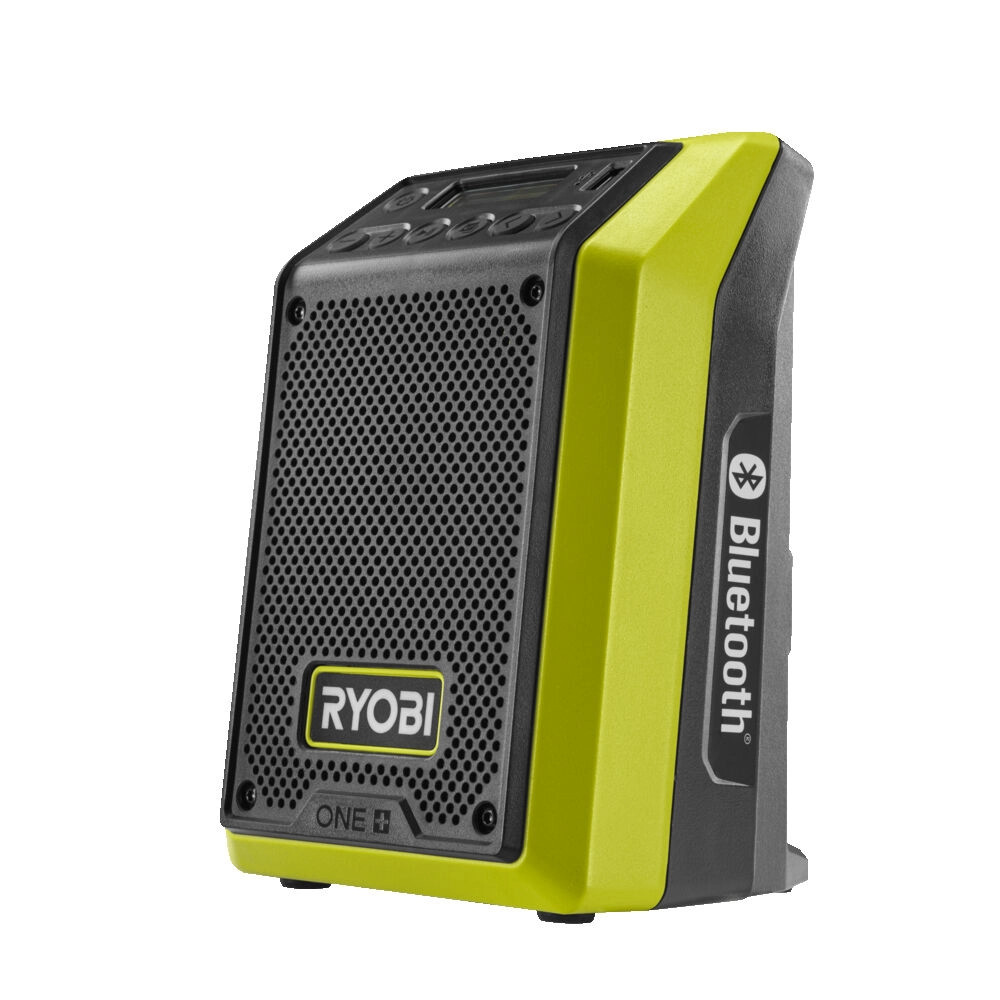
Ryobi Radios
-
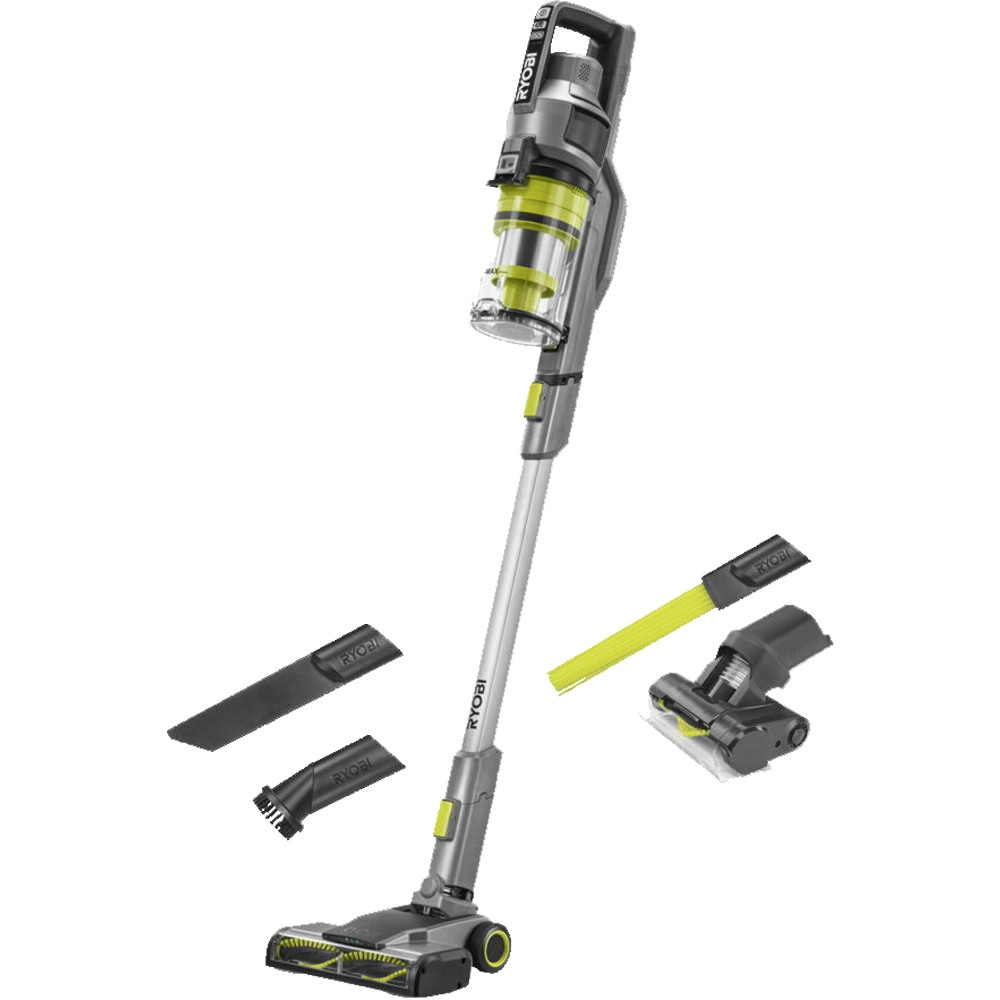
Ryobi Vacuums & Dust Extractors
-
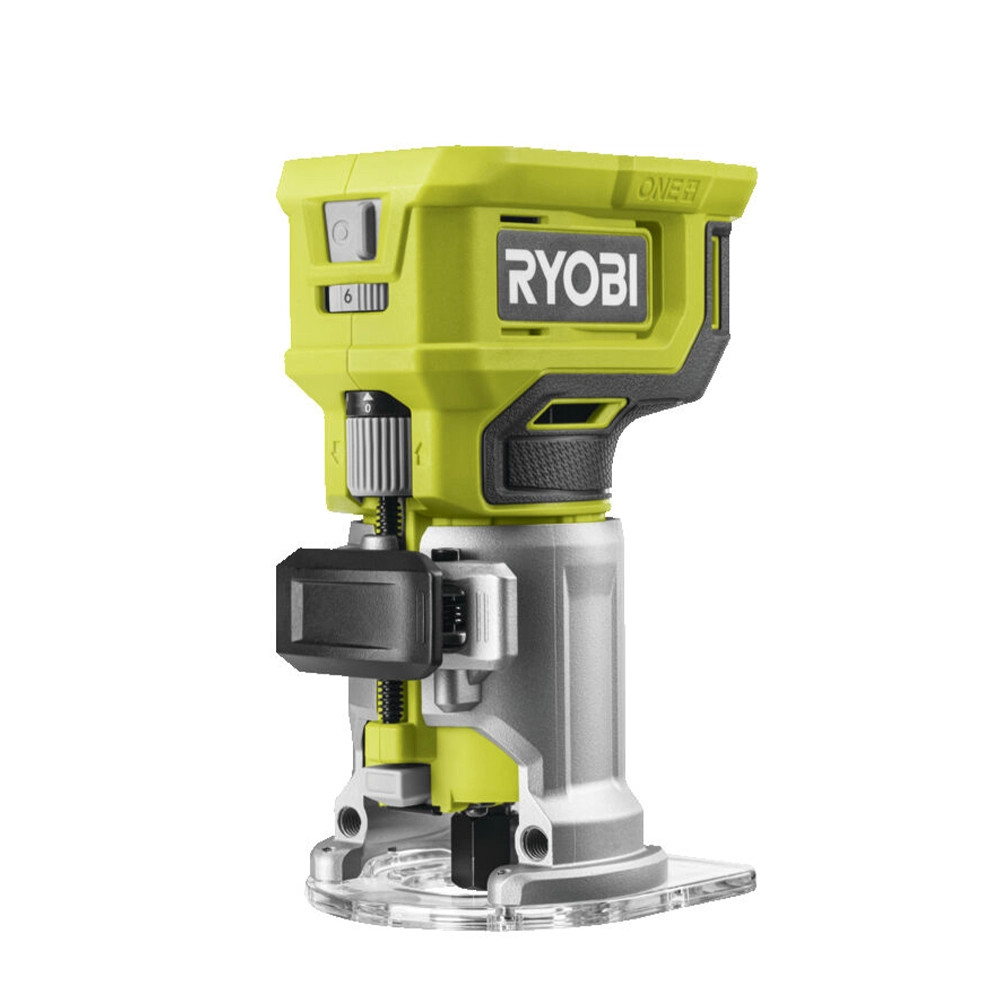
Ryobi Routers & Trimmers
-
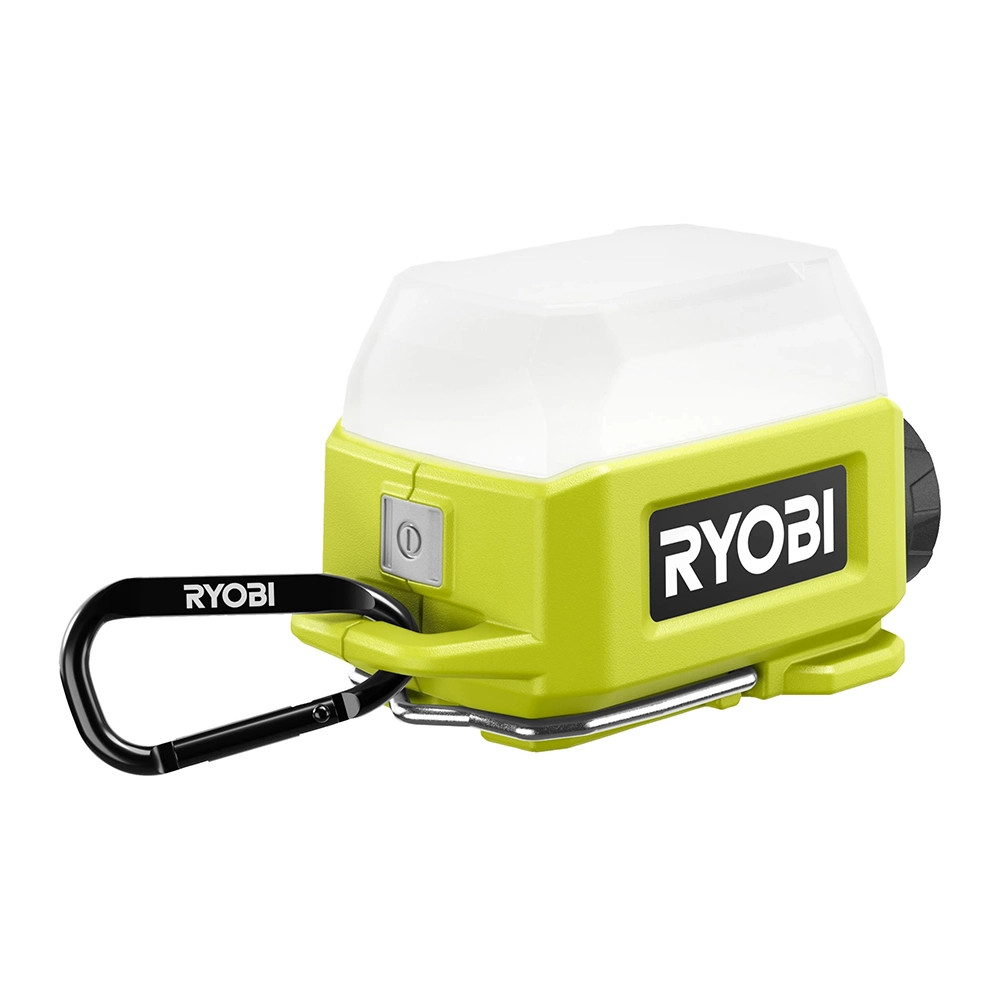
Ryobi Torches & Lighting
-
Ryobi More Power Tools
-
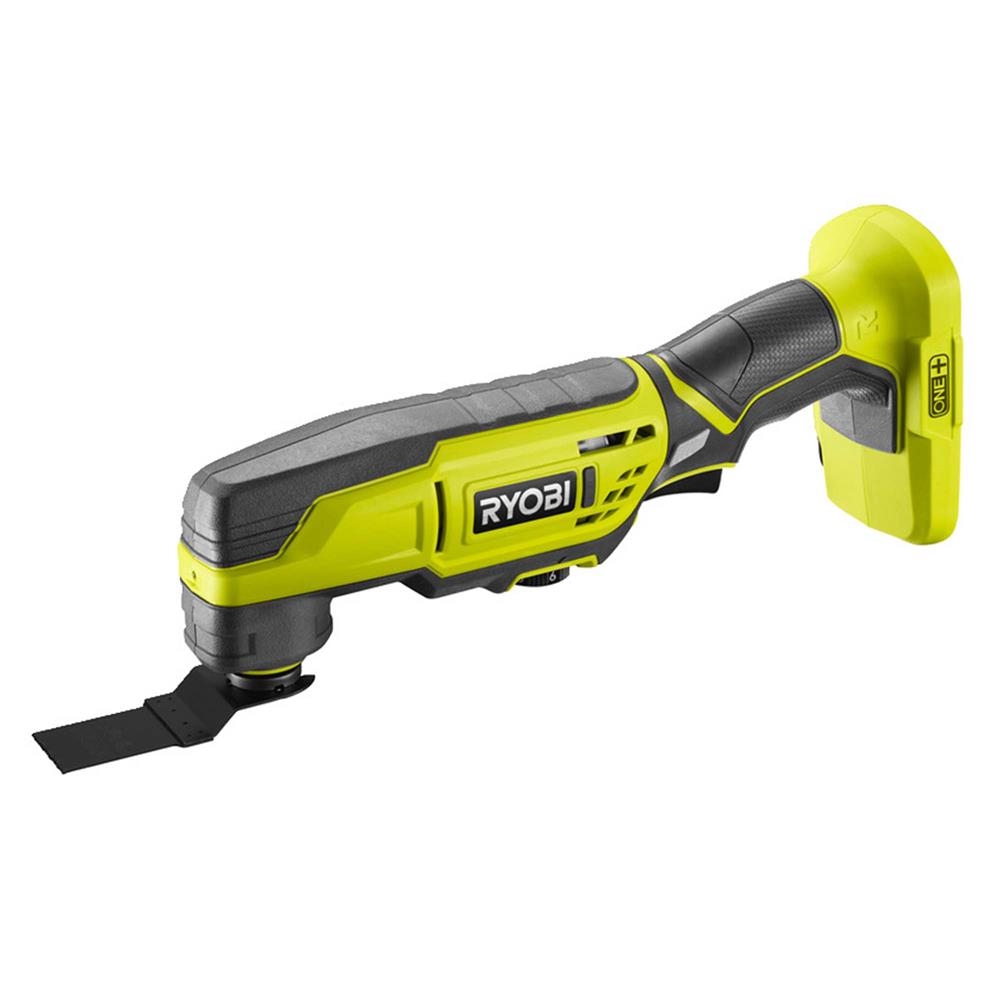
Ryobi Cordless Power Tools



