Ryobi Saws

Ryobi Saws cover the everyday cutting jobs that fill a van fast, from sheet timber and stud to trim, boards and rough garden clear-up without dragging out corded kit.

If you're cutting flooring one hour, trimming sheet the next, then knocking down timber outside, this is the sort of range that earns its keep. Ryobi Saws UK users rate them for straightforward cordless cutting across home improvement tools, DIY tools and lighter trade tools. In the wider Power Tools range, these saws suit lads already on Ryobi 18V ONE+, so you can keep site cutting tools moving with the batteries you already own. Have a proper look through the range and match the saw to the cut, not just the price.

What Are Ryobi Saws Used For?

  • Cutting sheet materials for refits and home improvement jobs is where Ryobi cordless tools make sense, especially when you need to break down ply, MDF or OSB without trailing a lead through the house.
  • Trimming stud, baton and softwood on first fix or shed builds is a common job for Ryobi Saws, giving you fast repeat cuts that are easier to manage up ladders, in gardens or out in the drive.
  • Making neat curved and detail cuts in worktops, laminate, trim and board is ideal for the lighter saws in the Ryobi power tools range, particularly when a circular saw is too blunt for the finish you need.
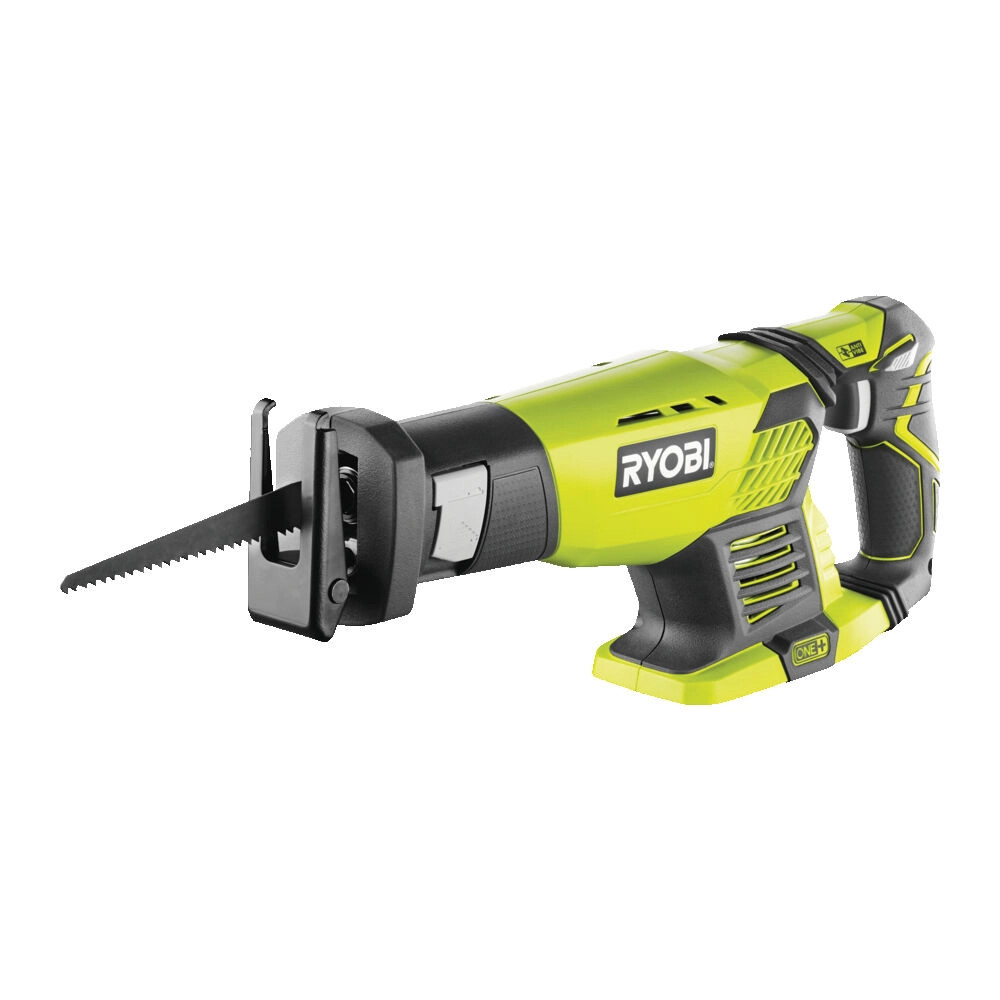
  • Sorting rough demolition cuts, pruning timber and cutting awkward material in tight spots is where reciprocating saws come into their own, saving time when a handsaw would just slow the whole job down.
  • Tackling fence repairs, decking changes and general outdoor timber work is another solid use, especially if you already run Garden Power Tools and want one battery system across the lot.

Choosing the Right Ryobi Saws

Sorting the right Ryobi saw is simple: match it to the cut, not the badge on the side.

1. Circular Saw or Jigsaw

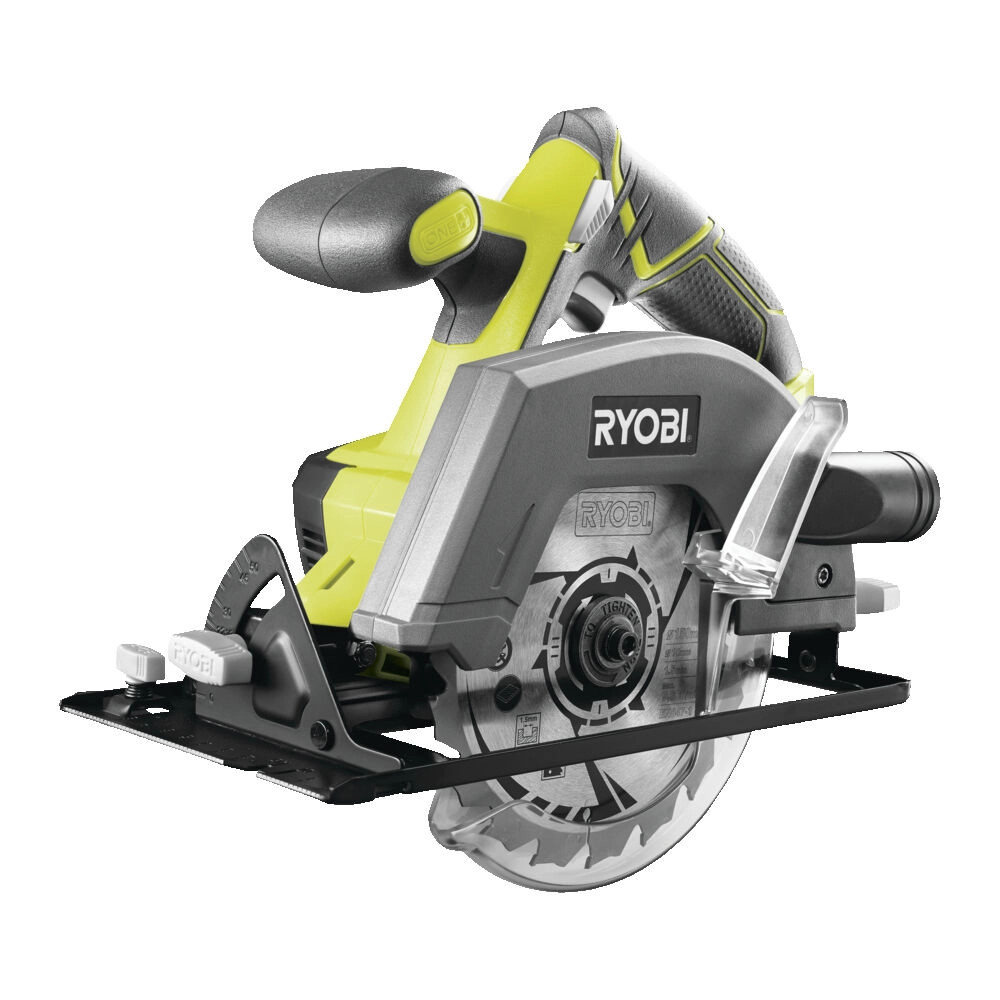
If you are straight-lining sheet material, flooring or timber lengths, go circular saw. If you are cutting curves, sink cut-outs or fiddly finish work, a jigsaw is the better shout. Do not buy a jigsaw expecting fast sheet breakdown all day.

2. Reciprocating Saw for Rough Work

If the job is demolition, pruning, old timber, nails in wood or awkward cuts in place, pick a recip saw. It is not the one for pretty finishes, but for ripping through problem material quickly it saves loads of time.

3. Battery Size Matters

If you are only doing short trim cuts, smaller batteries keep the saw lighter in hand. If you are cutting sheet or timber for longer spells, step up your battery capacity or you will spend half the day swapping packs instead of cutting.

4. Blade Availability

Check the blade type before you buy. The saw is only half the story. If you need clean timber cuts, rough site cuts and occasional metal work, make sure you can get the right blades in the van at the same time.

Who Uses These Ryobi Saws?

  • Joiners and chippies reach for Ryobi Saws for quick timber cutting, trimming sheet and knocking out snagging jobs where dragging a bigger corded saw through a finished house is just a pain.
  • Kitchen fitters use them for cutting worktop trims, panels and filler pieces, especially when they need cordless saws that move room to room without fighting for sockets.
  • Property maintenance teams and landlords keep them handy for patch repairs, floorboard access, fencing jobs and general wood cutting tools that need to work across mixed tasks in one day.
  • DIY users and serious home renovators swear by them for garage builds, stud partitions and decking repairs because the Ryobi tools UK battery platform keeps the buying simple.
  • Garden and outdoor users often pair them with kit from Ryobi for pruning, sleeper cutting and rough timber work where one cordless system saves space in the shed and van.

The Basics: Understanding Ryobi Saws

The main thing to understand is that different saw types solve different cutting problems. Pick the wrong style and the job gets slower, rougher and more awkward than it needs to be.

1. Circular Saws for Straight Cuts

A circular saw spins a blade through timber and sheet material for fast, straight cutting. It is the one for flooring, OSB, ply, stud and general board cutting where speed and a true line matter more than tight detail.

2. Jigsaws for Curves and Cut-Outs

A jigsaw moves a narrow blade up and down, which lets you turn through curved lines and cut into worktops, laminate and panels. It is slower than a circular saw, but far better for detail work and awkward shapes.

3. Reciprocating Saws for Fast Strip-Out

A recip saw drives the blade back and forth for rough cutting through timber, branches, plastic and mixed material. It is built for access, demolition and problem-solving rather than tidy finish work.

Ryobi Saw Accessories That Keep You Cutting

The right add-ons stop downtime, improve cut quality and save you making do with the wrong blade halfway through a job.

1. Spare Blades

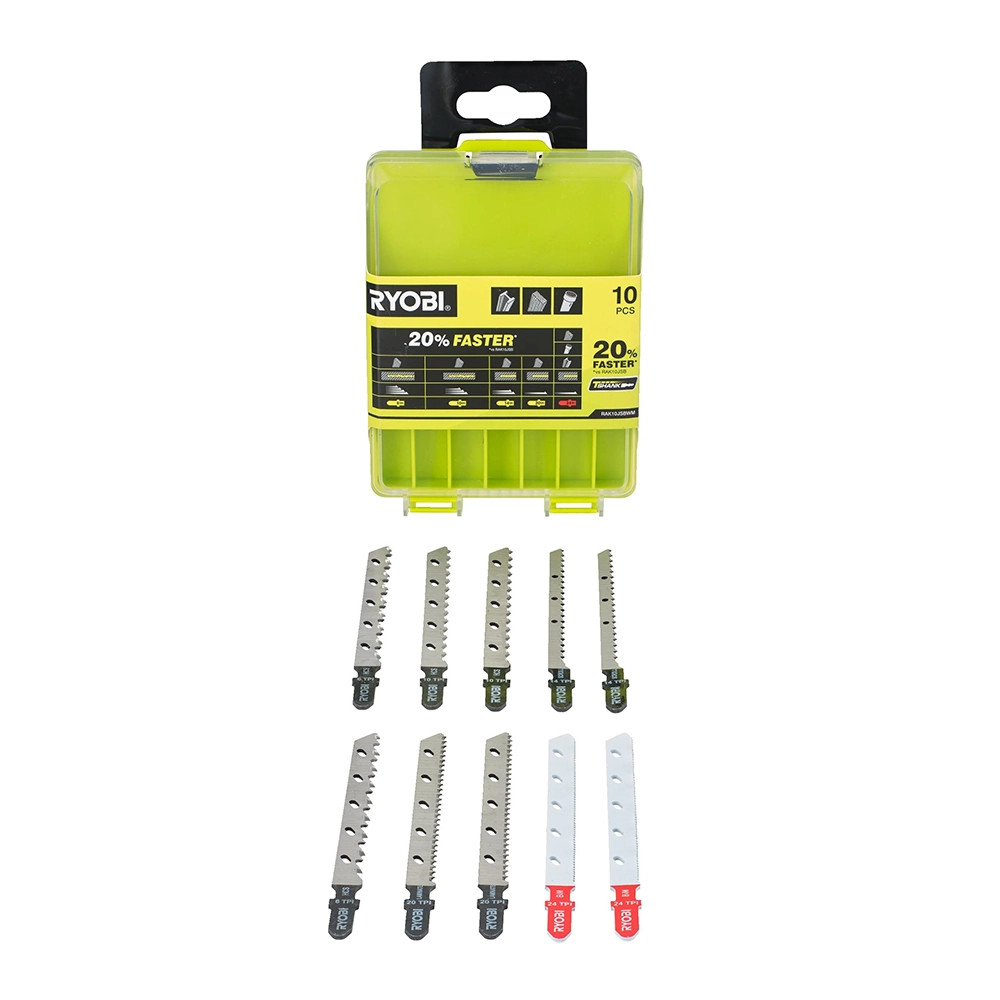
This is the obvious one, but plenty still get caught out. Keep timber blades, fine cut blades and rough demolition blades ready to go. A dull or wrong blade slows the cut, drains the battery and leaves a mess of the material.

2. Batteries Chargers and Mounts

A spare pack and proper charger setup saves you standing around waiting while the job backs up. If you are doing repeated cuts in sheet or timber, more runtime matters more than you think.

3. Straight Edges and Guides

For circular saw work, a guide rail or straight edge stops wonky cuts and wasted board. It is a simple fix that makes cordless sheet cutting far more accurate, especially if you are working alone.

Choose the Right Ryobi Saws for the Job

Use this quick guide to narrow down the right saw type.

Your Job Ryobi Saw Type Key Features
Breaking down plywood, OSB and flooring sheets Circular Saw Straight fast cuts, depth adjustment, better control on board and timber lengths
Cutting curves, sink cut-outs and trim details Jigsaw Narrow blade, tighter turning, better for finish work and shaped cuts
Strip-out work, old timber and awkward in-place cuts Reciprocating Saw Fast rough cutting, good access, handles mixed material and demolition jobs
Decking repairs, fences and outdoor timber jobs Circular Saw or Reciprocating Saw Pick circular for clean length cuts, recip for rough removals and cutting weathered timber in place
General DIY jobs across the house and garden Mixed Ryobi 18V ONE Plus Saw Range Shared battery system, cordless use, easier storage and less clutter than mixed corded kit

Common Buying and Usage Mistakes

  • Buying one saw to do every cut is the usual mistake. A circular saw will not replace a jigsaw for shaped work, and a recip saw will not give you a clean finish, so choose by job type first.
  • Using the wrong blade for the material ruins cut quality and works the tool harder than it needs to. Keep proper blades for timber, finish cuts and rough strip-out instead of trying to force one blade through everything.
  • Going too small on battery capacity sounds cheaper at first, but longer cuts through sheet and stud soon expose it. If the saw is a regular worker, buy enough runtime from the start.
  • Ignoring support kit like guides, clamps and spare packs leads to wasted board and stop-start work. A few sensible extras make cordless saws far more useful on site and at home.
  • Expecting rough-cut saws to leave a finished edge causes disappointment. If the cut will be seen, slow down, use the right blade and pick the saw built for cleaner work.

Circular Saws vs Jigsaws vs Reciprocating Saws

Circular Saws

Best for fast, straight cutting in timber and sheet goods. If you are fitting floors, cutting boards or sizing timber, this is the one. It falls short on curves and fiddly cut-outs.

Jigsaws

Best for detail, curves and internal cut-outs in panels, laminate and worktops. They are slower on long straight cuts, but much easier to control where finish and shape matter.

Reciprocating Saws

Best for demolition, pruning and awkward access cuts where speed matters more than neatness. They are not tidy, but they earn their place when old material needs shifting quickly.

Maintenance and Care

Keep the Blade Sharp

Most poor cutting gets blamed on the saw when the blade is the real issue. Swap blades as soon as they start burning timber, slowing down or tearing the finish.

Clear Dust and Chips After Use

Brush out vents, guards and shoe plates after the job. Packed dust holds moisture, affects visibility and can stop moving parts working as they should.

Check Base Plates and Guards

If the base is bent or the guard sticks, your cuts will wander and the saw becomes harder to control. Give it a quick once-over before site use, especially after being knocked about in the van.

Store Batteries Properly

Do not leave packs flat or rolling around loose with blades and fixings. Store them dry, charged and ready so the saw is not the thing holding you up next morning.

Replace Worn Blades Before the Job Gets Bigger

Trying to squeeze one more job out of a tired blade usually costs more in wasted material and slower cutting. Blades are cheap compared with ruined boards and bad finish work.

Why Shop for Ryobi Saws at ITS?

Whether you need a compact jigsaw for indoor fitting jobs, a circular saw for sheet cutting or a recip saw for rough outdoor work, we stock the full Ryobi Saws range in one place. That includes the saws, the matching batteries and the extras that keep them working properly. It is all in our own warehouse and ready for next day delivery, so you can get the right Ryobi kit on site or at home without waiting around.

Ryobi Saws FAQs

What are Ryobi Saws used for?

Ryobi Saws are used for cutting timber, sheet material, laminate, trim and rough outdoor materials depending on the saw type. Circular saws are the usual pick for straight cuts in boards and stud, jigsaws handle curves and cut-outs, and recip saws are better for strip-out, pruning and awkward access work.

Are Ryobi Saws compatible with Ryobi batteries?

Yes, Ryobi Saws in the ONE Plus platform are built to work with the same 18V battery system. That is one of the main reasons people buy into them. Just check the exact model is part of the 18V range, then you can share packs across saws and other Ryobi cordless tools.

How do I choose the right ryobi saws?

Start with the cut you make most often. For straight board and timber cuts, buy a circular saw. For curves and neat cut-outs, get a jigsaw. For demolition, pruning and rough access cuts, go reciprocating saw. After that, check battery runtime, blade availability and whether you need a body only saw or a full kit.

Can Ryobi Saws be used for DIY and garden jobs?

Yes, that is where a lot of them get used. They are handy for decking repairs, shed builds, fence work, pruning timber, shelving, flooring and general home improvement jobs. The cordless setup makes them especially useful around gardens and outside spaces where power is awkward.

Are Ryobi Saws good enough for regular trade use?

For lighter trade, maintenance and snagging work, yes, they do the job well. If you are hammering a saw all day every day on heavy site work, you may want to compare runtime and output against higher-end trade-only platforms. For mixed use, punch-list work and van-based jobs, they make good sense.

Do I need to buy batteries and chargers separately?

Sometimes yes, sometimes no. Body only models are ideal if you already own Ryobi 18V ONE Plus kit. If you are starting from scratch, a kit with battery and charger is usually the easier route. Check the listing properly so you are not caught short when the saw arrives.
Read more

Ryobi Saws

Ryobi Saws cover the everyday cutting jobs that fill a van fast, from sheet timber and stud to trim, boards and rough garden clear-up without dragging out corded kit.

If you're cutting flooring one hour, trimming sheet the next, then knocking down timber outside, this is the sort of range that earns its keep. Ryobi Saws UK users rate them for straightforward cordless cutting across home improvement tools, DIY tools and lighter trade tools. In the wider Power Tools range, these saws suit lads already on Ryobi 18V ONE+, so you can keep site cutting tools moving with the batteries you already own. Have a proper look through the range and match the saw to the cut, not just the price.

What Are Ryobi Saws Used For?

  • Cutting sheet materials for refits and home improvement jobs is where Ryobi cordless tools make sense, especially when you need to break down ply, MDF or OSB without trailing a lead through the house.
  • Trimming stud, baton and softwood on first fix or shed builds is a common job for Ryobi Saws, giving you fast repeat cuts that are easier to manage up ladders, in gardens or out in the drive.
  • Making neat curved and detail cuts in worktops, laminate, trim and board is ideal for the lighter saws in the Ryobi power tools range, particularly when a circular saw is too blunt for the finish you need.
  • Sorting rough demolition cuts, pruning timber and cutting awkward material in tight spots is where reciprocating saws come into their own, saving time when a handsaw would just slow the whole job down.
  • Tackling fence repairs, decking changes and general outdoor timber work is another solid use, especially if you already run Garden Power Tools and want one battery system across the lot.

Choosing the Right Ryobi Saws

Sorting the right Ryobi saw is simple: match it to the cut, not the badge on the side.

1. Circular Saw or Jigsaw

If you are straight-lining sheet material, flooring or timber lengths, go circular saw. If you are cutting curves, sink cut-outs or fiddly finish work, a jigsaw is the better shout. Do not buy a jigsaw expecting fast sheet breakdown all day.

2. Reciprocating Saw for Rough Work

If the job is demolition, pruning, old timber, nails in wood or awkward cuts in place, pick a recip saw. It is not the one for pretty finishes, but for ripping through problem material quickly it saves loads of time.

3. Battery Size Matters

If you are only doing short trim cuts, smaller batteries keep the saw lighter in hand. If you are cutting sheet or timber for longer spells, step up your battery capacity or you will spend half the day swapping packs instead of cutting.

4. Blade Availability

Check the blade type before you buy. The saw is only half the story. If you need clean timber cuts, rough site cuts and occasional metal work, make sure you can get the right blades in the van at the same time.

Who Uses These Ryobi Saws?

  • Joiners and chippies reach for Ryobi Saws for quick timber cutting, trimming sheet and knocking out snagging jobs where dragging a bigger corded saw through a finished house is just a pain.
  • Kitchen fitters use them for cutting worktop trims, panels and filler pieces, especially when they need cordless saws that move room to room without fighting for sockets.
  • Property maintenance teams and landlords keep them handy for patch repairs, floorboard access, fencing jobs and general wood cutting tools that need to work across mixed tasks in one day.
  • DIY users and serious home renovators swear by them for garage builds, stud partitions and decking repairs because the Ryobi tools UK battery platform keeps the buying simple.
  • Garden and outdoor users often pair them with kit from Ryobi for pruning, sleeper cutting and rough timber work where one cordless system saves space in the shed and van.

The Basics: Understanding Ryobi Saws

The main thing to understand is that different saw types solve different cutting problems. Pick the wrong style and the job gets slower, rougher and more awkward than it needs to be.

1. Circular Saws for Straight Cuts

A circular saw spins a blade through timber and sheet material for fast, straight cutting. It is the one for flooring, OSB, ply, stud and general board cutting where speed and a true line matter more than tight detail.

2. Jigsaws for Curves and Cut-Outs

A jigsaw moves a narrow blade up and down, which lets you turn through curved lines and cut into worktops, laminate and panels. It is slower than a circular saw, but far better for detail work and awkward shapes.

3. Reciprocating Saws for Fast Strip-Out

A recip saw drives the blade back and forth for rough cutting through timber, branches, plastic and mixed material. It is built for access, demolition and problem-solving rather than tidy finish work.

Ryobi Saw Accessories That Keep You Cutting

The right add-ons stop downtime, improve cut quality and save you making do with the wrong blade halfway through a job.

1. Spare Blades

This is the obvious one, but plenty still get caught out. Keep timber blades, fine cut blades and rough demolition blades ready to go. A dull or wrong blade slows the cut, drains the battery and leaves a mess of the material.

2. Batteries Chargers and Mounts

A spare pack and proper charger setup saves you standing around waiting while the job backs up. If you are doing repeated cuts in sheet or timber, more runtime matters more than you think.

3. Straight Edges and Guides

For circular saw work, a guide rail or straight edge stops wonky cuts and wasted board. It is a simple fix that makes cordless sheet cutting far more accurate, especially if you are working alone.

Choose the Right Ryobi Saws for the Job

Use this quick guide to narrow down the right saw type.

Your Job Ryobi Saw Type Key Features
Breaking down plywood, OSB and flooring sheets Circular Saw Straight fast cuts, depth adjustment, better control on board and timber lengths
Cutting curves, sink cut-outs and trim details Jigsaw Narrow blade, tighter turning, better for finish work and shaped cuts
Strip-out work, old timber and awkward in-place cuts Reciprocating Saw Fast rough cutting, good access, handles mixed material and demolition jobs
Decking repairs, fences and outdoor timber jobs Circular Saw or Reciprocating Saw Pick circular for clean length cuts, recip for rough removals and cutting weathered timber in place
General DIY jobs across the house and garden Mixed Ryobi 18V ONE Plus Saw Range Shared battery system, cordless use, easier storage and less clutter than mixed corded kit

Common Buying and Usage Mistakes

  • Buying one saw to do every cut is the usual mistake. A circular saw will not replace a jigsaw for shaped work, and a recip saw will not give you a clean finish, so choose by job type first.
  • Using the wrong blade for the material ruins cut quality and works the tool harder than it needs to. Keep proper blades for timber, finish cuts and rough strip-out instead of trying to force one blade through everything.
  • Going too small on battery capacity sounds cheaper at first, but longer cuts through sheet and stud soon expose it. If the saw is a regular worker, buy enough runtime from the start.
  • Ignoring support kit like guides, clamps and spare packs leads to wasted board and stop-start work. A few sensible extras make cordless saws far more useful on site and at home.
  • Expecting rough-cut saws to leave a finished edge causes disappointment. If the cut will be seen, slow down, use the right blade and pick the saw built for cleaner work.

Circular Saws vs Jigsaws vs Reciprocating Saws

Circular Saws

Best for fast, straight cutting in timber and sheet goods. If you are fitting floors, cutting boards or sizing timber, this is the one. It falls short on curves and fiddly cut-outs.

Jigsaws

Best for detail, curves and internal cut-outs in panels, laminate and worktops. They are slower on long straight cuts, but much easier to control where finish and shape matter.

Reciprocating Saws

Best for demolition, pruning and awkward access cuts where speed matters more than neatness. They are not tidy, but they earn their place when old material needs shifting quickly.

Maintenance and Care

Keep the Blade Sharp

Most poor cutting gets blamed on the saw when the blade is the real issue. Swap blades as soon as they start burning timber, slowing down or tearing the finish.

Clear Dust and Chips After Use

Brush out vents, guards and shoe plates after the job. Packed dust holds moisture, affects visibility and can stop moving parts working as they should.

Check Base Plates and Guards

If the base is bent or the guard sticks, your cuts will wander and the saw becomes harder to control. Give it a quick once-over before site use, especially after being knocked about in the van.

Store Batteries Properly

Do not leave packs flat or rolling around loose with blades and fixings. Store them dry, charged and ready so the saw is not the thing holding you up next morning.

Replace Worn Blades Before the Job Gets Bigger

Trying to squeeze one more job out of a tired blade usually costs more in wasted material and slower cutting. Blades are cheap compared with ruined boards and bad finish work.

Why Shop for Ryobi Saws at ITS?

Whether you need a compact jigsaw for indoor fitting jobs, a circular saw for sheet cutting or a recip saw for rough outdoor work, we stock the full Ryobi Saws range in one place. That includes the saws, the matching batteries and the extras that keep them working properly. It is all in our own warehouse and ready for next day delivery, so you can get the right Ryobi kit on site or at home without waiting around.

Ryobi Saws FAQs

What are Ryobi Saws used for?

Ryobi Saws are used for cutting timber, sheet material, laminate, trim and rough outdoor materials depending on the saw type. Circular saws are the usual pick for straight cuts in boards and stud, jigsaws handle curves and cut-outs, and recip saws are better for strip-out, pruning and awkward access work.

Are Ryobi Saws compatible with Ryobi batteries?

Yes, Ryobi Saws in the ONE Plus platform are built to work with the same 18V battery system. That is one of the main reasons people buy into them. Just check the exact model is part of the 18V range, then you can share packs across saws and other Ryobi cordless tools.

How do I choose the right ryobi saws?

Start with the cut you make most often. For straight board and timber cuts, buy a circular saw. For curves and neat cut-outs, get a jigsaw. For demolition, pruning and rough access cuts, go reciprocating saw. After that, check battery runtime, blade availability and whether you need a body only saw or a full kit.

Can Ryobi Saws be used for DIY and garden jobs?

Yes, that is where a lot of them get used. They are handy for decking repairs, shed builds, fence work, pruning timber, shelving, flooring and general home improvement jobs. The cordless setup makes them especially useful around gardens and outside spaces where power is awkward.

Are Ryobi Saws good enough for regular trade use?

For lighter trade, maintenance and snagging work, yes, they do the job well. If you are hammering a saw all day every day on heavy site work, you may want to compare runtime and output against higher-end trade-only platforms. For mixed use, punch-list work and van-based jobs, they make good sense.

Do I need to buy batteries and chargers separately?

Sometimes yes, sometimes no. Body only models are ideal if you already own Ryobi 18V ONE Plus kit. If you are starting from scratch, a kit with battery and charger is usually the easier route. Check the listing properly so you are not caught short when the saw arrives.
ITS Click and Collect Icon
What3Words:
Get Directions
Store Opening Hours
Opening times