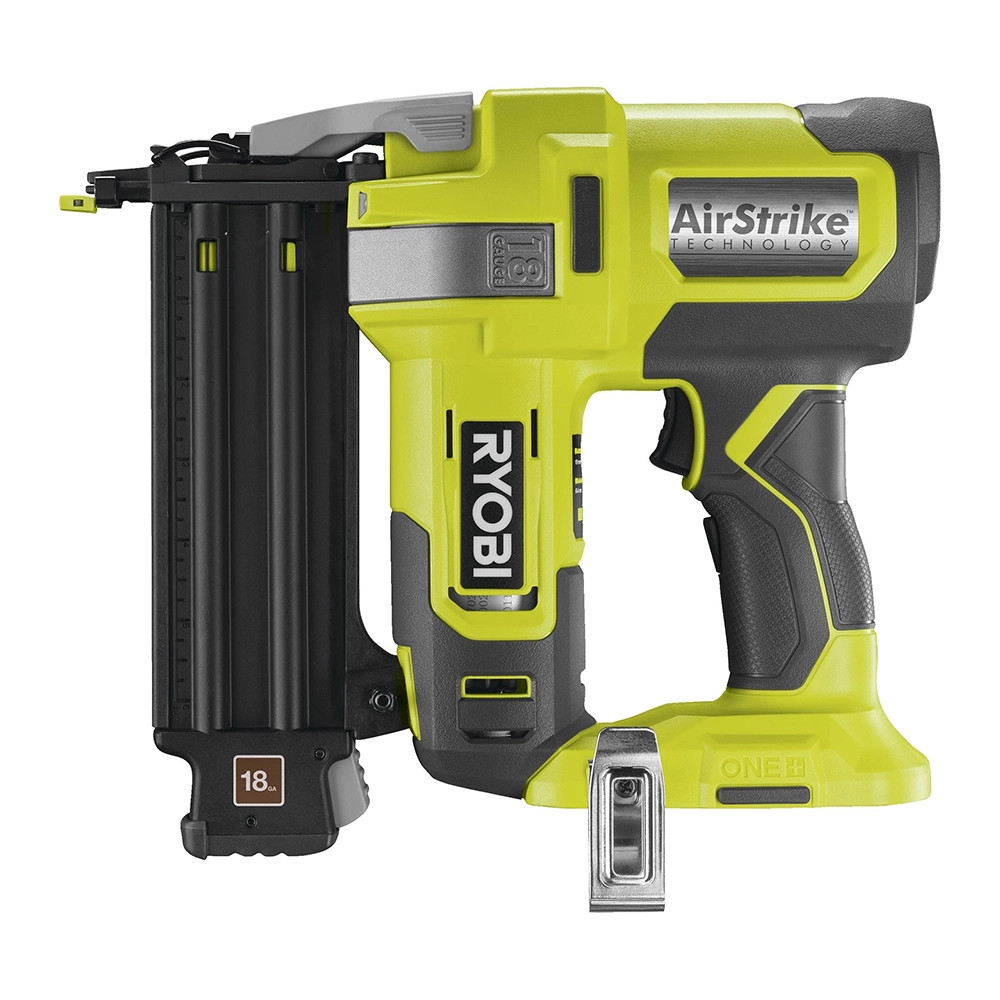
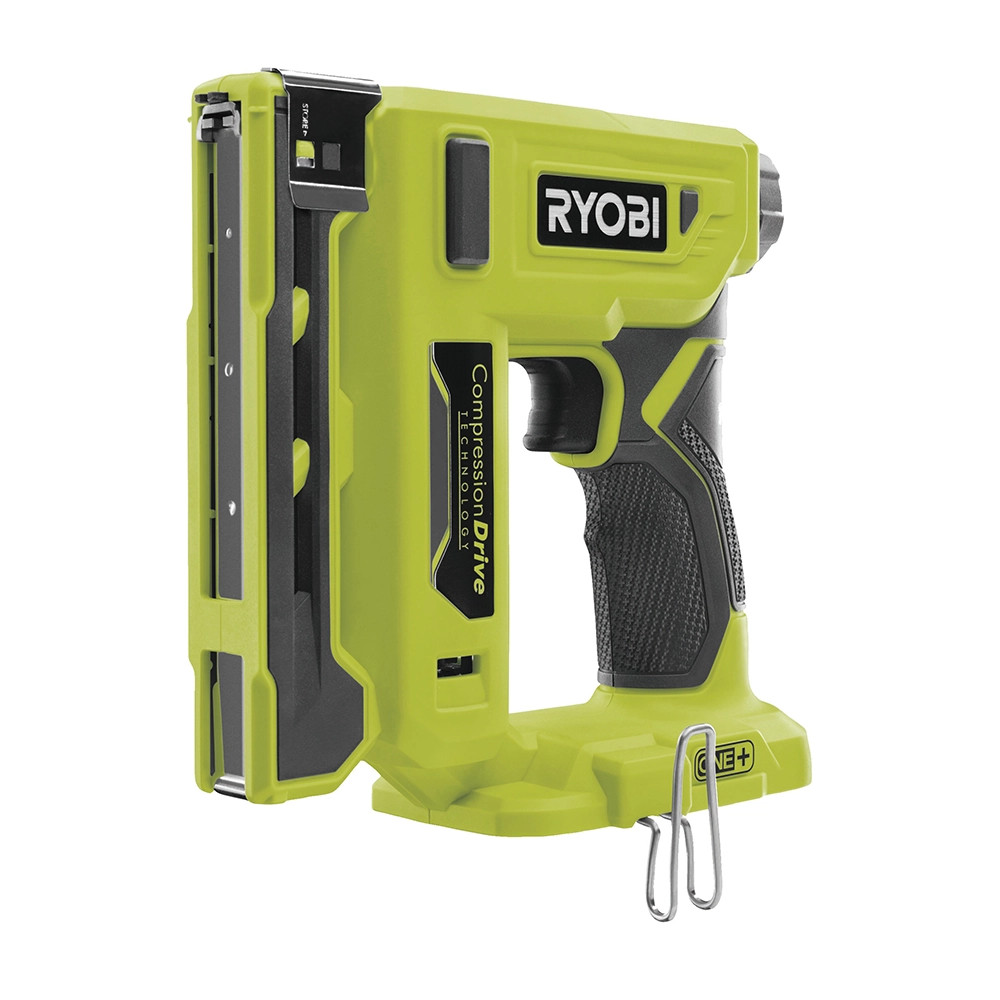
Ryobi Nail Guns
Ryobi Nail Guns save time on trim, panelling and light framing, giving you fast cordless fixing without dragging hoses, compressors or leads round the job.
If you're fixing skirting in a refurb, pinning trims in a kitchen fit, or sorting timber jobs in the workshop, Ryobi Nail Guns are the sensible shout. They suit trades and serious home improvers who already run Ryobi 18V ONE+, and they make far less mess and noise than old airline setups. For anyone building out a proper kit of Power Tools, these cordless nail guns are a handy way to speed up repetitive fixing jobs without overcomplicating things.
What Are Ryobi Nail Guns Used For?
- Fitting skirting, architrave and door linings on second fix jobs is where Ryobi Nail Guns really earn their keep, especially when you want clean, quick fixing without hauling a compressor through a finished house.
- Installing timber trims, beading and mouldings in kitchens, bedrooms and hallways is much faster with cordless nail guns, particularly when you are moving room to room and only need the tool and a battery.
- Fixing fence panels, shed linings and lighter outdoor timber jobs around the garden is easier when you are already running Garden Power Tools on the same platform and do not want more kit in the van.
- Building storage, boxing-in pipework, utility room frames and workshop projects suits Ryobi Nail Guns UK buyers who want fast repeat fixing with less marking up and less faff than screws.
- Snagging off DIY tools and home improvement tools jobs like panelling walls, fixing decorative trim and tidying joinery details is exactly the sort of work these fixing tools are built for.
Choosing the Right Ryobi Nail Guns
Sorting the right one is simple: match the nailer to the fixing job, not the other way round.
1. Second Fix or Heavier Timber Work
If you are fixing skirting, architrave, beading and finer trim, go for a second fix style nailer that leaves a neater finish. If the job is more about heavier timber sections or rougher fixing, step up to a model built for larger nails and more holding power.
2. Battery Platform Matters
If you already own Ryobi cordless tools, stay on the same platform and save yourself money. A nail gun that runs on batteries you already have is a much better buy than starting from scratch for one tool.
3. Think About Where You Are Working
If you are working in finished rooms, upstairs, or moving through occupied properties, cordless nail guns make far more sense than air tools. Less setup, less trailing gear, and fewer chances to mark walls or catch leads on finished work.
4. Body Only or Full Kit
If you are already on the ONE plus platform, a body only tool is usually the sensible buy. If not, check what you need from Batteries Chargers and Mounts before you get caught short on the first job.
Who Uses These Ryobi Nail Guns?
- Chippies and kitchen fitters use them for second fix nailers work, where moving quickly through skirting, trims and facings matters more than dragging an airline round every room.
- Maintenance teams and property refurb crews keep one handy for boxing-in, panel repairs and tidy-up joinery jobs, especially in occupied homes where noise and setup want keeping down.
- Landlords, handymen and serious home improvers reach for Ryobi Nail Guns when they want proper cordless fixing on shelves, sheds, fencing and trim without buying into a separate air system.
- Anyone already using Ryobi kit tends to swear by these because the shared battery platform keeps costs down and makes the nailer an easy add-on rather than another standalone tool.
The Basics: Understanding Ryobi Nail Guns
These save time by driving nails straight in without the usual airline and compressor setup. The main thing is picking the right style for the finish you need and the material you are fixing into.
1. Brad Nailers for Finer Joinery
This is the one for trim, moulding, beading and neat second fix work. They leave a smaller hole, so you spend less time filling and get a cleaner finish on painted or finished timber.
2. Finish Nailers for More Hold
If the material is thicker or needs more grip, a finish nailer gives you a stronger fixing than a light brad. It suits heavier trim, door casings and timber sections that need to stay put while adhesive cures.
3. Cordless Matters on Real Jobs
The big advantage with Ryobi Nail Guns UK users notice straight away is setup time. Grab the tool, load nails, fit the battery and crack on. No hose, no compressor noise, and no walking back to move gear every time you change room.
Accessories That Keep Your Ryobi Nail Gun Working
A few sensible extras stop downtime and keep your fixing work moving properly.
1. Spare Batteries
A spare battery is the obvious one. Do not get halfway through a full run of skirting or fence repairs and end up waiting on charge when the room is ready to finish.
2. Correct Nail Packs
Keep the right gauge and length nails in the van for the work you actually do. Using the wrong fixings is the quickest way to get poor hold, proud nails or extra filling on second fix jobs.
3. Charger
A proper charger keeps turnaround quick, especially if the nail gun is part of a wider site kit. It saves the usual hassle of robbing chargers from other tools and slowing the whole day down.
Choose the Right Ryobi Nail Guns for the Job
Use this quick guide to sort the right cordless nail gun for the work in front of you.
| Your Job | Ryobi Nail Gun Type | Key Features |
|---|---|---|
| Skirting, architrave and beading | Brad Nailer | Smaller fixings, neater holes, cleaner second fix finish |
| Door linings, heavier trim and casings | Finish Nailer | More holding power, better for thicker timber sections |
| Room to room refurb work | Cordless Nail Gun Body | No hose, quick setup, easier in occupied properties |
| DIY shelving, panelling and workshop builds | General Purpose Cordless Nailer | Fast repeat fixing, less marking up, simple battery-powered use |
Common Buying and Usage Mistakes
- Buying on price instead of nail type is a common mistake. If the gun does not suit the fixing you need, you will either end up with weak hold or a rough finish that needs extra snagging.
- Using the wrong nail length causes no end of grief. Too short and the material will not stay put properly, too long and you risk blow-through, marking faces or catching hidden services behind thinner sections.
- Assuming every battery setup is ready to go catches people out. If you buy a body only model without checking your existing batteries and charger, the tool is useless until the rest turns up.
- Treating a finish nailer like a rough framing tool will wear it out and slow the job down. Use these for the fixing work they are made for, not as a substitute for heavier structural gear.
- Neglecting to keep the nose and magazine clean leads to jams and misfires. A quick clean after dusty jobs saves a lot of swearing when you are trying to finish a room fast.
Brad Nailers vs Finish Nailers vs Air Nailers
Brad Nailers
Best for lighter trim, beading and second fix details where you want a tidy finish and minimal filling. They are not the one for thicker sections that need stronger bite.
Finish Nailers
A better choice for heavier trims, casings and timber pieces that need more holding power. You trade a slightly larger fixing mark for a more secure hold.
Cordless Nail Guns
These win on mobility, speed of setup and working in finished spaces. Ideal for refurbs, maintenance and home improvement tools jobs where dragging hoses about is more trouble than it is worth.
Air Nailers
Still useful for long bench work or where a compressor is already out, but they are bulkier to move around and less convenient for room to room fixing. If portability matters, cordless is the easier life.
Maintenance and Care
Keep the Magazine Clean
Dust, timber fibres and bits of broken collation soon build up in the magazine. Brush it out regularly so nails feed properly and you are not fighting jams halfway through a run of trim.
Check the Nose for Marks and Debris
Wipe the contact tip clean and inspect it for wear, especially after working on painted or finished timber. A dirty or damaged nose can mark the face and ruin neat second fix work.
Store Batteries Properly
Do not leave batteries loose in the van or run completely flat for weeks. Store them dry, charge them properly and rotate them if the nail gun is only used now and then.
Use the Right Nails
Wrong size or poor quality nails cause feeding issues and uneven drives. Stick to the correct type for the gun and the material if you want cleaner fixing and less wear on the mechanism.
Know When to Repair and When to Replace
If it starts jamming constantly, misfiring or failing to seat nails properly after cleaning and checking fixings, do not keep forcing it through work. Get it looked at before it starts damaging finished materials.
Why Shop for Ryobi Nail Guns at ITS?
Whether you need cordless nail guns for trim, second fix work or general fixing jobs, we stock the Ryobi range properly. That means the key nail gun types, batteries, chargers and matching Ryobi power tools, all held in our own warehouse and ready for next day delivery across the UK.
Ryobi Nail Guns FAQs
What are Ryobi Nail Guns used for?
They are mainly used for fast fixing on trim, skirting, architrave, beading, panelling and lighter timber builds. They are especially handy on second fix jobs and home improvement work where you want a quicker, cleaner finish than screws and do not want the faff of an airline setup.
Are Ryobi Nail Guns compatible with Ryobi batteries?
Yes, if the model is part of the Ryobi 18V ONE plus range, it is designed to run on the same compatible 18V ONE plus batteries. It is always worth checking the exact listing, but that shared battery setup is one of the main reasons trades and DIY users buy into the platform.
How do I choose the right ryobi nail guns?
Start with the material and finish. For finer trim and neat second fix work, go for a brad nailer. For thicker trim and jobs needing more grip, a finish nailer is usually the better pick. Also check whether you need a body only tool or a full setup with battery and charger.
Can Ryobi Nail Guns be used for DIY and garden jobs?
Yes, they are well suited to DIY tools jobs and lighter garden timber work like shed fit-outs, fencing repairs, storage builds and decorative woodwork. Just be honest about the task. They are brilliant for lighter fixing, but they are not a replacement for heavier framing gear on structural work.
Do Ryobi Nail Guns need a compressor or gas canister?
No, that is the whole point for a lot of buyers. These cordless nail guns are built to give you quick fixing without dragging a compressor about or messing with gas cartridges, which makes them much easier for refurbs, upstairs work and jobs in finished homes.
Are they good enough for trade work or more for occasional use?
They are a solid choice for light to medium trade tasks like second fix, maintenance and snagging, and they make even more sense for serious home improvers already on the Ryobi platform. If you are hammering out heavy structural fixing all day every day, you may want a more specialist setup, but for mobile fixing jobs these do plenty.