


Ryobi Sanders

Ryobi Sanders are built for knocking back rough timber, cleaning up filler, and getting paint-ready finishes without dragging out corded kit.

If you're sorting doors, shelving, skirting or garden timber, this is the sort of kit that saves time and leaves a cleaner finish than doing it by hand. Ryobi Sanders UK buyers usually want cordless sanders that run on a battery system they already own, and that is where Ryobi 18V ONE+ makes sense. From quick trim work to longer prep jobs, these are solid wood sanding tools for DIY tools, home improvement tools and trade tools alike. If you already know the wider Ryobi range, it is an easy system to stick with. Have a look through the range and pick the sander that matches the finish you are after.

What Are Ryobi Sanders Used For?

  • Smoothing down rough-sawn timber, sheet material edges, and planed softwood before paint, stain, or varnish goes on, so you are not leaving swirl marks and snags behind.
  • Cleaning up filler, old paint, and patched areas during refurb work, especially when you need a cordless sander you can carry room to room without hunting for sockets.
  • Finishing doors, skirting, handrails, shelving, and kitchen fit-out pieces where a hand sander is too slow and a belt sander would be too aggressive.
  • Prepping fences, benches, gates, and other exterior timber on home and garden jobs where portability matters and dragging an extension lead through the job just gets in the way.
  • Tidying snagging work at the end of installs, when you need to take down proud edges, smooth filler lines, or key surfaces fast before the decorators move in.

Choosing the Right Ryobi Sanders

Sorting the right one is simple: match the sanding action to the finish you need, not just the first tool you spot.

1. Detail Work or Flat Surface Work

If you are getting into corners, up to skirting profiles, or around awkward filler patches, go for a detail sander. If you are flattening shelves, doors, boards, or other broad faces, a finishing sander or random orbit model will get through more work with less faff.

2. Fast Stock Removal or Clean Finish

If the job is rough timber, flaky old coatings, or heavy prep, choose a sander that can shift material quickly. If you are on painted trim, furniture, or final pass work, pick the model built to leave a finer finish without chewing the surface up.

3. Cordless Runtime Matters

If you only do quick touch-in jobs, a smaller battery is usually enough. If you are sanding all afternoon, do not kid yourself that one small pack will cover it. Keep spares ready from Batteries Chargers and Mounts so you are not stopping halfway through prep.

4. Dust Control Is Worth Paying Attention To

If you are working inside occupied homes or finished rooms, pick a model with decent dust collection and use the right paper. It saves a lot of mess, cuts cleanup time, and stops you sanding blind once the fine dust starts building up.

Who Uses These Sanders?

  • Chippies use Ryobi Sanders for trimming back doors, smoothing joinery, and cleaning up first and second fix timber before final finish goes on.
  • Kitchen fitters and cabinet installers reach for them when edging panels, easing filler repairs, and leaving visible timber and MDF looking right before handover.
  • Decorators keep cordless sanders handy for prep work on filled walls, woodwork, and previously painted surfaces where faster sanding means quicker painting.
  • DIY users and home improvers rate them for furniture touch-ups, shelving, skirting, and general repair jobs because they are straightforward to use and easy to store with other Power Tools.
  • Garden and property maintenance users also use them on gates, planters, benches, and timber tidy-ups outside, especially if they already run matching Garden Power Tools.

The Basics: Understanding Ryobi Sanders

The main thing to understand is how each sanding action affects the finish. Pick the wrong type and you either waste time or mark up the job.

1. Finishing Sanders

These are built for flatter surfaces and lighter material removal. They are the ones you want for trim, doors, shelves, and final prep where the aim is a smooth, even surface ready for paint or varnish.

2. Random Orbit Sanders

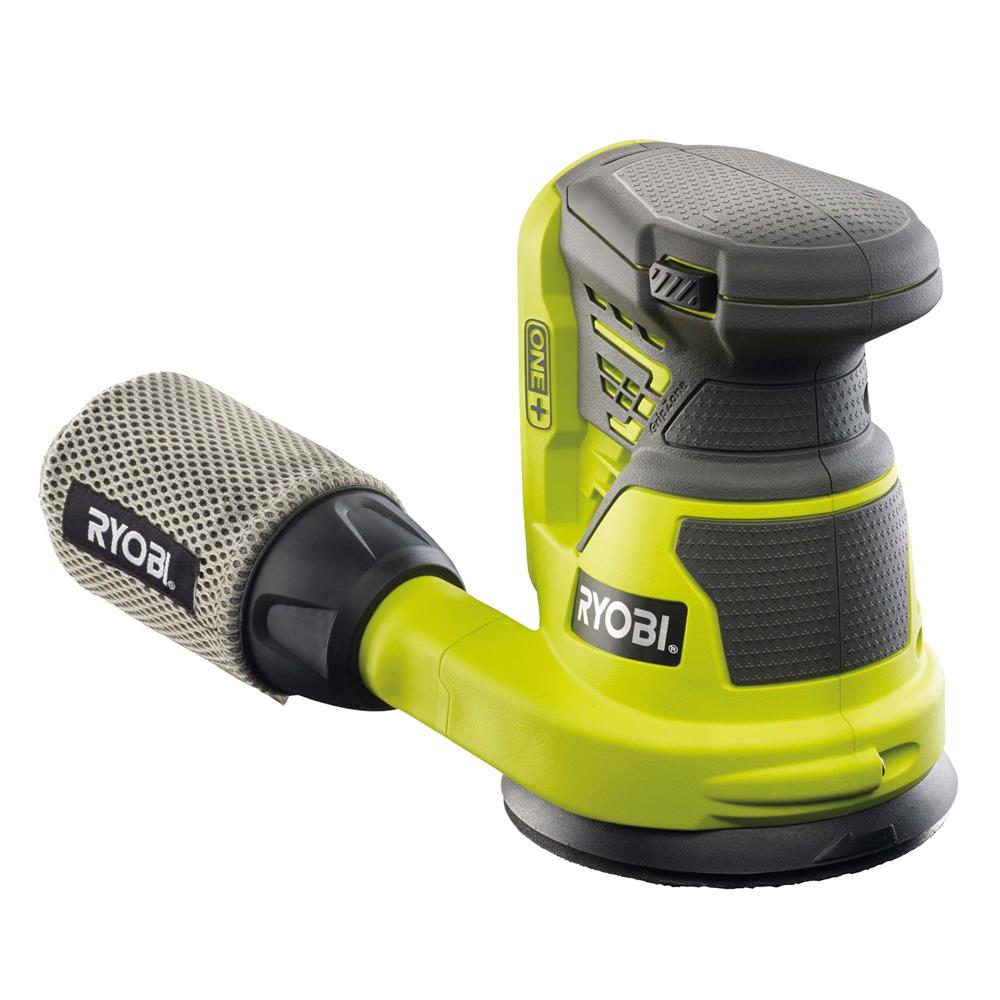
These move in a way that helps reduce visible sanding marks, so they are a solid all-round choice for timber prep, filler smoothing, and general home improvement work where you want a cleaner finish without spending all day on it.

3. Detail Sanders

These get into corners, edges, and tight sections that larger pads miss. They come into their own on stairs, shutters, furniture edges, and fiddly repair work where accuracy matters more than outright speed.

Ryobi Sander Accessories That Make the Job Easier

A sander is only as useful as the paper, power, and dust setup you run with it.

1. Sanding Sheets and Pads

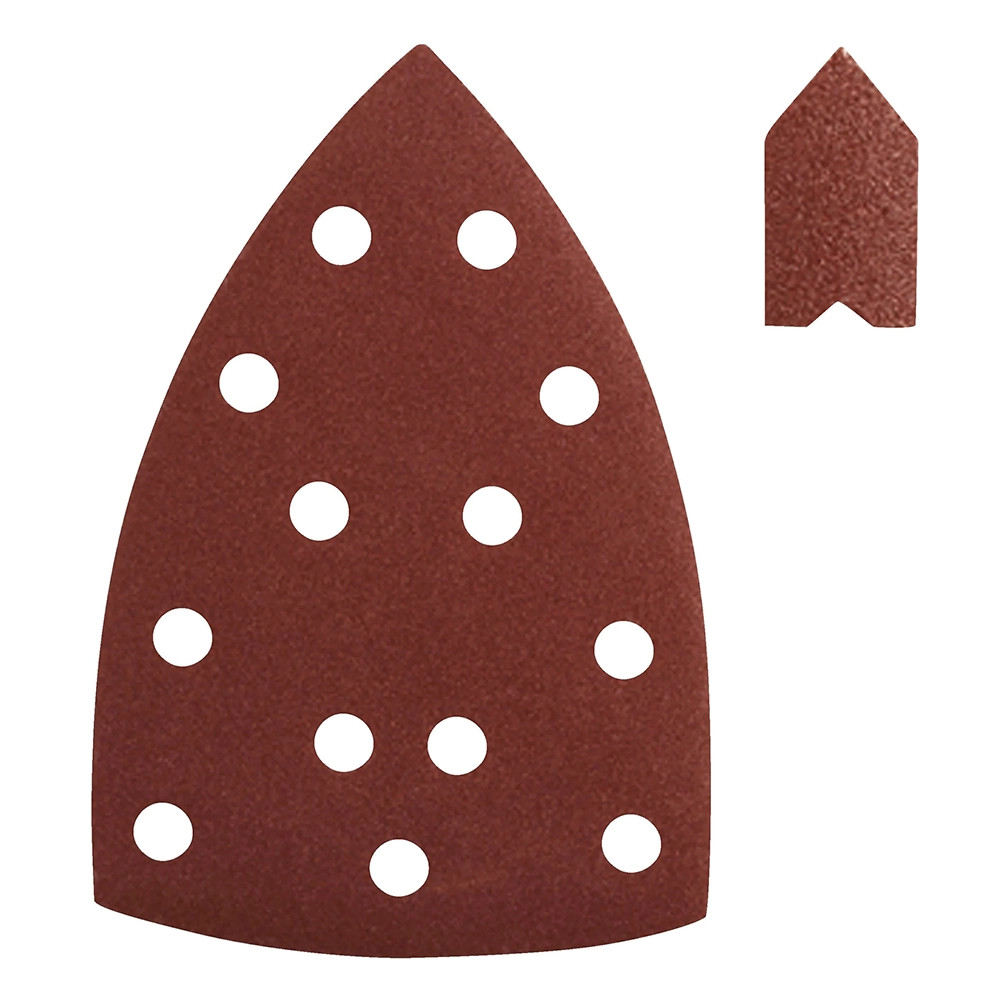
Get the right grit range in the van. Coarse paper for stripping and shaping, medium for smoothing, and fine for finishing. Use the wrong grit and you either clog the sheet straight away or spend half the day wondering why nothing is happening.

2. Spare Batteries

A spare battery is the obvious one. Sanding is the sort of job that drags on longer than you think, and there is nothing more annoying than losing power halfway through a final pass on a door or panel.

3. Chargers

A fast charger keeps the work moving, especially if you are already using other Ryobi cordless tools through the day. One battery on charge and one on the tool is a lot better than standing about waiting.

4. Dust Bags and Extraction Adaptors

If the model supports them, use the right dust bag or extractor connection. It keeps the pad cutting properly, stops the workpiece disappearing under dust, and saves you cleaning the whole room after a ten-minute prep job.

Choose the Right Ryobi Sanders for the Job

Use this quick guide to sort the right sander before you buy.

Your Job Ryobi Sander Type Key Features
Prepping doors, shelves, and flat timber Finishing sander Flat pad, controlled sanding, good for even prep before paint or stain
Smoothing filler and general wood prep Random orbit sander Cleaner finish, reduced swirl marks, solid all-round choice for timber and patch repairs
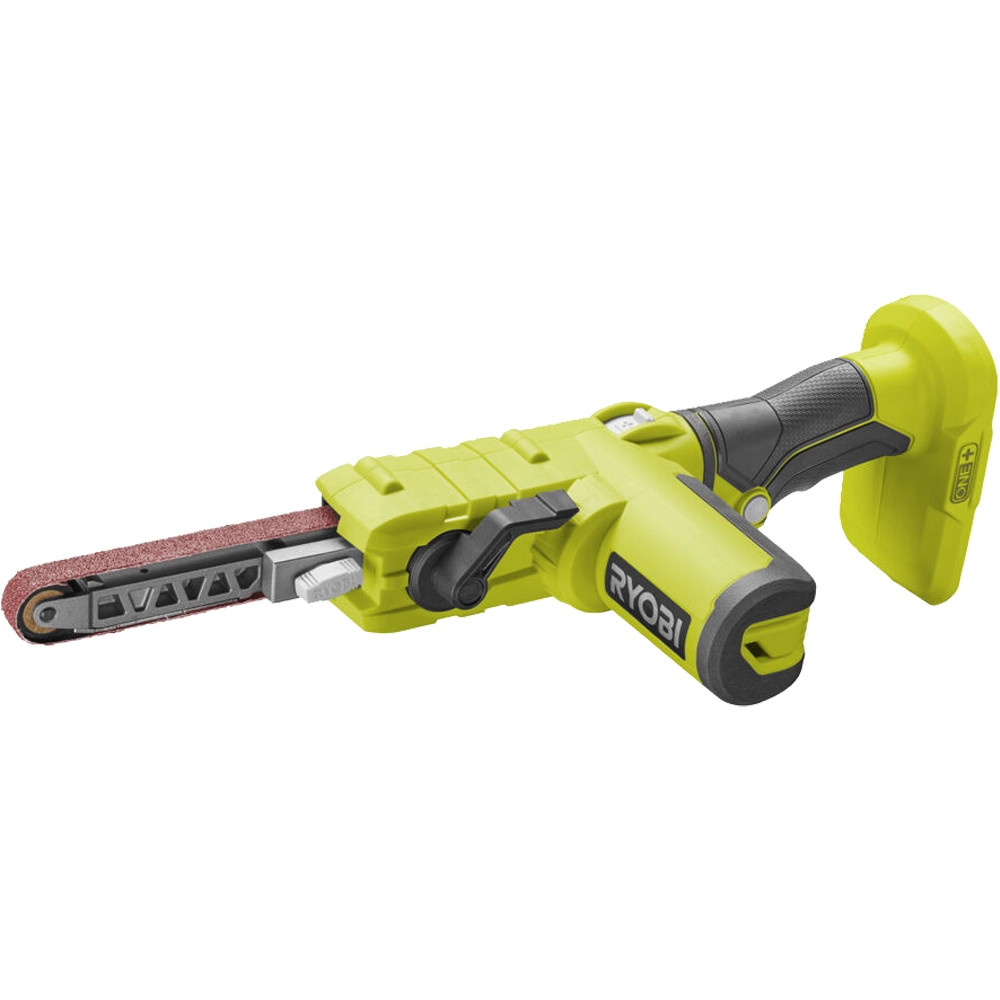
Getting into corners and tight edges Detail sander Compact shape, pointed pad, easier control on awkward trim and small sections
Outdoor timber tidy-ups and garden repairs Cordless sander No lead to drag about, easy to carry, handy for gates, benches, and fencing touch-ups
Longer sanding sessions across multiple jobs 18V cordless sander with spare battery setup Shared battery platform, less downtime, better for repeat use through the day

Common Buying and Usage Mistakes

  • Buying the cheapest sanding sheets you can find usually means poor cut, quick clogging, and a rougher finish. Match the paper properly to the job and the machine works far better.
  • Choosing a detail sander for large flat boards slows the whole job down. It will do it, but you will be there all day, so use a finishing or random orbit sander for broader surfaces.
  • Starting too coarse on finished timber can leave deep scratches that take ages to remove. Start only as aggressive as the surface needs, then work up through the grits.
  • Ignoring battery runtime catches plenty of users out. If you are planning longer prep work, buy with spare batteries and charging in mind rather than assuming one pack will cover everything.
  • Letting dust build up in the bag or on the pad cuts performance and makes the finish worse. Empty it, clear it down, and keep airflow working properly.

Finishing Sanders vs Random Orbit Sanders vs Detail Sanders

Finishing Sanders

Best for flat surfaces, trim, and final prep before coating. They are easy to control and leave a tidy surface, but they are not the quickest option for heavy material removal.

Random Orbit Sanders

The best all-rounder for most users. They remove material faster than finishing sanders and usually leave a cleaner-looking result than more basic pad styles, especially on timber and filler work.

Detail Sanders

Built for corners, narrow edges, and awkward profiles that larger sanders cannot reach. They are ideal as a second sander, but too small and too slow for bigger boards or repeated flat-surface work.

Maintenance and Care

Clear Dust After Use

Brush or blow dust out after each job, especially around vents and pad fittings. Fine sanding dust gets everywhere and will shorten tool life if you just throw it back in the bag.

Check the Backing Pad

If the hook and loop backing starts losing grip, change it before sheets start slipping. A worn pad ruins sanding performance and can mark the workpiece.

Do Not Store It Caked in Dust

Put the sander away clean and dry, especially after exterior timber jobs. Damp dust and debris sitting on the tool is asking for corrosion and clogged moving parts.

Use Fresh Sanding Sheets

A blunt or clogged sheet makes the motor work harder and gives a poor finish. If it has stopped cutting properly, swap it out instead of leaning harder on the tool.

Look After the Batteries

Store batteries indoors, charge them properly, and do not leave flat packs sitting for ages in the van. Good battery care keeps runtime steady and saves replacing packs sooner than you need to.

Why Shop for Ryobi Sanders at ITS?

Whether you need a compact detail sander for snagging, a finishing sander for trim work, or cordless sanders that fit your wider Ryobi power tools setup, we have the range in one place. ITS stocks Ryobi Sanders, batteries, chargers, and matching kit in our own warehouse, ready for next day delivery across the UK.

Ryobi Sanders FAQs

What are Ryobi Sanders used for?

They are mainly used for smoothing timber, cleaning up filler, keying painted surfaces, and prepping wood before finishing. In real use, that means doors, skirting, shelves, furniture repairs, gates, and general tidy-up work where hand sanding is too slow.

Are Ryobi Sanders compatible with Ryobi batteries?

Yes, the 18V cordless models are built to work with the Ryobi ONE plus battery system. That is the big advantage for anyone already on Ryobi cordless tools, because the same batteries can cover your sander and other site or home improvement kit.

How do I choose the right ryobi sanders?

Pick by job shape and finish, not just price. For corners and tight trim, go detail. For wider flat surfaces, go finishing sander. For the best all-round wood prep and cleaner results, a random orbit style is usually the safer bet.

Can Ryobi Sanders be used for DIY and garden jobs?

Yes, that is exactly where they make a lot of sense. They are handy for furniture fixes, shelving, decorating prep, and outside timber jobs like benches, planters, gates, and fencing touch-ups where a cordless tool is easier to carry about.

Are Ryobi Sanders good enough for regular use, or are they just light DIY kit?

They are best suited to regular DIY, property maintenance, and lighter trade tasks rather than nonstop workshop production. For trim, prep, repairs, and install snagging, they hold up well, but you still need to match the tool to the workload.

Do Ryobi Sanders make much mess indoors?

All sanders make dust, so be realistic about that. The better setups collect a fair bit if you keep the bag emptied and use decent paper, but for indoor finish work you will still want to manage dust properly and clean down as you go.
Read more

Ryobi Sanders

Ryobi Sanders are built for knocking back rough timber, cleaning up filler, and getting paint-ready finishes without dragging out corded kit.

If you're sorting doors, shelving, skirting or garden timber, this is the sort of kit that saves time and leaves a cleaner finish than doing it by hand. Ryobi Sanders UK buyers usually want cordless sanders that run on a battery system they already own, and that is where Ryobi 18V ONE+ makes sense. From quick trim work to longer prep jobs, these are solid wood sanding tools for DIY tools, home improvement tools and trade tools alike. If you already know the wider Ryobi range, it is an easy system to stick with. Have a look through the range and pick the sander that matches the finish you are after.

What Are Ryobi Sanders Used For?

  • Smoothing down rough-sawn timber, sheet material edges, and planed softwood before paint, stain, or varnish goes on, so you are not leaving swirl marks and snags behind.
  • Cleaning up filler, old paint, and patched areas during refurb work, especially when you need a cordless sander you can carry room to room without hunting for sockets.
  • Finishing doors, skirting, handrails, shelving, and kitchen fit-out pieces where a hand sander is too slow and a belt sander would be too aggressive.
  • Prepping fences, benches, gates, and other exterior timber on home and garden jobs where portability matters and dragging an extension lead through the job just gets in the way.
  • Tidying snagging work at the end of installs, when you need to take down proud edges, smooth filler lines, or key surfaces fast before the decorators move in.

Choosing the Right Ryobi Sanders

Sorting the right one is simple: match the sanding action to the finish you need, not just the first tool you spot.

1. Detail Work or Flat Surface Work

If you are getting into corners, up to skirting profiles, or around awkward filler patches, go for a detail sander. If you are flattening shelves, doors, boards, or other broad faces, a finishing sander or random orbit model will get through more work with less faff.

2. Fast Stock Removal or Clean Finish

If the job is rough timber, flaky old coatings, or heavy prep, choose a sander that can shift material quickly. If you are on painted trim, furniture, or final pass work, pick the model built to leave a finer finish without chewing the surface up.

3. Cordless Runtime Matters

If you only do quick touch-in jobs, a smaller battery is usually enough. If you are sanding all afternoon, do not kid yourself that one small pack will cover it. Keep spares ready from Batteries Chargers and Mounts so you are not stopping halfway through prep.

4. Dust Control Is Worth Paying Attention To

If you are working inside occupied homes or finished rooms, pick a model with decent dust collection and use the right paper. It saves a lot of mess, cuts cleanup time, and stops you sanding blind once the fine dust starts building up.

Who Uses These Sanders?

  • Chippies use Ryobi Sanders for trimming back doors, smoothing joinery, and cleaning up first and second fix timber before final finish goes on.
  • Kitchen fitters and cabinet installers reach for them when edging panels, easing filler repairs, and leaving visible timber and MDF looking right before handover.
  • Decorators keep cordless sanders handy for prep work on filled walls, woodwork, and previously painted surfaces where faster sanding means quicker painting.
  • DIY users and home improvers rate them for furniture touch-ups, shelving, skirting, and general repair jobs because they are straightforward to use and easy to store with other Power Tools.
  • Garden and property maintenance users also use them on gates, planters, benches, and timber tidy-ups outside, especially if they already run matching Garden Power Tools.

The Basics: Understanding Ryobi Sanders

The main thing to understand is how each sanding action affects the finish. Pick the wrong type and you either waste time or mark up the job.

1. Finishing Sanders

These are built for flatter surfaces and lighter material removal. They are the ones you want for trim, doors, shelves, and final prep where the aim is a smooth, even surface ready for paint or varnish.

2. Random Orbit Sanders

These move in a way that helps reduce visible sanding marks, so they are a solid all-round choice for timber prep, filler smoothing, and general home improvement work where you want a cleaner finish without spending all day on it.

3. Detail Sanders

These get into corners, edges, and tight sections that larger pads miss. They come into their own on stairs, shutters, furniture edges, and fiddly repair work where accuracy matters more than outright speed.

Ryobi Sander Accessories That Make the Job Easier

A sander is only as useful as the paper, power, and dust setup you run with it.

1. Sanding Sheets and Pads

Get the right grit range in the van. Coarse paper for stripping and shaping, medium for smoothing, and fine for finishing. Use the wrong grit and you either clog the sheet straight away or spend half the day wondering why nothing is happening.

2. Spare Batteries

A spare battery is the obvious one. Sanding is the sort of job that drags on longer than you think, and there is nothing more annoying than losing power halfway through a final pass on a door or panel.

3. Chargers

A fast charger keeps the work moving, especially if you are already using other Ryobi cordless tools through the day. One battery on charge and one on the tool is a lot better than standing about waiting.

4. Dust Bags and Extraction Adaptors

If the model supports them, use the right dust bag or extractor connection. It keeps the pad cutting properly, stops the workpiece disappearing under dust, and saves you cleaning the whole room after a ten-minute prep job.

Choose the Right Ryobi Sanders for the Job

Use this quick guide to sort the right sander before you buy.

Your Job Ryobi Sander Type Key Features
Prepping doors, shelves, and flat timber Finishing sander Flat pad, controlled sanding, good for even prep before paint or stain
Smoothing filler and general wood prep Random orbit sander Cleaner finish, reduced swirl marks, solid all-round choice for timber and patch repairs
Getting into corners and tight edges Detail sander Compact shape, pointed pad, easier control on awkward trim and small sections
Outdoor timber tidy-ups and garden repairs Cordless sander No lead to drag about, easy to carry, handy for gates, benches, and fencing touch-ups
Longer sanding sessions across multiple jobs 18V cordless sander with spare battery setup Shared battery platform, less downtime, better for repeat use through the day

Common Buying and Usage Mistakes

  • Buying the cheapest sanding sheets you can find usually means poor cut, quick clogging, and a rougher finish. Match the paper properly to the job and the machine works far better.
  • Choosing a detail sander for large flat boards slows the whole job down. It will do it, but you will be there all day, so use a finishing or random orbit sander for broader surfaces.
  • Starting too coarse on finished timber can leave deep scratches that take ages to remove. Start only as aggressive as the surface needs, then work up through the grits.
  • Ignoring battery runtime catches plenty of users out. If you are planning longer prep work, buy with spare batteries and charging in mind rather than assuming one pack will cover everything.
  • Letting dust build up in the bag or on the pad cuts performance and makes the finish worse. Empty it, clear it down, and keep airflow working properly.

Finishing Sanders vs Random Orbit Sanders vs Detail Sanders

Finishing Sanders

Best for flat surfaces, trim, and final prep before coating. They are easy to control and leave a tidy surface, but they are not the quickest option for heavy material removal.

Random Orbit Sanders

The best all-rounder for most users. They remove material faster than finishing sanders and usually leave a cleaner-looking result than more basic pad styles, especially on timber and filler work.

Detail Sanders

Built for corners, narrow edges, and awkward profiles that larger sanders cannot reach. They are ideal as a second sander, but too small and too slow for bigger boards or repeated flat-surface work.

Maintenance and Care

Clear Dust After Use

Brush or blow dust out after each job, especially around vents and pad fittings. Fine sanding dust gets everywhere and will shorten tool life if you just throw it back in the bag.

Check the Backing Pad

If the hook and loop backing starts losing grip, change it before sheets start slipping. A worn pad ruins sanding performance and can mark the workpiece.

Do Not Store It Caked in Dust

Put the sander away clean and dry, especially after exterior timber jobs. Damp dust and debris sitting on the tool is asking for corrosion and clogged moving parts.

Use Fresh Sanding Sheets

A blunt or clogged sheet makes the motor work harder and gives a poor finish. If it has stopped cutting properly, swap it out instead of leaning harder on the tool.

Look After the Batteries

Store batteries indoors, charge them properly, and do not leave flat packs sitting for ages in the van. Good battery care keeps runtime steady and saves replacing packs sooner than you need to.

Why Shop for Ryobi Sanders at ITS?

Whether you need a compact detail sander for snagging, a finishing sander for trim work, or cordless sanders that fit your wider Ryobi power tools setup, we have the range in one place. ITS stocks Ryobi Sanders, batteries, chargers, and matching kit in our own warehouse, ready for next day delivery across the UK.

Ryobi Sanders FAQs

What are Ryobi Sanders used for?

They are mainly used for smoothing timber, cleaning up filler, keying painted surfaces, and prepping wood before finishing. In real use, that means doors, skirting, shelves, furniture repairs, gates, and general tidy-up work where hand sanding is too slow.

Are Ryobi Sanders compatible with Ryobi batteries?

Yes, the 18V cordless models are built to work with the Ryobi ONE plus battery system. That is the big advantage for anyone already on Ryobi cordless tools, because the same batteries can cover your sander and other site or home improvement kit.

How do I choose the right ryobi sanders?

Pick by job shape and finish, not just price. For corners and tight trim, go detail. For wider flat surfaces, go finishing sander. For the best all-round wood prep and cleaner results, a random orbit style is usually the safer bet.

Can Ryobi Sanders be used for DIY and garden jobs?

Yes, that is exactly where they make a lot of sense. They are handy for furniture fixes, shelving, decorating prep, and outside timber jobs like benches, planters, gates, and fencing touch-ups where a cordless tool is easier to carry about.

Are Ryobi Sanders good enough for regular use, or are they just light DIY kit?

They are best suited to regular DIY, property maintenance, and lighter trade tasks rather than nonstop workshop production. For trim, prep, repairs, and install snagging, they hold up well, but you still need to match the tool to the workload.

Do Ryobi Sanders make much mess indoors?

All sanders make dust, so be realistic about that. The better setups collect a fair bit if you keep the bag emptied and use decent paper, but for indoor finish work you will still want to manage dust properly and clean down as you go.
ITS Click and Collect Icon
What3Words:
Get Directions
Store Opening Hours
Opening times
