


Ryobi Vacuums & Dust Extractors

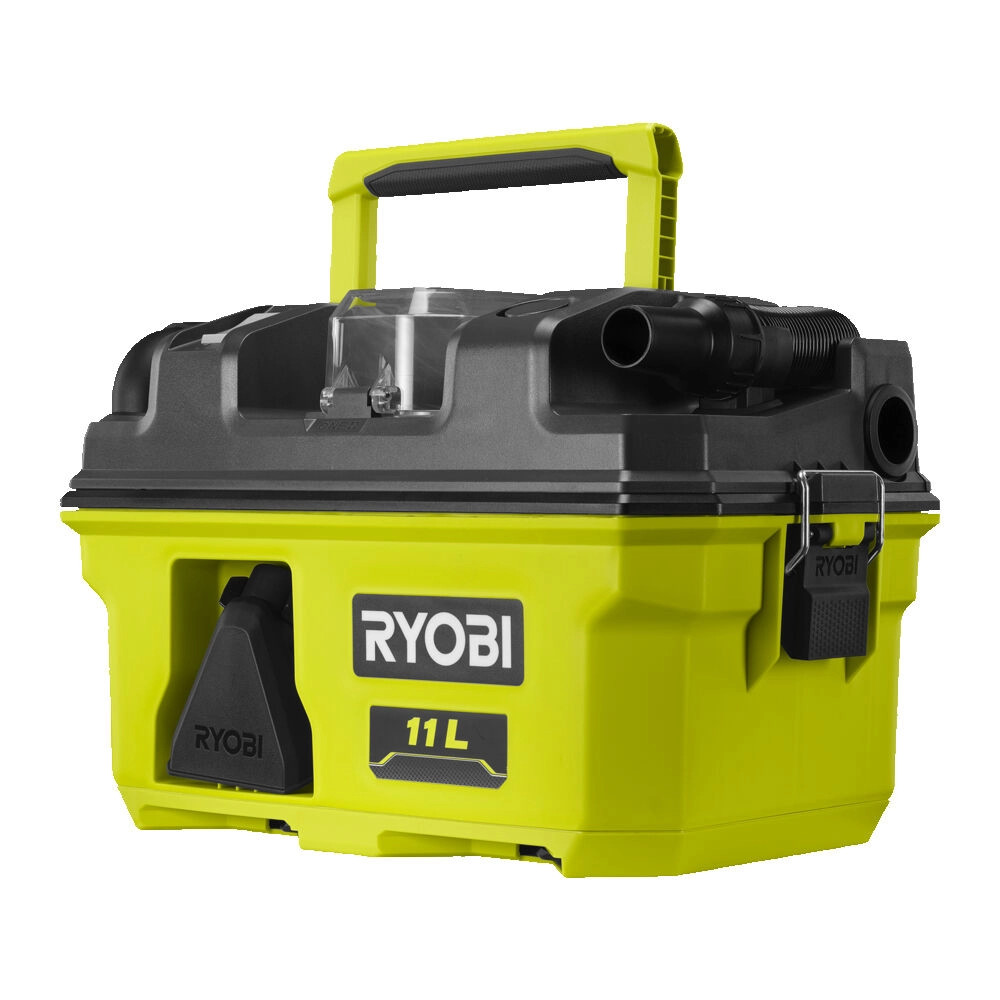
Ryobi Vacuums and Dust Extractors keep work areas clear, tidy up fast, and sort the mess from drilling, sanding, sawing, van clean-outs, and garden jobs.

When you're sick of trailing dust through the house, leaving the van full of plaster, or sweeping up after every cut, this is the kit you reach for. Ryobi Vacuums and Dust Extractors UK buyers usually want one thing: cordless clean-up that works with the batteries they already own. These are handy for snagging, home improvement, workshop clear-ups, and hooking up to selected Power Tools to keep the mess down while you work. If you're already on Ryobi, picking the right vacuum saves time, keeps dust under control, and stops small jobs turning into full clean-downs.

What Are Ryobi Vacuums and Dust Extractors Used For?

  • Cleaning up after drilling into brick, block, plasterboard, and timber, where fine dust gets everywhere and a brush just spreads it round the room.
  • Hooking up to compatible sanders and other Ryobi cordless tools to keep airborne dust down when you're working in lived-in homes, garages, and small workshops.
  • Clearing vans, sheds, and work areas after first fix, snagging, or weekend DIY jobs, especially where offcuts, sawdust, and general site muck build up quickly.
  • Sorting wet and dry mess in utility areas, patios, and garden work zones, where mud, leaves, and debris need shifting without dragging out mains kit.

Choosing the Right Ryobi Vacuums and Dust Extractors

Match the vacuum to the mess and the way you work. Do not buy a tiny grab-and-go unit if you are cleaning up all day.

1. Handheld or Full Size

If you just need to pick up plaster dust, screws, and sawdust from window boards, cabinets, or the van, a handheld cordless vacuum is usually enough. If you are dealing with floor waste, bigger debris, or whole-room clean-downs, go straight for a larger drum-style unit.

2. Wet and Dry Capability

If the job includes muddy boots, spilled water, or garden debris, choose a wet and dry model. If it is mostly dry workshop dust and light site waste, a dry-focused machine can be a simpler choice and easier to store.

3. Runtime Matters More Than You Think

If you are only doing short clear-ups, smaller batteries will get you by. If the vacuum is going to be used across multiple rooms or at the end of every shift, get decent capacity packs from Batteries Chargers and Mounts or you will spend more time swapping packs than cleaning.

4. Tool Extraction or General Clean-Up

If you want to keep dust down while cutting or sanding, check hose fit and whether the unit suits dust extraction tools as well as general vacuuming. If it is mainly for post-job tidying, capacity and portability usually matter more than connection options.

Who Uses These on Site?

  • Kitchen fitters and chippies use them for sawdust, hinge recess clean-ups, and keeping finished rooms tidy while working through second fix.
  • Sparkies and plumbers keep one close for chasing dust, pipe cuttings, cable offcuts, and quick clear-ups before they leave a domestic job looking decent.
  • Maintenance teams and property renovators rate them for fast room-to-room clean-up, especially when there is no time to drag a big corded extractor through the building.
  • DIY users and home improvers swear by them for decorating prep, workshop dust, and general clear-outs because the same battery can often run the rest of their Ryobi 18V ONE+ kit.

The Basics: Understanding Ryobi Vacuums and Dust Extractors

These save time by pulling dust and debris straight into the machine instead of letting it spread round the job. The main thing is knowing whether you need a quick clean-up vacuum or something closer to proper extraction.

1. Cordless Vacuums for Fast Clear-Ups

This is the one for grabbing dust, crumbs, offcuts, and light mess without hunting for a socket. It suits van interiors, finished rooms, stairs, and smaller jobs where speed matters more than big capacity.

2. Larger Wet and Dry Units for Site Mess

These handle heavier rubbish, floor debris, and mixed mess better because they carry more and cope with rougher use. They make more sense when you are cleaning workshops, garages, patios, or rooms after cutting and drilling.

3. Extraction Setup for Cleaner Working

When connected to suitable tools, the vacuum catches a good chunk of dust at source instead of after the fact. That means less airborne mess, less cleanup at the end, and a tidier job when working in occupied homes.

Ryobi Vacuum Accessories That Make the Job Easier

A few sensible extras save time on site and stop a simple clean-up job turning into a faff.

1. Spare Batteries

A spare pack is the obvious one. You do not want the vacuum dying halfway through a room clean-out or when you are clearing up after sanding and the dust is already everywhere.

2. Chargers

A proper charger keeps packs turning round while you work, especially if the vacuum shares batteries with the rest of your Ryobi cordless tools. It is the easiest way to avoid downtime between jobs.

3. Replacement Filters

Filters clog up with fine plaster and sanding dust over time, and once airflow drops the machine stops earning its keep. Keeping a fresh one ready saves weak suction and a lot of frustration.

4. Crevice and Floor Nozzles

The right nozzle saves you messing about when swapping from van footwells to workshop floors or tight corners behind cabinets. It is a small add-on, but it speeds the whole job up.

Choose the Right Ryobi Vacuums and Dust Extractors for the Job

Use this quick guide to sort the right type before you buy.

Your Job Category or Type Key Features
Quick van tidy-ups and small room clean-downs Handheld cordless vacuum Lightweight body, easy carry, fast grab-and-go use, good for dust and small debris
Sawdust and plaster mess after DIY or fitting work Compact cordless vacuum More capacity than handheld units, simple storage, suited to regular indoor clean-up
Workshop floors, garage mess, and heavier debris Wet and dry vacuum Larger tank, better for mixed waste, stronger floor clean-up, handles rougher jobs
Cutting or sanding in occupied homes Dust extractor style vacuum Hose compatibility, better dust control at source, tidier working around finished spaces
Patio, shed, and garden clear-up jobs Wet and dry cordless vacuum Copes with mud and outdoor debris, no mains lead, easier use around drives and outbuildings

Common Buying and Usage Mistakes

  • Buying on size alone is a common mistake. A small handheld unit is handy, but it is the wrong choice for workshop floors or end-of-day room clear-ups, so match capacity to the mess.
  • Using the wrong filter for fine dust soon kills suction. If you are picking up plaster, masonry dust, or sanding waste, keep the filter clean and replace it before performance drops off badly.
  • Assuming any battery will do catches people out. Check runtime properly, because a low-capacity pack can be flat long before the clean-up is finished.
  • Treating a general vacuum like a full extraction system leads to disappointment. For tool-connected dust control, make sure the model and hose setup actually suit the way you work.
  • Leaving wet mess sitting in the tank or filter shortens the life of the machine. Empty it out, dry it off, and store it properly if you want it ready for the next job.

Handheld Vacuums vs Wet and Dry Vacuums vs Dust Extractors

Handheld Vacuums

Best for quick pick-ups, van interiors, shelves, stairs, and small amounts of dust or debris. They are easy to carry and easy to store, but they are not the right tool for full floor cleans or heavy site mess.

Wet and Dry Vacuums

These are the better choice for garages, workshops, patios, and bigger room clear-ups where the waste is rougher and the volume is higher. They take up more space, but they cope with jobs a smaller vacuum will struggle through.

Dust Extractors

If the goal is cleaner working while sanding or cutting, this is the smarter option. They help catch dust closer to the source, though they are less about general all-round tidying than proper on-tool use.

Which One Suits You

Go handheld for fast, light clean-up. Go wet and dry for mixed mess and larger areas. Go for extractor-led models if you are trying to cut down airborne dust while the job is still in progress.

Maintenance and Care

Empty It Before It Packs In

Do not wait until the drum or bin is overflowing. Once debris starts blocking airflow, suction drops and the machine ends up working harder for worse results.

Clean or Replace Filters

Fine dust is what catches these out. Tap filters clean or replace them when they stop recovering properly, especially after plaster, sanding, or workshop use.

Check Hoses and Nozzles

A blocked hose or split nozzle makes the vacuum feel weaker than it is. Give attachments a quick check before every bigger clean-up so you are not chasing faults that are easy to fix.

Store It Dry and Charged

If the unit has dealt with wet mess, dry it out before putting it away. Keep batteries stored properly and charged sensibly so the machine is ready when the next job lands.

Replace Worn Parts Before the Job Suffers

Filters, nozzles, and hoses are cheaper to swap than fighting poor performance for months. If it is losing suction and the basics are worn out, replace the parts before blaming the vacuum.

Why Shop for Ryobi Vacuums and Dust Extractors at ITS?

Whether you need a compact cordless vacuum for quick snagging jobs or a larger unit for workshop and garden clean-up, we stock the full Ryobi Vacuums and Dust Extractors range in one place. That means the key sizes, types, batteries, chargers, and matching kit are all in our own warehouse, ready for next day delivery. If you are already buying Garden Power Tools or other Ryobi power tools, it is easy to keep the whole setup on one platform and get it on site fast.

Ryobi Vacuums and Dust Extractors FAQs

What are Ryobi Vacuums and Dust Extractors used for?

They are used for cleaning up sawdust, plaster dust, workshop debris, van mess, and general job waste without dragging out bulky mains kit. They also help keep smaller jobs tidy while you work, especially in homes, garages, and sheds where dust gets everywhere fast.

Are Ryobi Vacuums and Dust Extractors compatible with Ryobi batteries?

Yes, many cordless models are built around the Ryobi ONE plus battery system, which is the big draw for existing users. Just check the individual product listing, because compatibility is straightforward when the machine sits on the same platform, but it still pays to confirm before you order.

How do I choose the right ryobi vacuums and dust extractors?

Start with the mess, not the brand badge. For quick pick-ups and van use, go handheld. For floors, garages, and heavier debris, go larger and preferably wet and dry. If you want to keep dust down while sanding or cutting, look at hose fit and extraction use rather than just tank size.

Can Ryobi Vacuums and Dust Extractors be used for DIY and garden jobs?

Yes, that is where a lot of them earn their keep. They are well suited to home improvement jobs, garage clear-ups, shed mess, patio debris, and general tidy-ups after using DIY tools, especially when you want cordless freedom rather than another extension lead.

Are these proper site dust extractors or more for general clean-up?

Mostly, think practical clean-up and light extraction rather than full specialist site extraction for every dust class and compliance need. They are very handy for domestic work, workshops, and tool tidy-up, but if you need certified dust control for higher-risk materials, check the full spec carefully before relying on one.

Will a cordless Ryobi vacuum actually last through a decent clean-up?

Yes, if you use the right battery. For quick room cleans and van work, no issue. For longer jobs, bigger capacity packs make all the difference. If you only run a small battery, expect more swaps and shorter bursts of use.

Read more

Ryobi Vacuums & Dust Extractors

Ryobi Vacuums and Dust Extractors keep work areas clear, tidy up fast, and sort the mess from drilling, sanding, sawing, van clean-outs, and garden jobs.

When you're sick of trailing dust through the house, leaving the van full of plaster, or sweeping up after every cut, this is the kit you reach for. Ryobi Vacuums and Dust Extractors UK buyers usually want one thing: cordless clean-up that works with the batteries they already own. These are handy for snagging, home improvement, workshop clear-ups, and hooking up to selected Power Tools to keep the mess down while you work. If you're already on Ryobi, picking the right vacuum saves time, keeps dust under control, and stops small jobs turning into full clean-downs.

What Are Ryobi Vacuums and Dust Extractors Used For?

  • Cleaning up after drilling into brick, block, plasterboard, and timber, where fine dust gets everywhere and a brush just spreads it round the room.
  • Hooking up to compatible sanders and other Ryobi cordless tools to keep airborne dust down when you're working in lived-in homes, garages, and small workshops.
  • Clearing vans, sheds, and work areas after first fix, snagging, or weekend DIY jobs, especially where offcuts, sawdust, and general site muck build up quickly.
  • Sorting wet and dry mess in utility areas, patios, and garden work zones, where mud, leaves, and debris need shifting without dragging out mains kit.

Choosing the Right Ryobi Vacuums and Dust Extractors

Match the vacuum to the mess and the way you work. Do not buy a tiny grab-and-go unit if you are cleaning up all day.

1. Handheld or Full Size

If you just need to pick up plaster dust, screws, and sawdust from window boards, cabinets, or the van, a handheld cordless vacuum is usually enough. If you are dealing with floor waste, bigger debris, or whole-room clean-downs, go straight for a larger drum-style unit.

2. Wet and Dry Capability

If the job includes muddy boots, spilled water, or garden debris, choose a wet and dry model. If it is mostly dry workshop dust and light site waste, a dry-focused machine can be a simpler choice and easier to store.

3. Runtime Matters More Than You Think

If you are only doing short clear-ups, smaller batteries will get you by. If the vacuum is going to be used across multiple rooms or at the end of every shift, get decent capacity packs from Batteries Chargers and Mounts or you will spend more time swapping packs than cleaning.

4. Tool Extraction or General Clean-Up

If you want to keep dust down while cutting or sanding, check hose fit and whether the unit suits dust extraction tools as well as general vacuuming. If it is mainly for post-job tidying, capacity and portability usually matter more than connection options.

Who Uses These on Site?

  • Kitchen fitters and chippies use them for sawdust, hinge recess clean-ups, and keeping finished rooms tidy while working through second fix.
  • Sparkies and plumbers keep one close for chasing dust, pipe cuttings, cable offcuts, and quick clear-ups before they leave a domestic job looking decent.
  • Maintenance teams and property renovators rate them for fast room-to-room clean-up, especially when there is no time to drag a big corded extractor through the building.
  • DIY users and home improvers swear by them for decorating prep, workshop dust, and general clear-outs because the same battery can often run the rest of their Ryobi 18V ONE+ kit.

The Basics: Understanding Ryobi Vacuums and Dust Extractors

These save time by pulling dust and debris straight into the machine instead of letting it spread round the job. The main thing is knowing whether you need a quick clean-up vacuum or something closer to proper extraction.

1. Cordless Vacuums for Fast Clear-Ups

This is the one for grabbing dust, crumbs, offcuts, and light mess without hunting for a socket. It suits van interiors, finished rooms, stairs, and smaller jobs where speed matters more than big capacity.

2. Larger Wet and Dry Units for Site Mess

These handle heavier rubbish, floor debris, and mixed mess better because they carry more and cope with rougher use. They make more sense when you are cleaning workshops, garages, patios, or rooms after cutting and drilling.

3. Extraction Setup for Cleaner Working

When connected to suitable tools, the vacuum catches a good chunk of dust at source instead of after the fact. That means less airborne mess, less cleanup at the end, and a tidier job when working in occupied homes.

Ryobi Vacuum Accessories That Make the Job Easier

A few sensible extras save time on site and stop a simple clean-up job turning into a faff.

1. Spare Batteries

A spare pack is the obvious one. You do not want the vacuum dying halfway through a room clean-out or when you are clearing up after sanding and the dust is already everywhere.

2. Chargers

A proper charger keeps packs turning round while you work, especially if the vacuum shares batteries with the rest of your Ryobi cordless tools. It is the easiest way to avoid downtime between jobs.

3. Replacement Filters

Filters clog up with fine plaster and sanding dust over time, and once airflow drops the machine stops earning its keep. Keeping a fresh one ready saves weak suction and a lot of frustration.

4. Crevice and Floor Nozzles

The right nozzle saves you messing about when swapping from van footwells to workshop floors or tight corners behind cabinets. It is a small add-on, but it speeds the whole job up.

Choose the Right Ryobi Vacuums and Dust Extractors for the Job

Use this quick guide to sort the right type before you buy.

Your Job Category or Type Key Features
Quick van tidy-ups and small room clean-downs Handheld cordless vacuum Lightweight body, easy carry, fast grab-and-go use, good for dust and small debris
Sawdust and plaster mess after DIY or fitting work Compact cordless vacuum More capacity than handheld units, simple storage, suited to regular indoor clean-up
Workshop floors, garage mess, and heavier debris Wet and dry vacuum Larger tank, better for mixed waste, stronger floor clean-up, handles rougher jobs
Cutting or sanding in occupied homes Dust extractor style vacuum Hose compatibility, better dust control at source, tidier working around finished spaces
Patio, shed, and garden clear-up jobs Wet and dry cordless vacuum Copes with mud and outdoor debris, no mains lead, easier use around drives and outbuildings

Common Buying and Usage Mistakes

  • Buying on size alone is a common mistake. A small handheld unit is handy, but it is the wrong choice for workshop floors or end-of-day room clear-ups, so match capacity to the mess.
  • Using the wrong filter for fine dust soon kills suction. If you are picking up plaster, masonry dust, or sanding waste, keep the filter clean and replace it before performance drops off badly.
  • Assuming any battery will do catches people out. Check runtime properly, because a low-capacity pack can be flat long before the clean-up is finished.
  • Treating a general vacuum like a full extraction system leads to disappointment. For tool-connected dust control, make sure the model and hose setup actually suit the way you work.
  • Leaving wet mess sitting in the tank or filter shortens the life of the machine. Empty it out, dry it off, and store it properly if you want it ready for the next job.

Handheld Vacuums vs Wet and Dry Vacuums vs Dust Extractors

Handheld Vacuums

Best for quick pick-ups, van interiors, shelves, stairs, and small amounts of dust or debris. They are easy to carry and easy to store, but they are not the right tool for full floor cleans or heavy site mess.

Wet and Dry Vacuums

These are the better choice for garages, workshops, patios, and bigger room clear-ups where the waste is rougher and the volume is higher. They take up more space, but they cope with jobs a smaller vacuum will struggle through.

Dust Extractors

If the goal is cleaner working while sanding or cutting, this is the smarter option. They help catch dust closer to the source, though they are less about general all-round tidying than proper on-tool use.

Which One Suits You

Go handheld for fast, light clean-up. Go wet and dry for mixed mess and larger areas. Go for extractor-led models if you are trying to cut down airborne dust while the job is still in progress.

Maintenance and Care

Empty It Before It Packs In

Do not wait until the drum or bin is overflowing. Once debris starts blocking airflow, suction drops and the machine ends up working harder for worse results.

Clean or Replace Filters

Fine dust is what catches these out. Tap filters clean or replace them when they stop recovering properly, especially after plaster, sanding, or workshop use.

Check Hoses and Nozzles

A blocked hose or split nozzle makes the vacuum feel weaker than it is. Give attachments a quick check before every bigger clean-up so you are not chasing faults that are easy to fix.

Store It Dry and Charged

If the unit has dealt with wet mess, dry it out before putting it away. Keep batteries stored properly and charged sensibly so the machine is ready when the next job lands.

Replace Worn Parts Before the Job Suffers

Filters, nozzles, and hoses are cheaper to swap than fighting poor performance for months. If it is losing suction and the basics are worn out, replace the parts before blaming the vacuum.

Why Shop for Ryobi Vacuums and Dust Extractors at ITS?

Whether you need a compact cordless vacuum for quick snagging jobs or a larger unit for workshop and garden clean-up, we stock the full Ryobi Vacuums and Dust Extractors range in one place. That means the key sizes, types, batteries, chargers, and matching kit are all in our own warehouse, ready for next day delivery. If you are already buying Garden Power Tools or other Ryobi power tools, it is easy to keep the whole setup on one platform and get it on site fast.

Ryobi Vacuums and Dust Extractors FAQs

What are Ryobi Vacuums and Dust Extractors used for?

They are used for cleaning up sawdust, plaster dust, workshop debris, van mess, and general job waste without dragging out bulky mains kit. They also help keep smaller jobs tidy while you work, especially in homes, garages, and sheds where dust gets everywhere fast.

Are Ryobi Vacuums and Dust Extractors compatible with Ryobi batteries?

Yes, many cordless models are built around the Ryobi ONE plus battery system, which is the big draw for existing users. Just check the individual product listing, because compatibility is straightforward when the machine sits on the same platform, but it still pays to confirm before you order.

How do I choose the right ryobi vacuums and dust extractors?

Start with the mess, not the brand badge. For quick pick-ups and van use, go handheld. For floors, garages, and heavier debris, go larger and preferably wet and dry. If you want to keep dust down while sanding or cutting, look at hose fit and extraction use rather than just tank size.

Can Ryobi Vacuums and Dust Extractors be used for DIY and garden jobs?

Yes, that is where a lot of them earn their keep. They are well suited to home improvement jobs, garage clear-ups, shed mess, patio debris, and general tidy-ups after using DIY tools, especially when you want cordless freedom rather than another extension lead.

Are these proper site dust extractors or more for general clean-up?

Mostly, think practical clean-up and light extraction rather than full specialist site extraction for every dust class and compliance need. They are very handy for domestic work, workshops, and tool tidy-up, but if you need certified dust control for higher-risk materials, check the full spec carefully before relying on one.

Will a cordless Ryobi vacuum actually last through a decent clean-up?

Yes, if you use the right battery. For quick room cleans and van work, no issue. For longer jobs, bigger capacity packs make all the difference. If you only run a small battery, expect more swaps and shorter bursts of use.

ITS Click and Collect Icon
What3Words:
Get Directions
Store Opening Hours
Opening times