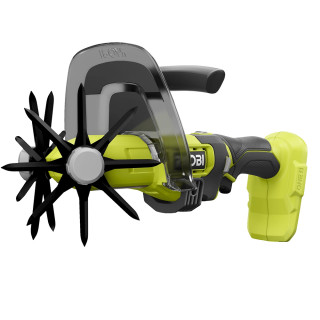
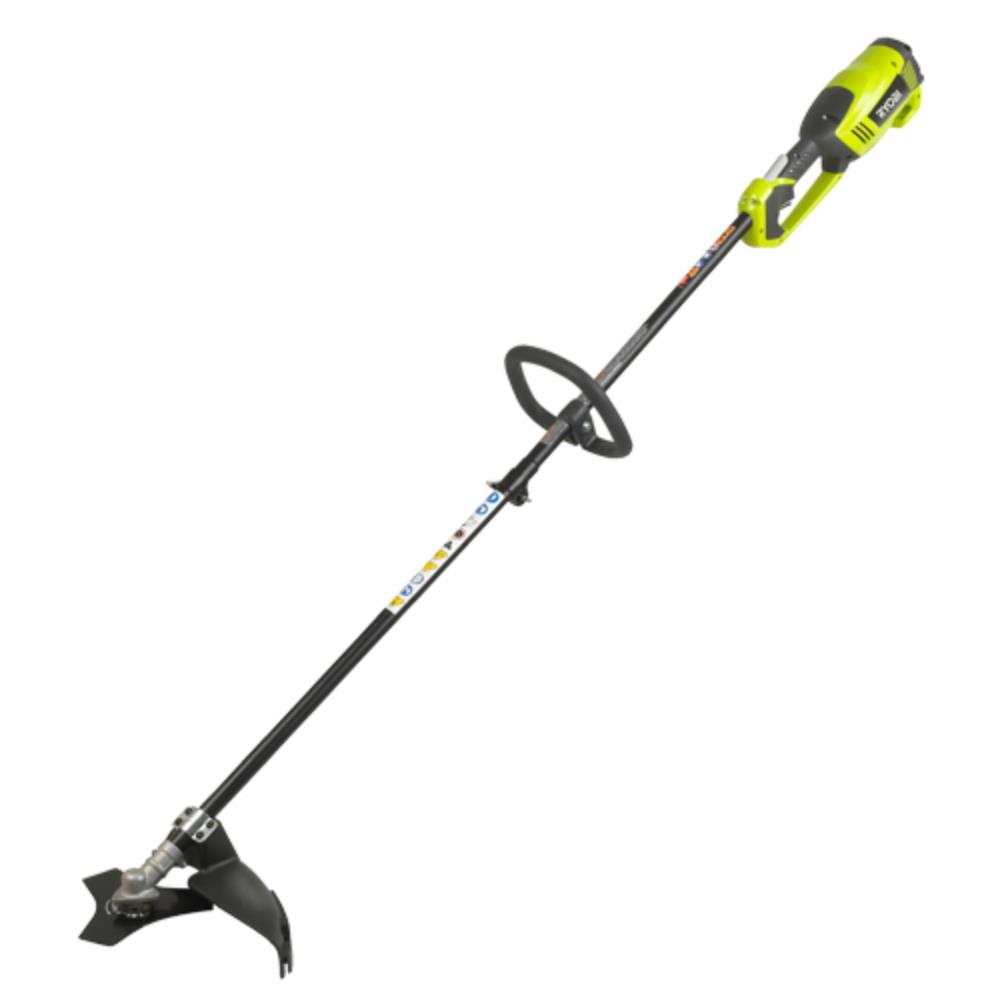
Ryobi Garden Power Tools
Ryobi Garden Power Tools are for the jobs that keep piling up outside, from cutting back overgrowth to clearing paths and keeping the place presentable year-round.
If you're sick of dragging leads across the garden or messing about with petrol for small to mid-size jobs, this is the sort of kit worth having. Ryobi Garden Power Tools UK users rely on this range for trimming, pruning, blowing and mowing without the faff. Handy for regular garden maintenance, property tidy-ups and home improvement jobs, especially if you already run Ryobi 18V ONE+. If you need cordless garden tools that earn their space in the shed or van, start with the jobs you do most and build from there.
What Are Ryobi Garden Power Tools Used For?
- Cutting back thick grass, edges and rough patches around fences, sheds and paths where a mains mower or larger machine is more hassle than help.
- Blowing leaves, dust and light site debris off driveways, patios and access routes so outdoor areas stay tidy and safer underfoot.
- Pruning branches, hedges and overgrown shrubs during seasonal maintenance, especially on domestic jobs where quick setup matters more than petrol power.
- Mowing smaller lawns and keeping rental properties, managed homes and garden spaces under control without storing cans of fuel or long extension reels.
- Handling regular garden maintenance tools jobs around the house, workshop and yard where cordless convenience saves time and gets the work done before the weather turns.
Choosing the Right Ryobi Garden Power Tools
Sorting the right one is simple: match it to the jobs you actually do every month, not the one big clear-out you might do once a year.
1. Light Tidy-Ups vs Regular Heavy Growth
If you are just keeping on top of a small garden, paths and borders, the lighter cordless garden tools make more sense and are easier on your arms. If you are constantly tackling thicker growth, bigger hedges or rougher ground, go for the larger cutting widths and stronger outdoor kit in the range.
2. One Tool vs A Full System
If you only need a hedge trimmer once in a while, buy for that job and leave it there. If you are building out a proper garden maintenance tools setup, stick with the same battery platform so your charger and packs work across the lot.
3. Battery Size Matters More Than Most Think
Do not cheap out on small batteries for higher-draw kit like mowers, blowers or chainsaws. They are fine for short trims, but if you want decent runtime on bigger jobs, step up your battery capacity and keep a spare ready.
4. Storage and Handling
If your shed or van is already packed, look at tool size, shaft design and how easy it is to store before you buy. A tool that fits the space and comes out quickly will get used properly, rather than buried under everything else.
Who Uses These on Site and at Home?
- Landscapers and maintenance teams use these for routine cutting, trimming and clear-up work where quick setup and easy transport matter more than dragging petrol kit through a property.
- Builders and general trades keep cordless garden tools handy for tidying plots, cutting back access routes and getting outdoor areas ready before handover.
- Property maintenance crews swear by this sort of kit for small lawns, hedges and paths on managed homes because it is easy to store, simple to charge and ready for repeat visits.
- DIY users and homeowners reach for Ryobi garden power tools for weekend upkeep, especially if they already own other Power Tools in the same battery platform.
The Basics: Understanding Ryobi Garden Power Tools
The main thing to understand here is not just the tool itself, but how the cordless system affects runtime, convenience and what jobs it can realistically cover.
1. Cordless Power Platform
These tools run off battery power instead of petrol or mains. On the job, that means quicker starts, less noise, less maintenance and no lead trailing across wet grass, paving or parked vehicles.
2. Runtime Depends on the Job
A blower doing a quick sweep of a patio is one thing. A mower or line trimmer working through heavy, damp growth is another. The harder the tool works, the more battery it uses, so always judge the tool with the battery size in mind.
3. Shared Batteries Make the Range Work
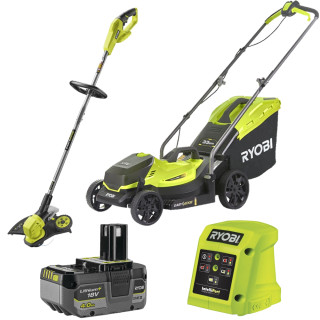
The real benefit is being able to move batteries between compatible Ryobi cordless tools. That saves money, cuts down charger clutter and makes it far easier to build a useful kit over time instead of buying every tool from scratch.
Accessories That Keep Ryobi Garden Power Tools Working
A couple of smart add-ons make these tools far more useful on longer or messier outdoor jobs.
1. Spare Batteries
A spare pack stops the whole job grinding to a halt halfway through a hedge, lawn or clear-up. It is the obvious fix when one battery is not enough for a full run round the property.
2. Chargers
A proper charger setup means your kit is ready when you are, not left flat in the shed the morning you need it. Worth sorting if you rotate a few tools through the same battery system.
3. Replacement Cutting Line or Blades
Trimmer line and cutting blades are wear items, simple as that. Keep replacements in stock or you will end up stopping mid-job because the tool is fine but the business end is spent.
4. Bar and Chain Consumables
If you are running pruning saws or chainsaws, do not ignore chain condition and lubrication. Fresh consumables keep the cut clean and stop the tool struggling through timber it should be dealing with easily.
Choose the Right Ryobi Garden Power Tools for the Job
Start with the work in front of you, then pick the tool type that matches it.
| Your Job | Category or Type | Key Features |
|---|---|---|
| Keeping lawn edges, fence lines and awkward corners tidy | Grass Trimmers and Brush Cutters | Look for comfortable handling, enough cutting width and battery capacity that will finish the area without repeated stops. |
| Clearing leaves and loose debris from patios, drives and paths | Garden Blowers | Focus on air speed, balance and whether you need a compact tool for quick clean-ups or more output for heavier debris. |
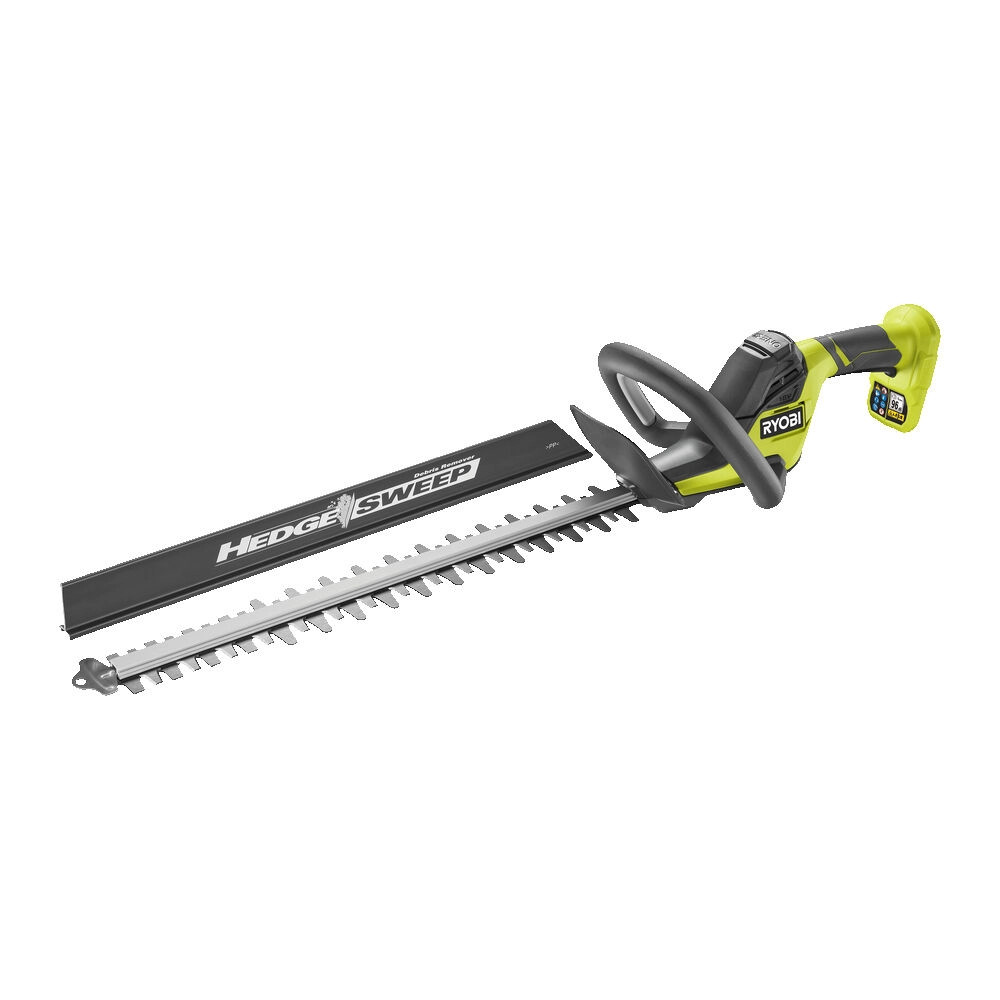
| Cutting and shaping hedges through the growing season | Hedge Trimmers | Blade length, tooth gap and overall reach matter most, especially if you are dealing with thicker growth or tall boundary hedges. |
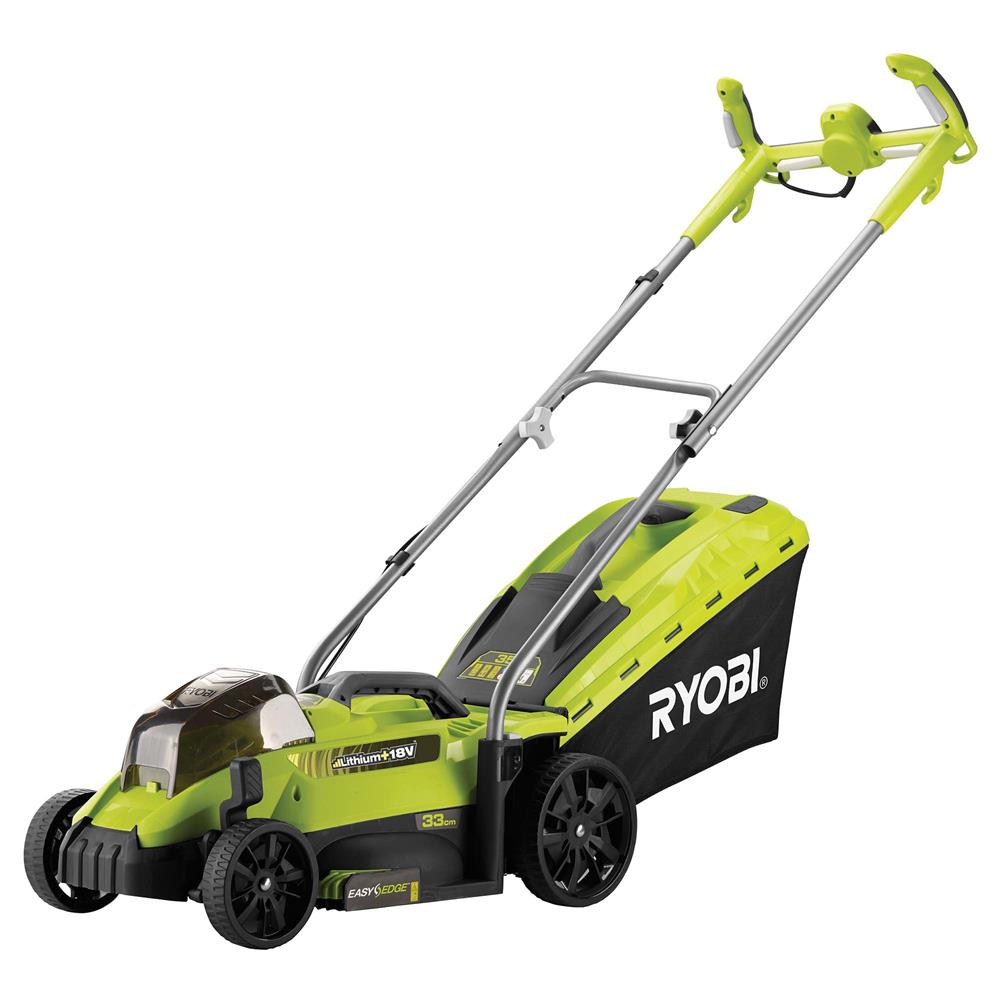
| Managing smaller lawns and regular domestic mowing | Cordless Lawn Mowers | Check cutting width, collection size and battery setup so you are not emptying the box or swapping packs every few minutes. |
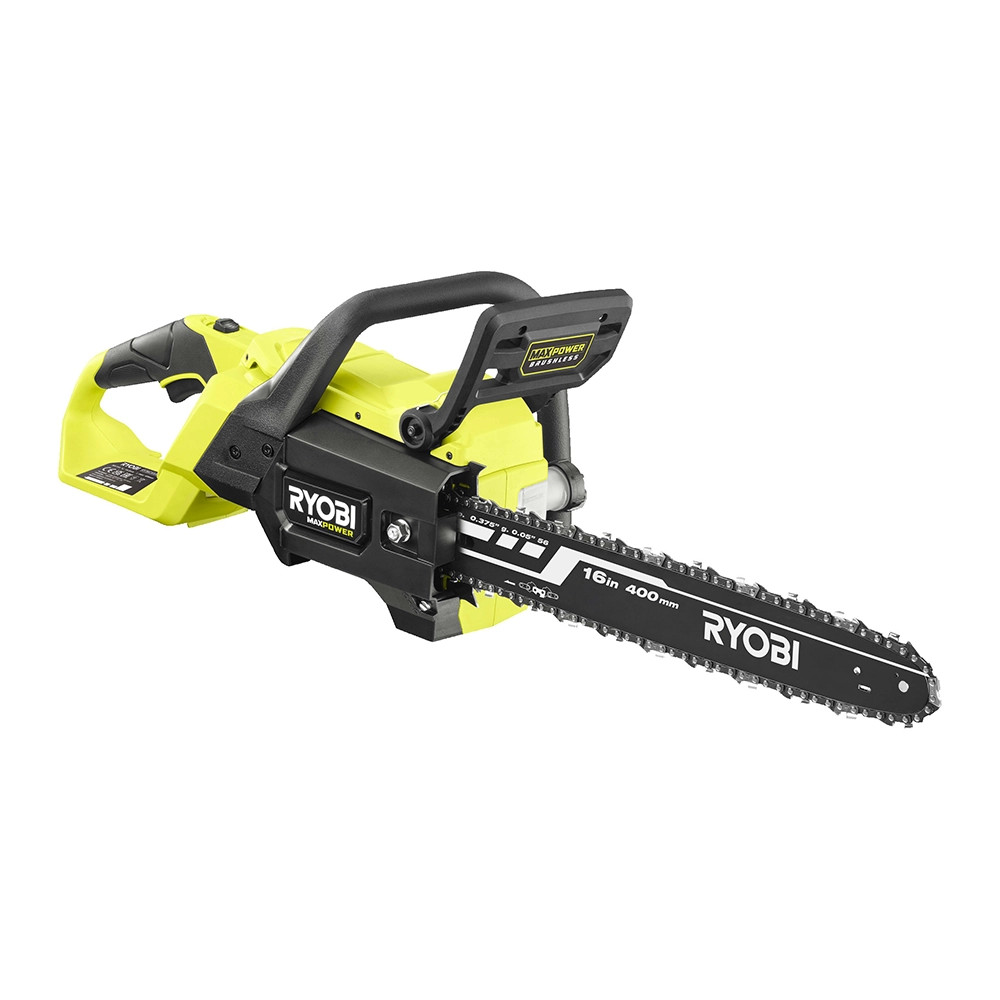
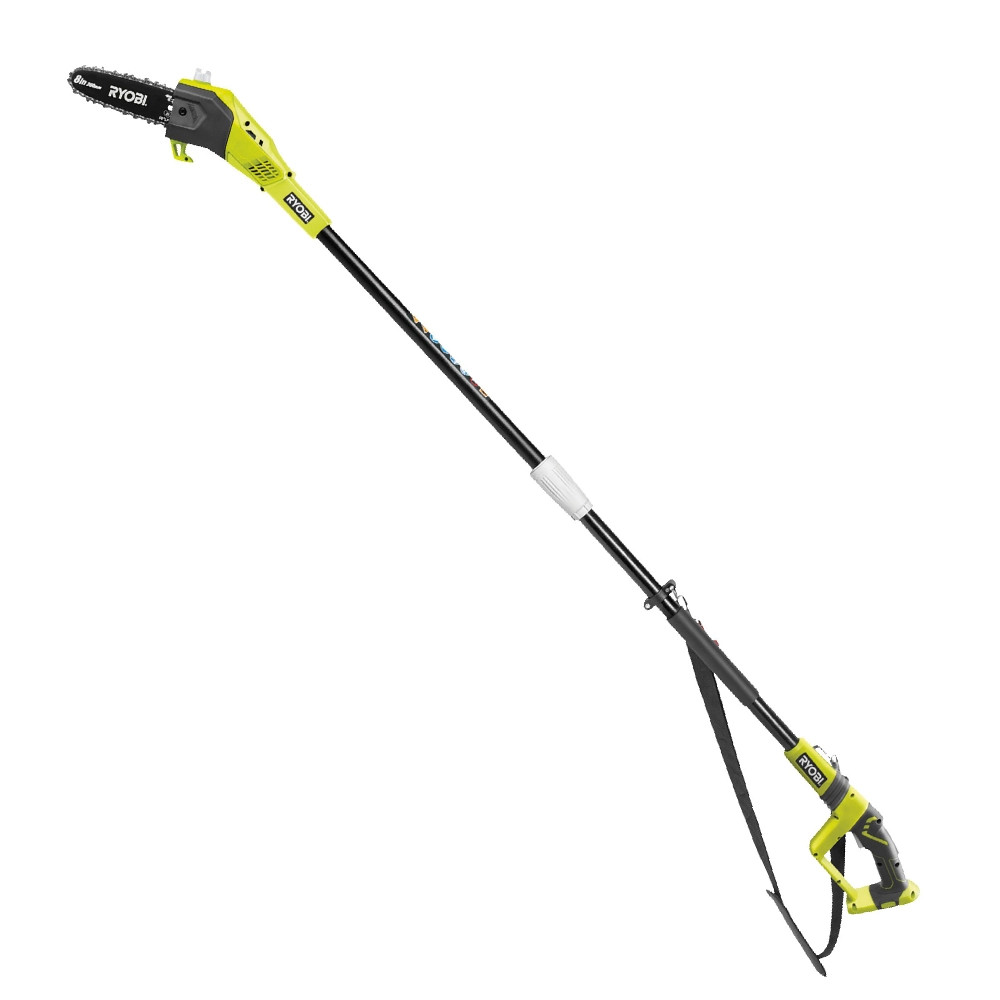
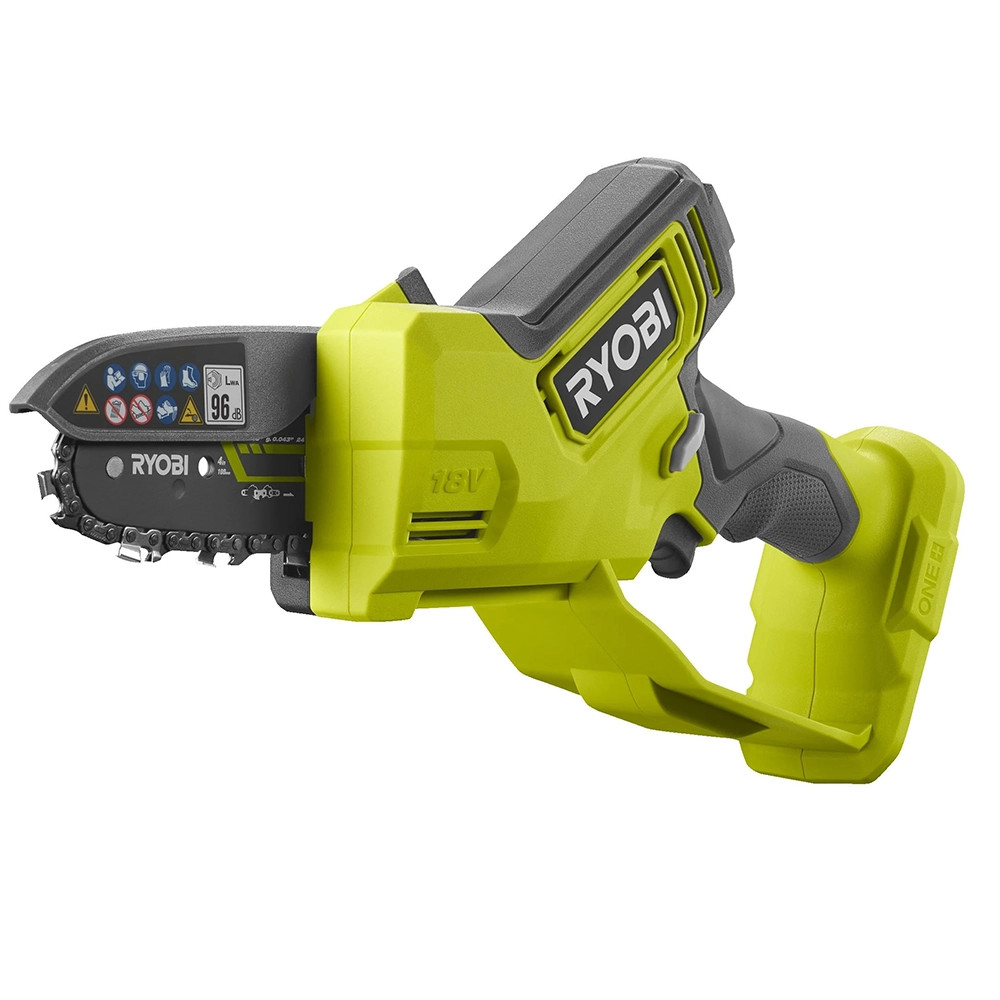
| Pruning branches, cutting logs and dealing with storm damage | Chainsaws and Pruning Saws | Pick based on bar length, tool weight and the size of timber you actually cut, not the occasional oversized branch. |
Common Buying and Usage Mistakes
- Buying for the biggest possible job instead of the regular work usually leaves you with bulkier kit than you need. For routine garden maintenance, lighter tools are often quicker to use and easier to store.
- Running high-demand garden power tools on the smallest battery you can find just leads to poor runtime and more waiting about. Match the battery to the tool, especially for mowers, blowers and saws.
- Ignoring consumables is a classic one. Blunt chains, tired trimmer line and worn blades make a decent tool feel weak, so replace the working parts before assuming the machine is the problem.
- Leaving batteries in damp sheds or out in freezing conditions will shorten their life and performance. Store them dry, charged and off the floor if you want them ready when the weather gives you a gap.
- Choosing cordless kit without checking battery compatibility first wastes money fast. If you already own Ryobi gear, make sure the new tool fits the system you are already running.
Cordless Trimmers vs Blowers vs Hedge Trimmers
Cordless Trimmers
Best for grass edges, rough patches and the bits your mower cannot reach. They are the first tool to grab for regular boundary work, but they are not the answer for hedge shaping or full leaf clearance.
Blowers
These save time on patios, drives and paths after mowing, trimming or general garden work. Great for surface clear-up, but they will not deal with overgrowth or anything that actually needs cutting back.
Hedge Trimmers
The right choice for shaping and reducing hedges, shrubs and softer growth where you need a clean, controlled finish. They are quicker and neater than using a saw for the same job, but not built for thick logs or ground cover.
Which One to Buy First
If your biggest headache is untidy edges, start with a trimmer. If the place is covered in leaves and clippings, get a blower. If hedges are what always gets left too long, the hedge trimmer earns its keep first.
Maintenance and Care
Clean Off After Use
Grass, sap, dust and damp clippings soon build up around guards, vents and blades. Brush the tool down after use so it stores properly and does not start the next job half blocked.
Look After the Batteries
Keep batteries dry, charged and out of extreme cold or heat. If they live loose in a damp shed all winter, do not be surprised when runtime drops off.
Check Cutting Parts Regularly
Blades, chains and trimmer heads take the punishment, not the motor. Check them for wear before each job because a fresh cutting edge saves time, battery and strain on the tool.
Store It Ready for Next Time
Do not just dump the tool wet after use. Store it clean and under cover so the next time you need it, you are straight to work instead of freeing up seized parts or hunting for a flat battery.
Repair or Replace Honestly
If the tool body is sound, replacing worn bars, chains, line heads or blades usually makes sense. If the motor housing, switch gear or battery connection is badly damaged, it is often quicker and cleaner to replace the unit.
Why Shop for Ryobi Garden Power Tools at ITS?
Whether you need a single trimmer for weekend upkeep or a full spread of Garden Power Tools, we stock the range properly. That means the key Ryobi cordless tools, matching kit from Batteries Chargers and Mounts, and the wider ITS Ryobi setup all in our own warehouse, ready for next day delivery.
Ryobi Garden Power Tools FAQs
What are Ryobi Garden Power Tools used for?
They are used for the regular outdoor jobs that keep a place under control, like cutting grass edges, trimming hedges, clearing leaves, pruning branches and mowing smaller lawns. For domestic maintenance, rental properties and general tidy-up work, they save a lot of time compared with dragging out corded gear or firing up petrol kit for every small task.
Are Ryobi Garden Power Tools compatible with Ryobi batteries?
Yes, many are designed around the shared Ryobi battery platform, which is one of the main reasons people buy into the range. The sensible move is to check the exact product listing before you buy, but if you already run compatible Ryobi 18V gear, there is a good chance your existing batteries will do the job here too.
How do I choose the right ryobi garden power tools?
Start with the jobs you actually do most often. If it is edging and rough grass, get a trimmer. If it is hedges, buy for blade length and reach. If it is clear-up, a blower earns its keep quickly. Then check battery compatibility, runtime and storage space, because those are the things that make the difference once the tool is back home or in the van.
Can Ryobi Garden Power Tools be used for DIY and garden jobs?
Yes, that is exactly where they make sense. They are well suited to DIY tools and home improvement tools users who want outdoor kit that is simple to use, easy to store and quick to get going. They also suit light trade tools use for maintenance crews and general property work, so long as you pick the tool size and battery to match the workload.
Are these strong enough for overgrown gardens, or just light trimming?
They are more than capable of regular overgrowth, hedge maintenance and rough garden tidy-ups, but be honest about the scale of the job. For heavy, neglected ground or thick woody material, pick the larger tool in the range and use a battery with enough capacity to keep performance up.
Do I need spare batteries for Ryobi Garden Power Tools UK use?
For short jobs, one battery may be enough. For mowing, hedge work or a full clear-up, a spare is the sensible option. It is the difference between finishing the work in one go and standing about waiting for a recharge halfway through.