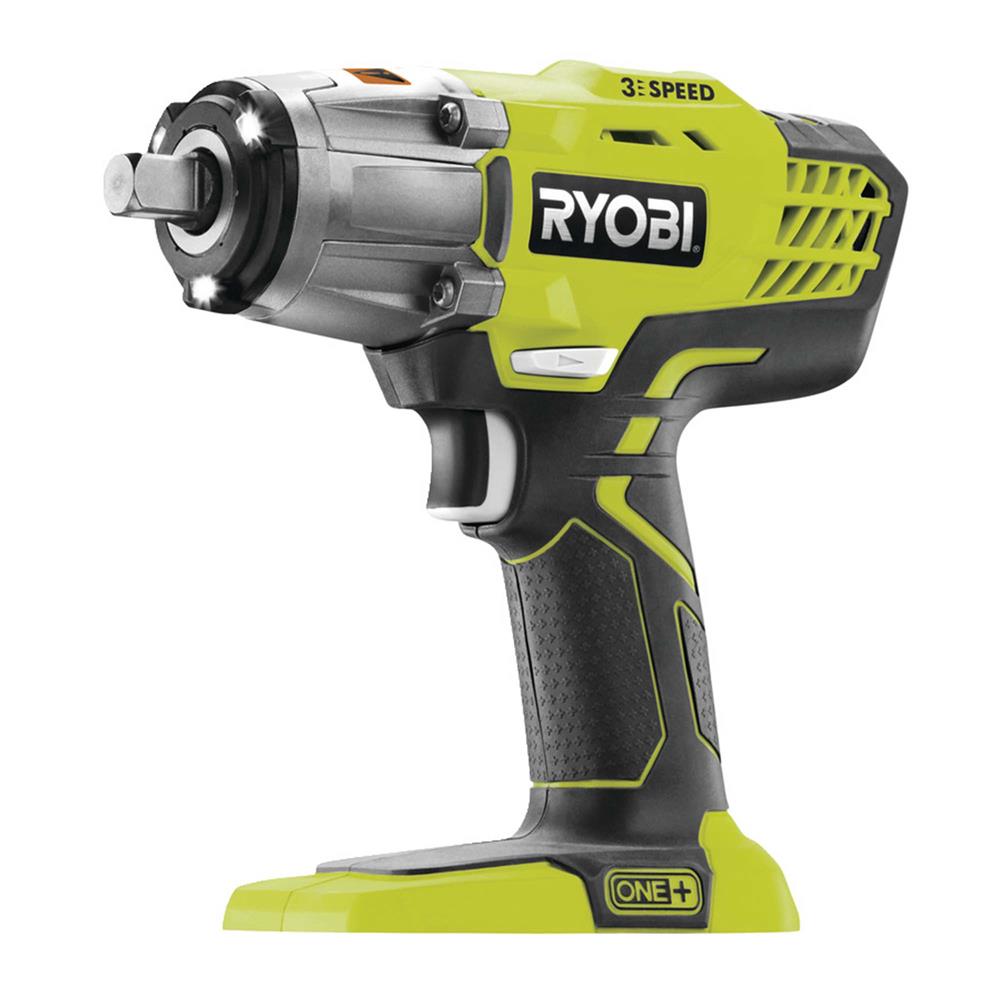
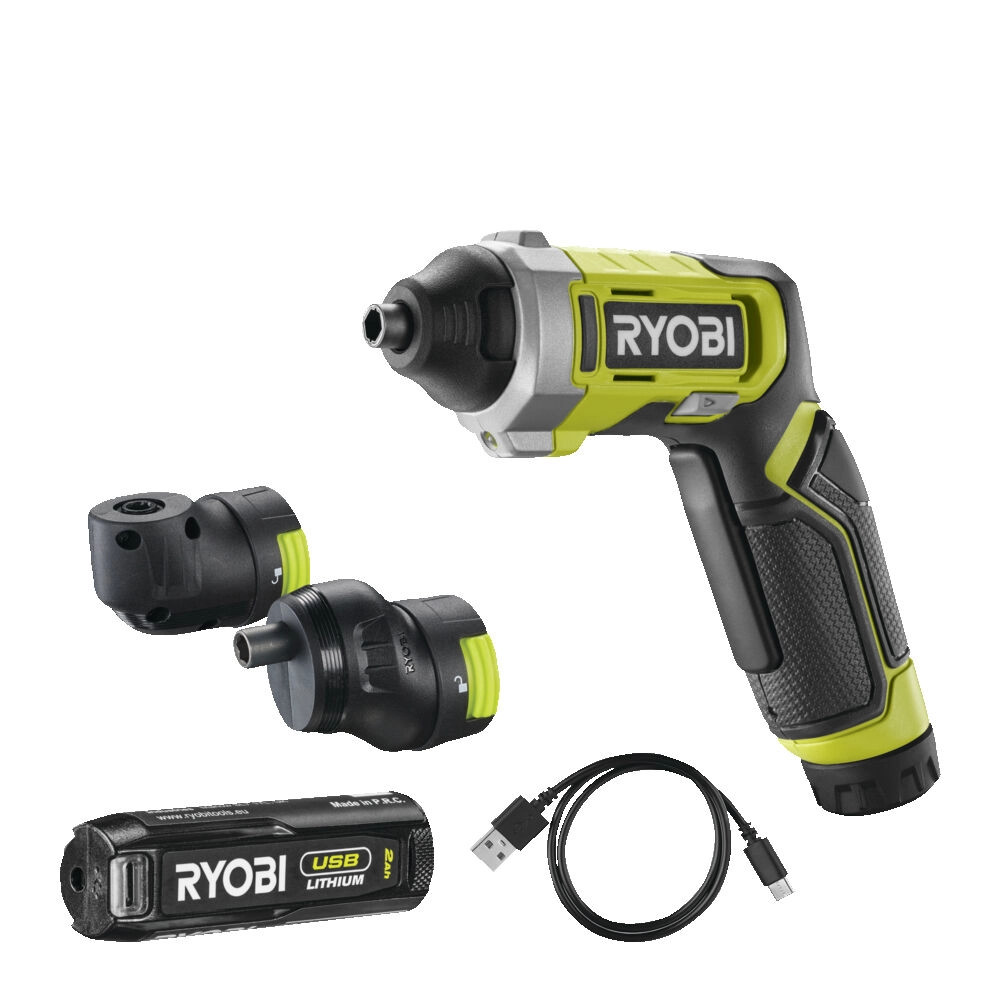
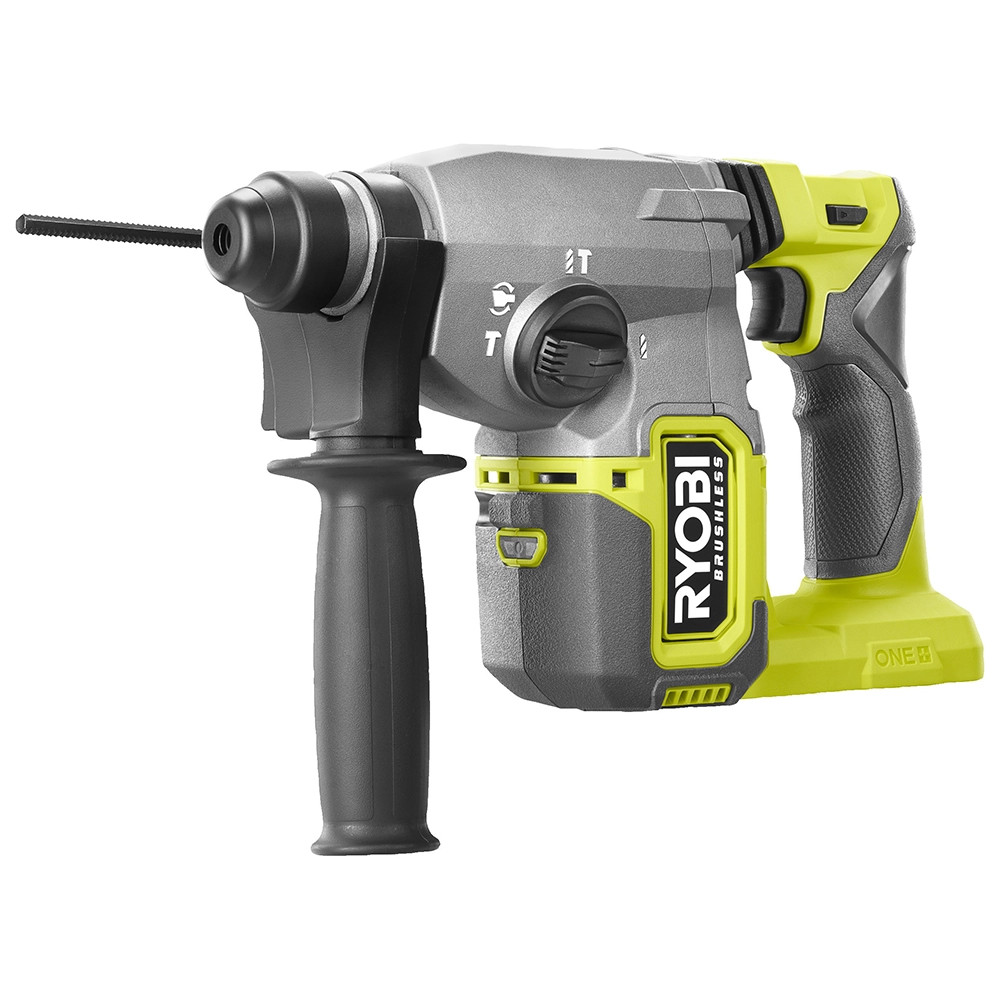
Ryobi Drills and Drivers
Ryobi Drills and Drivers cover the jobs most people actually face at home and on light site work, from pilot holes and fixings to flatpack, fencing and general repairs.
If you're drilling into timber, brick or sheet and driving fixings all day, you want kit that is simple, dependable and easy to grab off the shelf. This Ryobi range suits DIYers, maintenance teams and trades needing practical Power Tools without jumping between battery systems. A lot of the appeal is the shared Ryobi 18V ONE+ platform, so once you're set up, adding another combi, drill driver or impact driver makes sense. If you're building out your Ryobi kit, start with the jobs you do most and buy accordingly.
What Are Ryobi Drills and Drivers Used For?
- Drilling timber, plasterboard, plastics and light metal on day to day fixings, shelving, studwork repairs and general snagging jobs around the house or workshop.
- Driving long screws into carcassing, fencing, decking and sheet material where a lighter cordless tool saves time over hand driving every fixing.
- Using combi drills for brick and block when fitting cable clips, conduit, brackets, battens or wall plugs on smaller install and maintenance work.
- Assembling flatpack, kitchen units, storage, gates and timber frames where controlled torque matters more than brute force and you do not want to strip fixings.
- Tackling outside jobs alongside Garden Power Tools when you want one battery platform covering sheds, planters, fencing and general garden improvements.
Choosing the Right Ryobi Drills and Drivers
Match the tool to the fixing and the material. Do not buy an impact driver when what you really need is a combi drill, and do not expect a basic drill driver to like masonry all day.
1. Drill Driver or Combi Drill
If most of your work is timber, plasterboard, flatpack and pilot holes, a drill driver is usually the cleaner choice. If you also need to get into brick or block for plugs and brackets, go straight for a combi drill with hammer mode.
2. Impact Driver for Repeated Fixings
If you spend more time driving screws than drilling holes, an impact driver makes life easier. It is the better pick for long fixings, coach screws and repetitive work where a standard drill starts twisting your wrist.
3. Body Only or Kit
If you are already on the Ryobi 18V ONE+ system, body only usually saves money. If this is your first step into the range, buy a kit with battery and charger so you are not stuck waiting before the first job starts.
4. Size and Weight
For overhead fixing, cupboard work and tight corners, a smaller lighter drill is the sensible buy. If you are drilling bigger holes or driving heavier fixings into timber all weekend, extra torque is worth carrying.
Who Uses These Kits?
- DIY users reach for Ryobi Drills and Drivers for proper home improvement work, especially when they need one kit for shelves, curtain poles, stud walls and repair jobs.
- Maintenance teams like them for day to day drilling and fixing across offices, schools and rental properties where portability matters more than carrying a full van of specialist gear.
- Kitchen fitters and chippies use drill drivers for hinges, carcasses and timber fixings, while keeping an impact driver handy for repeated screw driving without wrecking wrists.
- Garden and property owners already on Ryobi cordless tools often add these for fencing, sheds and gates, then back them up with spare Batteries Chargers and Mounts so the job keeps moving.
The Basics: Understanding Ryobi Drills and Drivers
These all look similar at a glance, but they do different jobs on site and at home. The simple bit is knowing which action suits the material and the fixing.
1. Drill Drivers
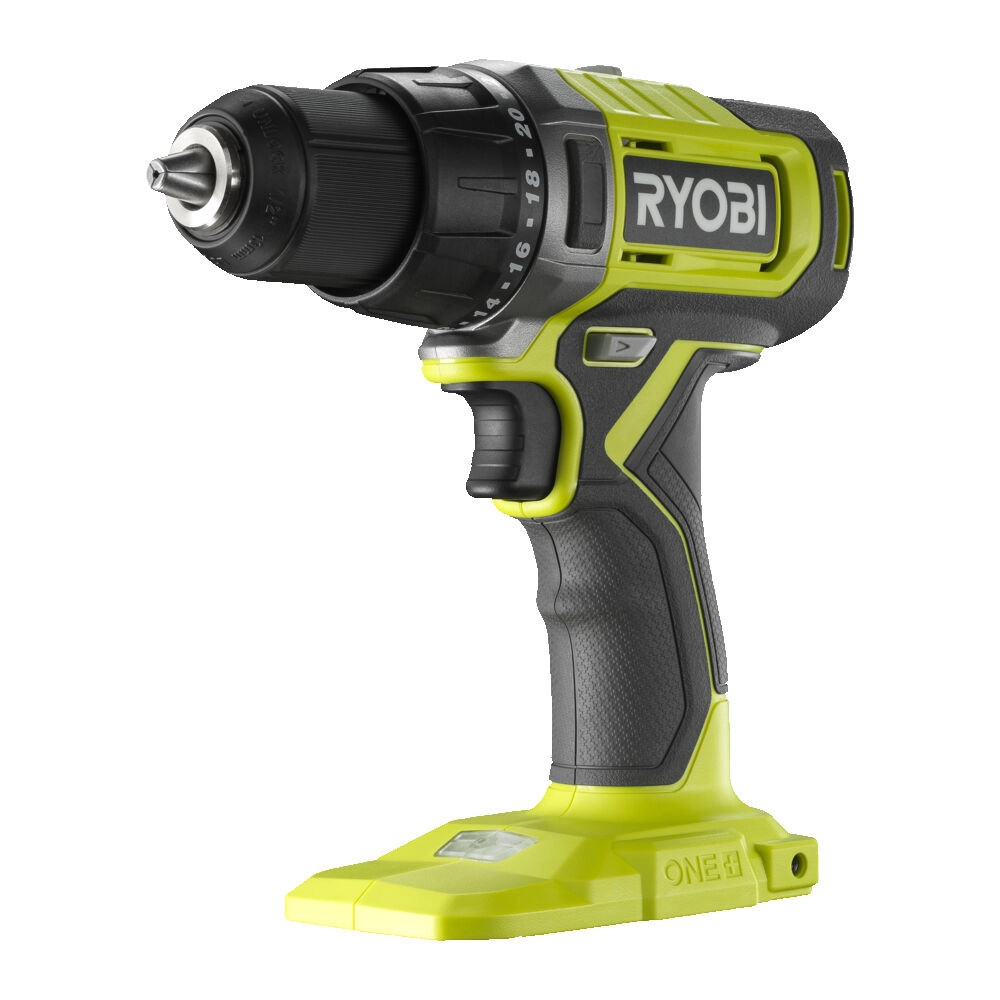
This is the everyday all rounder for drilling holes in timber, metal and plastic, then driving screws with adjustable torque. It is the one you grab for cabinets, battens, flatpack and general repair work.
2. Combi Drills
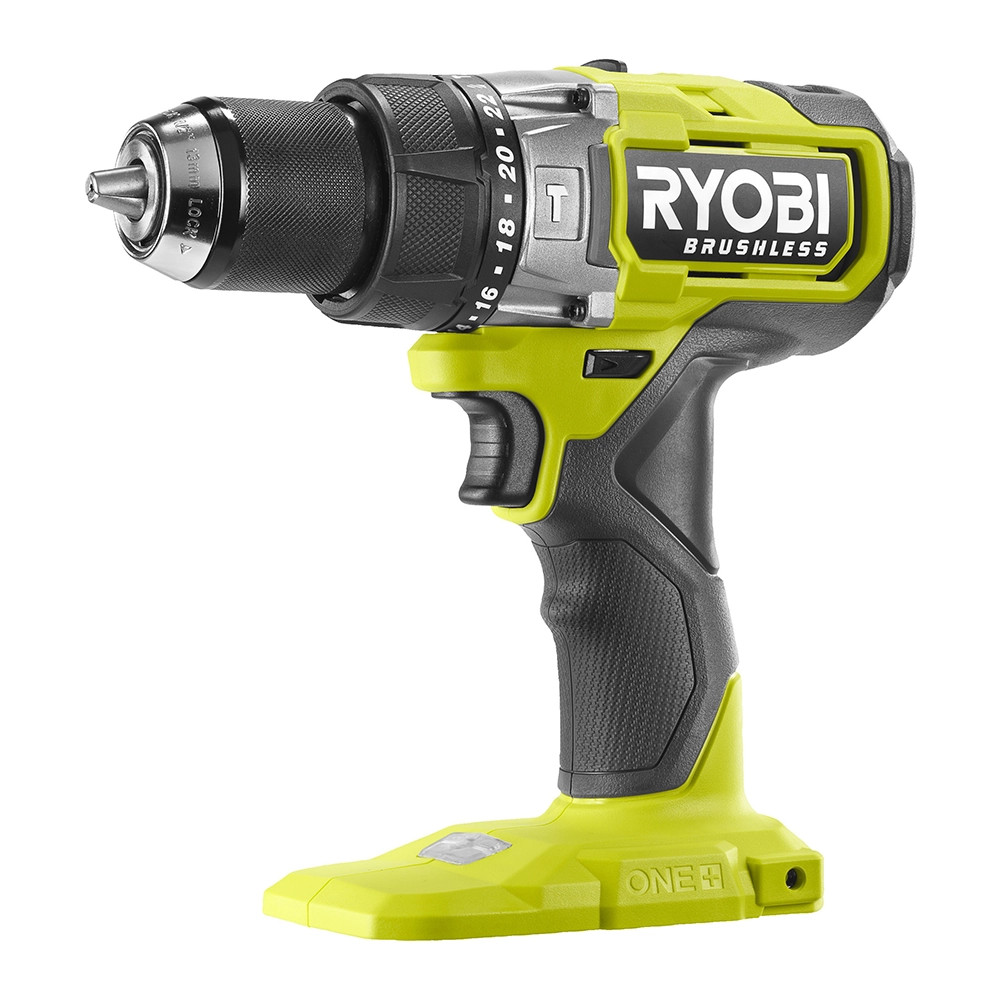
A combi drill adds a hammer action for light masonry work. That means one tool can handle timber and fixings indoors, then go outside and drill brick for plugs, clips and brackets without changing kit.
3. Impact Drivers
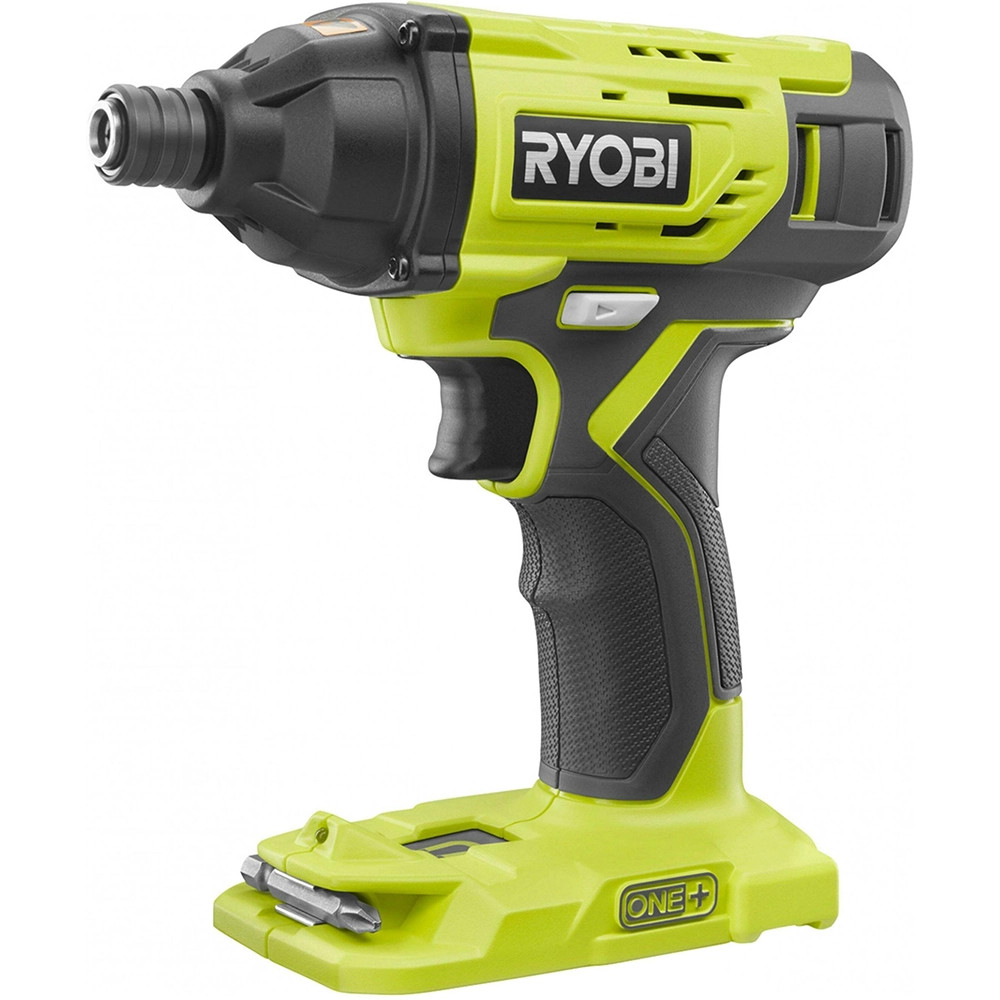
Impact drivers are built for driving fixings fast with less kick through the handle. They are ideal when you are sinking lots of screws into timber, fitting decking or driving longer fixings where a drill driver starts to struggle.
Ryobi Drill and Driver Accessories That Save Time
A few sensible extras stop the usual hold ups and keep your drilling and driving jobs moving.
1. Spare Batteries
A spare battery is the obvious one, especially if you are moving between drilling and driving on the same job. It saves that dead stop halfway through a run of fixings or when you are up a ladder with one battery flashing empty.
2. Charger
Keeping a proper charger in the van, garage or workshop means you are not waiting around for the next job. It is a small buy that makes a big difference if more than one tool is sharing the same platform.
3. Drill and Driver Bit Sets
A decent mixed bit set saves you bodging the job with the nearest worn bit in the bottom of the case. You want the right sizes for pilot holes, wall plugs and screw heads so fixings go in clean and materials do not get chewed up.
Choose the Right Ryobi Drills and Drivers for the Job
Use this quick guide to sort the right type before you buy.
| Your Job | Ryobi Drill or Driver Type | Key Features |
|---|---|---|
| Flatpack, shelving, hinges and general home repairs | Drill Driver | Adjustable torque, lighter weight, good control on smaller screws and pilot holes |
| Brick, block and general fixing around the house | Combi Drill | Hammer mode for masonry, standard drilling modes for timber and metal, one tool for mixed jobs |
| Decking, fencing and repeated long screw work | Impact Driver | Higher fastening force, less wrist twist, quicker driving on longer fixings |
| Starting out on the platform | Kit with Battery and Charger | Ready to use straight away, better value if you do not already own Ryobi batteries |
| Adding another tool to an existing setup | Body Only | Lower upfront cost, ideal if you already run compatible Ryobi battery packs |
Common Buying and Usage Mistakes
- Buying a standard drill driver when you regularly need to drill brick is a common mistake. You will end up fighting the tool and wasting time, so buy a combi drill if masonry is part of the plan.
- Choosing on price alone and ignoring battery compatibility causes hassle later. If you are already on Ryobi cordless gear, stick with the same platform so batteries and chargers stay useful.
- Using worn driver bits ruins screw heads and makes the tool feel worse than it is. Swap bits before they round off fixings and you will get cleaner faster driving.
- Going too big for light jobs sounds sensible but soon gets tiring. For cupboard work, overhead fixing and regular DIY, a lighter tool is usually the better long shift option.
- Running one battery across every tool with no spare is asking for stoppages. Keep a second charged pack ready or the job stops the moment the first one drops off.
Drill Driver vs Combi Drill vs Impact Driver
Drill Driver
Best for timber, metal, plastics and clean screwdriving where control matters. It is the sensible everyday choice for shelves, cabinets and repairs, but it is not the one for regular masonry drilling.
Combi Drill
The best all round pick if your jobs jump between timber and occasional brick or block. It does more in one tool, though it can be bulkier than a plain drill driver for lighter indoor work.
Impact Driver
Built for driving screws and fixings fast, especially longer ones into timber. It is not a replacement for all drilling jobs, but for decking, fencing and repeated driving it is usually the better tool.
Maintenance and Care
Clean the Chuck and Vents
Brush out dust, swarf and plaster after use so the chuck grips properly and the motor can breathe. Letting debris build up is an easy way to shorten tool life.
Look After Batteries Properly
Do not leave packs flat for long periods or rattling around loose in the van. Charge them properly, store them dry and rotate them so one pack is not doing all the work.
Use Sharp Bits and Good Driver Tips
Blunt drill bits and chewed driver bits put extra strain through the tool and the user. Replace worn accessories early and the tool will drill cleaner and drive fixings without slipping.
Store the Tool Dry
If the drill has been out in the cold, damp or garden, wipe it down before it goes back in the case or garage. Moisture and dirt around the contacts and chuck soon cause avoidable problems.
Repair or Replace Sensibly
If the chuck slips, the trigger starts cutting out or the housing is cracked after a drop, stop using it until checked. Minor wear is one thing, but forcing on with a damaged drill usually costs more in the long run.
Why Shop for Ryobi Drills and Drivers at ITS?
Whether you need a compact drill driver for home jobs, a combi for brick and block, or an impact driver for repeated fixings, we stock the full Ryobi range in one place. That includes the key tool types, kits, body only options and supporting batteries and chargers, all held in our own warehouse and ready for next day delivery.
Ryobi Drills and Drivers FAQs
What are Ryobi Drills and Drivers used for?
They cover everyday drilling and fixing jobs such as shelving, flatpack, studwork, fencing, gate repairs and general home maintenance. A drill driver is ideal for timber and sheet materials, a combi drill adds light masonry work, and an impact driver is the better bet for repeated long screws and tougher fixings.
Are Ryobi Drills and Drivers compatible with Ryobi batteries?
Yes, if the model is part of the Ryobi 18V ONE+ range, it is built to run on that shared battery system. That is one of the main reasons people buy into it. Just make sure you are matching the tool to the correct platform rather than assuming every older or different voltage product takes the same pack.
How do I choose the right ryobi drills and drivers?
Start with the work, not the spec sheet. If you mostly assemble, drill pilot holes and do lighter fixing, a drill driver is enough. If brick and block are part of the job, buy a combi. If you drive lots of screws into timber, especially longer ones, get an impact driver. Then decide whether you need a full kit or just a body if you already own batteries.
Can Ryobi Drills and Drivers be used for DIY and garden jobs?
Yes, that is exactly where a lot of them earn their keep. They are well suited to sheds, fencing, raised beds, gates, planters, wall fixings and general repair work around the house and garden. Just use the right bit, the right fixing and enough battery for the job rather than expecting one small pack to last through a full day outdoors.
Are these good enough for trade work, or mainly home use?
They are a good fit for DIY, property maintenance and lighter trade duties where convenience and battery compatibility matter. If you are on heavier site drilling all day into dense masonry or doing nonstop first fix, you may want a more site focused setup, but for mixed work and regular use they do the job well.
Should I buy body only or a full kit?
Body only makes sense if you already own compatible Ryobi batteries and a charger. If you are new to the range, buy the kit. It saves the usual mistake of getting the tool home and realising you still need the bits that actually power it.