




Ryobi Cordless Power Tools
Ryobi Cordless Power Tools make sense when you want one battery system for drilling, cutting, fixing and site jobs without filling the van with chargers.
If you're sorting snagging, first fix, kitchen fits or weekend home improvement, Ryobi cordless tools give you a practical way into a broad kit without chopping between systems. The Ryobi 18V ONE+ range is the big draw here, with drills, saws, grinders and more that all work off the same platform. For anyone building out a dependable set of Power Tools, this is the sort of gear that keeps jobs moving and makes battery buying simpler. Have a proper look through the range and match the tool to the work.
What Are Ryobi Cordless Power Tools Used For?
- Drilling timber, masonry and metal on repair jobs, flat refits and home improvement work is where Ryobi Cordless Power Tools earn their keep, especially when you need to move room to room without dragging leads.
- Cutting sheet material, floorboards and stud timber during kitchen installs, boxing-in work and general carpentry is quicker with Ryobi cordless tools because you can stay mobile and grab the same battery across the kit.
- Driving fixings for decking, cabinets, stud walls and general second fix is a common job for this range, particularly when you want decent everyday performance without overcomplicating the setup.
- Sorting sanding, grinding and trimming jobs around refurbs, maintenance calls and workshop work is easier when the tools all sit on one battery platform and you are not hunting for the right charger.
- Tackling DIY tools and garden crossover jobs around the house, shed and driveway makes sense with this range, especially if you already run Ryobi kit and want the same batteries doing more than one type of job.
Choosing the Right Ryobi Cordless Power Tools
Sorting the right one is simple: buy for the jobs you actually do every week, not the one-off task you might tackle next year.
1. Start With Your Core Jobs
If most of your work is drilling, fixing and general install work, start with combi drills, impact drivers and a decent light. If you are doing cut-heavy jobs like flooring, sheet material or studwork, get the saws in early and build around them.
2. Body Only or Full Kit
If you already run Ryobi 18V ONE+, body only tools save money and keep the collection growing without paying twice for batteries. If this is your first step into the range, a kit with batteries and charger is the sensible place to start.
3. Match Battery Size to Runtime
Small batteries are fine for drills, drivers and quick snagging work. If you are running saws, grinders or anything that stays under load, step up your battery capacity or you will spend more time swapping packs than getting on with the job.
4. Think About the Full System
The smart buy is the one that fits the rest of your kit. If you know you will add more later, check the wider Ryobi range first so your next tool, spare battery and charger all make sense together.
Who Uses These Kits?
- Kitchen fitters and chippies use Ryobi cordless power tools for cutting panels, fitting units and driving fixings all day, especially on jobs where moving quickly between rooms matters more than dragging extension leads.
- Maintenance teams and landlords keep this sort of kit handy for call-out work, because one battery system covers drilling, trimming, sanding and quick repairs without loading the van with mixed chargers.
- DIYers and serious home renovators swear by them for ongoing house jobs, from putting up studwork to fitting flooring, because the platform grows with the work instead of needing a fresh battery every time.
- Garden and property upkeep users often buy into the system through indoor tools first, then add outdoor kit later through Garden Power Tools so the same batteries cover both sides of the job.
The Basics: Understanding Ryobi Cordless Power Tools
The main thing to understand here is not the motor jargon. It is the battery platform. Once you buy into the right system, adding more tools gets cheaper and a lot less hassle.
1. One Battery Platform
A big reason trades and home improvers buy Ryobi cordless tools is that one battery platform can run a wide spread of kit. That means less clutter in the van, fewer chargers on the bench and less chance of turning up with the wrong battery.
2. Body Only Means Expand the Range
Once you already own batteries, body only tools are the cost-effective way to grow the setup. It is the usual move when you start with a drill and driver, then add saws, sanding or trimming tools as the jobs get bigger.
3. Battery Capacity Changes the Day
Higher capacity packs generally suit longer, heavier jobs, while lighter packs keep drills and drivers handier for overhead or repetitive work. The right balance is less about numbers on paper and more about how long you need to work before changing over.
Ryobi Cordless Power Tool Extras That Save You Hassle
A few sensible add-ons stop downtime, keep the system working properly and save repeat trips back to the van.
1. Spare Batteries
A spare pack is the obvious one, because nothing slows a job down faster than waiting on charge halfway through cutting sheets or driving fixings. Keep one on the tool and one charging and the day runs properly.
2. Chargers
An extra charger is worth having if you are running more than one tool regularly or sharing batteries across indoor and outdoor kit. It cuts waiting time and keeps the bench or van setup far less chaotic.
3. Battery Storage and Mounts
Loose batteries rolling round the van get knocked about, covered in dust and forgotten when you need them. Proper mounts and storage make it easier to keep charged packs together and ready for the next job.
4. Blades, Bits and Discs
Do not judge the tool by a tired accessory. Fresh blades, decent drill bits and the right discs make a bigger difference than most people admit, especially on cleaner cuts and faster drilling.
Choose the Right Ryobi Cordless Power Tools for the Job
Use this quick guide to narrow the type of tool before you start comparing specs.
| Your Job | Tool Type | Key Features |
|---|---|---|
| General drilling and screwdriving around installs and repairs | Combi Drill or Drill Driver | Compact size, variable speed, clutch settings and battery compatibility across the range |
| Fast fixing into timber, brackets and longer screws | Impact Driver | Higher fastening speed, better control on repetitive fixing work and less wrist strain on stubborn screws |
| Cutting sheet material, flooring and stud timber | Circular Saw or Jigsaw | Choose blade size and cut capacity to suit the material, and use bigger batteries for longer cutting runs |
| Sanding, trimming and snagging on refurb jobs | Multi Tool or Sander | Quick accessory changes, good control in tight spots and handy runtime with mid-size battery packs |
| Grinding metal, cleaning up edges or cutting bolts and bar | Angle Grinder | Check disc size, side handle setup and use a higher capacity battery if the tool will stay under load |
Common Buying and Usage Mistakes
- Buying the cheapest starter setup without checking the wider system often means replacing half the kit later. Start with the jobs you do most and make sure the battery platform has room to grow.
- Running small batteries on saws and grinders all day is a false economy because runtime drops off and swapping packs becomes a constant nuisance. Use larger capacity packs for heavier draw tools.
- Assuming every cordless tool is right for trade pace can leave you short on longer shifts. Be honest about whether the job is occasional DIY use, regular maintenance work or full days on the tools.
- Ignoring accessories like decent blades, bits and spare chargers makes even good kit feel poor. Half the time the issue is not the tool at all, it is the worn consumable or flat battery slowing you down.
- Mixing loose batteries and chargers in the van shortens their life and wastes time on site. Keep them organised, dry and charged so the system actually works the way it should.
Combi Drills vs Impact Drivers vs Circular Saws
Combi Drill
This is the all-rounder for drilling holes and driving screws across timber, metal and light masonry. If you are only buying one tool to start the range, this is usually it, but it is slower than an impact driver on repetitive fixing.
Impact Driver
Best when the day is mostly screws, coach bolts and fixings into timber. It is quicker and easier on the wrist than a combi for long runs of fastening, but it is not your main choice for standard drilling jobs.
Circular Saw
The right pick for sheet cuts, floor work and timber sizing where speed matters. It handles bigger cutting jobs far better than trying to force a multi tool or jigsaw through everything, but it needs the right blade and decent battery support.
Maintenance and Care
Clean Dust and Debris Off After Use
Give the tool a quick brush down after cutting, sanding or drilling. Packed vents and dusty battery contacts are a simple way to shorten tool life and cause poor performance.
Store Batteries Properly
Do not leave packs loose in a damp van or on a freezing floor overnight. Keep them dry, charged sensibly and together with your Batteries Chargers and Mounts so they are ready when you need them.
Change Worn Consumables Early
Blunt blades, tired bits and worn discs make the tool work harder and the job rougher. Swapping them before they are completely finished keeps cuts cleaner and reduces strain on the motor.
Check Chucks, Guards and Fixings
Have a quick look over moving parts and guards before starting. If something has loosened off in the van or taken a knock, sort it before it turns into bad cuts, wobble or a safety issue.
Repair or Replace Honestly
If a tool is still sound and just needs a fresh accessory or clean-up, keep it going. If the battery no longer holds proper charge or the tool is overheating and struggling, it is usually time to stop nursing it and replace what is worn out.
Why Shop for Ryobi Cordless Power Tools at ITS?
Whether you need a first drill, an extra body only saw, or a full Ryobi cordless setup that covers house jobs, site repairs and workshop work, we stock the range properly. From core Ryobi power tools to batteries, chargers and system add-ons, it is all in our own warehouse and ready for next day delivery across the UK.
Ryobi Cordless Power Tools FAQs
What are Ryobi Cordless Power Tools used for?
They cover the usual drilling, driving, cutting, sanding and grinding jobs around installs, repairs, refurbs and ongoing property maintenance. In plain terms, they are the sort of kit you use for building studwork, fitting kitchens, trimming boards, drilling fixings and sorting general house or site work without being tied to a lead.
Are Ryobi Cordless Power Tools compatible with Ryobi batteries?
Yes, that is one of the main reasons people buy into the system. If you are buying within the same Ryobi battery platform, especially the 18V ONE+ range, the batteries are designed to work across a wide spread of tools. It is still worth checking the individual listing, but the whole point is making one battery work across more of your kit.
How do I choose the right ryobi cordless power tools?
Start with the jobs you do most often. If you are mostly drilling and fixing, go combi drill and impact driver first. If you are cutting sheet or timber regularly, add a circular saw or jigsaw early. Then decide whether you need body only tools because you already own batteries, or a full starter kit if you are building the setup from scratch.
Can Ryobi Cordless Power Tools be used for DIY and garden jobs?
Yes, that crossover use is a big part of the appeal. Plenty of buyers start with indoor tools for repairs or renovation, then add outdoor kit for hedge cutting, trimming and clean-up. If you want one system doing more around the property, this range is built exactly for that sort of mixed use.
Are these good enough for regular trade use, or are they more for home jobs?
They suit a lot of regular maintenance, fitting and light trade work very well, especially where battery convenience and system value matter. If you are absolutely hammering tools every day on the toughest commercial jobs, you may want to compare specs carefully, but for plenty of installers, caretakers, landlords and serious renovators, they do the work just fine.
Should I buy body only or a full kit?
If you already own compatible batteries and chargers, body only is the sensible money-saving option. If you are new to the platform, buy a proper starter kit first so you are not caught out with a tool on the bench and no way to power it.
-
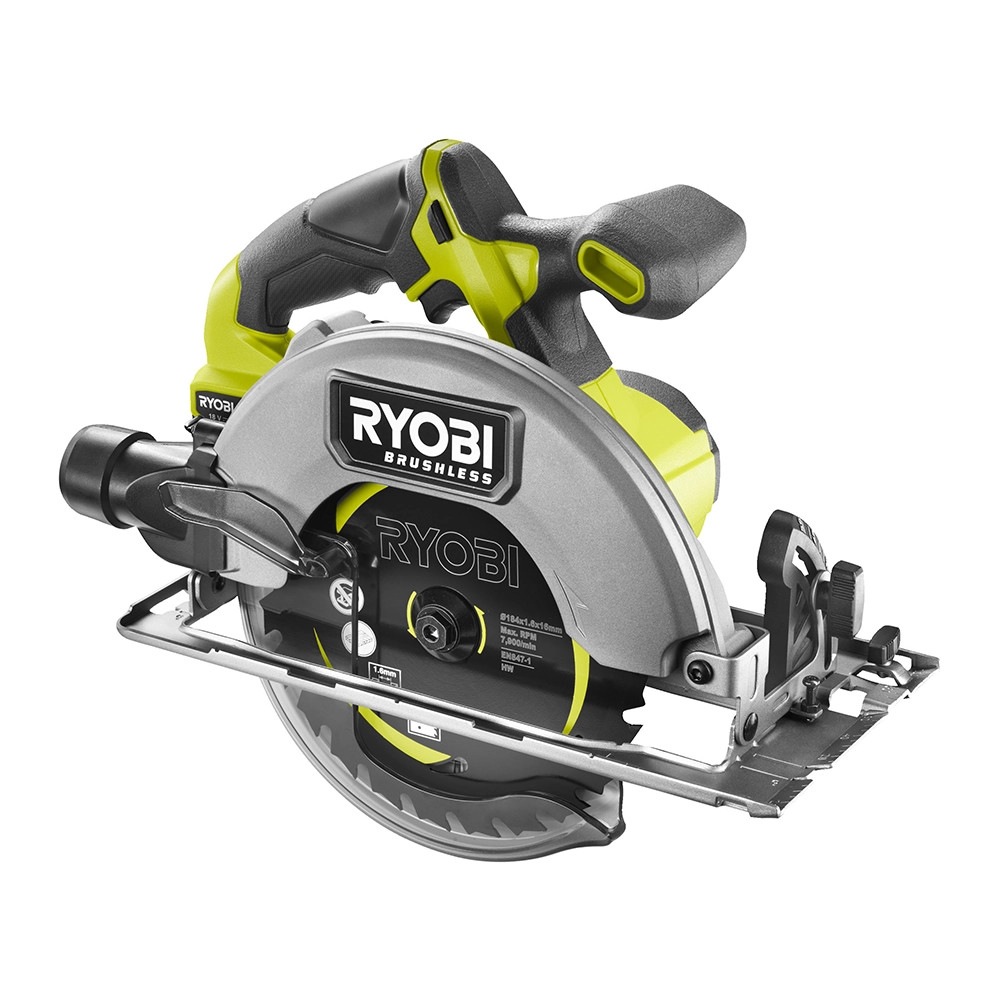
Ryobi Cordless Circular Saws
-
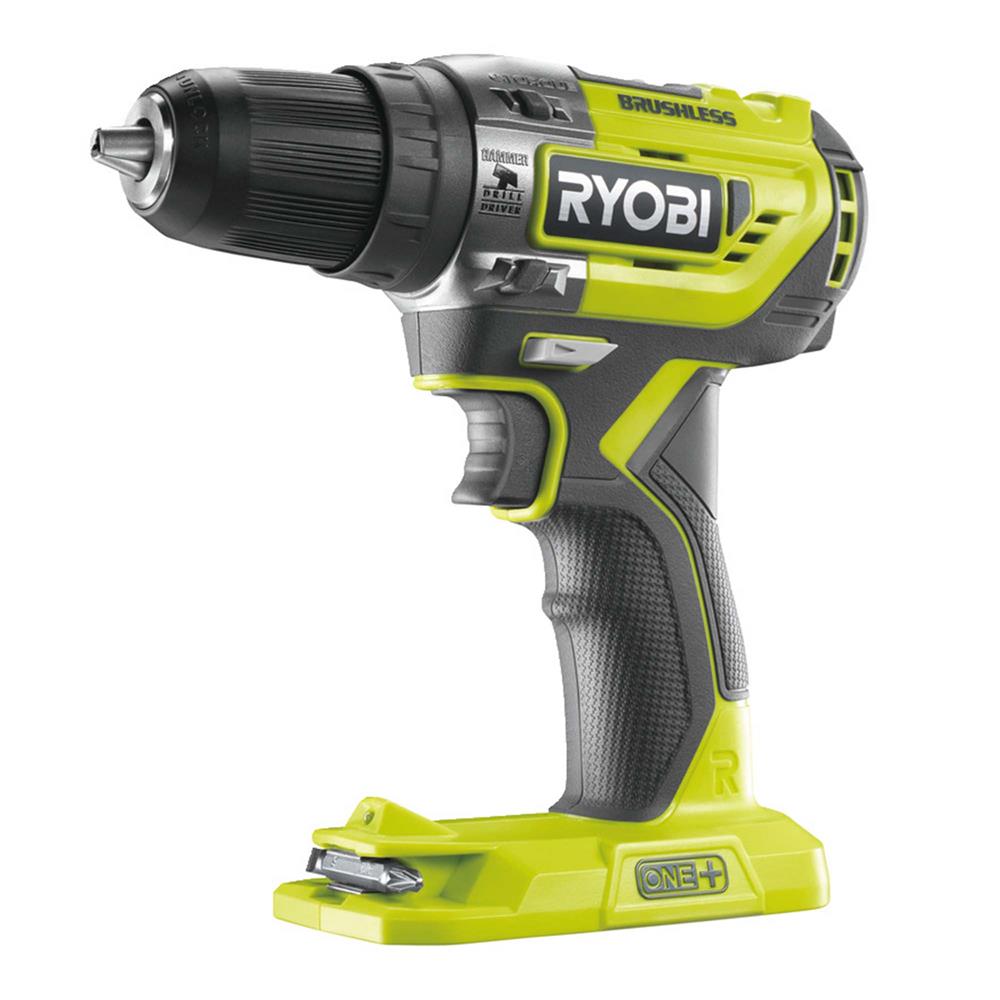
Ryobi Cordless Combi Drills
-
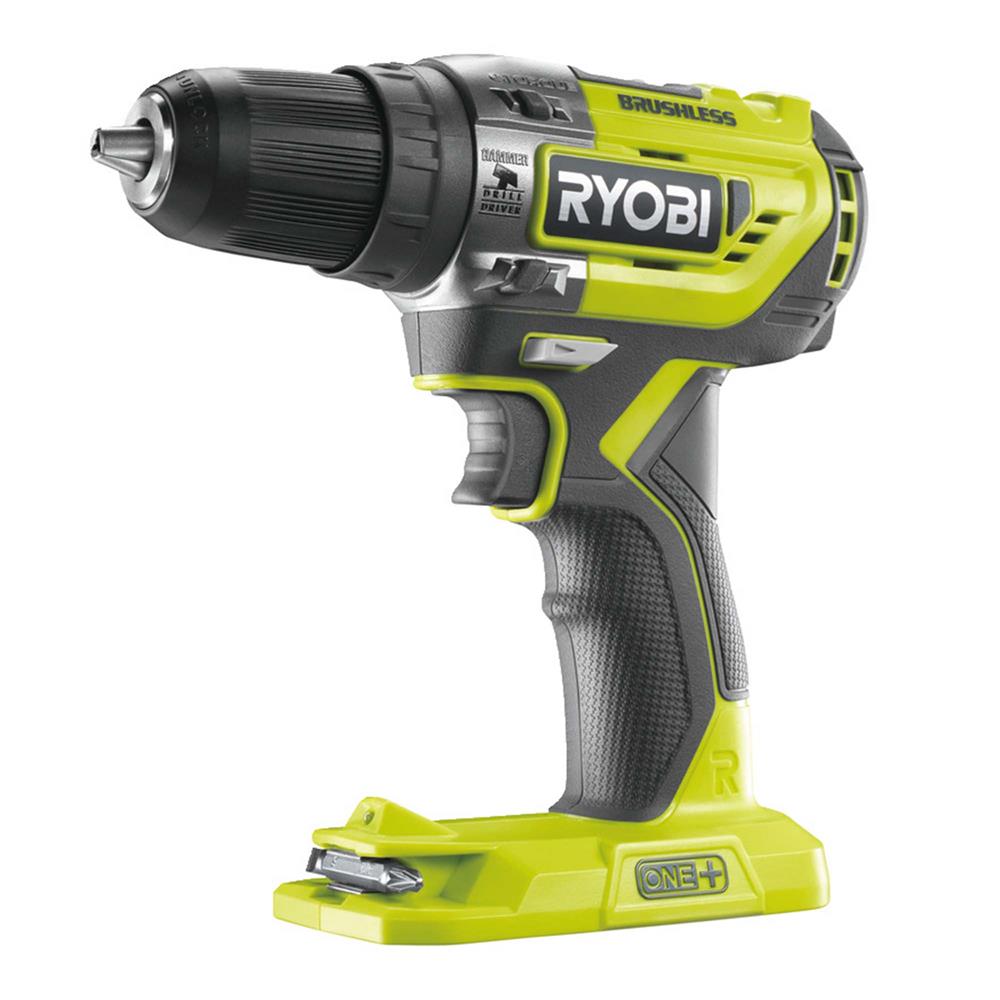
Ryobi Cordless Drill Drivers
-
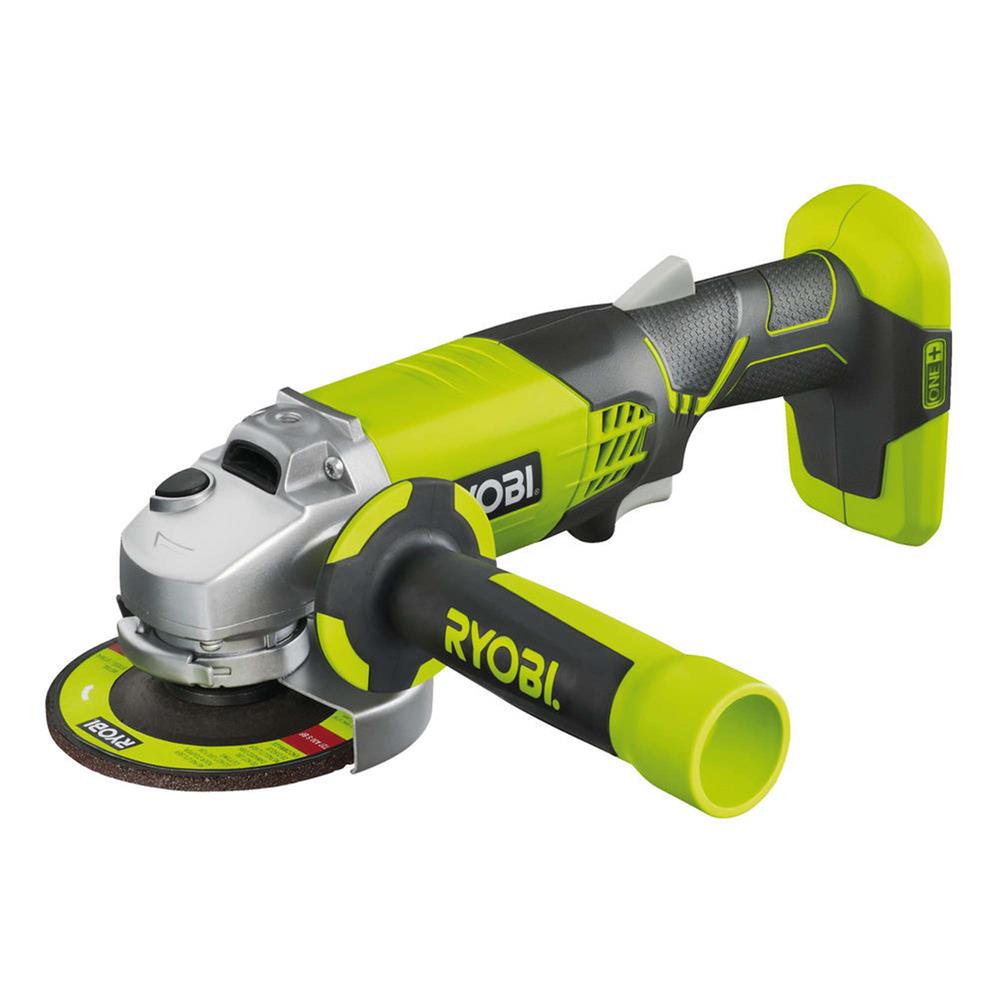
Ryobi Cordless Grinders
-
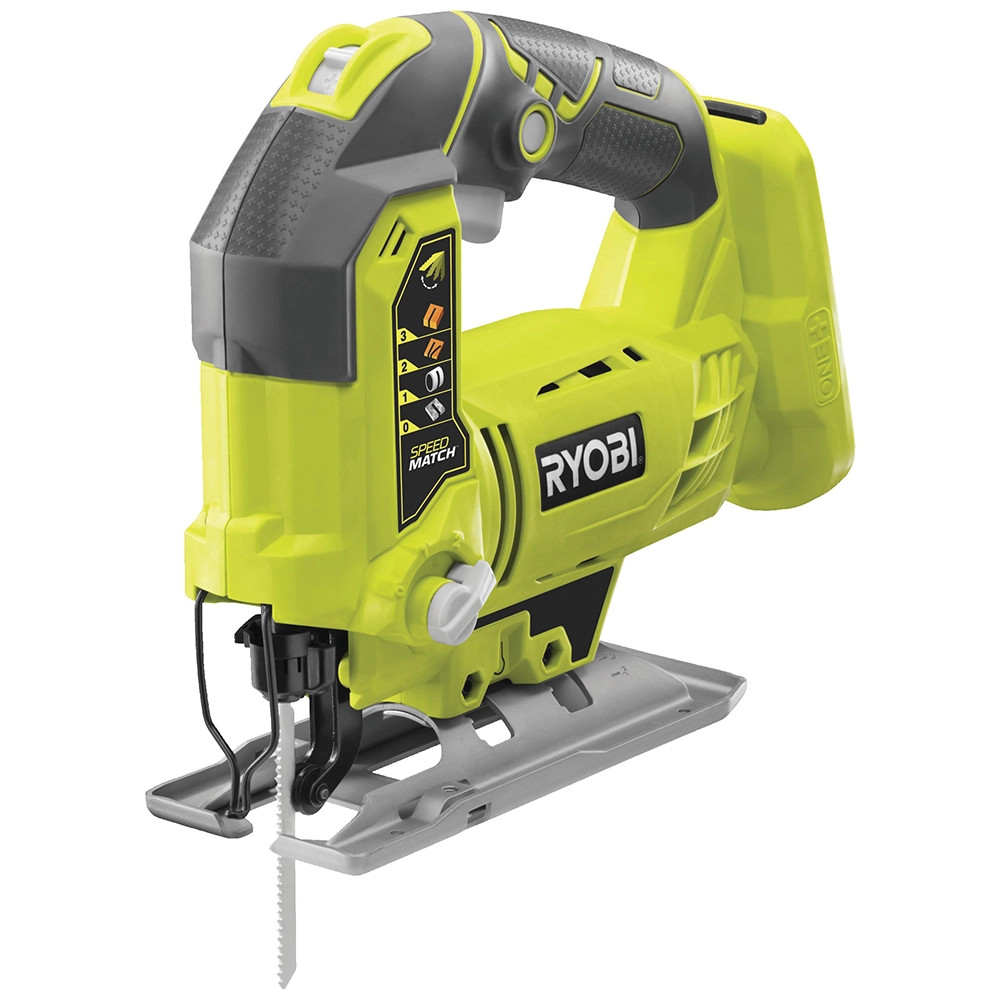
Ryobi Cordless Jigsaws
-
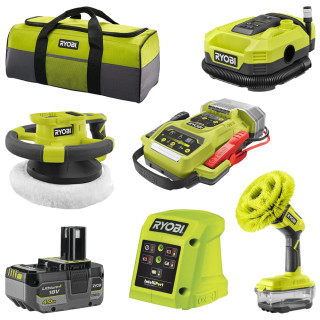
Ryobi Cordless Kits
-
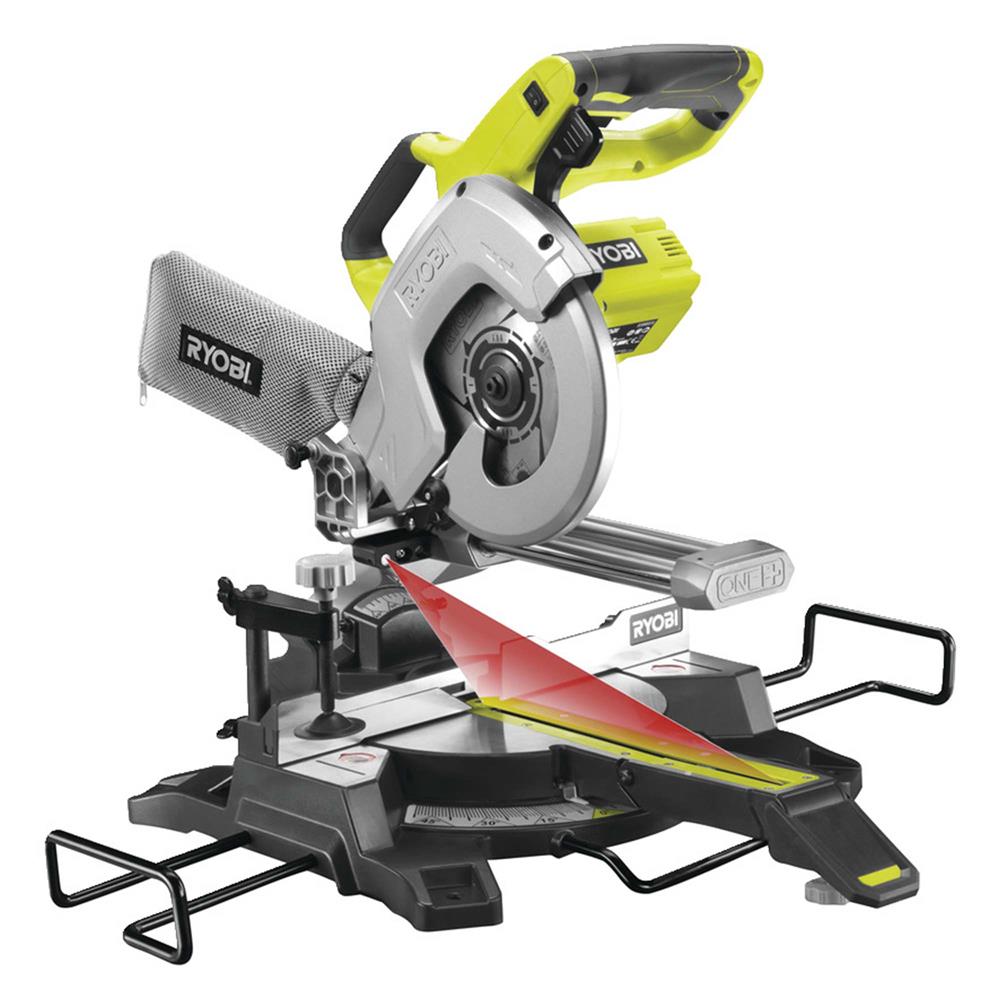
Ryobi Cordless Mitre Saws
-
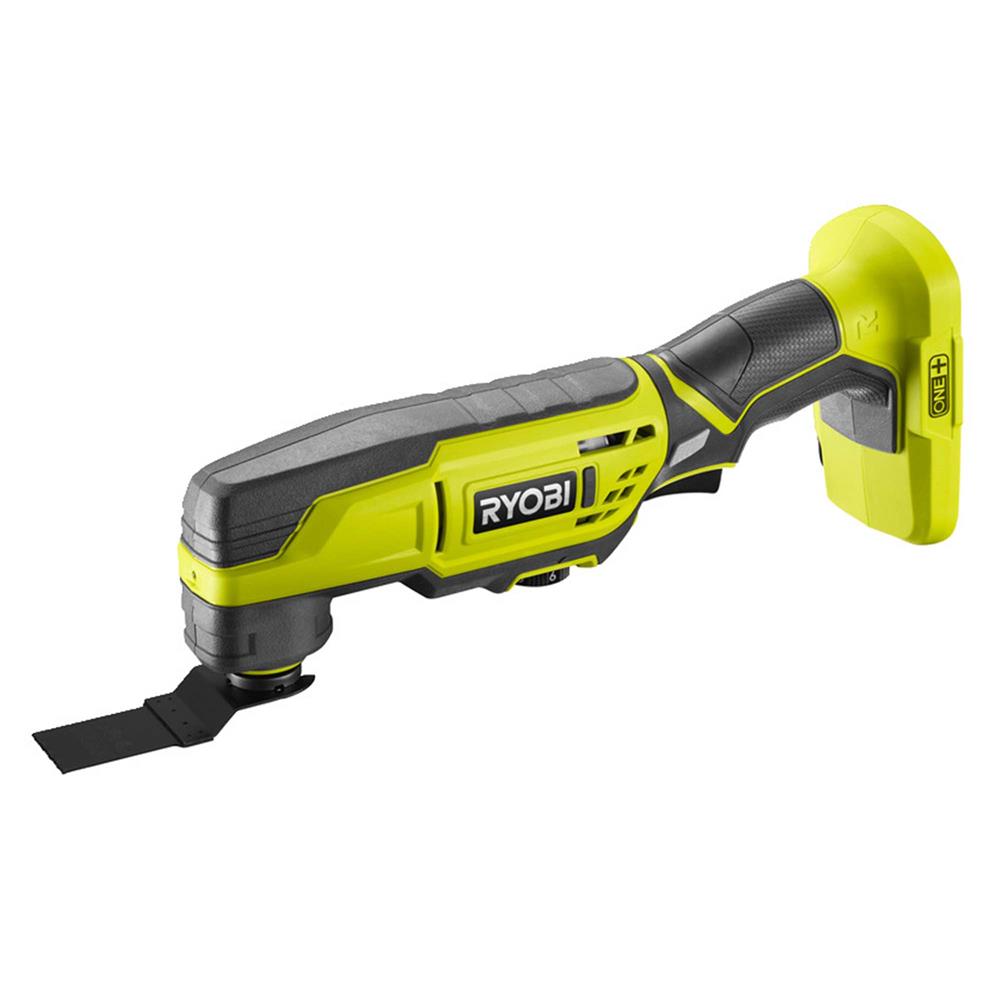
Ryobi Cordless Multi Tools
-
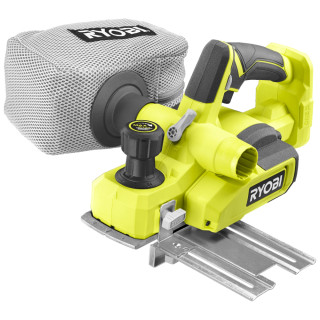
Ryobi Cordless Planers
-
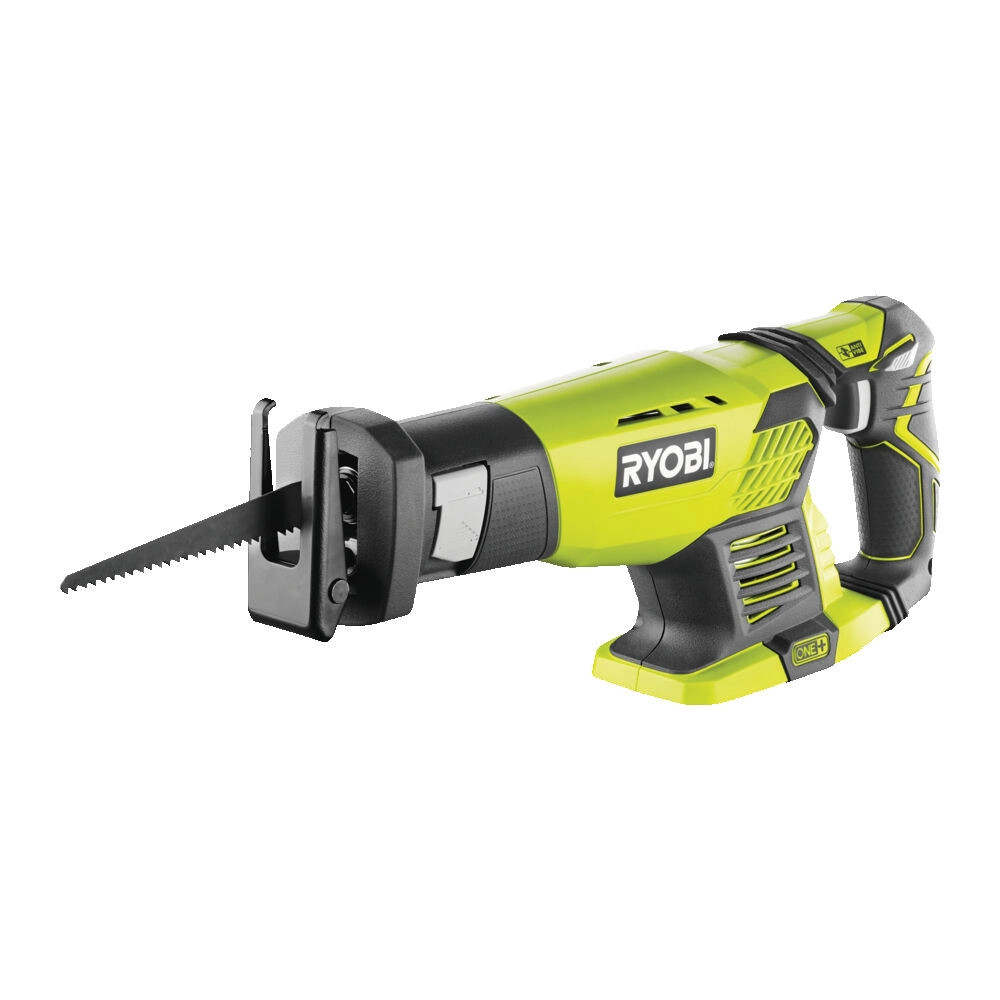
Ryobi Cordless Reciprocating Saws
-
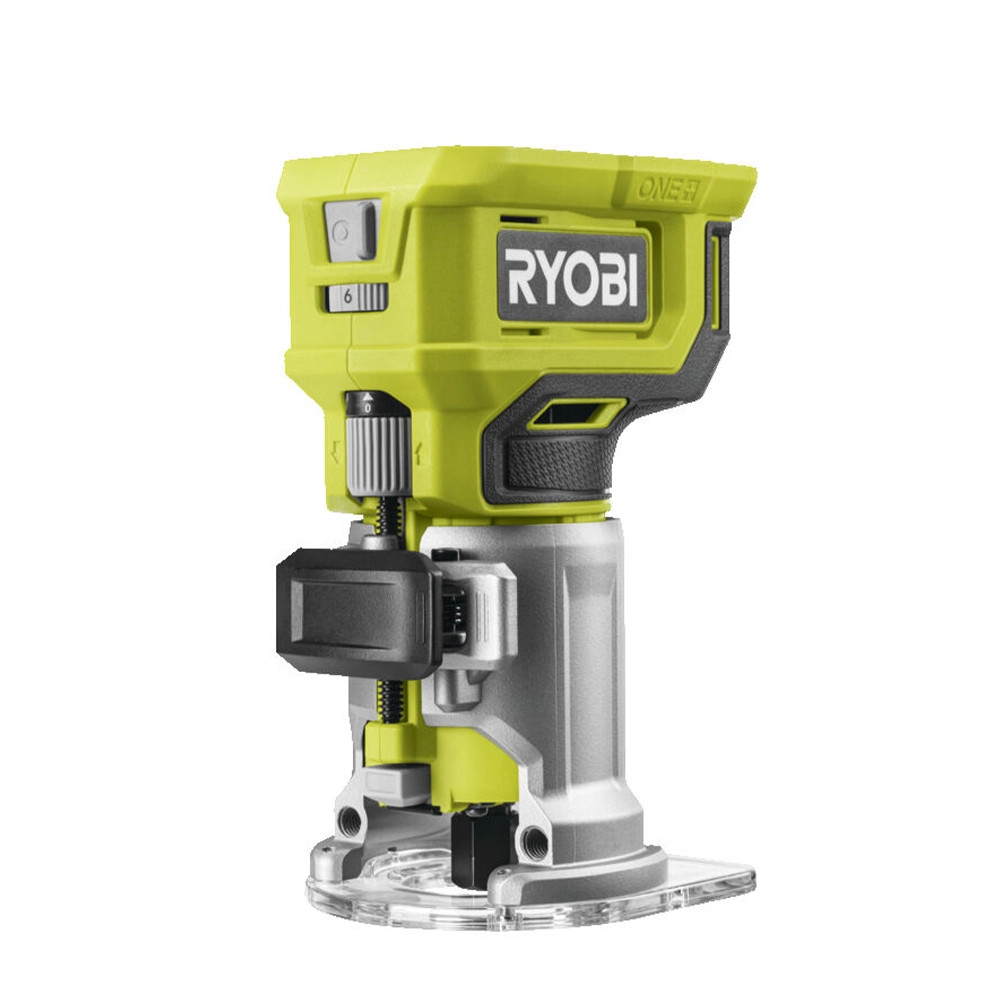
Ryobi Cordless Router Trimmers
-
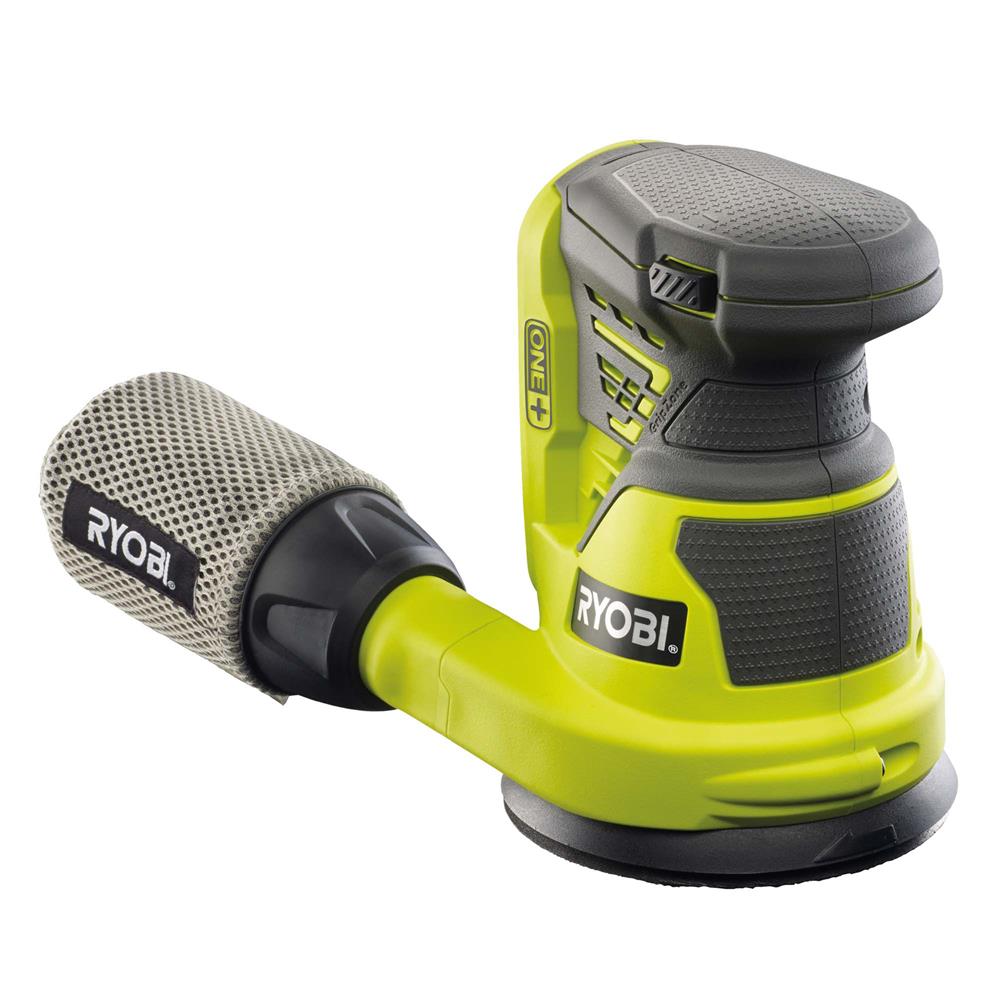
Ryobi Cordless Sanders
-
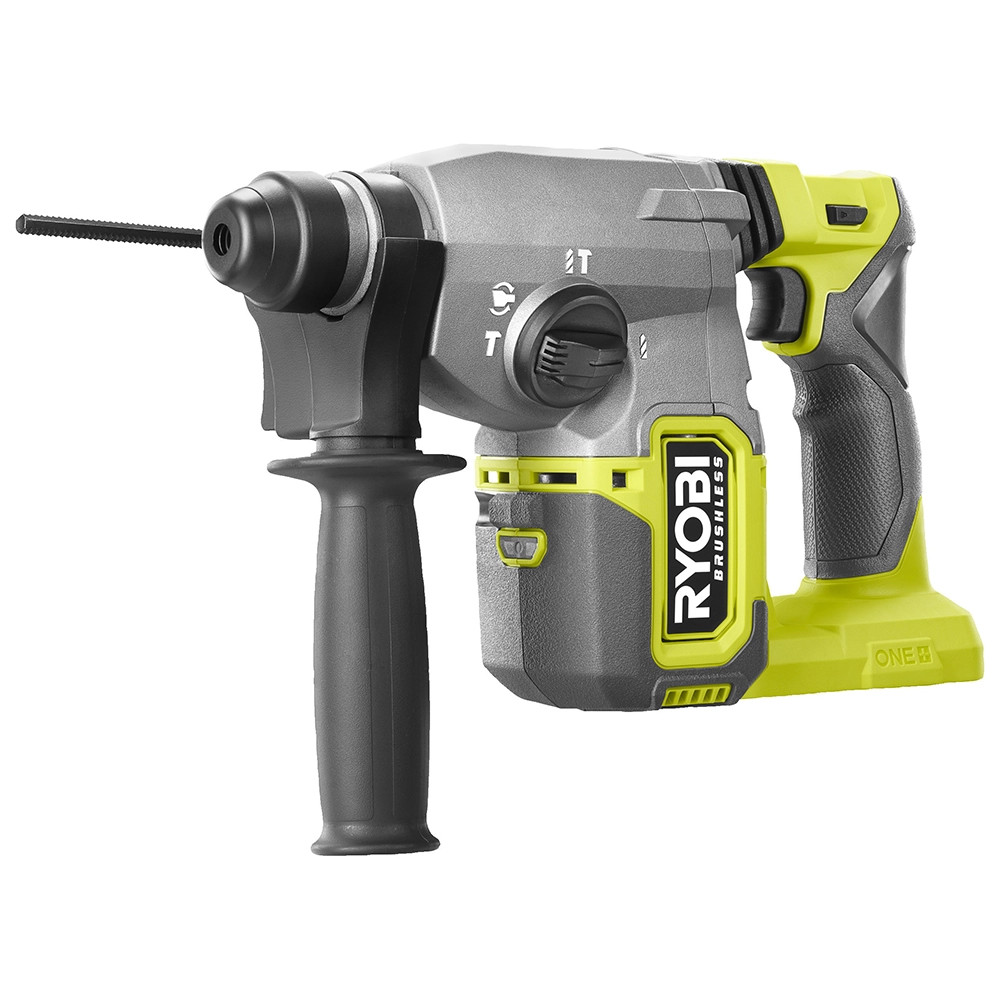
Ryobi Cordless SDS Hammers



