Ryobi Power Tool Accessories
Ryobi Power Tool Accessories keep your kit earning its keep, from fresh blades and bits to chargers, mounts and replacement accessories for daily jobs.
When a tool is sound but the consumable is shot, that is when jobs slow down. This Ryobi Power Tool Accessories range covers the bits that actually wear out or expand what your kit can do, whether you are drilling stud, cutting trim, cleaning up edges or keeping batteries ready for the next room. If you are already on Ryobi kit, match the accessory to the tool properly and get the right setup first time.
What Are Ryobi Power Tool Accessories Used For?
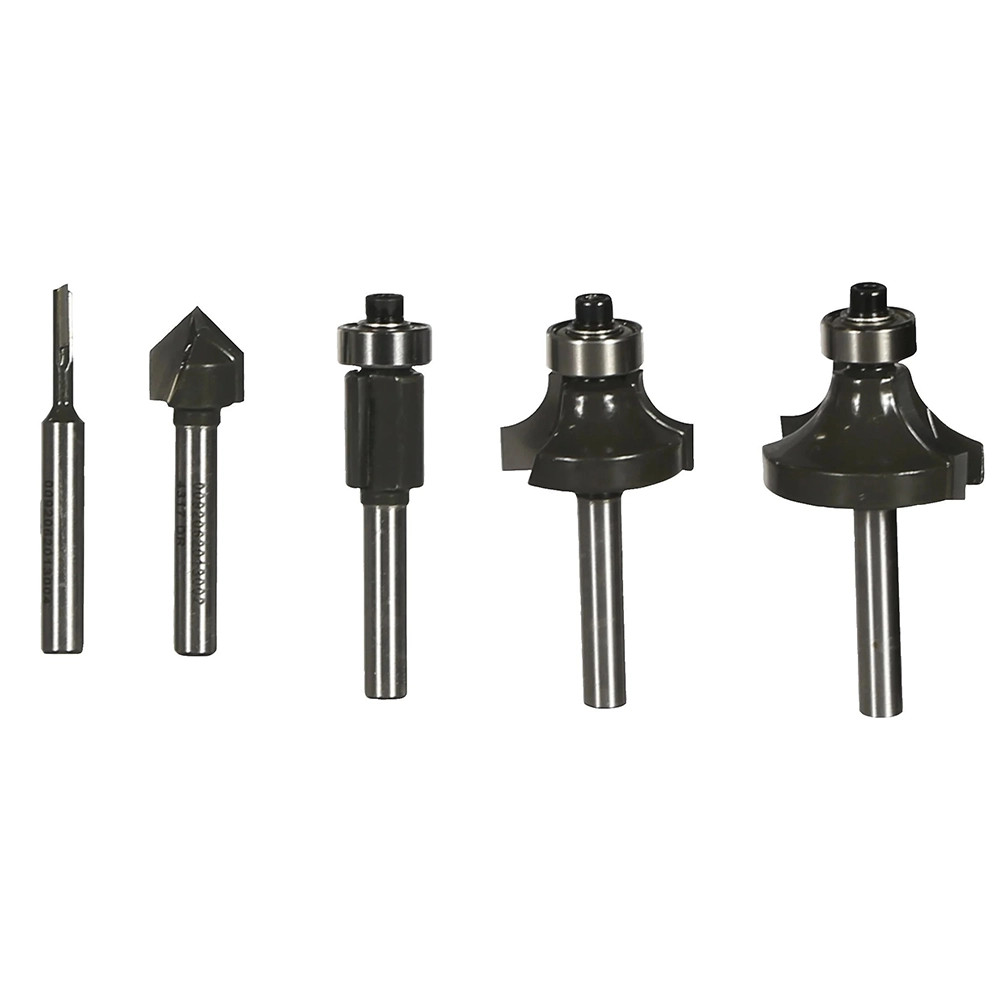
- Drilling timber, masonry and sheet materials is quicker when you have the right Ryobi accessories fitted, rather than forcing one worn bit through every job on the list.
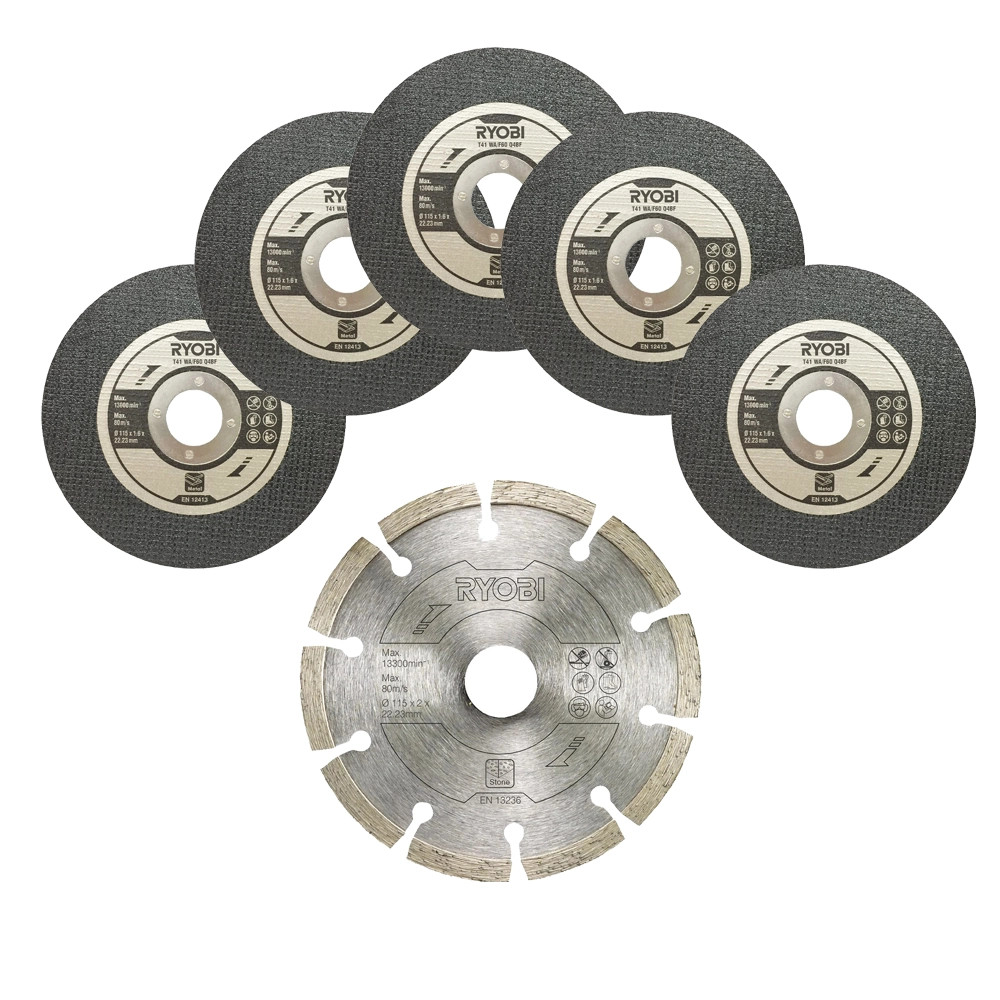
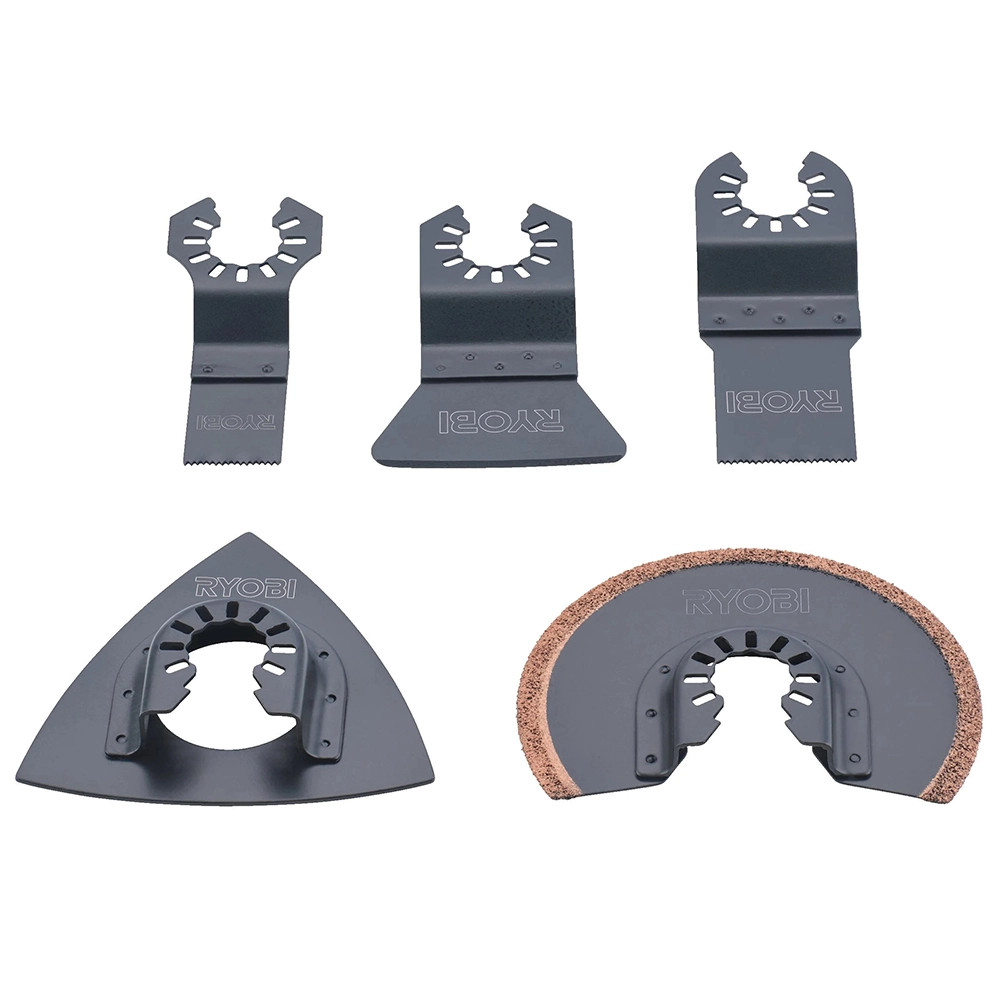
- Cutting flooring, trim, metal fixings or old silicone out on snagging jobs is easier when replacement blades are matched to the tool and the material in front of you.
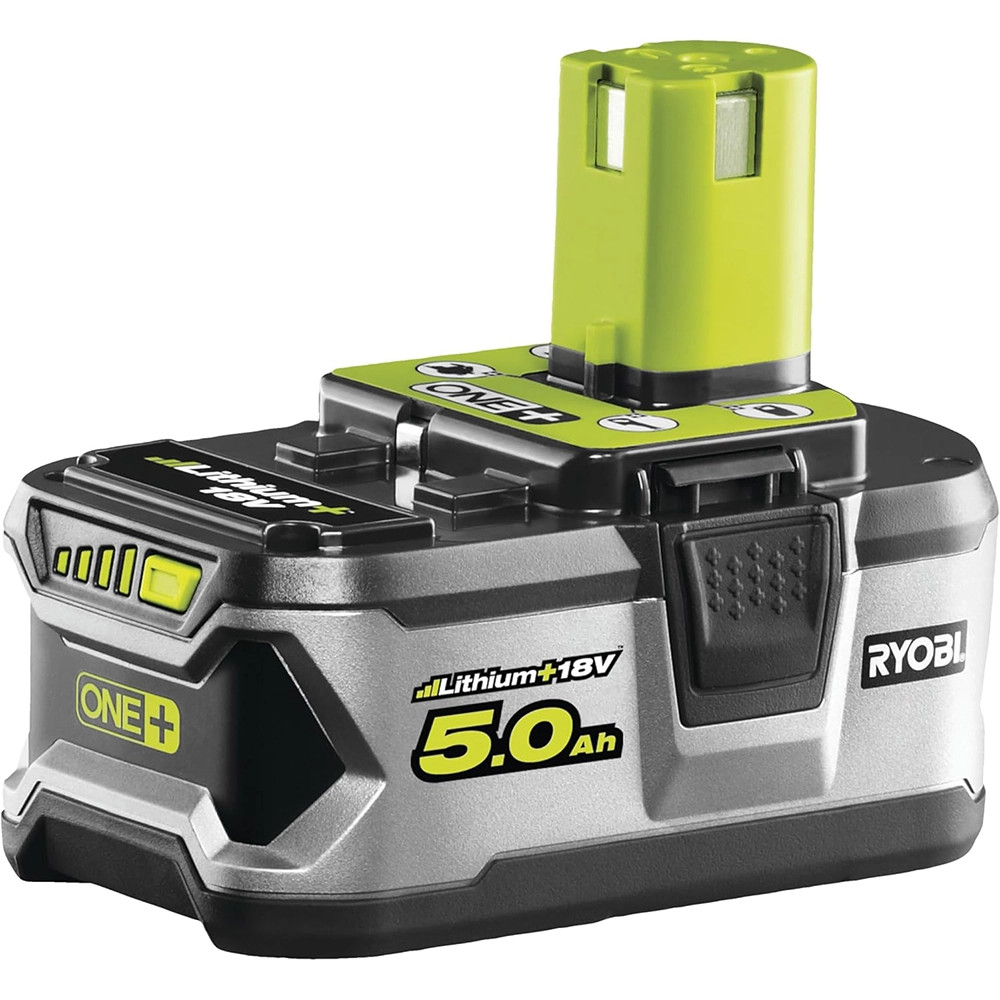
- Keeping cordless kit running through kitchen fits, room refurbs and weekend home improvement tools jobs depends on having the right charging gear and spare power setup ready to go.
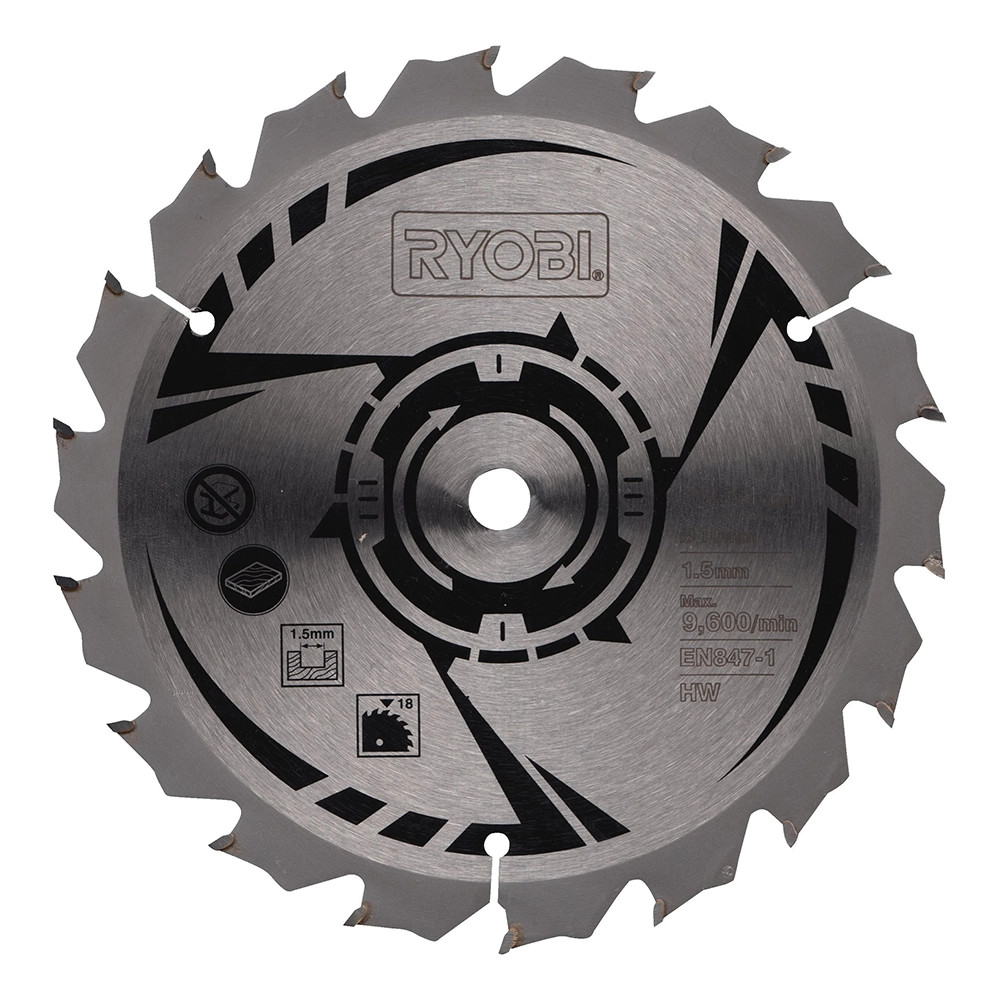
- Replacing tired discs, blades and other replacement accessories stops rough cuts, burnt materials and wasted time when your Ryobi cordless tools are being used day after day.
- Switching between drilling, driving, sanding and garden tidy-up work is simpler when your accessory setup matches the wider Drills and Drivers and site kit you already own.
Choosing the Right Ryobi Power Tool Accessories
Sorting the right accessory is simple: match it to the tool, then the material, then how often you are actually using it.
1. Start with the Tool Fitment
If the fitting is wrong, stop there. Check whether your Ryobi tools UK setup needs a specific blade mount, bit shank, charger type or battery platform before you buy. A cheap wrong fit wastes more time than waiting a day for the right part.
2. Match the Accessory to the Material
If you are cutting timber, plastic, metal or masonry, use the accessory built for that material. Do not try to make one blade or bit cover everything, because that is how you end up with rough cuts, slow progress and burnt-out consumables.
3. Think About Frequency of Use
If it is occasional DIY tools use, a basic replacement may be enough. If your Ryobi cordless tools are out every week, buy accessories that can take repeat use and keep spares on hand so the job does not stop halfway through.
4. Do Not Ignore the Power Setup
A lot of downtime comes from power, not the tool. If you are already on Ryobi 18V ONE+, it pays to sort the right charging and backup kit at the same time as the accessory.
Who Uses These on Site?
- Chippies and kitchen fitters use Ryobi Power Tool Accessories for cleaner cuts in board, trim and worktops, and they usually keep spare blades in the van because blunt ones ruin the finish fast.
- Sparkies and plumbers reach for the right bits and cutting accessories when opening out holes, fixing clips or trimming back awkward materials during first and second fix.
- Maintenance teams and landlords rely on Ryobi accessories to keep their Ryobi power tools working across mixed jobs, from light repairs and fixings to quick room turnarounds.
- DIY users doing regular home improvement tools work swear by proper replacement accessories because they make the tool they already own cut straighter, drill faster and last longer.
The Basics: Understanding Ryobi Power Tool Accessories
This category covers the parts that either wear out, improve performance or keep your tools running. The main thing is knowing whether you are buying a cutting accessory, a drilling accessory or power support kit.
1. Consumables Wear Out First
Blades, bits, discs and pads do the hard contact work, so they blunt and wear long before the tool gives up. Swapping them in time keeps cuts cleaner, drilling faster and the motor under less strain.
2. Fitment Matters More Than People Think
Even a good accessory is useless if it will not mount properly to the tool. Check the tool type, shank, blade interface or battery system first so the accessory works as intended on the job.
3. Power Accessories Keep the Workflow Moving
Chargers, mounts and battery support kit do not cut or drill anything themselves, but they stop downtime. On regular site or workshop use, proper charging gear is what keeps Ryobi power tools ready between tasks.
Ryobi Accessories That Keep Your Kit Working
Get the supporting bits sorted now and you avoid the usual hold-ups when a tool is ready but the setup is not.
1. Spare Blades and Bits
This is the obvious one, but it is the one people still forget. A fresh blade or bit saves you fighting through cuts with a blunt accessory and then wasting time cleaning up rough work after.
2. Chargers and Battery Support
Do not get caught with a dead battery halfway through a room. Proper charging kit and backup power mean your Ryobi cordless tools keep moving instead of sitting on the floor while you wait.
3. Battery Mounts and Storage
Loose batteries and chargers rolling round the van get damaged fast. Mounts and storage keep the setup organised, easier to grab and less likely to be knocked about between jobs.
Choose the Right Ryobi Power Tool Accessories for the Job
Use this quick guide to sort the type you actually need.
| Your Job | Accessory Type | Key Features |
|---|---|---|
| Drilling fixing holes in timber, block or metal | Drill bits and driver accessories | Correct shank fit, material-specific tip, clean cutting edges and the right size for the fixing |
| Trimming boards, cutting pipe or snagging awkward edges | Replacement blades | Match the blade to timber, metal or mixed material and buy spares if the job will be repetitive |
| Keeping cordless tools running through longer jobs | Chargers and battery accessories | Correct platform compatibility, fast charge support and a setup that suits how many tools are in use |
| Replacing worn parts on regularly used kit | Replacement accessories | Direct fit, same application as the original part and enough durability for repeated use |
| Organising van or workshop power kit | Mounts and storage accessories | Secure holding, quick access and less chance of damage in transit |
Common Buying and Usage Mistakes
- Buying by look instead of fitment is the big one. If the shank, mount or battery platform is wrong, it does not matter how good the accessory is because it will not work properly with the tool.
- Using one blade or bit for every material ruins accessories fast. Timber, metal, masonry and mixed materials all need the right cutting or drilling edge if you want decent results and less strain on the tool.
- Waiting until an accessory is completely finished before replacing it costs time. Once bits go dull or blades start burning and tearing, the tool works harder and the finish gets worse.
- Ignoring charging setup is another common mistake with cordless kit. One charger and no backup might be fine for light use, but it slows everything down once you are working across several tools or longer jobs.
Replacement Accessories vs Chargers vs Mounts
Replacement Accessories
These are for the business end of the job. If your tool still runs but the cut is rough, the hole is slow or the finish is poor, this is usually what needs changing first.
Chargers
Chargers matter when downtime is the problem. If your kit is sat idle waiting for power, a better charging setup will do more for workflow than another blade in the box.
Mounts and Storage
These are about organisation and protecting the kit you have already paid for. They will not improve cutting performance, but they do stop batteries and chargers getting battered in the van or workshop.
Which One Should You Buy First
If the tool is underperforming, start with the worn accessory. If the job keeps stopping, sort chargers and battery support. If the gear is getting lost or damaged, add mounts and storage next.
Maintenance and Care
Clean Off Dust and Resin
Bits and blades last better when you do not leave them caked in dust, pitch or adhesive. A quick clean after use helps them cut properly next time and makes wear easier to spot.
Store Accessories Properly
Do not leave loose accessories bouncing round the van. Keep them in cases, holders or drawers so edges stay usable and smaller parts do not go missing before the next job.
Check for Wear Before Starting
Have a look at cutting edges, mounting points and contact surfaces before you start. If an accessory is chipped, rounded off or badly worn, replace it before it slows the job down or damages the workpiece.
Look After Charging Gear
Keep chargers dry, vents clear and cables untangled. Most charging problems come from rough storage, dust build-up or bent leads rather than the charger itself.
Replace, Do Not Push It Too Far
Once an accessory is blunt or damaged, do not keep forcing it through the work. You will get slower results, more heat and extra strain on the tool, which costs more in the long run.
Why Shop for Ryobi Power Tool Accessories at ITS?
Whether you need everyday Ryobi accessories, replacement accessories, charging kit or tool support for Batteries Chargers and Mounts, we stock the full range in one place. We also cover the wider Ryobi setup, from Garden Power Tools to core site kit, and it is all held in our own warehouse, in stock and ready for next day delivery.
Ryobi Power Tool Accessories FAQs
What ryobi power tool accessories do I need?
Start with the jobs you actually do most. If you are drilling and fixing, get the right bits and driver accessories. If you are cutting, buy the proper replacement blades for the material. If downtime is your issue, sort chargers, mounts or spare power support before anything else.
Are Ryobi Power Tool Accessories compatible with different Ryobi tools?
Some are, some are not. Batteries within the same platform are one thing, but blades, bits, chargers and mounts still need the correct fitment or system match. Always check the accessory type against the exact tool before buying rather than assuming all Ryobi gear crosses over.
How do I choose the right ryobi power tool accessories?
Check three things in order. First, make sure it fits the tool. Second, match it to the material or task. Third, buy for the workload. Light DIY use can get by with the basics, but regular trade tools use needs accessories that can take repeat jobs without fading halfway through.
When should ryobi power tool accessories be replaced?
Replace them when performance drops, not when they are completely finished. If cuts get ragged, drilling slows down, accessories start slipping or the tool is working harder than usual, that is your sign. Carrying on with worn kit just wastes time and puts extra strain on the tool.
Are these mainly for trade tools or DIY jobs?
Both, to be fair. A lot of Ryobi kit sits well with regular DIY and home improvement work, but the accessories still need choosing properly. If you use them harder and more often, expect to replace consumables more regularly and keep spares on hand.
Is it worth keeping spare accessories in the van or workshop?
Yes, definitely. The usual hold-up is not the tool failing, it is a blunt bit, worn blade or flat battery setup stopping the job. A small stock of the accessories you use most saves repeat trips back to the van or a wasted run to replace one cheap part.