


Ryobi Saw Blades

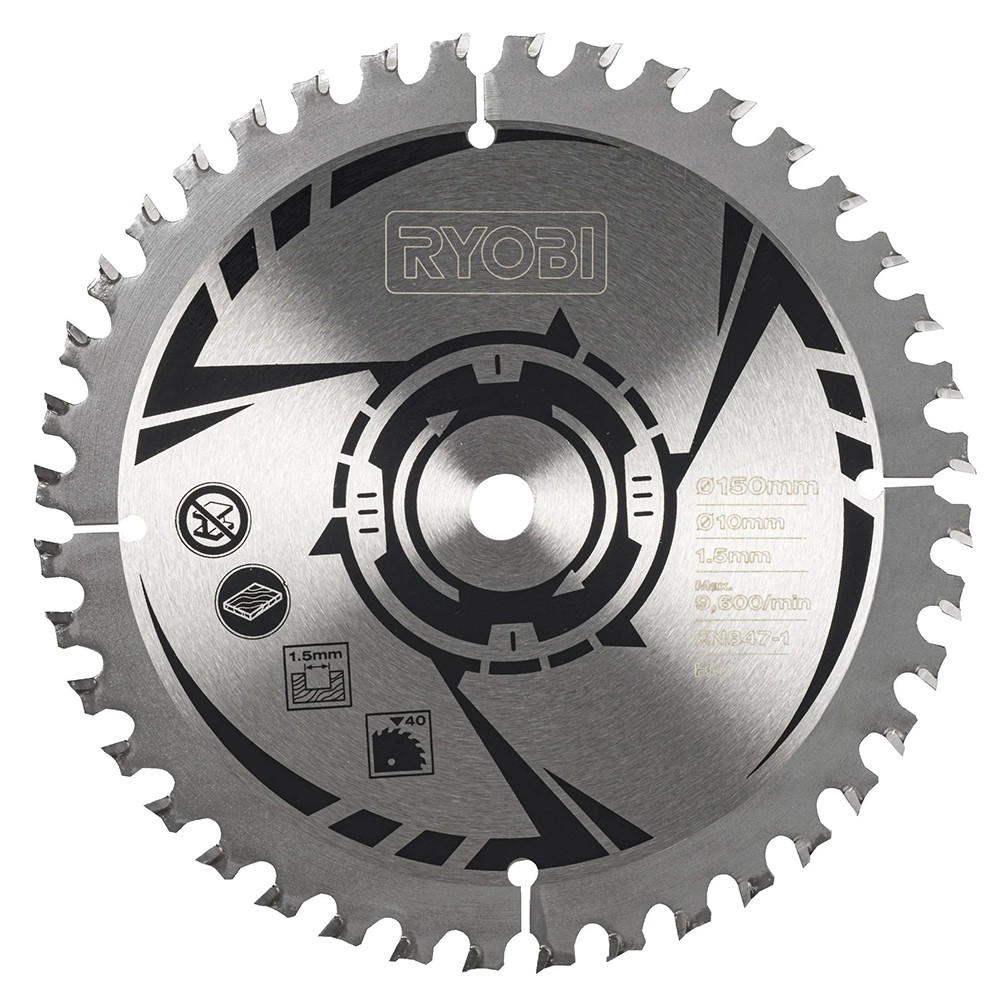
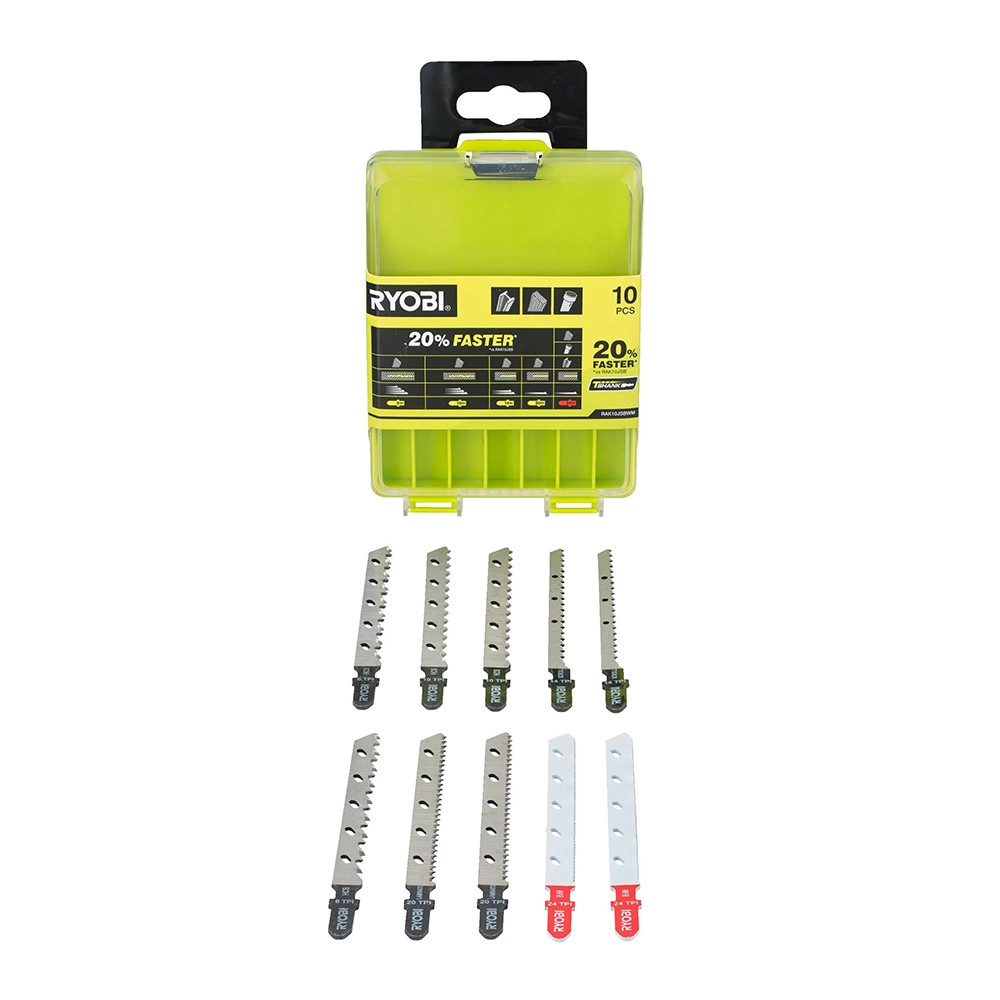
Ryobi Saw Blades are the replacement cutting accessories you fit when old blades start burning timber, tearing sheet, or slowing the job right down.

If your cut quality has gone off, don't keep forcing it and wrecking the finish. These Ryobi Saw Blades UK options are built for Ryobi cordless tools and saws doing straight timber cuts, sheet work, trimming, and general site cutting tools duties. Match the blade to the material, tooth count to the finish, and keep a spare in the van so the job does not stop halfway through.

What Are Ryobi Saw Blades Used For?

  • Cutting sheet materials on fit-out jobs, where the right Ryobi saw blade gives you a cleaner edge on ply, MDF, and chipboard without ragging the face to bits.
  • Trimming stud timber, battens, and carcassing on first fix, where a sharper replacement blade keeps the saw moving freely instead of burning through the cut.
  • Handling general home improvement tools work, from shelving and flooring to basic joinery, where swapping to the proper tooth pattern saves time on snagging and sanding back rough cuts.
  • Replacing worn cutting accessories on cordless saws before they start wandering, binding, or overloading the tool during repeat cuts through board and softwood.
  • Keeping trade tools and DIY tools working properly, especially when one blade is set up for fast rip cuts and another is kept back for neater finish work.

Choosing the Right Ryobi Saw Blades

Sorting the right blade is simple: match it to the saw, then the material, then the finish you actually need.

1. Start With Tool Compatibility

If the blade does not match your saw's required diameter, bore, and type, stop there. A blade that almost fits is no use to anyone. Check your Ryobi cordless tools properly before you buy, especially if you run more than one saw.

2. Pick the Tooth Count for the Job

If you are cutting framing timber or roughing out sheets, go for a faster-cutting blade. If you are working on visible boards, trim, or finer joinery, use a higher tooth count. It cuts slower, but the finish is cleaner and you spend less time sorting tear-out.

3. Match the Blade to the Material

Wood, laminate, and sheet goods do not all want the same blade. If you keep using one tired general blade for everything, expect chipped faces, heat build-up, and harder work for the saw. Keep dedicated cutting accessories for the materials you cut most.

4. Do Not Wait Until It Is Fully Dead

If the saw starts burning, pulling off line, or needing more shove than usual, fit a fresh one. A worn blade wastes battery, stresses the tool, and leaves a worse finish than just changing it when you should.

Who Uses These Ryobi Saw Blades?

  • Chippies use Ryobi Saw Blades for cutting sheet and timber on site, especially when they need one blade for rough sizing and another for cleaner finish cuts.
  • Kitchen fitters and joiners swear by decent replacement blades because blunt ones chip laminated boards and leave extra fettling before install.
  • Maintenance teams keep spare replacement accessories in the van for snagging, shelving, repairs, and general cutting jobs where a tired blade will only slow the day down.
  • DIY users and home improvers running Ryobi power tools reach for these when old blades stop cutting cleanly and projects start looking rough round the edges.

The Basics: Understanding Ryobi Saw Blades

Most buying mistakes come down to three things: blade type, tooth count, and fit. Get those right and your saw cuts quicker, cleaner, and with less strain on the tool.

1. Fewer Teeth for Speed

Lower tooth count blades are for quick, rougher cuts in timber and sheet. They clear waste faster, so they suit first fix, general sizing, and jobs where speed matters more than a furniture-grade finish.

2. More Teeth for a Cleaner Finish

Higher tooth count blades cut slower but leave a neater edge. That matters when you are trimming visible boards, cutting laminates, or doing work where chipped edges mean extra snagging afterwards.

3. Correct Fit Stops Trouble

The right blade has to suit the saw it is going on. Correct diameter, bore, and intended saw type are what keep cuts straight and safe. If the fit is wrong, the job goes wrong with it.

Ryobi Saw Blade Accessories That Keep You Cutting

A blade on its own is not always enough. A few practical extras save downtime, bad cuts, and repeat trips back to the van.

1. Spare Batteries

A fresh blade means nothing if the saw dies halfway through a run of cuts. Keep power ready with Batteries Chargers and Mounts, especially if you are running cordless saws for repeated trimming or sheet work.

2. Replacement Tool Accessories

When the rest of your kit is wearing out as well, it makes sense to sort it in one go. Browse Power Tool Accessories so you are not caught short with a fresh blade but tired consumables everywhere else.

3. Matching ONE Plus Kit

If your saw sits on the ONE Plus platform, it pays to keep your setup in the same system. Ryobi 18V ONE+ kit makes it easier to keep batteries, chargers, and site tools working together without mixing platforms.

Choose the Right Ryobi Saw Blades for the Job

Use this quick guide to avoid fitting the wrong blade for the cut in front of you.

Your Job Blade Type Key Features
Fast cuts through stud timber and carcassing Low tooth count wood blade Quicker feed rate, better chip clearance, less time rough cutting
Cleaner cuts in plywood and sheet materials Medium to high tooth count blade Reduced tear-out, tidier edges, better for visible work
Trimming laminate or finished boards Fine finish blade Higher tooth count for neater cuts and less edge damage
General repair and home improvement work General purpose replacement blade Balanced cut speed and finish for mixed materials
Keeping a cordless saw ready as a spare Like for like replacement blade Correct fit, familiar performance, quick change when the old one dulls

Common Buying and Usage Mistakes

  • Buying on diameter alone and ignoring bore size or saw type. That usually ends in a blade that will not fit properly or should never have been mounted in the first place, so always check the saw spec fully.
  • Using one blade for every material on site. It seems cheaper until cuts start chipping, burning, and dragging, so keep separate replacement blades for rough timber work and cleaner sheet or finish cuts.
  • Waiting too long to replace a dull blade. Once the saw needs extra force, you are wasting battery, stressing the motor, and making the finish worse than it needs to be.
  • Choosing the finest blade for every job. A high tooth count is great for finish work, but it is slower on rough framing and not the best choice when you just need to size timber quickly.
  • Ignoring cut quality changes. If the blade starts wandering or leaving scorch marks, do not blame the saw first. Check the blade condition before you start chasing faults that are not there.

Wood Blades vs Fine Finish Blades vs General Purpose Blades

Wood Blades

Best for quick cutting through timber, stud, and carcassing where speed matters more than a perfect edge. They clear waste well but can leave a rougher finish on sheet materials or faced boards.

Fine Finish Blades

These are the better choice for cleaner cuts in visible material, laminate, and board where you do not want to spend extra time sorting chipped edges. Slower going, but worth it on finish work.

General Purpose Blades

A sensible middle ground for mixed jobs, repairs, and general use. They will not be the fastest or the neatest in every material, but they are a practical spare to keep in the van.

Maintenance and Care

Keep Resin and Dust Off

Pitch, glue, and fine dust build up on teeth and make even a decent blade cut badly. Clean blades down after heavy use so they do not start dragging or overheating on the next job.

Store Them Flat and Protected

Loose blades bouncing round a toolbox soon lose teeth or pick up damage. Keep them in sleeves, cases, or separated in the van so the cutting edge is ready when you need it.

Check Teeth Before Fitting

Have a quick look for chipped teeth, warping, or signs of overheating before the blade goes back on the saw. If it looks cooked or damaged, replace it rather than risking a bad cut.

Replace Before It Ruins the Job

If a blade starts burning timber, tearing sheet, or needing extra pressure, it is done for practical site use. Swap it out before it wrecks the material and costs you more in wasted board.

Why Shop for Ryobi Saw Blades at ITS?

Whether you need a straight replacement blade for a tired saw or a few different cutting accessories for timber, sheet, and finer trim work, we stock the range in one place. You can shop Ryobi kit, related Garden Power Tools, and the rest of the Ryobi tools UK setup with confidence. It is all held in our own warehouse, in stock, and ready for next day delivery.

Ryobi Saw Blades FAQs

What ryobi saw blades do I need?

You need the blade that matches your saw first, then the material. Check blade diameter, bore size, and the type of saw you are fitting it to. After that, choose the tooth count based on the job. Fewer teeth for quicker rough cuts in timber, more teeth for cleaner cuts in sheet and finished boards.

Are Ryobi Saw Blades compatible with different Ryobi tools?

Some are, but not all. Ryobi Saw Blades are only compatible where the blade size and fitting match the specific saw. Do not assume one blade suits every Ryobi power tool. Always check the saw requirements before ordering, especially if you use more than one model.

How do I choose the right ryobi saw blades?

Pick by tool fit, then material, then finish. If you are rough cutting timber, a faster blade makes more sense. If you are cutting visible sheet or laminate, go finer. The biggest mistake is buying one general blade and expecting it to handle every cut properly.

When should ryobi saw blades be replaced?

Replace them when cuts get slower, the saw starts burning timber, the blade pulls off line, or the finish turns rough. You will usually feel it before you fully see it. If you need to force the saw, the blade is costing you time and battery and wants changing.

Are these worth keeping as spare replacement accessories in the van?

Yes. A spare blade is one of those small bits of kit that saves a lot of hassle. When the fitted blade goes dull halfway through cutting sheet or timber, swapping it there and then is far better than trying to nurse a bad blade through the rest of the day.

Do Ryobi Saw Blades UK options suit trade use or are they more for DIY tools?

They suit both, provided you buy the right blade for the work. For regular trade tools use, the key is not just the badge on the pack but whether the blade spec matches the material and saw. Used properly, they are a practical option for repeat site and workshop cutting.
Read more

Ryobi Saw Blades

Ryobi Saw Blades are the replacement cutting accessories you fit when old blades start burning timber, tearing sheet, or slowing the job right down.

If your cut quality has gone off, don't keep forcing it and wrecking the finish. These Ryobi Saw Blades UK options are built for Ryobi cordless tools and saws doing straight timber cuts, sheet work, trimming, and general site cutting tools duties. Match the blade to the material, tooth count to the finish, and keep a spare in the van so the job does not stop halfway through.

What Are Ryobi Saw Blades Used For?

  • Cutting sheet materials on fit-out jobs, where the right Ryobi saw blade gives you a cleaner edge on ply, MDF, and chipboard without ragging the face to bits.
  • Trimming stud timber, battens, and carcassing on first fix, where a sharper replacement blade keeps the saw moving freely instead of burning through the cut.
  • Handling general home improvement tools work, from shelving and flooring to basic joinery, where swapping to the proper tooth pattern saves time on snagging and sanding back rough cuts.
  • Replacing worn cutting accessories on cordless saws before they start wandering, binding, or overloading the tool during repeat cuts through board and softwood.
  • Keeping trade tools and DIY tools working properly, especially when one blade is set up for fast rip cuts and another is kept back for neater finish work.

Choosing the Right Ryobi Saw Blades

Sorting the right blade is simple: match it to the saw, then the material, then the finish you actually need.

1. Start With Tool Compatibility

If the blade does not match your saw's required diameter, bore, and type, stop there. A blade that almost fits is no use to anyone. Check your Ryobi cordless tools properly before you buy, especially if you run more than one saw.

2. Pick the Tooth Count for the Job

If you are cutting framing timber or roughing out sheets, go for a faster-cutting blade. If you are working on visible boards, trim, or finer joinery, use a higher tooth count. It cuts slower, but the finish is cleaner and you spend less time sorting tear-out.

3. Match the Blade to the Material

Wood, laminate, and sheet goods do not all want the same blade. If you keep using one tired general blade for everything, expect chipped faces, heat build-up, and harder work for the saw. Keep dedicated cutting accessories for the materials you cut most.

4. Do Not Wait Until It Is Fully Dead

If the saw starts burning, pulling off line, or needing more shove than usual, fit a fresh one. A worn blade wastes battery, stresses the tool, and leaves a worse finish than just changing it when you should.

Who Uses These Ryobi Saw Blades?

  • Chippies use Ryobi Saw Blades for cutting sheet and timber on site, especially when they need one blade for rough sizing and another for cleaner finish cuts.
  • Kitchen fitters and joiners swear by decent replacement blades because blunt ones chip laminated boards and leave extra fettling before install.
  • Maintenance teams keep spare replacement accessories in the van for snagging, shelving, repairs, and general cutting jobs where a tired blade will only slow the day down.
  • DIY users and home improvers running Ryobi power tools reach for these when old blades stop cutting cleanly and projects start looking rough round the edges.

The Basics: Understanding Ryobi Saw Blades

Most buying mistakes come down to three things: blade type, tooth count, and fit. Get those right and your saw cuts quicker, cleaner, and with less strain on the tool.

1. Fewer Teeth for Speed

Lower tooth count blades are for quick, rougher cuts in timber and sheet. They clear waste faster, so they suit first fix, general sizing, and jobs where speed matters more than a furniture-grade finish.

2. More Teeth for a Cleaner Finish

Higher tooth count blades cut slower but leave a neater edge. That matters when you are trimming visible boards, cutting laminates, or doing work where chipped edges mean extra snagging afterwards.

3. Correct Fit Stops Trouble

The right blade has to suit the saw it is going on. Correct diameter, bore, and intended saw type are what keep cuts straight and safe. If the fit is wrong, the job goes wrong with it.

Ryobi Saw Blade Accessories That Keep You Cutting

A blade on its own is not always enough. A few practical extras save downtime, bad cuts, and repeat trips back to the van.

1. Spare Batteries

A fresh blade means nothing if the saw dies halfway through a run of cuts. Keep power ready with Batteries Chargers and Mounts, especially if you are running cordless saws for repeated trimming or sheet work.

2. Replacement Tool Accessories

When the rest of your kit is wearing out as well, it makes sense to sort it in one go. Browse Power Tool Accessories so you are not caught short with a fresh blade but tired consumables everywhere else.

3. Matching ONE Plus Kit

If your saw sits on the ONE Plus platform, it pays to keep your setup in the same system. Ryobi 18V ONE+ kit makes it easier to keep batteries, chargers, and site tools working together without mixing platforms.

Choose the Right Ryobi Saw Blades for the Job

Use this quick guide to avoid fitting the wrong blade for the cut in front of you.

Your Job Blade Type Key Features
Fast cuts through stud timber and carcassing Low tooth count wood blade Quicker feed rate, better chip clearance, less time rough cutting
Cleaner cuts in plywood and sheet materials Medium to high tooth count blade Reduced tear-out, tidier edges, better for visible work
Trimming laminate or finished boards Fine finish blade Higher tooth count for neater cuts and less edge damage
General repair and home improvement work General purpose replacement blade Balanced cut speed and finish for mixed materials
Keeping a cordless saw ready as a spare Like for like replacement blade Correct fit, familiar performance, quick change when the old one dulls

Common Buying and Usage Mistakes

  • Buying on diameter alone and ignoring bore size or saw type. That usually ends in a blade that will not fit properly or should never have been mounted in the first place, so always check the saw spec fully.
  • Using one blade for every material on site. It seems cheaper until cuts start chipping, burning, and dragging, so keep separate replacement blades for rough timber work and cleaner sheet or finish cuts.
  • Waiting too long to replace a dull blade. Once the saw needs extra force, you are wasting battery, stressing the motor, and making the finish worse than it needs to be.
  • Choosing the finest blade for every job. A high tooth count is great for finish work, but it is slower on rough framing and not the best choice when you just need to size timber quickly.
  • Ignoring cut quality changes. If the blade starts wandering or leaving scorch marks, do not blame the saw first. Check the blade condition before you start chasing faults that are not there.

Wood Blades vs Fine Finish Blades vs General Purpose Blades

Wood Blades

Best for quick cutting through timber, stud, and carcassing where speed matters more than a perfect edge. They clear waste well but can leave a rougher finish on sheet materials or faced boards.

Fine Finish Blades

These are the better choice for cleaner cuts in visible material, laminate, and board where you do not want to spend extra time sorting chipped edges. Slower going, but worth it on finish work.

General Purpose Blades

A sensible middle ground for mixed jobs, repairs, and general use. They will not be the fastest or the neatest in every material, but they are a practical spare to keep in the van.

Maintenance and Care

Keep Resin and Dust Off

Pitch, glue, and fine dust build up on teeth and make even a decent blade cut badly. Clean blades down after heavy use so they do not start dragging or overheating on the next job.

Store Them Flat and Protected

Loose blades bouncing round a toolbox soon lose teeth or pick up damage. Keep them in sleeves, cases, or separated in the van so the cutting edge is ready when you need it.

Check Teeth Before Fitting

Have a quick look for chipped teeth, warping, or signs of overheating before the blade goes back on the saw. If it looks cooked or damaged, replace it rather than risking a bad cut.

Replace Before It Ruins the Job

If a blade starts burning timber, tearing sheet, or needing extra pressure, it is done for practical site use. Swap it out before it wrecks the material and costs you more in wasted board.

Why Shop for Ryobi Saw Blades at ITS?

Whether you need a straight replacement blade for a tired saw or a few different cutting accessories for timber, sheet, and finer trim work, we stock the range in one place. You can shop Ryobi kit, related Garden Power Tools, and the rest of the Ryobi tools UK setup with confidence. It is all held in our own warehouse, in stock, and ready for next day delivery.

Ryobi Saw Blades FAQs

What ryobi saw blades do I need?

You need the blade that matches your saw first, then the material. Check blade diameter, bore size, and the type of saw you are fitting it to. After that, choose the tooth count based on the job. Fewer teeth for quicker rough cuts in timber, more teeth for cleaner cuts in sheet and finished boards.

Are Ryobi Saw Blades compatible with different Ryobi tools?

Some are, but not all. Ryobi Saw Blades are only compatible where the blade size and fitting match the specific saw. Do not assume one blade suits every Ryobi power tool. Always check the saw requirements before ordering, especially if you use more than one model.

How do I choose the right ryobi saw blades?

Pick by tool fit, then material, then finish. If you are rough cutting timber, a faster blade makes more sense. If you are cutting visible sheet or laminate, go finer. The biggest mistake is buying one general blade and expecting it to handle every cut properly.

When should ryobi saw blades be replaced?

Replace them when cuts get slower, the saw starts burning timber, the blade pulls off line, or the finish turns rough. You will usually feel it before you fully see it. If you need to force the saw, the blade is costing you time and battery and wants changing.

Are these worth keeping as spare replacement accessories in the van?

Yes. A spare blade is one of those small bits of kit that saves a lot of hassle. When the fitted blade goes dull halfway through cutting sheet or timber, swapping it there and then is far better than trying to nurse a bad blade through the rest of the day.

Do Ryobi Saw Blades UK options suit trade use or are they more for DIY tools?

They suit both, provided you buy the right blade for the work. For regular trade tools use, the key is not just the badge on the pack but whether the blade spec matches the material and saw. Used properly, they are a practical option for repeat site and workshop cutting.
ITS Click and Collect Icon
What3Words:
Get Directions
Store Opening Hours
Opening times
