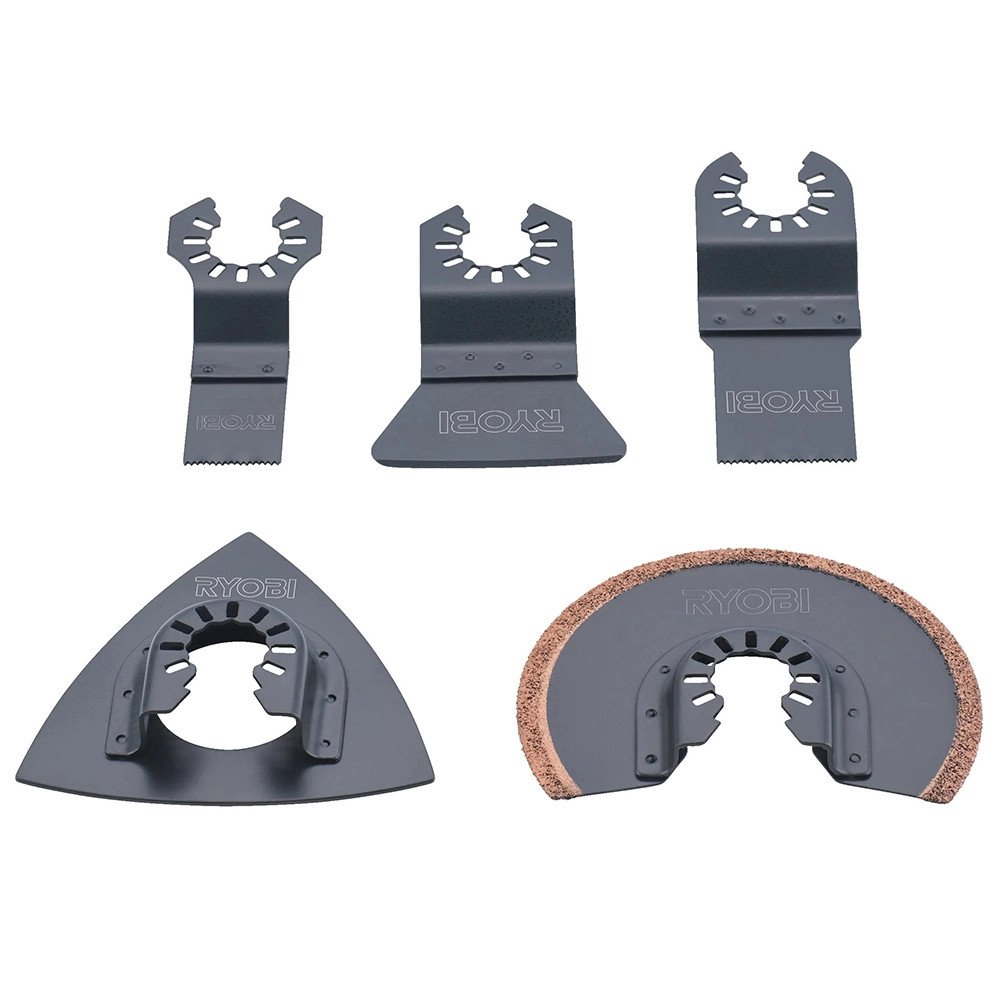
Ryobi Multi Tool Blades & Accessories
Ryobi Multi Tool Blades Accessories are the bits you reach for when one job turns into five-cutting, scraping, sanding, and trimming without changing tools.
On refurbs, snagging, and home improvement jobs, the right blade saves time and stops you butchering the finish. These Ryobi Multi Tool Blades Accessories cover timber, metal, sealant, grout, and sanding work, so you're not forcing one worn blade through every task. If you're already on Ryobi kit, keep a proper mix in the van and swap to suit the job.
What Are Ryobi Multi Tool Blades Accessories Used For?
- Cutting door linings, skirting, and trim in place lets you make neat undercuts and flush cuts without ripping half the room apart.
- Trimming through plasterboard, timber, plastic pipe, and the odd fixing helps on first fix alterations, socket cut-ins, and patch repair work.
- Scraping old adhesive, silicone, paint, and floor residue saves a lot of hand work when you're prepping kitchens, bathrooms, and floors for refit.
- Sanding into corners, edges, and awkward spots gets snagging and finishing work done where bigger sanders simply will not fit.
- Removing grout and cutting out damaged sections is handy for repair jobs where you need control and do not want to crack surrounding tiles.
Choosing the Right Ryobi Multi Tool Blades Accessories
Match the accessory to the material first. That is what makes the cut cleaner, quicker, and a lot less frustrating.
1. Pick by Material, Not by Guesswork
If you are cutting timber, use a wood blade. If there are nails, screws, or mixed materials involved, go for a blade rated for wood and metal. Do not try and make a fine wood blade do demolition work or it will blunt fast and start burning its way through.
2. Choose the Blade Shape for the Space
Segment blades are better for long grout lines and broad cuts. Straight plunge blades are what you want for controlled cut-ins in boards, trim, and panels. If you are working tight to an edge or in a corner, the blade profile matters as much as the teeth.
3. Keep Scraping and Sanding Separate
If the job is lifting silicone, adhesive, or old flooring residue, get a scraper and stop wrecking cutting blades on muck. For prep and snagging, stock sanding pads and sheets as well, because a multi tool earns its keep once it can finish as well as cut.
4. Buy a Few Spares Before You Need Them
If you are on regular refurbs or repair work, do not just buy one blade. Multi tool accessories wear at different rates, and the one you need always seems to die halfway through the awkward bit. A small back-up set saves a wasted trip and keeps the job moving.
Who Uses These on Site?
- Chippies use them for trimming architrave, undercutting frames, and flush cutting plugs or packers during second fix and repair work.
- Sparkies keep a few in the bag for plasterboard cut-outs, cable route alterations, and trimming timber neatly without dragging out a bigger saw.
- Plumbers and bathroom fitters swear by grout and scraper accessories when stripping out sealant, lifting old adhesive, or making careful cuts around pipework and trays.
- Decorators and maintenance teams use sanding pads and scrapers for prep, snagging, and getting awkward corners sorted before paint or sealant goes on.
- DIY users and home improvement teams reach for these when one room turns into a full list of little jobs and you need proper Power Tool Accessories that fit the kit you already own.
The Basics: Understanding Multi Tool Blades Accessories
These accessories work by matching the oscillating action of the tool to the material in front of you. Get that match right and the cut stays controlled, clean, and far easier to manage in tight spots.
1. Plunge Blades for Controlled Cut-Ins
This is the standard blade for cutting straight into a surface without starting from an edge. It is what you use for socket openings, trimming boards in place, or cutting out damaged sections cleanly.
2. Segment Blades for Longer Runs
These semi-circular blades are better when you need to move along a line, such as grout removal or wider trimming work. They give a smoother run and are easier to guide over a bigger area.
3. Scrapers and Sanding Pads for Prep Work
Not every job is cutting. Scrapers lift old sealant and adhesive without digging in by hand, while sanding pads sort edges, filler, and corners where bulkier gear cannot reach.
Accessories to Keep Your Ryobi Multi Tool Working Properly
A few sensible add-ons stop the tool going idle halfway through a cut or leaving you short on site.
1. Spare Replacement Blades
This is the obvious one, but it is the one most people leave too late. Keep spare cutting and scraping accessories in the van so you are not trying to finish timber, nails, grout, and mastic with one tired blade that should have been binned an hour ago.
2. Sanding Pads and Sheets
If you use the multi tool for prep, you need sanding consumables ready to go. They save you hand sanding corners and awkward returns, especially on snagging, filler clean-up, and decorating prep.
3. Batteries Chargers and Mounts
A multi tool can chew through charge when you are cutting dense material or sanding for long periods. Keep Batteries Chargers and Mounts sorted so the tool does not die just as you are finishing a cut in place.
Choose the Right Ryobi Multi Tool Blades Accessories for the Job
Use this quick guide to match the accessory to the task in front of you.
| Your Job | Category or Type | Key Features |
|---|---|---|
| Cutting skirting, trim, and plasterboard in place | Plunge cutting blade | Good control, straight cut-ins, works well for neat openings and flush cuts |
| Cutting timber with hidden nails or mixed materials | Wood and metal blade | Tougher tooth pattern, better for refurb work, less chance of ruining a fine wood blade |
| Removing grout around damaged tiles | Segment grout blade | Follows grout lines cleanly, easier over longer runs, reduces damage to surrounding tiles |
| Lifting sealant, adhesive, or floor residue | Scraper accessory | Broad contact area, quicker prep, stops you blunting cutting blades on old muck |
| Sanding corners, filler, and awkward edges | Sanding pad and sheets | Gets into tight spots, ideal for snagging and prep where larger sanders cannot reach |
Common Buying and Usage Mistakes
- Using a wood blade on timber with hidden fixings is a fast way to blunt it. If you are doing refurb or strip-out, start with a wood and metal blade instead.
- Trying to scrape adhesive or silicone with a cutting blade just wrecks the teeth and slows the job down. Use a proper scraper and save the blades for cutting.
- Leaving accessories on too long after they are worn gives rough cuts, more vibration, and extra strain on the tool. Once it starts burning, bouncing, or tearing, swap it out.
- Buying one general blade and expecting it to cover every task usually ends in poor results. Keep a small mix of plunge, segment, scraper, and sanding accessories so the tool stays useful.
- Ignoring battery run time on bigger cutting or sanding jobs catches people out. If you are already on Ryobi 18V ONE+, make sure you have enough charge ready before you start.
Wood Blades vs Wood and Metal Blades vs Scrapers
Wood Blades
Best for clean cuts in timber, trim, plasterboard, and softer sheet material where speed and finish matter. They are not the right choice for hidden screws or nails, so use them where you know the cut is clear.
Wood and Metal Blades
These are the safer bet for refurbs, repair work, and mixed materials. They cope better with fixings and harder stuff, though they can be slower and rougher than a dedicated wood blade on clean timber.
Scrapers
Scrapers are for removal work, not cutting. Use them for silicone, adhesive, paint, and old flooring residue when you need to lift material without chewing through a toothed blade.
Sanding Accessories
These come into their own on prep and snagging jobs, especially in corners and along edges. They will not replace a full sander on open areas, but for tight spots they are far handier and more accurate.
Maintenance and Care
Clean Off Dust and Residue
After use, knock off dust, grout, and adhesive build-up before it hardens on the accessory. A quick clean keeps the fitment clear and makes the next change faster.
Change Worn Blades Early
Do not run accessories into the ground. Once teeth are rounded off or the cut starts smoking and tearing, replace them before you waste time and overwork the tool.
Store Them Dry and Separated
Keep blades and sanding sheets dry in a case or organiser, not loose in the bottom of the van. It stops rust, damaged teeth, and wasted time hunting for the right bit.
Check the Fitment Face
If the mounting point is clogged or worn, the accessory can slip or sit badly. Give it a look before fitting a new blade so it locks up properly and runs true.
Replace Consumables, Do Not Fight Them
These are working consumables, not forever bits of kit. If a blade is bent, cracked, or badly worn, bin it and fit a fresh one rather than forcing a poor result.
Why Shop for Ryobi Multi Tool Blades Accessories at ITS?
Whether you need a single replacement blade, sanding sheets, scraper accessories, or a fuller stock-up of Ryobi accessories, we carry the range for real cutting, prep, and repair work. We also stock the wider Garden Power Tools and other Ryobi cordless tools in our own warehouse, all in stock and ready for next day delivery.
Ryobi Multi Tool Blades Accessories FAQs
What ryobi multi tool blades accessories do I need?
Start with what you actually cut or remove most. For timber and trim, get a plunge wood blade. For refurb work with hidden fixings, add a wood and metal blade. For sealant, adhesive, or flooring residue, get a scraper. For prep and corners, keep sanding pads and sheets on hand. Most users are better off with a small working mix than one do-it-all blade.
Are Ryobi Multi Tool Blades Accessories compatible with different Ryobi tools?
Yes, as long as the accessory fitment matches the multi tool you are using. The key thing is not the battery platform but the accessory connection and intended use. Always check the fitment and blade type before buying, especially if you are replacing older accessories or mixing in other tool accessories from your kit.
How do I choose the right ryobi multi tool blades accessories?
Pick by material and task, not by what happens to be cheapest. Wood blades are for clean timber cuts. Wood and metal blades are better for repair and refit work where nails or screws might be hiding. Segment blades suit grout and longer runs. Scrapers and sanding accessories are for prep work. If the job changes halfway through, swap the accessory and do it properly.
When should ryobi multi tool blades accessories be replaced?
Replace them when the cut slows right down, the blade starts burning or bouncing, or the finish turns rough and messy. Cracked, bent, or badly worn accessories should be binned straight away. Hanging on to a dead blade just makes the tool work harder and gives you a worse job.
Are these mainly for trade tools or are they fine for DIY jobs as well?
They are fine for both. Trades use them daily for refurbs, repairs, and snagging, while DIY users get a lot of value from them on home improvement jobs where access is tight and a bigger saw would be overkill. The main thing is choosing the right accessory for the material.
Will a multi tool blade handle nails and screws without being wrecked?
Not every blade will. A dedicated wood blade will dull quickly if it hits fixings. If you are cutting older stud, skirting, or patched areas where there may be hidden metal, use a wood and metal blade from the start. It is slower on clean timber, but it will put up with far more abuse.