


Ryobi Sanding Pads & Sheets

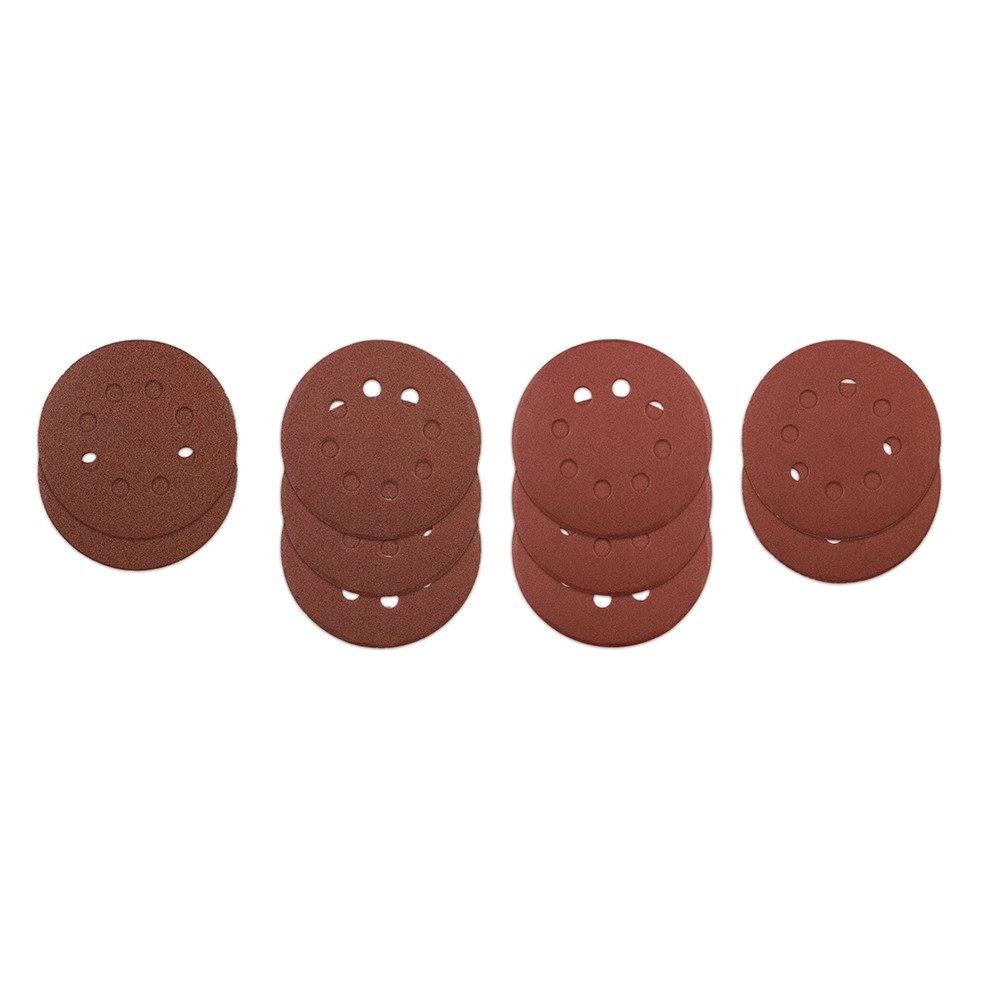
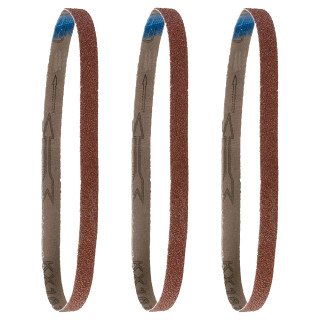
Ryobi Sanding Pads Sheets are what you reach for when paint is rough, filler needs flattening, or timber needs finishing without clogging up fast.

Whether you're rubbing down doors, smoothing filler on patch repairs, or cleaning up timber before paint, the right sheets save time and leave a cleaner finish. These Ryobi accessories are made to fit Ryobi sanders properly, so you are not fighting loose hook and loop backing or paper that tears halfway through the job. If you are already running Ryobi kit, this is the simple way to keep your sander earning its place.

What Are Ryobi Sanding Pads Sheets Used For?

  • Smoothing filler, paint and rough timber on refurb jobs is where Ryobi Sanding Pads Sheets earn their keep, especially when you need a flat finish before primer or top coat goes on.
  • Prepping doors, skirting and frames for decorating is quicker with the right grit, as the sheets cut cleanly without chewing up edges or leaving deep swirl marks everywhere.
  • Cleaning up site-made timber work, shelving and basic joinery is easier when the pads stay put on the base and do not peel off every five minutes mid pass.
  • Freshening up outdoor woodwork and smaller garden projects works well too, particularly if you already use Garden Power Tools and want matching Ryobi accessories for the rest of the job.

Choosing the Right Ryobi Sanding Pads Sheets

Sorting the right sheets is simple: match the grit and shape to the job, not whatever pack happens to be nearest.

1. Start with the grit, not the brand name

If you are stripping back old paint, levelling filler or knocking down rough sawn timber, go coarser first. If you are between coats or finishing softwood and trim, use a finer grit or you will leave scratches you will only have to sort later.

2. Match the sheet to the sander base

Do not guess the size or pad shape. If the holes and edges do not line up with your Ryobi sander, dust extraction will be poor and the sheet will wear unevenly. Proper fit matters more than people think.

3. Buy for the amount of sanding you actually do

If it is just the odd patch repair or a couple of doors, a small mixed pack will do. If you are decorating rooms back to back or doing repeat prep work, buy more than one grit and keep spare sheets on hand so you are not trying to finish a job with clogged paper.

4. Think about dust and runtime together

If you are using cordless sanders for longer prep sessions, decent extraction and fresh power make a big difference. A clogged sheet and a dying battery make the tool feel useless, so keep an eye on both from the start.

Who Uses These on Site?

  • Decorators use them for rubbing down walls, woodwork and filled patches before paint, because the right grit saves time on snagging and gives a better finish straight away.
  • Joiners and chippies keep packs in the van for trimming back rough edges, easing filler repairs and finishing doors, shelves and trim without dragging out bigger kit.
  • Maintenance teams swear by these for patch jobs in schools, offices and rentals, where a quick sand on filler or old paint gets surfaces ready without making a drama of it.
  • DIY users and home improvers reach for them when sorting furniture, fences and touch-up repairs, especially if they already run Ryobi cordless tools around the house and workshop.

The Basics: Understanding Ryobi Sanding Pads Sheets

These are simple bits of kit, but getting the basics right makes sanding faster, cleaner and less frustrating. Here is what actually matters on the job.

1. Grit controls the cut

Lower grit numbers remove more material and are for rough prep, old coatings and filler. Higher grit numbers are for refining the surface, between-coat sanding and getting timber ready for paint or stain.

2. Hole pattern helps with dust extraction

If the extraction holes line up with the sander base, dust gets pulled away instead of clogging the abrasive. That means the sheet lasts longer and you can actually see the surface you are working on.

3. Hook and loop fit saves time

Most Ryobi sanding pads sheets fix on with hook and loop backing, so changing from coarse to fine is quick. That matters when you are moving from rough shaping to final finish without wasting half the morning.

Ryobi Sanding Accessories That Keep the Job Moving

A few sensible extras stop sanding jobs dragging on or falling apart halfway through.

1. Mixed Grit Packs

Get a range of grits in the van so you can strip, smooth and finish properly. Trying to do every stage with one worn sheet is how you waste time and leave a poor surface behind.

2. Replacement Backing Pads

When the base pad is worn, even good sheets stop sticking properly and start lifting at the edges. A fresh backing pad saves you fighting the tool and gives the abrasive a fair chance to work.

3. Dust Bags or Extraction Adaptors

Sort the dust out early. Proper collection keeps the sheet cutting cleaner, stops the work area disappearing in fine dust and saves a load of cleanup after decorating or joinery jobs.

4. Spare Batteries

For cordless sanding, a spare from Batteries Chargers and Mounts is common sense. Do not get stuck halfway through prep work waiting for charge when the room still needs another pass.

Choose the Right Ryobi Sanding Pads Sheets for the Job

Use this quick guide to avoid buying the wrong grit or shape.

Your Job Ryobi Sanding Pads Sheets Type Key Features
Levelling filler and stripping rough paint Coarse grit sheets Faster material removal, good for prep, best used before finer finishing passes
Sanding doors, frames and timber before undercoat Medium grit sheets Good balance of cut and finish, useful for general site prep and patch repairs
Between coats and final finishing work Fine grit sheets Leaves a smoother surface, reduces visible scratch marks, better for paint-ready work
Tight corners and detail sanding Detail pad sheets Shaped to fit smaller bases, better for edges, corners and awkward trim sections
Regular decorating or repeat refurb work Mixed grit multi-pack Covers rough prep through to finish, saves repeat ordering, handy for van stock

Common Buying and Usage Mistakes

  • Buying the wrong shape or size for the sander is a common one, and it means poor fit, bad extraction and sheets lifting off early. Check the pad pattern before you order.
  • Using a fine grit to remove heavy paint or proud filler just wastes time and burns through sheets. Start coarse, then work up properly.
  • Pressing down too hard makes the tool harder to control and wears the abrasive out faster. Let the sheet cut at its own pace and keep the sander moving.
  • Ignoring dust build-up clogs the abrasive and leaves a poorer finish. Clear the dust bag, line up extraction holes and swap sheets before they glaze over.
  • Trying to stretch one sheet across the whole job is false economy. Once it stops cutting cleanly, replace it and get the surface sorted properly.

Coarse vs Medium vs Fine Sanding Sheets

Coarse Grit

This is for heavy prep work such as knocking down filler, stripping rough paint and cleaning up rough timber. It removes material quickly, but it is not what you finish with unless you want scratches showing through the paint.

Medium Grit

Medium grit is the all-rounder for most site sanding. It is what you use after coarse prep or for general keying and smoothing when the surface is not in terrible shape to start with.

Fine Grit

Fine grit is for finishing passes, between coats and getting timber or filler ready for paint. It gives a cleaner surface, but it is too slow if you are trying to remove old coatings or flatten high spots.

Maintenance and Care

Keep Sheets Dry and Flat

Store unused sheets somewhere dry in the van, workshop or cupboard. Damp and bent abrasives do not stick properly and can curl at the edges once fitted.

Brush Dust Off the Backing

Fine dust gets into hook and loop backing fast. Give both the sheet and the sander base a quick clean so the next pad sticks down properly and does not fly off mid job.

Change Worn Sheets Early

If the abrasive is glazed over or clogged solid, replace it. Carrying on just creates heat, slows the job and leaves a poorer finish on timber, filler or paintwork.

Check the Sander Pad

A worn or damaged backing pad ruins good sheets. If the base is smooth, torn or losing grip, replace it before blaming the abrasive.

Why Shop for Ryobi Sanding Pads Sheets at ITS?

Whether you need replacement sheets for one sander or you are stocking up across your full Power Tool Accessories setup, we have the Ryobi range in the sizes, shapes and grits that actually get used. It is all held in our own warehouse, in stock and ready for next day delivery, so you can get the right Ryobi accessories on site without hanging about.

Ryobi Sanding Pads Sheets FAQs

What are Ryobi Sanding Pads Sheets used for?

They are used for smoothing timber, flattening filler, keying painted surfaces and cleaning up edges before finishing. In plain terms, they are the consumable that makes your Ryobi sander useful on decorating, repair and general prep work.

Are Ryobi Sanding Pads Sheets compatible with Ryobi batteries?

The sheets themselves do not use batteries. They fit the sanding tool, while the cordless Ryobi sander is what runs off the battery system. If you are already on Ryobi 18V ONE+, just make sure the sheet shape and size match your actual sander base.

How do I choose the right ryobi sanding pads sheets?

Start with the job. Coarse grit for stripping and flattening, medium for general prep, fine for finishing. Then check the pad shape, size and hole pattern against your sander. If those do not match, the sheet will not work properly no matter how good the abrasive is.

Can Ryobi Sanding Pads Sheets be used for DIY and garden jobs?

Yes, they are well suited to DIY jobs such as furniture prep, door sanding and patch repairs, and they are handy for outdoor timber jobs like fences, planters and benches too. Just remember outdoor timber can clog sheets faster, so keep a few spares nearby.

Do Ryobi Sanding Pads Sheets last well on rough prep work?

Yes, if you use the right grit for the job and let the sander do the work. If you lean on it too hard or use fine sheets on heavy paint and filler, you will wear them out fast. Proper grit choice makes a big difference.

Will these fit every Ryobi sander?

No, not every sheet fits every sander. Detail sanders, sheet sanders and random orbit sanders all use different pad shapes and fixing patterns, so always match the accessory to the machine you own.
Read more

Ryobi Sanding Pads & Sheets

Ryobi Sanding Pads Sheets are what you reach for when paint is rough, filler needs flattening, or timber needs finishing without clogging up fast.

Whether you're rubbing down doors, smoothing filler on patch repairs, or cleaning up timber before paint, the right sheets save time and leave a cleaner finish. These Ryobi accessories are made to fit Ryobi sanders properly, so you are not fighting loose hook and loop backing or paper that tears halfway through the job. If you are already running Ryobi kit, this is the simple way to keep your sander earning its place.

What Are Ryobi Sanding Pads Sheets Used For?

  • Smoothing filler, paint and rough timber on refurb jobs is where Ryobi Sanding Pads Sheets earn their keep, especially when you need a flat finish before primer or top coat goes on.
  • Prepping doors, skirting and frames for decorating is quicker with the right grit, as the sheets cut cleanly without chewing up edges or leaving deep swirl marks everywhere.
  • Cleaning up site-made timber work, shelving and basic joinery is easier when the pads stay put on the base and do not peel off every five minutes mid pass.
  • Freshening up outdoor woodwork and smaller garden projects works well too, particularly if you already use Garden Power Tools and want matching Ryobi accessories for the rest of the job.

Choosing the Right Ryobi Sanding Pads Sheets

Sorting the right sheets is simple: match the grit and shape to the job, not whatever pack happens to be nearest.

1. Start with the grit, not the brand name

If you are stripping back old paint, levelling filler or knocking down rough sawn timber, go coarser first. If you are between coats or finishing softwood and trim, use a finer grit or you will leave scratches you will only have to sort later.

2. Match the sheet to the sander base

Do not guess the size or pad shape. If the holes and edges do not line up with your Ryobi sander, dust extraction will be poor and the sheet will wear unevenly. Proper fit matters more than people think.

3. Buy for the amount of sanding you actually do

If it is just the odd patch repair or a couple of doors, a small mixed pack will do. If you are decorating rooms back to back or doing repeat prep work, buy more than one grit and keep spare sheets on hand so you are not trying to finish a job with clogged paper.

4. Think about dust and runtime together

If you are using cordless sanders for longer prep sessions, decent extraction and fresh power make a big difference. A clogged sheet and a dying battery make the tool feel useless, so keep an eye on both from the start.

Who Uses These on Site?

  • Decorators use them for rubbing down walls, woodwork and filled patches before paint, because the right grit saves time on snagging and gives a better finish straight away.
  • Joiners and chippies keep packs in the van for trimming back rough edges, easing filler repairs and finishing doors, shelves and trim without dragging out bigger kit.
  • Maintenance teams swear by these for patch jobs in schools, offices and rentals, where a quick sand on filler or old paint gets surfaces ready without making a drama of it.
  • DIY users and home improvers reach for them when sorting furniture, fences and touch-up repairs, especially if they already run Ryobi cordless tools around the house and workshop.

The Basics: Understanding Ryobi Sanding Pads Sheets

These are simple bits of kit, but getting the basics right makes sanding faster, cleaner and less frustrating. Here is what actually matters on the job.

1. Grit controls the cut

Lower grit numbers remove more material and are for rough prep, old coatings and filler. Higher grit numbers are for refining the surface, between-coat sanding and getting timber ready for paint or stain.

2. Hole pattern helps with dust extraction

If the extraction holes line up with the sander base, dust gets pulled away instead of clogging the abrasive. That means the sheet lasts longer and you can actually see the surface you are working on.

3. Hook and loop fit saves time

Most Ryobi sanding pads sheets fix on with hook and loop backing, so changing from coarse to fine is quick. That matters when you are moving from rough shaping to final finish without wasting half the morning.

Ryobi Sanding Accessories That Keep the Job Moving

A few sensible extras stop sanding jobs dragging on or falling apart halfway through.

1. Mixed Grit Packs

Get a range of grits in the van so you can strip, smooth and finish properly. Trying to do every stage with one worn sheet is how you waste time and leave a poor surface behind.

2. Replacement Backing Pads

When the base pad is worn, even good sheets stop sticking properly and start lifting at the edges. A fresh backing pad saves you fighting the tool and gives the abrasive a fair chance to work.

3. Dust Bags or Extraction Adaptors

Sort the dust out early. Proper collection keeps the sheet cutting cleaner, stops the work area disappearing in fine dust and saves a load of cleanup after decorating or joinery jobs.

4. Spare Batteries

For cordless sanding, a spare from Batteries Chargers and Mounts is common sense. Do not get stuck halfway through prep work waiting for charge when the room still needs another pass.

Choose the Right Ryobi Sanding Pads Sheets for the Job

Use this quick guide to avoid buying the wrong grit or shape.

Your Job Ryobi Sanding Pads Sheets Type Key Features
Levelling filler and stripping rough paint Coarse grit sheets Faster material removal, good for prep, best used before finer finishing passes
Sanding doors, frames and timber before undercoat Medium grit sheets Good balance of cut and finish, useful for general site prep and patch repairs
Between coats and final finishing work Fine grit sheets Leaves a smoother surface, reduces visible scratch marks, better for paint-ready work
Tight corners and detail sanding Detail pad sheets Shaped to fit smaller bases, better for edges, corners and awkward trim sections
Regular decorating or repeat refurb work Mixed grit multi-pack Covers rough prep through to finish, saves repeat ordering, handy for van stock

Common Buying and Usage Mistakes

  • Buying the wrong shape or size for the sander is a common one, and it means poor fit, bad extraction and sheets lifting off early. Check the pad pattern before you order.
  • Using a fine grit to remove heavy paint or proud filler just wastes time and burns through sheets. Start coarse, then work up properly.
  • Pressing down too hard makes the tool harder to control and wears the abrasive out faster. Let the sheet cut at its own pace and keep the sander moving.
  • Ignoring dust build-up clogs the abrasive and leaves a poorer finish. Clear the dust bag, line up extraction holes and swap sheets before they glaze over.
  • Trying to stretch one sheet across the whole job is false economy. Once it stops cutting cleanly, replace it and get the surface sorted properly.

Coarse vs Medium vs Fine Sanding Sheets

Coarse Grit

This is for heavy prep work such as knocking down filler, stripping rough paint and cleaning up rough timber. It removes material quickly, but it is not what you finish with unless you want scratches showing through the paint.

Medium Grit

Medium grit is the all-rounder for most site sanding. It is what you use after coarse prep or for general keying and smoothing when the surface is not in terrible shape to start with.

Fine Grit

Fine grit is for finishing passes, between coats and getting timber or filler ready for paint. It gives a cleaner surface, but it is too slow if you are trying to remove old coatings or flatten high spots.

Maintenance and Care

Keep Sheets Dry and Flat

Store unused sheets somewhere dry in the van, workshop or cupboard. Damp and bent abrasives do not stick properly and can curl at the edges once fitted.

Brush Dust Off the Backing

Fine dust gets into hook and loop backing fast. Give both the sheet and the sander base a quick clean so the next pad sticks down properly and does not fly off mid job.

Change Worn Sheets Early

If the abrasive is glazed over or clogged solid, replace it. Carrying on just creates heat, slows the job and leaves a poorer finish on timber, filler or paintwork.

Check the Sander Pad

A worn or damaged backing pad ruins good sheets. If the base is smooth, torn or losing grip, replace it before blaming the abrasive.

Why Shop for Ryobi Sanding Pads Sheets at ITS?

Whether you need replacement sheets for one sander or you are stocking up across your full Power Tool Accessories setup, we have the Ryobi range in the sizes, shapes and grits that actually get used. It is all held in our own warehouse, in stock and ready for next day delivery, so you can get the right Ryobi accessories on site without hanging about.

Ryobi Sanding Pads Sheets FAQs

What are Ryobi Sanding Pads Sheets used for?

They are used for smoothing timber, flattening filler, keying painted surfaces and cleaning up edges before finishing. In plain terms, they are the consumable that makes your Ryobi sander useful on decorating, repair and general prep work.

Are Ryobi Sanding Pads Sheets compatible with Ryobi batteries?

The sheets themselves do not use batteries. They fit the sanding tool, while the cordless Ryobi sander is what runs off the battery system. If you are already on Ryobi 18V ONE+, just make sure the sheet shape and size match your actual sander base.

How do I choose the right ryobi sanding pads sheets?

Start with the job. Coarse grit for stripping and flattening, medium for general prep, fine for finishing. Then check the pad shape, size and hole pattern against your sander. If those do not match, the sheet will not work properly no matter how good the abrasive is.

Can Ryobi Sanding Pads Sheets be used for DIY and garden jobs?

Yes, they are well suited to DIY jobs such as furniture prep, door sanding and patch repairs, and they are handy for outdoor timber jobs like fences, planters and benches too. Just remember outdoor timber can clog sheets faster, so keep a few spares nearby.

Do Ryobi Sanding Pads Sheets last well on rough prep work?

Yes, if you use the right grit for the job and let the sander do the work. If you lean on it too hard or use fine sheets on heavy paint and filler, you will wear them out fast. Proper grit choice makes a big difference.

Will these fit every Ryobi sander?

No, not every sheet fits every sander. Detail sanders, sheet sanders and random orbit sanders all use different pad shapes and fixing patterns, so always match the accessory to the machine you own.
ITS Click and Collect Icon
What3Words:
Get Directions
Store Opening Hours
Opening times
