


Ryobi Batteries, Chargers and Mounts

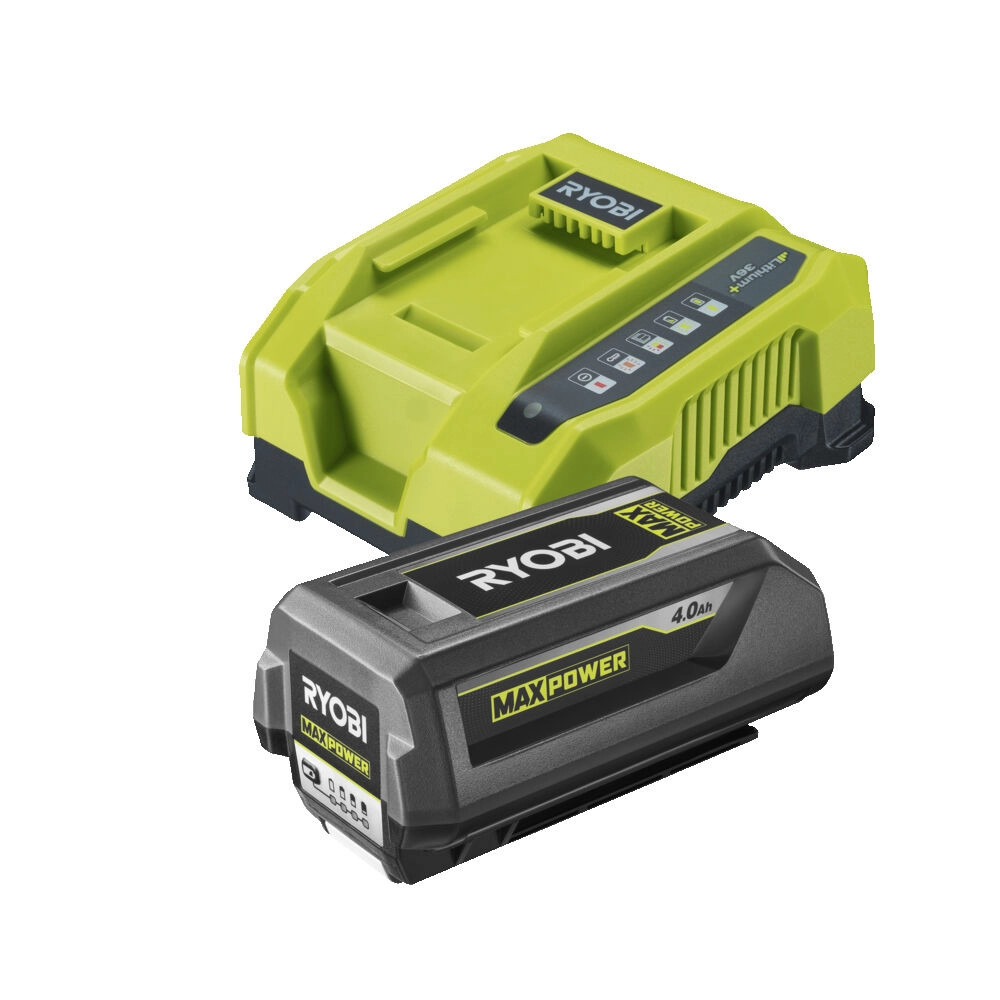
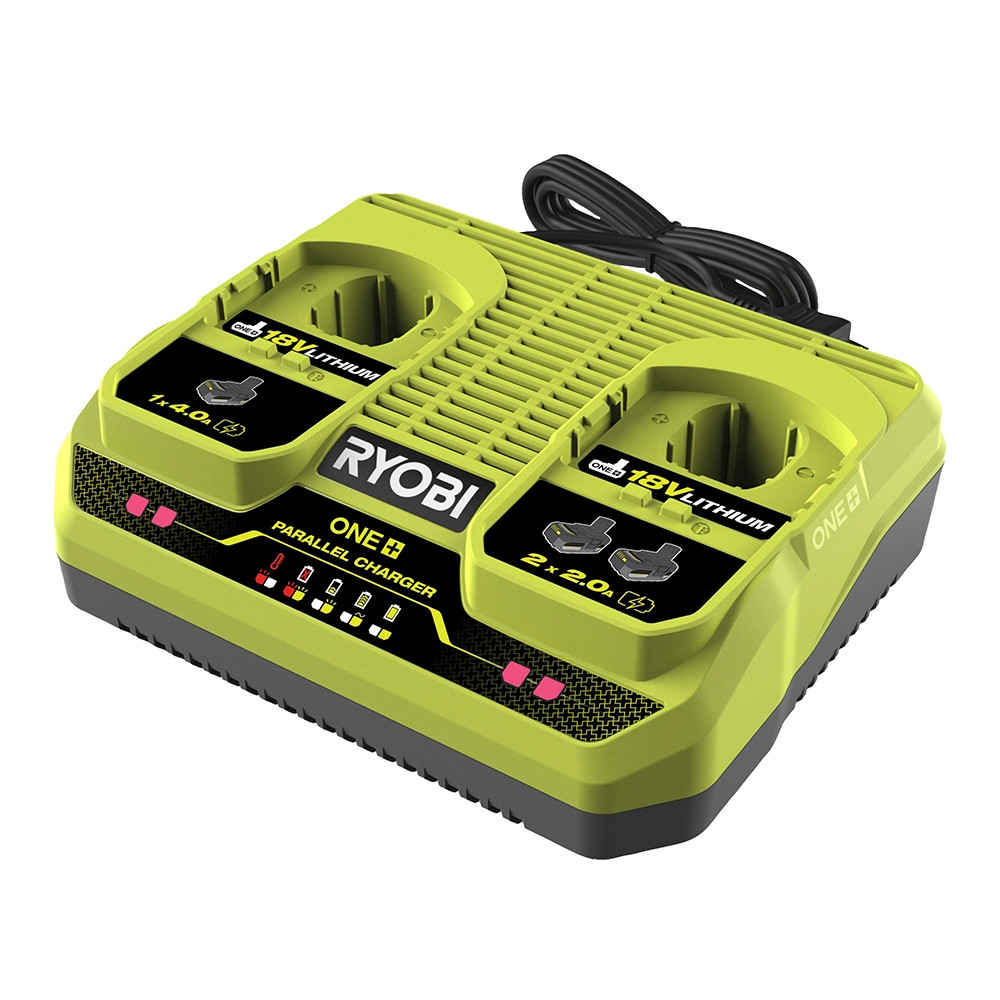
Ryobi Batteries Chargers and Mounts keep your Ryobi cordless tools running, charged and stored properly, so you are not losing time waiting on flat packs.

If your drill packs up halfway through fixing brackets or the charger is still crawling when you need to get back on with it, this is the kit you sort first. Ryobi batteries, chargers and mounts make more sense when matched to how you actually work, whether that is quick DIY jobs, regular home improvement tools use, or keeping a full Ryobi 18V ONE+ setup ready on the shelf. If you already run Ryobi kit, this is where you keep it useful and ready for the next job.

What Are Ryobi Batteries Chargers and Mounts Used For?

  • Keeping Ryobi cordless tools ready for the next job means having charged battery packs lined up, especially when you are bouncing between drilling, cutting and fixing around the house or workshop.
  • Charging spare Ryobi replacement batteries overnight or between tasks stops the usual hold-up where one flat pack brings the whole job to a halt.
  • Mounting chargers and batteries on a garage, van or workshop wall keeps your tool accessories in one place, so you are not digging through boxes for the right pack.
  • Using Ryobi fast chargers helps when you have back-to-back jobs and need a battery turned around quickly rather than waiting half the day for a standard charger.
  • Building out a proper charging setup is handy if you also run Garden Power Tools on the same platform and need enough power on hand for longer outdoor work.

Choosing the Right Ryobi Batteries Chargers and Mounts

Sort the battery and charger around how many tools you run in a day, not just what is cheapest on the shelf.

1. Battery Capacity

If you only grab the drill now and then for light fixing, a smaller battery is usually enough and keeps the tool lighter in hand. If you are using higher-drain Ryobi cordless tools or working longer without a break, go bigger or keep spare Ryobi battery packs ready.

2. Standard Charger or Fast Charger

If you have two or three batteries in rotation, a standard charger will do the job. If you rely on one or two packs and need them back quickly, Ryobi fast chargers are the better shout because downtime is what slows the whole job.

3. Single Pack or Charger Kit

If you are replacing a dead battery, just buy the pack you need. If you are starting out or adding more tools, charger kits usually make more sense because they give you a proper spare and stop the usual one-battery bottleneck.

4. Mounts and Storage

If your batteries live loose in a drawer or roll about in the van, mounts are worth it. They keep packs organised, protect the terminals from knocks, and make it easier to see what is charged and what is not.

Who Uses These?

  • DIY users and home improvers lean on these to keep their Ryobi power tools going through weekend jobs, from putting up shelving to trimming out rooms without waiting on one tired battery.
  • Maintenance teams use Ryobi batteries chargers and mounts to keep a mixed kit of drills, lights and other cordless gear charged and stored properly in the workshop.
  • Garden and property users swear by spare battery packs and charger kits when they are switching between trimmers, blowers and other cordless outdoor kit on the same system.
  • Anyone already bought into Ryobi 18V ONE+ will want the right charger and battery setup, because one pack and one slow charger soon gets frustrating once the tool collection grows.

The Basics: Understanding Ryobi Batteries Chargers and Mounts

The main thing to understand here is not just battery size, but how the whole setup affects runtime, charging time and day-to-day convenience. Here is the simple version.

1. Battery Packs

The battery pack is your fuel tank. Smaller packs keep tools lighter for overhead or quick jobs, while larger packs run longer and suit tools that draw more power, so you spend less time swapping over.

2. Chargers

The charger decides how fast you can get back to work. A standard charger is fine if you have spare batteries waiting, but a fast charger matters when one flat pack could stop the whole job.

3. Mounts

Mounts are there to keep batteries and chargers fixed where you can actually find them. In a garage, shed or van setup, that means less clutter, less damage, and no wasted time hunting around for the right kit.

Accessories That Keep Your Ryobi Setup Working

A few sensible extras make Ryobi batteries chargers and mounts easier to live with and stop the usual hold-ups.

1. Spare Battery Packs

A spare pack stops the job stalling when your only battery goes flat halfway through. It is the obvious fix if you are constantly waiting on charge before you can carry on.

2. Fast Chargers

If you are running through batteries quicker than a standard charger can refill them, a fast charger saves a lot of standing about. Handy when you have got a list of jobs to crack through in one go.

3. Battery Mounts

These stop packs getting knocked about in drawers, tool bags or van shelves. Fit them to a wall or board and your batteries stay organised, visible and easier to grab.

4. Charger Kits

If you are adding more tools to the system, a charger kit is often the cleaner way to expand. It gives you another charging point and another usable battery instead of trying to make one tired setup do everything.

Choose the Right Ryobi Batteries Chargers and Mounts for the Job

Match the setup to how often you use the tools and how long you need them to run.

Your Job Category or Type Key Features
Odd jobs and light DIY around the house Compact Ryobi battery pack Lighter in the tool, easier to handle, fine for shorter bursts of drilling and fixing
Regular home improvement work across a full day Higher capacity Ryobi battery pack Longer runtime, fewer swaps, better suited to saws and other power-hungry tools
One or two batteries in regular rotation Ryobi fast charger Quicker turnaround, less waiting, better if downtime keeps slowing you up
Starting or expanding a cordless setup Ryobi charger kit Gives you a battery and charger together, useful when one pack is no longer enough
Garage, shed or van organisation Battery and charger mounts Keeps packs stored properly, cuts clutter, and protects batteries from knocks

Common Buying and Usage Mistakes

  • Buying just one battery for multiple tools is the usual false economy. It works on day one, but once you are switching between tools properly, you spend more time charging than getting jobs done.
  • Choosing the biggest battery for every tool can make lighter jobs harder than they need to be. More runtime is useful, but a heavy pack on a drill or driver gets awkward fast if you are working overhead or in tight spots.
  • Ignoring charger speed catches a lot of people out. A slow charger is fine with spare packs in rotation, but frustrating if you are relying on one battery to carry the whole day.
  • Leaving batteries loose in the van or workshop knocks them about and clutters the place up. Use mounts or proper storage so the terminals stay protected and you can see what is charged.
  • Waiting until a battery completely gives up before sorting a replacement can stop a job dead. If runtime has dropped off badly, get a replacement battery lined up before it becomes a problem.

Standard Chargers vs Fast Chargers vs Charger Kits

Standard Chargers

Best if you have a couple of batteries and can leave one on charge while using another. They suit lighter use and general DIY, but they are not ideal if you need quick turnaround in the middle of a longer job.

Fast Chargers

The better choice when your tools see regular use and flat batteries are holding you up. They cost more, but the time saved is worth it if you only keep a small number of packs in rotation.

Charger Kits

A sensible option when you are growing your setup and need both another battery and another charger. Rather than patching around one tired pack, you end up with a proper working system.

Battery Mounts

Not a charging option, but still worth comparing because they solve a different problem. If your issue is mess, damaged packs or wasted time finding batteries, mounts will help more than buying yet another charger.

Maintenance and Care

Keep the Contacts Clean

Dust, plaster and general workshop muck on the battery terminals can affect charging and tool connection. Give the contacts a quick wipe now and then and keep them dry.

Store Batteries Properly

Do not leave packs rolling around loose in the van or sat in damp corners of the shed. Store them somewhere dry and protected, ideally on mounts or a shelf where they will not get knocked.

Do Not Ignore Heat

Chargers and batteries do not thank you for being left in direct sun, on dashboards or next to heaters. Excess heat shortens battery life, so let packs cool and charge them in sensible conditions.

Replace Tired Packs Before They Waste Your Time

If a battery is charging fully but running down far quicker than it used to, it is usually on the way out. Replace it before it starts dragging jobs out and leaving you short halfway through.

Check Mounts and Leads

If you are using wall mounts or fixed charging stations, make sure everything stays secure and the charger lead is not being pinched or tugged. It is a simple check that avoids needless damage.

Why Shop for Ryobi Batteries Chargers and Mounts at ITS?

Whether you need Ryobi replacement batteries, battery chargers, fast chargers, mounts or full charger kits, we stock the proper range in one place. You will find this Ryobi Batteries Chargers and Mounts UK selection alongside more Power Tool Accessories and the wider Batteries Chargers and Mounts range, all held in our own warehouse and ready for next day delivery.

Ryobi Batteries Chargers and Mounts FAQs

Which ryobi batteries chargers and mounts should I choose?

Match them to how you actually use your tools. If it is light DIY and odd jobs, a smaller battery and standard charger will usually do. If you run several Ryobi cordless tools, do longer jobs or use garden kit as well, go for extra battery packs, a faster charger and mounts to keep the lot organised.

Are Ryobi batteries interchangeable?

Yes, within the correct platform that is the whole point of the system. If you are on the Ryobi 18V ONE+ setup, one compatible battery can run a wide range of tools, which is why buying the right spare packs and chargers matters.

How long do Ryobi batteries last?

That depends on the battery size, the tool and how hard you are pushing it. A drill doing light fixing will run far longer than a saw or outdoor power tool under load. In ownership terms, a well looked after battery should give you plenty of service, but heat, rough storage and constant deep run-downs will shorten its life.

Can Ryobi batteries be used across different tools?

Yes, that is one of the main reasons people buy into the platform. The same compatible battery can be moved between different tools in the range, which saves buying separate power systems for drilling, cutting, fixing and garden jobs.

Do I need a fast charger or will a standard charger do?

A standard charger is fine if you have spare batteries and can charge them ahead of time. If you rely on one or two packs and need them back in service quickly, a fast charger is worth it because it cuts down waiting about.

Are battery mounts actually worth buying?

Yes, if your batteries are usually loose on a shelf, in a drawer or rattling round the van. Mounts keep packs tidy, easier to find and less likely to get damaged, which makes a bigger difference than most people expect.
Read more

Ryobi Batteries, Chargers and Mounts

Ryobi Batteries Chargers and Mounts keep your Ryobi cordless tools running, charged and stored properly, so you are not losing time waiting on flat packs.

If your drill packs up halfway through fixing brackets or the charger is still crawling when you need to get back on with it, this is the kit you sort first. Ryobi batteries, chargers and mounts make more sense when matched to how you actually work, whether that is quick DIY jobs, regular home improvement tools use, or keeping a full Ryobi 18V ONE+ setup ready on the shelf. If you already run Ryobi kit, this is where you keep it useful and ready for the next job.

What Are Ryobi Batteries Chargers and Mounts Used For?

  • Keeping Ryobi cordless tools ready for the next job means having charged battery packs lined up, especially when you are bouncing between drilling, cutting and fixing around the house or workshop.
  • Charging spare Ryobi replacement batteries overnight or between tasks stops the usual hold-up where one flat pack brings the whole job to a halt.
  • Mounting chargers and batteries on a garage, van or workshop wall keeps your tool accessories in one place, so you are not digging through boxes for the right pack.
  • Using Ryobi fast chargers helps when you have back-to-back jobs and need a battery turned around quickly rather than waiting half the day for a standard charger.
  • Building out a proper charging setup is handy if you also run Garden Power Tools on the same platform and need enough power on hand for longer outdoor work.

Choosing the Right Ryobi Batteries Chargers and Mounts

Sort the battery and charger around how many tools you run in a day, not just what is cheapest on the shelf.

1. Battery Capacity

If you only grab the drill now and then for light fixing, a smaller battery is usually enough and keeps the tool lighter in hand. If you are using higher-drain Ryobi cordless tools or working longer without a break, go bigger or keep spare Ryobi battery packs ready.

2. Standard Charger or Fast Charger

If you have two or three batteries in rotation, a standard charger will do the job. If you rely on one or two packs and need them back quickly, Ryobi fast chargers are the better shout because downtime is what slows the whole job.

3. Single Pack or Charger Kit

If you are replacing a dead battery, just buy the pack you need. If you are starting out or adding more tools, charger kits usually make more sense because they give you a proper spare and stop the usual one-battery bottleneck.

4. Mounts and Storage

If your batteries live loose in a drawer or roll about in the van, mounts are worth it. They keep packs organised, protect the terminals from knocks, and make it easier to see what is charged and what is not.

Who Uses These?

  • DIY users and home improvers lean on these to keep their Ryobi power tools going through weekend jobs, from putting up shelving to trimming out rooms without waiting on one tired battery.
  • Maintenance teams use Ryobi batteries chargers and mounts to keep a mixed kit of drills, lights and other cordless gear charged and stored properly in the workshop.
  • Garden and property users swear by spare battery packs and charger kits when they are switching between trimmers, blowers and other cordless outdoor kit on the same system.
  • Anyone already bought into Ryobi 18V ONE+ will want the right charger and battery setup, because one pack and one slow charger soon gets frustrating once the tool collection grows.

The Basics: Understanding Ryobi Batteries Chargers and Mounts

The main thing to understand here is not just battery size, but how the whole setup affects runtime, charging time and day-to-day convenience. Here is the simple version.

1. Battery Packs

The battery pack is your fuel tank. Smaller packs keep tools lighter for overhead or quick jobs, while larger packs run longer and suit tools that draw more power, so you spend less time swapping over.

2. Chargers

The charger decides how fast you can get back to work. A standard charger is fine if you have spare batteries waiting, but a fast charger matters when one flat pack could stop the whole job.

3. Mounts

Mounts are there to keep batteries and chargers fixed where you can actually find them. In a garage, shed or van setup, that means less clutter, less damage, and no wasted time hunting around for the right kit.

Accessories That Keep Your Ryobi Setup Working

A few sensible extras make Ryobi batteries chargers and mounts easier to live with and stop the usual hold-ups.

1. Spare Battery Packs

A spare pack stops the job stalling when your only battery goes flat halfway through. It is the obvious fix if you are constantly waiting on charge before you can carry on.

2. Fast Chargers

If you are running through batteries quicker than a standard charger can refill them, a fast charger saves a lot of standing about. Handy when you have got a list of jobs to crack through in one go.

3. Battery Mounts

These stop packs getting knocked about in drawers, tool bags or van shelves. Fit them to a wall or board and your batteries stay organised, visible and easier to grab.

4. Charger Kits

If you are adding more tools to the system, a charger kit is often the cleaner way to expand. It gives you another charging point and another usable battery instead of trying to make one tired setup do everything.

Choose the Right Ryobi Batteries Chargers and Mounts for the Job

Match the setup to how often you use the tools and how long you need them to run.

Your Job Category or Type Key Features
Odd jobs and light DIY around the house Compact Ryobi battery pack Lighter in the tool, easier to handle, fine for shorter bursts of drilling and fixing
Regular home improvement work across a full day Higher capacity Ryobi battery pack Longer runtime, fewer swaps, better suited to saws and other power-hungry tools
One or two batteries in regular rotation Ryobi fast charger Quicker turnaround, less waiting, better if downtime keeps slowing you up
Starting or expanding a cordless setup Ryobi charger kit Gives you a battery and charger together, useful when one pack is no longer enough
Garage, shed or van organisation Battery and charger mounts Keeps packs stored properly, cuts clutter, and protects batteries from knocks

Common Buying and Usage Mistakes

  • Buying just one battery for multiple tools is the usual false economy. It works on day one, but once you are switching between tools properly, you spend more time charging than getting jobs done.
  • Choosing the biggest battery for every tool can make lighter jobs harder than they need to be. More runtime is useful, but a heavy pack on a drill or driver gets awkward fast if you are working overhead or in tight spots.
  • Ignoring charger speed catches a lot of people out. A slow charger is fine with spare packs in rotation, but frustrating if you are relying on one battery to carry the whole day.
  • Leaving batteries loose in the van or workshop knocks them about and clutters the place up. Use mounts or proper storage so the terminals stay protected and you can see what is charged.
  • Waiting until a battery completely gives up before sorting a replacement can stop a job dead. If runtime has dropped off badly, get a replacement battery lined up before it becomes a problem.

Standard Chargers vs Fast Chargers vs Charger Kits

Standard Chargers

Best if you have a couple of batteries and can leave one on charge while using another. They suit lighter use and general DIY, but they are not ideal if you need quick turnaround in the middle of a longer job.

Fast Chargers

The better choice when your tools see regular use and flat batteries are holding you up. They cost more, but the time saved is worth it if you only keep a small number of packs in rotation.

Charger Kits

A sensible option when you are growing your setup and need both another battery and another charger. Rather than patching around one tired pack, you end up with a proper working system.

Battery Mounts

Not a charging option, but still worth comparing because they solve a different problem. If your issue is mess, damaged packs or wasted time finding batteries, mounts will help more than buying yet another charger.

Maintenance and Care

Keep the Contacts Clean

Dust, plaster and general workshop muck on the battery terminals can affect charging and tool connection. Give the contacts a quick wipe now and then and keep them dry.

Store Batteries Properly

Do not leave packs rolling around loose in the van or sat in damp corners of the shed. Store them somewhere dry and protected, ideally on mounts or a shelf where they will not get knocked.

Do Not Ignore Heat

Chargers and batteries do not thank you for being left in direct sun, on dashboards or next to heaters. Excess heat shortens battery life, so let packs cool and charge them in sensible conditions.

Replace Tired Packs Before They Waste Your Time

If a battery is charging fully but running down far quicker than it used to, it is usually on the way out. Replace it before it starts dragging jobs out and leaving you short halfway through.

Check Mounts and Leads

If you are using wall mounts or fixed charging stations, make sure everything stays secure and the charger lead is not being pinched or tugged. It is a simple check that avoids needless damage.

Why Shop for Ryobi Batteries Chargers and Mounts at ITS?

Whether you need Ryobi replacement batteries, battery chargers, fast chargers, mounts or full charger kits, we stock the proper range in one place. You will find this Ryobi Batteries Chargers and Mounts UK selection alongside more Power Tool Accessories and the wider Batteries Chargers and Mounts range, all held in our own warehouse and ready for next day delivery.

Ryobi Batteries Chargers and Mounts FAQs

Which ryobi batteries chargers and mounts should I choose?

Match them to how you actually use your tools. If it is light DIY and odd jobs, a smaller battery and standard charger will usually do. If you run several Ryobi cordless tools, do longer jobs or use garden kit as well, go for extra battery packs, a faster charger and mounts to keep the lot organised.

Are Ryobi batteries interchangeable?

Yes, within the correct platform that is the whole point of the system. If you are on the Ryobi 18V ONE+ setup, one compatible battery can run a wide range of tools, which is why buying the right spare packs and chargers matters.

How long do Ryobi batteries last?

That depends on the battery size, the tool and how hard you are pushing it. A drill doing light fixing will run far longer than a saw or outdoor power tool under load. In ownership terms, a well looked after battery should give you plenty of service, but heat, rough storage and constant deep run-downs will shorten its life.

Can Ryobi batteries be used across different tools?

Yes, that is one of the main reasons people buy into the platform. The same compatible battery can be moved between different tools in the range, which saves buying separate power systems for drilling, cutting, fixing and garden jobs.

Do I need a fast charger or will a standard charger do?

A standard charger is fine if you have spare batteries and can charge them ahead of time. If you rely on one or two packs and need them back in service quickly, a fast charger is worth it because it cuts down waiting about.

Are battery mounts actually worth buying?

Yes, if your batteries are usually loose on a shelf, in a drawer or rattling round the van. Mounts keep packs tidy, easier to find and less likely to get damaged, which makes a bigger difference than most people expect.

ITS Click and Collect Icon
What3Words:
Get Directions
Store Opening Hours
Opening times